71-YEAR-OLD KRIS JENNER SAYS SHE HAD A LASER TREATMENT ON HER VAGINA TO MAKE IT "REALLY PERFECT AND CUTE
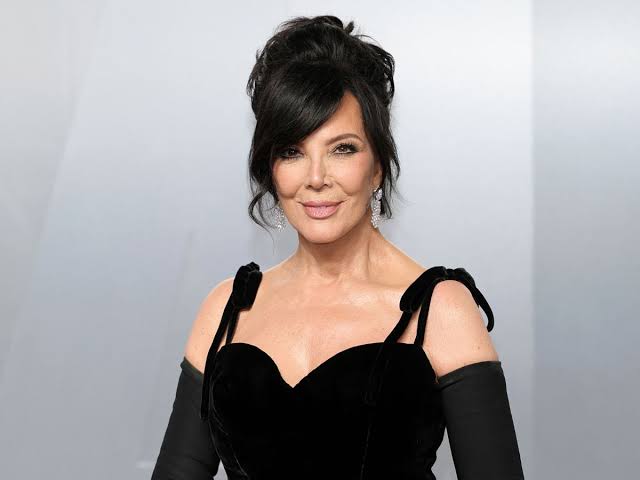
Kris Jenner has revealed that she underwent a vaginal laser treatment known as MonaLisa Touch, popularly called the "Mona Lisa treatment," as part of her beauty routine. The 71-year-old reality TV matriarch made the revelation over lunch with her best friend, Shelli Azoff, in the November 18 episode of The Kardashians. She described it as "a laser in your vagina that makes it really perfect and cute." She also said it was not her first time having the procedure and that she was pleased with the results, before urging her friend to "Live a little, for God's sake." MonaLisa Touch is a non-invasive laser treatment designed to ease vaginal symptoms linked to menopause, including dryness and vaginal atrophy, which can make sex painful. According to the Cleveland Clinic, it "works by repairing your vaginal tissue." The laser triggers the growth of new blood vessels, collagen and elastin, which helps the tissue lining regenerate and become moist again. Jenner's openness is nothing new. In 2024, she revealed that doctors had found a tumour on her ovary, and she later underwent a hysterectomy. She has also spoken openly about having two facelifts, the second about 15 years after the first. Her latest reveal has sparked fresh debate about ageing, beauty pressure and the long-hidden realities of menopause.
Kris Jenner has never been shy about what she does to look and feel her best. She has talked about facelifts, surgeries and health scares in front of millions of viewers. But her latest confession has pushed the conversation into territory many women still find hard to discuss, even with their closest friends.
In the November 18 episode of The Kardashians, the 71-year-old revealed that she has undergone a vaginal laser treatment known as MonaLisa Touch. She made the disclosure in the most casual way possible, over lunch with her best friend, Shelli Azoff.
Jenner described the procedure in her trademark blunt style. It involves, she said, "a laser in your vagina that makes it really perfect and cute."
She also made it clear that this was not her first session. She said she had done it before and was impressed with the results. When her friend seemed surprised, Jenner had a simple response: "Live a little, for God's sake."
The clip has since spread quickly online. Some viewers laughed. Some cringed. Others asked a more practical question: what exactly is the Mona Lisa treatment, and why would a woman need it?
The answer has less to do with Hollywood vanity than many people assume.
MonaLisa Touch is a non-invasive laser treatment. It was designed to help with vaginal symptoms linked to menopause, a stage of life every woman eventually reaches. During and after menopause, the body produces far less estrogen. That hormone plays a major role in keeping vaginal tissue thick, flexible and naturally moist. When estrogen levels drop, the tissue can become thin, dry and fragile. Doctors call this vaginal atrophy, and it is part of a wider set of changes now often described as genitourinary syndrome of menopause.
The symptoms can be uncomfortable and, for some women, deeply distressing. They include dryness, itching, burning, irritation and pain during sex. Some women also notice more frequent urinary problems. Yet many suffer in silence. They feel embarrassed to raise the issue with a doctor, or they assume it is simply something they must live with.
According to the Cleveland Clinic, MonaLisa Touch "works by repairing your vaginal tissue," helping it regenerate and become moist again. The clinic explains the process in more detail: "Laser beams destroy vaginal tissue and stimulate your vaginal tissue to generate new blood vessels and produce more collagen and elastin. This essentially causes the tissue lining to regenerate and repair itself."
Put simply, the laser creates tiny, controlled injuries in the vaginal wall. The body responds by healing those areas. As it heals, it builds new collagen, which gives tissue strength, and elastin, which gives it stretch. It also improves blood flow. The goal is healthier, thicker and better lubricated tissue.
The treatment is usually done in a doctor's office and does not require surgery or general anesthesia. Sessions are generally short. Many women are advised to go through a series of treatments spaced several weeks apart, and some return for top-up sessions later. That may explain why Jenner said she had done it more than once.
For women who cannot or do not want to use hormone therapy, the idea of a non-hormonal option has strong appeal. Women with a history of certain cancers, for example, may be told to avoid estrogen-based treatments. For them, a laser procedure can sound like a welcome alternative.
Still, doctors and health regulators urge caution. The evidence on vaginal laser treatments is mixed. Some studies have reported improvements in dryness and comfort. Others, including some carefully controlled trials, found the results were not much better than a sham treatment. In 2018, the US Food and Drug Administration warned that energy-based devices had not been approved for so-called "vaginal rejuvenation" and that some patients had reported burns, scarring and pain. The procedure can also be expensive, and it is often not covered by health insurance.
That is why many gynecologists recommend starting with simpler options. These include vaginal moisturizers, lubricants and, where safe, low-dose vaginal estrogen. Laser treatment may help some women, but experts say it should be a decision made with a qualified doctor, not a trend picked up from a reality show.
This is where Jenner's language has stirred debate. She did not describe the treatment as a fix for pain or discomfort. She described it as making her vagina "really perfect and cute." To critics, that phrase turns a medical procedure into a beauty product. They worry it adds yet another body part to the long list of things women are told to improve, tighten or perfect.
Supporters see it differently. They argue that Jenner, in her own playful way, is breaking a taboo. Menopause has long been treated as something to hide. Women have been expected to quietly accept the changes in their bodies, especially changes linked to sex and intimacy. By talking about a vaginal treatment on one of the most-watched reality shows in the world, Jenner is putting the topic in the open. Even if her words were light-hearted, the conversation they started is serious.
Her health history adds another layer. In 2024, Jenner revealed that doctors had discovered a tumour on her ovary. The news was filmed for The Kardashians, and viewers watched as she told her daughters. She then underwent a hysterectomy, a surgery to remove the uterus, and in her case also had her ovaries removed. For many women, the removal of the ovaries can bring on menopause symptoms or make existing ones stronger, because the ovaries are a major source of estrogen. While Jenner has not publicly linked her surgery to her decision to try MonaLisa Touch, many women in similar situations look for ways to manage the effects.
Jenner has also been open about cosmetic surgery for years. She previously told Vogue Arabia that she had a second facelift so she could be the "best version" of herself. Her first facelift, she said, was done about 15 years earlier. "It was time for a refresh," she explained.
That openness has always divided people. Some praise her for being honest at a time when many celebrities claim their looks come from water, sleep and good genes. They argue that being transparent helps fans understand that the faces on their screens are often shaped by money, doctors and time in recovery. Others say her candor normalizes cosmetic procedures and raises the pressure on ordinary women to keep up with standards that are almost impossible to meet.
Both views have merit. The Kardashian-Jenner family has had an enormous influence on beauty trends over the past two decades. Body shapes, lip fillers, contouring and skincare routines have all surged in popularity after appearing on their shows and social media pages. When a member of the family talks about a procedure, people listen, search and sometimes book appointments. That influence comes with responsibility, especially when the procedure in question involves a sensitive part of the body and carries real risks.
There is also a deeper question about ageing itself. Jenner is 71. She is wealthy, busy and still very much in the public eye. Her message is clear: getting older does not mean giving up on feeling attractive, confident or sexual. For many older women who feel invisible in a youth-obsessed culture, that message is powerful. Yet some wonder why the path to that confidence so often runs through a clinic. Can a woman age with confidence without lasers, needles and scalpels? Jenner's critics say yes. Her fans say it is her body and her choice.
For women in Nigeria, this story touches on issues that are rarely discussed openly. Menopause remains a quiet subject in many Nigerian homes. Many women go through hot flashes, sleep problems, mood changes and vaginal discomfort without talking about it, even with their husbands or doctors. Some see these symptoms as a normal part of getting older that should simply be endured. Others feel too shy to describe what they are going through. In some cases, painful sex caused by vaginal dryness can strain marriages, with neither partner understanding the medical cause.
At the same time, Nigeria's aesthetic and cosmetic industry has grown rapidly. Clinics in Lagos, Abuja, Port Harcourt and other cities now advertise everything from body contouring to skin treatments and so-called vaginal tightening. Social media is full of promotions promising quick results. This boom brings new options, but it also brings risks. Not every clinic is properly regulated. Not every practitioner is fully trained. Health experts have repeatedly warned Nigerians to be careful about cosmetic procedures done in unlicensed facilities or by people without the right qualifications.
For any Nigerian woman considering a treatment like MonaLisa Touch, the advice is simple. Speak to a qualified gynecologist first. Ask whether the symptoms could have another cause. Ask about simpler and cheaper treatments. Ask about the practitioner's training and the clinic's licensing. And be wary of any advert that promises a "perfect" body part with no risks.
Jenner's comments may also help start conversations that Nigerian women and families badly need. If a celebrity can talk about vaginal health over lunch on television, perhaps more women will feel comfortable raising menopause symptoms with their doctors. Perhaps more husbands will understand that pain during intimacy is a real medical issue, not a sign of rejection. Perhaps more health workers will treat menopause as a stage of life that deserves proper care, not silence.
In the end, Kris Jenner's confession says as much about society as it does about her. It shows how much attention women's bodies still attract, how heavily ageing women are judged and how slowly the world has moved to talk openly about menopause. Her words were cheeky, even outrageous to some. But behind the laughter lies a real issue that affects millions of women across America, Africa and the rest of the world.
Whether you see her as a bold trailblazer or another celebrity selling impossible standards, one thing is clear. She has got people talking about a subject that has stayed in the shadows for far too long. And for women quietly struggling with the changes that come with age, that conversation may be the most valuable part of the story.