
AFRICAN UNION INTERVENES AS ETHIOPIA ERITREA EGYPT CRISIS DEEPENS
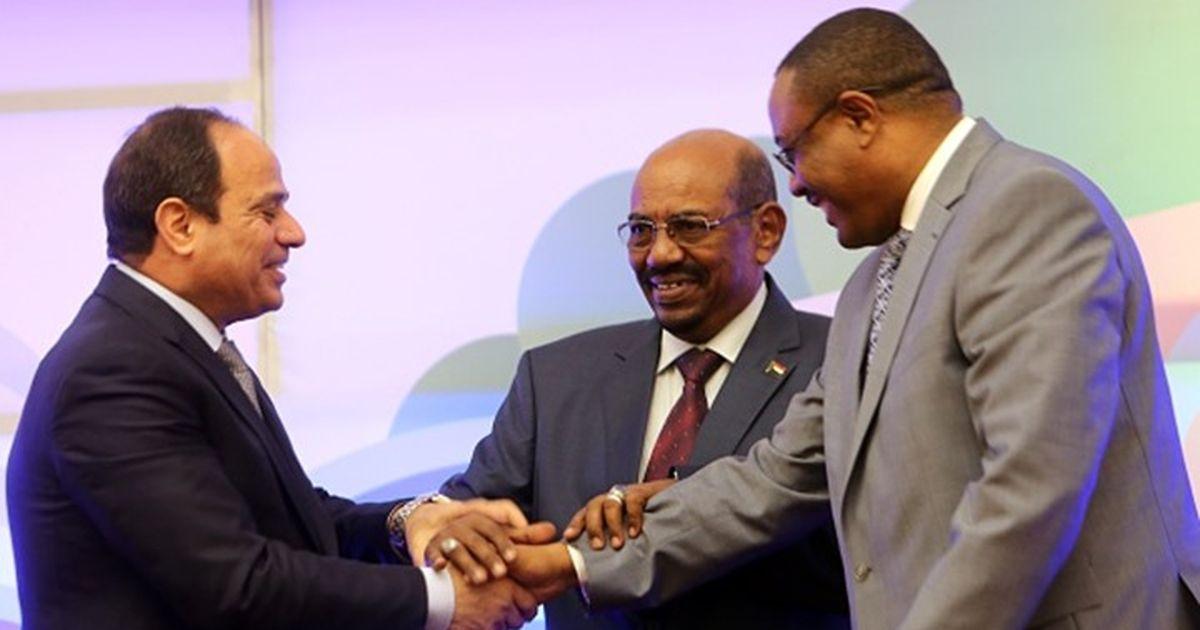
The African Union has stepped directly into the escalating diplomatic confrontation involving Ethiopia, Eritrea and Egypt, calling on all three governments to exercise maximum restraint and avoid actions or statements that could further destabilize the Horn of Africa. The intervention follows Eritrea's decision to sever diplomatic relations with Ethiopia and a widening dispute between Addis Ababa and Cairo that has now resulted in reciprocal expulsions of diplomats. The AU says it is prepared to support de escalation, dialogue and the peaceful resolution of differences as concern grows that overlapping disputes involving northern Ethiopia, Red Sea access, regional alliances and Nile water politics could deepen instability across the region.
The African Union has formally intervened in the rapidly escalating diplomatic confrontation involving Ethiopia, Eritrea and Egypt, urging all three countries to exercise maximum restraint as relations deteriorate across one of Africa's most strategically sensitive regions.
In a statement issued on October 1, the African Union Commission said it was closely following developments with concern and called on Ethiopia, Eritrea and Egypt to avoid actions or rhetoric capable of further escalating tensions.
The Commission emphasized the importance of preserving communication channels and urged the three governments to resolve their differences through established diplomatic mechanisms and peaceful dialogue.
The AU also said it stands ready, in consultation with the countries involved, to support efforts aimed at de escalation and the peaceful resolution of disputes.
The intervention represents an important new stage in a crisis that had initially centered on Ethiopia and Eritrea but has now widened to include Egypt.
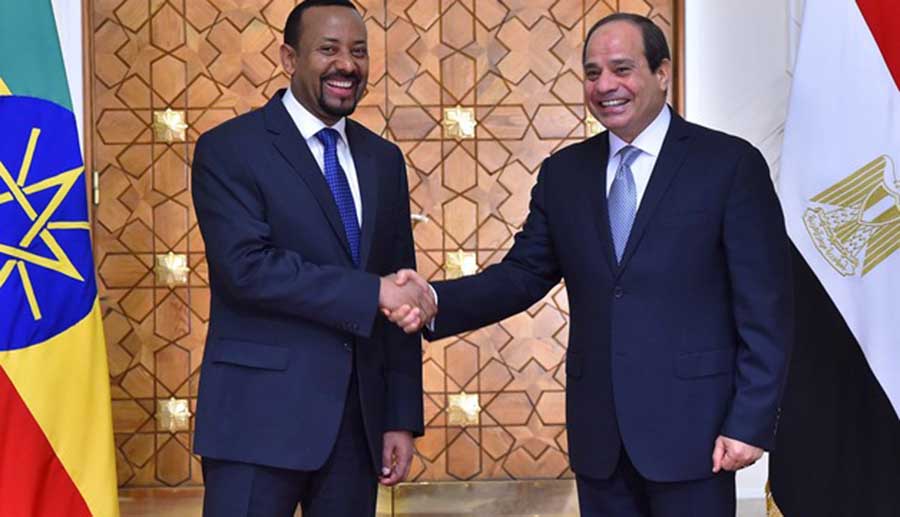
AU MOVES AS DIPLOMATIC CRISIS SPREADS
The African Union's involvement comes after a series of rapid diplomatic developments.
Ethiopia ordered the closure of its embassy in Eritrea and declared 10 Eritrean diplomats persona non grata, accusing them of activities it said threatened Ethiopian national security.
Eritrea rejected those accusations and responded by severing diplomatic relations with Ethiopia.
That alone represented one of the most serious breakdowns in relations between the two neighbors since diplomatic ties were restored in 2018.
The crisis has since expanded further.
Ethiopia also declared an Egyptian diplomat persona non grata and gave the diplomat 48 hours to leave the country.
Egypt responded by declaring a counselor at the Ethiopian Embassy in Cairo persona non grata and ordering the official to leave within the same 48 hour period.
The reciprocal expulsions have brought Cairo directly into a confrontation that had already raised fears of wider instability across the Horn of Africa.
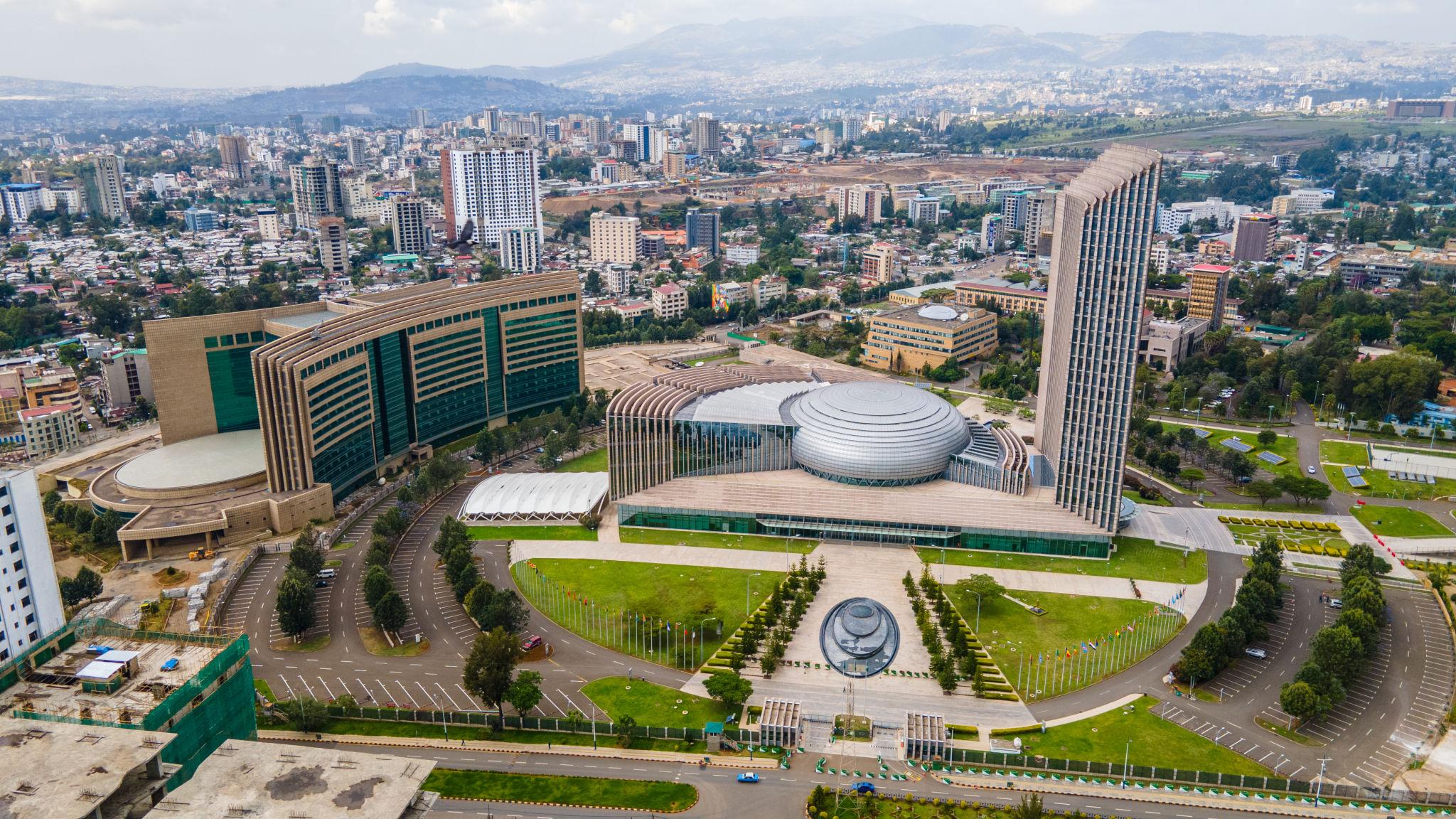
WHY THE AFRICAN UNION IS CONCERNED
The African Union's statement is significant because the organization is headquartered in Addis Ababa and has played a central role in previous efforts to contain conflict in Ethiopia.
The AU helped facilitate the Pretoria peace agreement signed in November 2022 between the Ethiopian federal government and the Tigray People's Liberation Front.
That agreement formally ended the most intense phase of the devastating Tigray war.
Recent fighting in northern Ethiopia has therefore raised fears that progress made under the Pretoria agreement could unravel.
The AU had already expressed concern in September about renewed tensions and military escalation in northern Ethiopia, including developments in Tigray and Afar.
Its latest intervention now extends beyond Ethiopia's internal conflict and addresses the deteriorating relationships among three African states.
ETHIOPIA AND ERITREA HAVE MOVED FROM ALLIES TO ADVERSARIES
The current confrontation between Ethiopia and Eritrea represents a dramatic reversal.
Prime Minister Abiy Ahmed and Eritrean President Isaias Afwerki restored diplomatic relations in 2018 after nearly two decades of hostility following the Ethiopia Eritrea border war.
Their reconciliation was internationally celebrated.
During the Tigray war, Eritrean forces later fought alongside Ethiopian federal troops against the TPLF.
However, the political relationship deteriorated after the Pretoria agreement.
Eritrea was not a party to that peace agreement, and disagreements involving Tigray, border security and Ethiopia's pursuit of greater access to the Red Sea gradually deepened tensions.
Those tensions have now escalated into a complete diplomatic rupture.
ETHIOPIA ACCUSES ERITREA OF SUPPORTING OPPOSITION FORCES
Addis Ababa has accused Eritrea of supporting an armed opposition alliance led by the TPLF.
Eritrea denies the allegation.
Ethiopia has also accused Egypt and Sudan of supporting forces opposed to the federal government.
Egypt has rejected accusations that it is working to destabilize Ethiopia.
These allegations remain disputed and should not be treated as independently established facts.
The competing claims nevertheless illustrate the extent to which Ethiopia's renewed internal conflict is becoming intertwined with wider regional rivalries.
EGYPT'S ENTRY CHANGES THE REGIONAL CALCULATION
The diplomatic confrontation with Egypt adds another layer to an already complex regional crisis.
Relations between Ethiopia and Egypt have been strained for years over the Grand Ethiopian Renaissance Dam on the Blue Nile.
Egypt depends heavily on the Nile for freshwater and has repeatedly argued that the operation of the dam should be governed by a legally binding agreement.
Ethiopia says the dam is essential for electricity generation and national development and maintains that it has the right to use the Nile's resources.
Years of negotiations involving Ethiopia, Egypt and Sudan have failed to produce a comprehensive agreement acceptable to all sides.
That unresolved dispute has contributed to mistrust between Cairo and Addis Ababa.
The latest diplomatic expulsions now add a direct political confrontation to those longstanding disagreements.
RED SEA ACCESS IS ANOTHER SOURCE OF PRESSURE
Ethiopia's desire for greater access to the Red Sea has also become an important regional issue.
Ethiopia has been landlocked since Eritrea became independent in 1993.
Addis Ababa has increasingly argued that dependable access to the sea is economically and strategically important for a country with a population exceeding 100 million.
Those statements have generated anxiety in neighboring countries, particularly Eritrea.
Asmara has treated Ethiopian discussions surrounding Red Sea access with deep suspicion.
The Eritrean port of Assab has frequently appeared in regional discussions because of its proximity to Ethiopia and its strategic location along a major maritime corridor.
Ethiopia says it seeks peaceful and negotiated arrangements.
Even so, the issue has added another source of tension to already fragile relations.
EGYPT ALSO HAS STRATEGIC INTERESTS IN THE RED SEA
Egypt's involvement further complicates this picture because Cairo has major security and economic interests in the Red Sea.
The Suez Canal remains one of Egypt's most important economic assets and one of the world's most significant shipping routes.
Instability around the Red Sea, the Horn of Africa or the Bab el Mandeb can therefore directly affect Egyptian interests.
Egypt has also strengthened diplomatic and security relationships with several countries in the region.
Against that background, worsening tensions among Ethiopia, Eritrea and Egypt are not isolated diplomatic disputes.
They intersect with maritime security, Nile water politics, military alliances and competition for influence across northeast Africa.
RECIPROCAL DIPLOMATIC EXPULSIONS ARE A SERIOUS SIGNAL
Declaring a diplomat persona non grata is one of the strongest formal diplomatic measures a government can take short of breaking relations completely.
Under international diplomatic practice, the host government does not have to provide a detailed public explanation before requiring a foreign diplomat to leave.
Such expulsions are sometimes used during political disputes to send a strong message while still preserving broader diplomatic relations.
The exchange between Ethiopia and Egypt therefore represents a significant deterioration even though the two countries have not severed relations.
By contrast, Eritrea has gone further by ending diplomatic relations with Ethiopia entirely.
WHY COMMUNICATION CHANNELS MATTER
The African Union specifically highlighted the importance of preserving channels of communication.
That point is particularly important during periods of military and diplomatic tension.
Governments need reliable ways to communicate intentions, clarify disputed incidents and prevent misunderstandings.
When embassies close and diplomats are expelled, those direct channels become weaker.
Countries may then rely on third parties or international organizations to transmit messages.
This can make crisis management slower and more difficult, especially when military forces are active near sensitive borders.
The AU's willingness to support dialogue could therefore become increasingly important if direct communication among the governments continues to deteriorate.
THE PRETORIA PEACE AGREEMENT IS UNDER PRESSURE
The renewed conflict in northern Ethiopia is another major concern.
The Pretoria agreement was designed to end hostilities between Ethiopia's federal government and the TPLF after a war that caused enormous humanitarian suffering.
The agreement created a framework for disarmament, humanitarian access and political normalization.
However, implementation has remained difficult.
Disputes involving territory, displaced populations and political authority have continued.
Renewed military escalation threatens to reverse gains made since 2022.
That matters beyond Ethiopia because Eritrea remains deeply connected to security developments in northern Ethiopia.
CIVILIANS COULD AGAIN BE CAUGHT IN THE MIDDLE
The greatest immediate risk remains the effect on civilians.
Communities across northern Ethiopia continue to recover from the previous war.
Many families were displaced, infrastructure was damaged and local economies were severely disrupted.
A prolonged renewal of fighting could create another humanitarian emergency.
If the conflict expands across borders or draws neighboring states more directly into military confrontation, displacement could spread further.
International humanitarian organizations could also face greater difficulty reaching affected communities.
THREE COUNTRIES WITH DIFFERENT BUT OVERLAPPING DISPUTES
The present crisis should not be understood as a single disagreement.
Ethiopia and Eritrea have disputes involving security, Tigray, border concerns and Red Sea access.
Ethiopia and Egypt remain divided over the Nile and the Grand Ethiopian Renaissance Dam.
Egypt and Eritrea have their own strategic interests in Red Sea security and regional diplomacy.
These issues increasingly overlap.
That creates a situation in which a confrontation arising from one dispute can quickly affect another.
The African Union's decision to address all three countries together reflects the increasingly interconnected nature of the crisis.
COULD THE AU MEDIATE?
The African Union has not announced a formal mediation process.
Its statement says the Commission is ready to support de escalation, dialogue and peaceful resolution in consultation with the countries concerned.
Whether that develops into formal talks will depend largely on the willingness of Ethiopia, Eritrea and Egypt to participate.
The AU has experience mediating African conflicts, including the negotiations that produced the Pretoria agreement.
However, mediation becomes more difficult when several disputes and several governments are involved simultaneously.
The organization would also need to maintain the confidence of all sides.
WHAT HAPPENS NEXT
Attention will now focus on whether the AU's intervention can prevent further diplomatic retaliation.
The departure of expelled diplomats from Ethiopia and Egypt will be closely watched.
Any additional embassy closures, military deployments or new accusations could indicate that tensions are continuing to escalate.
Another key question is whether the countries agree to use the African Union or another intermediary to begin direct discussions.
The AU's message is clear.
It wants Ethiopia, Eritrea and Egypt to stop the cycle of escalation before political disputes become a wider regional security crisis.
For now, diplomacy remains possible.
But with Eritrea and Ethiopia no longer maintaining normal diplomatic relations, Ethiopia and Egypt expelling each other's diplomats, and renewed fighting continuing in northern Ethiopia, the space for managing the crisis peacefully is becoming increasingly important.
The African Union's intervention may therefore represent the first significant attempt to prevent several overlapping disputes from developing into a broader confrontation across the Horn of Africa and the Red Sea region.