ALGERIA INAUGURATES EL FOULIA COMPLEX AS AFRICA’S SECOND-LARGEST SOLAR FARM TO TACKLE ENERGY CHALLENGES
Algeria has formally inaugurated the 300-megawatt El Foulia solar plant in El Oued province, which authorities describe as the country’s largest and Africa’s second-largest solar farm. The facility, built with Chinese participation and Algerian labour, had already been connected to the grid since summer and is part of a national programme targeting 15,000 megawatts of solar capacity by 2035. It is the third large solar plant commissioned in Algeria in 2026.
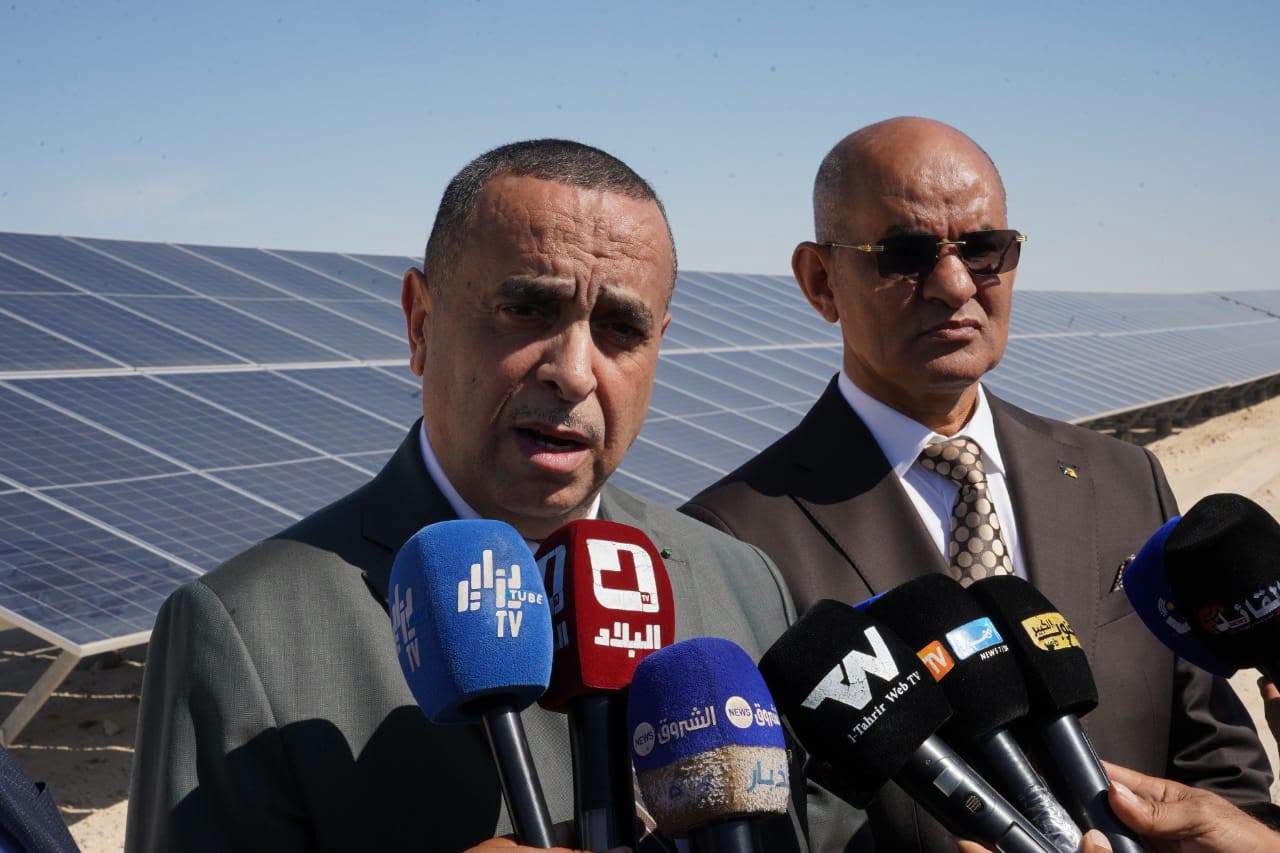
Algeria has officially inaugurated the El Foulia photovoltaic complex in the southeastern province of El Oued, bringing into formal service a 300-megawatt-peak solar plant that authorities describe as the country’s largest and the second-largest on the African continent. Energy and Renewable Energies Minister Mourad Adjal performed the inauguration on October 26, 2026, at the site in the municipality of Guemar. The facility, which spans approximately 600 hectares and contains nearly 650,000 solar panels across 69 secondary fields, had already begun feeding electricity into the national grid during the summer to help meet peak demand, but the October ceremony marked its formal commissioning.
The plant is owned by the state utility Sonelgaz and was constructed with the participation of the Chinese company China State Construction Engineering Corporation. Minister Adjal noted during the ceremony that while a Chinese partner was involved, the bulk of the construction work was carried out by Algerian labour and that day-to-day operation of the facility has been entrusted to national expertise. The project was completed in roughly 22 months. Officials from Sonelgaz’s renewable energy subsidiary briefed the minister on the plant’s equipment and on the process by which solar radiation is converted into electricity and injected into the national grid.
El Foulia is the third utility-scale solar plant to enter service in Algeria in 2026. It follows the 200-megawatt Tendla plant in El Meghaier province and the 200-megawatt El Ghrous plant in Biskra province, both of which were commissioned earlier in the year. Together the three plants have added 700 megawatts of new solar capacity. At the end of 2025, Algeria’s total installed solar photovoltaic capacity stood at 437 megawatts, according to international renewable energy statistics, meaning the three projects commissioned this year have substantially expanded the country’s operational solar base.
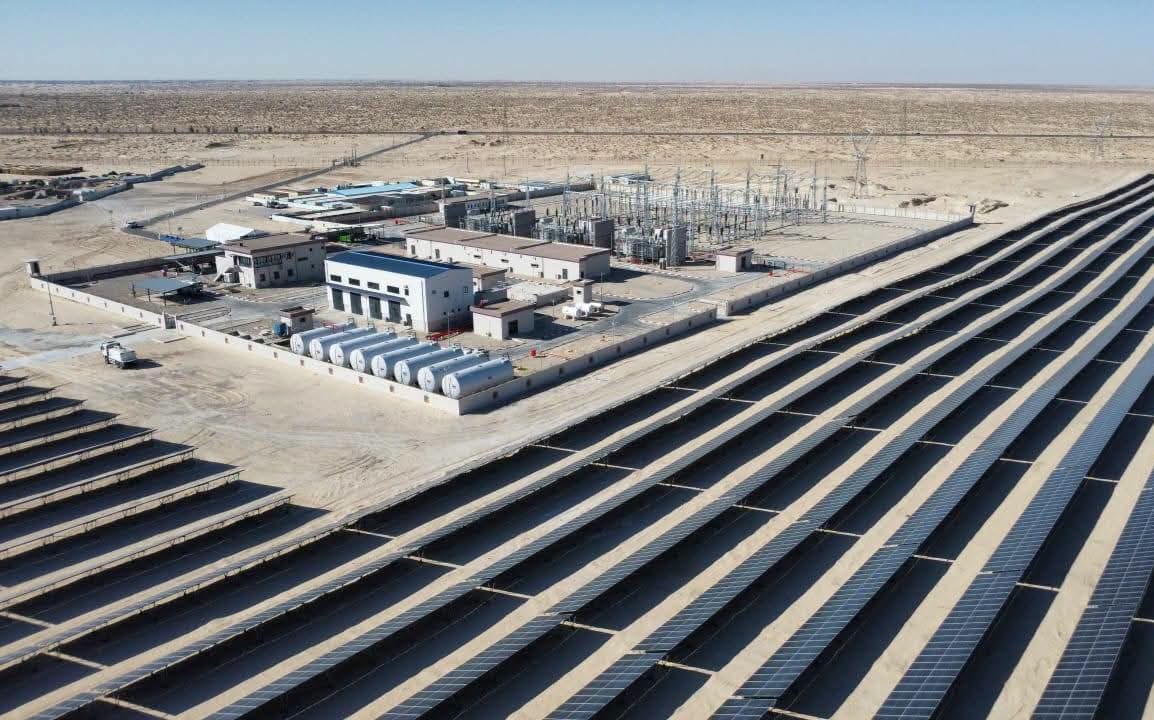
The facility forms part of Algeria’s national programme to reach 15,000 megawatts of solar photovoltaic capacity by 2035. An initial phase comprising approximately 22 projects with a combined capacity of 3,200 megawatts is currently under development across multiple provinces. The government has indicated that it aims to bring more than 1,400 megawatts of new solar capacity online by the end of 2026, with additional projects totalling roughly 2,400 megawatts scheduled for 2027. Two further plants in El Oued province itself, with capacities of 200 megawatts and 100 megawatts, are expected to enter service in the first quarter of 2027.
Algeria’s electricity mix remains overwhelmingly dependent on natural gas, which accounts for the large majority of generation. The expansion of solar capacity is intended to gradually reduce the volume of natural gas used for power production, freeing more of the resource for export or other domestic uses while strengthening security of supply during periods of high demand, particularly in summer when air-conditioning loads rise. The southeastern location of El Foulia, in a region that receives high levels of solar radiation, is consistent with the broader strategy of siting large photovoltaic plants in areas with favourable resource conditions.
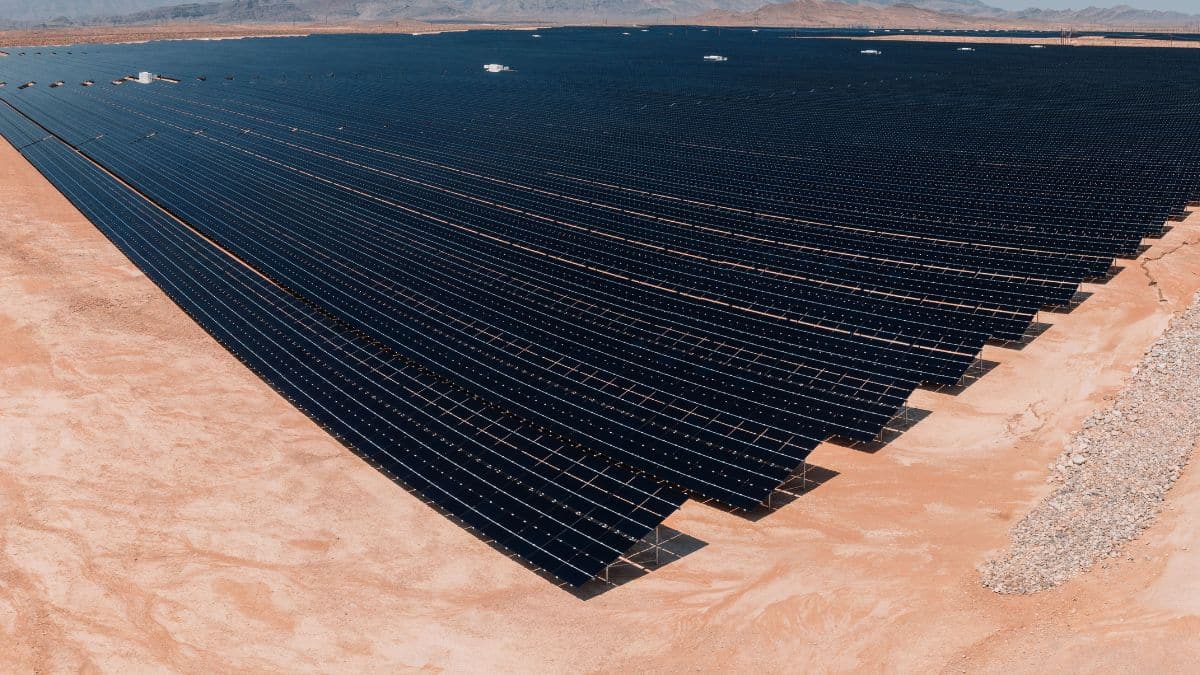
The claim that El Foulia ranks as Africa’s second-largest solar plant by installed capacity has been made by Algerian authorities, who have cited Egypt’s Benban complex as the largest. Independent verification of the precise continental ranking depends on the most recent operational data for other large facilities, but the 300-megawatt scale places El Foulia among the larger single-site solar installations currently operating in Africa. The plant’s output is connected to the national grid and is positioned as a contribution to baseload supply rather than a purely intermittent resource.
What is confirmed is that the El Foulia plant has been formally inaugurated with a capacity of 300 megawatts peak, that it is Algeria’s largest operational solar facility to date, that it was built on 600 hectares with approximately 650,000 panels, and that it forms part of a multi-year programme targeting 15,000 megawatts of solar capacity by 2035. What remains subject to ongoing operational performance is the actual annual energy yield, the degree to which the plant reduces natural-gas consumption for power generation, and the pace at which the remaining projects in the national programme reach commissioning. The inauguration advances Algeria’s stated objective of diversifying its electricity mix while the majority of generation continues to rely on natural gas.