

BANK OF GHANA ARRESTS SEVEN IN ACCRA AND SAYS A CEDI BOUQUET IS NOW A CRIME
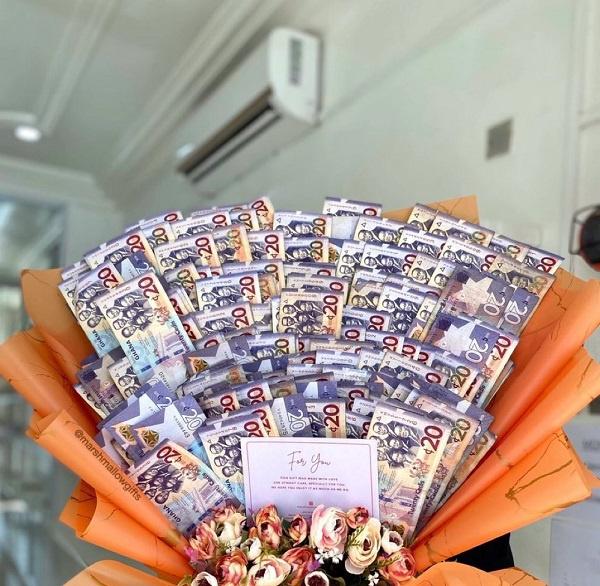
Seven people were arrested at different locations in Accra for turning cedi banknotes into bouquets and cakes sold as gifts. The Bank of Ghana said the raids were run with the police to protect the currency. Dinah Bonzi, of the Currency Management Department, said notes used at weddings, birthdays and graduations are still legal tender, and that aiding or promoting the trade can bring arrest. The seven are to be prosecuted. No law section was read out.
The Bank of Ghana has arrested seven people in Accra for folding cedi notes into bouquets and cakes, and it has told the public that the gift on the table at a wedding can now be an offence.
The raids were run with the Ghana Police Service. The seven were picked up at different locations after they were found producing the arrangements for sale. The central bank said the exercise is meant to protect the integrity of the currency and to stop misuse, abuse or physical alteration of notes and coins. The seven are to be prosecuted. Dinah Bonzi, head of the statistics office at the Currency Management Department, said the sanctions under the law can be fines or imprisonment. She did not read out a section number.
“The Bank of Ghana wishes to issue a warning to the general public for using banknotes and coins to create money bouquets, money cakes for weddings, for birthdays, for graduations, and other similar events, which constitutes the misuse and abuse of the currency and is illegal and unlawful,” Bonzi said. She added that a note presented as a gift is still legal tender. “The Ghana cedi is a legal tender of the Republic of Ghana and must be treated with respect. The misuse or abuse of the currency is an offence and may attract sanctions under the law.”
The warning is wider than the people with the glue and the ribbon. Bonzi said the bank will also go after anyone who aids, promotes or facilitates the trade. “Persons found engaging in, aiding, promoting or facilitating such acts will be arrested and prosecuted by the appropriate law enforcement agencies,” she said. “Today’s arrest should serve as a clear warning to the public. Let us all handle the Ghana cedi with dignity.

The practice she described is now ordinary at Ghanaian events. Notes are fanned into flowers, stacked into a cake, pinned to a board, or sprayed over a couple. The bank has warned before against spraying, scattering, stepping on notes, writing on them, and cutting or stapling them into decorations. Its case is practical as well as legal. A note that has been glued, folded tight or written on comes back to the till damaged. Damaged notes leave circulation sooner. The bank then prints replacements. A bouquet sold for profit is, in the bank’s reading, a commercial use of legal tender that the law does not allow.
What the bank has not published is the charge sheet. It has not named the seven. It has not said which Accra neighbourhoods were searched, what value of notes was seized, or which Act will be cited in court. “From here they will be prosecuted,” Bonzi said. Until a court list appears, the offence is the one she described, not a verdict.
The line for customers is the one the bank drew. Paying a vendor in cedis is lawful. Building a product out of the notes, and selling that product, is the act it has now arrested people for. A guest who orders the bouquet, and a business that advertises it, are inside the group Bonzi said can be charged. The seven in Accra are the first public names in custody. They are not the last if the weddings this month keep the trade open.