BURKINA FASO ISSUES ARREST WARRANTS FOR JOURNALISTS, ACTIVISTS AND FORMER OFFICIALS OVER ALLEGED TERRORISM OFFENCES
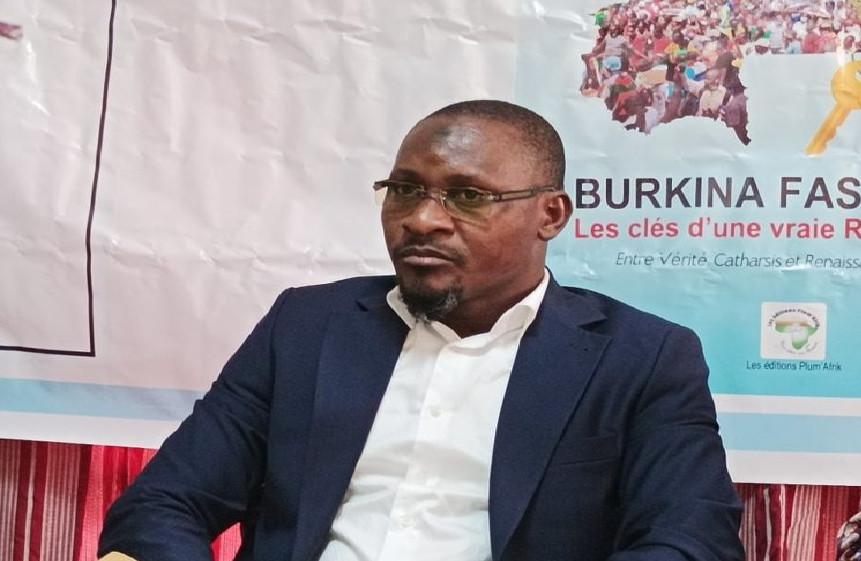
Burkina Faso has issued 14 arrest warrants with extradition requests and seven additional warrants against journalists, activists, former officials and ex-military officers over alleged terrorism-related offences. Prosecutor General Désiré Sawadogo said more than 45 individuals and legal entities are being investigated for accusations including terrorism financing, membership of terrorist organisations, glorification of terrorism and incitement to rebellion. Those targeted include journalist Newton Ahmed Barry and former foreign minister Djibril Bassolé, while press freedom organisations have previously documented broader restrictions against journalists under Captain Ibrahim Traoré’s military government.
Burkina Faso has issued arrest warrants for journalists, activists, former government officials and ex-military officers accused of offences linked to terrorism, escalating concerns over the use of national security laws against critics of the military-led government of Captain Ibrahim Traoré. Prosecutor General Désiré Sawadogo announced in Ouagadougou on Friday, November 13, that 14 arrest warrants accompanied by extradition requests and seven additional warrants had been issued as part of investigations involving more than 45 individuals and legal entities. The cases are being handled by Burkina Faso’s specialised judicial division responsible for terrorism-related offences and represent one of the most expansive legal actions yet against exiled critics, media figures and former members of the political establishment.
Sawadogo said the individuals are being investigated over allegations that include complicity in forming a terrorist criminal organisation, financing terrorism, membership of a terrorist organisation, glorification of terrorism, incitement to rebellion, dissemination of material with terrorist content, defamation and actions allegedly intended to demoralise Burkina Faso’s armed forces. The prosecutor presented the measures as part of the government’s broader effort to confront terrorism and prevent support for armed groups that have destabilised large parts of the country for more than a decade. The allegations remain subject to investigation and judicial proceedings, and the issuance of an arrest warrant does not amount to a conviction.
Among the most prominent figures targeted is Newton Ahmed Barry, a veteran Burkinabè journalist who has worked as a commentator for Radio France Internationale and has previously spoken publicly about Burkina Faso’s deteriorating security situation. Barry has been a prominent critic of the country’s military authorities, and his reporting and commentary have repeatedly attracted official attention. His inclusion in the latest warrants is likely to deepen concern among international press freedom organisations that criticism of government security policy is increasingly being treated as a national security threat.
Former foreign minister Djibril Bassolé is also among those identified in the proceedings. Bassolé served as one of the most influential officials under former President Blaise Compaoré and was a central figure in Burkina Faso’s diplomacy before the fall of the Compaoré government in 2014. His inclusion demonstrates that the cases extend beyond journalists and activists and also touch former members of the political and security establishment.
Reports from Burkina Faso also identify journalists Issaka Lingani, Inoussa Ouédraogo and Adama Ouédraogo, widely known as Damiss, among individuals facing terrorism-related proceedings. Some of the people listed are believed to be outside the country, explaining why prosecutors have combined arrest warrants with requests for extradition through international judicial cooperation. The authorities have not publicly released full evidentiary files establishing the precise conduct attributed to every individual named.
The prosecution has also sought action against online activists and influential social-media personalities. Ivorian influencer Camille Makosso, who has millions of followers and has repeatedly criticised military governments in the Sahel, has been identified by Burkinabè authorities as another person they want investigated or prosecuted in his country of residence. Officials have said they hope Côte d’Ivoire will cooperate under international legal arrangements, although Makosso’s inclusion should not be interpreted as evidence that Ivorian authorities have accepted Burkina Faso’s allegations.
The prosecutor’s office has additionally requested assistance from Meta, the parent company of Facebook and other social-media platforms, as investigators attempt to identify administrators of pages accused of publishing material supportive of terrorism or hostile to the Burkinabè state. The move demonstrates how the government’s counterterrorism campaign is expanding into the digital information environment, where criticism of the authorities, military operations and the country’s security strategy frequently circulates.
Burkina Faso has been battling armed Islamist groups for roughly a decade, and the security crisis has displaced large numbers of people while leaving significant territory exposed to militant attacks. Successive governments have struggled to contain the insurgency, and dissatisfaction with the civilian government helped create the conditions for two military coups in 2022. Captain Ibrahim Traoré seized power in September of that year, promising to restore security and recover territory controlled or threatened by armed groups.
The military authorities have since placed counterterrorism at the centre of national policy and have mobilised tens of thousands of civilian defence volunteers to fight alongside regular troops. The government maintains that Burkina Faso faces an existential struggle against armed organisations and their supporters and argues that propaganda, financing and information operations can strengthen terrorist networks even where individuals are not directly involved in combat.
That security argument provides the context in which the latest warrants are being presented. Prosecutors say individuals who finance, promote or provide ideological support to terrorist organisations can contribute to instability just as directly as those who carry weapons. Under that interpretation, public statements, online posts and media commentary may come under investigation where authorities believe they cross the line from criticism into assistance or encouragement of armed groups.
Human rights and press freedom organisations have raised a very different concern. They argue that counterterrorism laws and emergency powers are increasingly being used against journalists, activists and political critics whose work challenges the government’s narrative about the security situation. The Committee to Protect Journalists has documented disappearances, forced military conscription, arrests, suspensions and other actions involving media professionals since Traoré took power.
The concern has been reinforced by several high-profile cases involving journalists who were detained after criticising government policy or reporting on security matters. In March 2025, journalists Guézouma Sanogo, Boukari Ouoba and Luc Pagbelguem were arrested after journalists’ associations criticised the treatment of media workers. They later appeared in videos wearing military uniforms in an undisclosed location alongside armed men, creating international concern that journalists were being forcibly deployed under Burkina Faso’s mobilisation laws.
CPJ later reported that the three journalists were released in July 2025, but the episode became one of the clearest examples of the pressure facing the country’s media. Other journalists, including Adama Bayala, Kalifara Séré and Alain Traoré, were also seized or conscripted during earlier periods of heightened government pressure on the press.
The case of investigative journalist Serge Atiana Oulon has attracted particularly intense international attention. Oulon, publishing director of L’Événement newspaper, was taken from his home in June 2024 after his publication investigated allegations involving the country’s security institutions. Burkinabè authorities later said he had been conscripted into military service, but Reporters Without Borders subsequently reported that former detainees said he was actually being held in an unofficial detention site in Ouagadougou and had allegedly suffered abuse.
African and international rights groups have repeatedly demanded information about Oulon and called for his release. The episode has contributed to wider concerns that people considered hostile to the military authorities may be detained outside normal judicial procedures while the government maintains that exceptional security measures are necessary because of the ongoing insurgency.
Burkina Faso’s government has defended many of its security policies by arguing that the country is effectively at war and that irresponsible reporting can compromise military operations or undermine public confidence in forces fighting armed groups. Officials have frequently accused some domestic and foreign media organisations of amplifying terrorist propaganda, exaggerating military losses or publishing information that could assist insurgents.
That dispute has led to restrictions on international media outlets as well as local journalists. France 24, Radio France Internationale, TV5 Monde and other foreign broadcasters have faced suspensions or restrictions during different periods under the military government. Authorities have argued that such measures are necessary when media organisations distribute information regarded as inaccurate or harmful to national security.
The latest announcement suggests that the confrontation may now be shifting from regulatory sanctions into criminal prosecution. Prosecutor General Sawadogo indicated that media organisations themselves could fall within the scope of investigations where authorities believe content amounts to glorification of terrorism or other prohibited conduct. France 24 was specifically referenced as being among media operations attracting scrutiny.
The move is significant because criminal terrorism allegations carry far more serious consequences than temporary broadcasting suspensions. If individuals living abroad are extradited to Burkina Faso and prosecuted under terrorism legislation, they could face lengthy imprisonment or other severe penalties depending on the charges ultimately filed and proven.
Extradition will not necessarily be straightforward. Countries receiving Burkinabè requests will have to consider their own laws, existing treaties and whether the alleged conduct would qualify as a criminal offence in their jurisdictions. Courts may also examine whether the requested individuals would receive a fair trial and whether the charges are political rather than genuinely criminal.
Journalists living in Europe or neighbouring West African states may therefore challenge extradition efforts where they argue that the allegations arise from protected speech rather than involvement in terrorism. Burkina Faso, in contrast, is expected to argue that the individuals are accused of specific criminal conduct and are not being pursued simply for criticising the authorities.
The evidentiary distinction will be important. A journalist who reports critically on military operations or interviews members of an armed organisation is not automatically a participant in terrorism. Prosecutors seeking extradition may therefore need to show evidence demonstrating that an accused person knowingly supported, financed or encouraged prohibited terrorist activity rather than merely reporting or commenting on it.
The government’s announcement comes against a broader political environment in which formal opposition activity has been heavily constrained. Political parties have faced restrictions and the military authorities have extended Burkina Faso’s transition timetable rather than returning rapidly to civilian rule. Traoré remains one of the most popular and polarising military leaders in the region, attracting strong support from citizens who view his administration as resisting foreign influence while also drawing criticism over civil liberties and political repression.
His government has shifted Burkina Faso’s international alliances significantly. The country has moved closer to Mali and Niger through the Alliance of Sahel States and reduced cooperation with France and some traditional Western partners. Russian security and diplomatic relationships have expanded, while the three Sahel governments have presented themselves as pursuing greater political and military sovereignty.
Supporters of that regional strategy argue that Burkina Faso’s military government deserves room to fight an extraordinarily difficult insurgency without foreign interference. They accuse some international media and advocacy organisations of ignoring improvements in military operations while focusing disproportionately on allegations against the government.
Critics respond that national security cannot justify indefinite suppression of independent journalism or the criminalisation of peaceful opposition. They argue that reliable information is particularly important during armed conflict because citizens need credible reporting about military operations, civilian casualties, corruption and government decision-making.
That tension now sits at the centre of the new terrorism warrants. The Burkinabè authorities describe their actions as law enforcement against individuals who allegedly support or glorify terrorism, while critics are likely to view at least some of the cases as another attempt to silence opponents and journalists operating outside the country.
The government has not publicly released enough evidence to independently determine the strength of the allegations against every person named. Responsible reporting therefore requires treating the accusations as allegations unless and until they are tested in court. The fact that an individual has previously criticised Traoré’s government does not prove that the terrorism allegations are fabricated, just as the government’s assertion that someone supported terrorism does not establish guilt without evidence.
The cases involving former military officers may differ substantially from those involving journalists or social-media commentators. Some former officers could be accused of involvement in alleged plots or support for armed organisations, while media figures may face allegations arising from statements, broadcasts or online activity. Combining all defendants under a single description could therefore obscure important differences in the evidence and legal accusations.
Former transition leader Lieutenant Colonel Paul-Henri Sandaogo Damiba is also involved in separate terrorism-related proceedings. Damiba, who himself came to power through a January 2022 coup before being overthrown by Traoré eight months later, has faced accusations from the current authorities involving alleged attempts to destabilise the government. His case remains under investigation and is distinct from the new warrants involving journalists and activists.
The inclusion of former officials such as Bassolé similarly shows that Burkina Faso’s current judicial campaign intersects with older political divisions dating back to the Compaoré era. Some figures who were powerful under previous governments have lived abroad for years and remain politically controversial inside the country.
For journalists, however, the main concern is whether critical reporting is increasingly being placed within the same legal framework as violent insurgency. CPJ has documented an extended decline in media freedom since the military takeover, including the disappearance of reporters, forced conscription, suspension of media organisations and pressure on journalists covering security issues.
Burkina Faso’s government has insisted that journalists are not above the law and that national security rules apply to everyone. Officials have argued that media workers can face legitimate legal consequences where they knowingly distribute information capable of assisting terrorist organisations or damaging military operations.
The challenge is determining where legitimate security protection ends and political censorship begins. International human rights standards allow governments to restrict certain speech directly connected to violence or terrorism, but such restrictions are generally expected to be necessary, proportionate and clearly defined. Broad interpretations of “glorifying terrorism” can become problematic if they criminalise legitimate criticism or reporting.
Online activism creates an additional legal challenge. Social-media users may publish commentary from outside Burkina Faso, while the government may consider their posts harmful to the country’s security. Cross-border digital speech can therefore generate jurisdictional disputes over whether Burkina Faso can prosecute someone who was not physically present in the country.
The request to Meta shows that investigators are seeking digital evidence and user information as part of that effort. Technology companies regularly receive government requests for data, but they assess such demands according to applicable law and company policies. Meta has not publicly confirmed the extent to which it will cooperate with the latest Burkinabè requests.
Regional governments will also face difficult decisions if Burkina Faso submits formal extradition requests. Côte d’Ivoire, for example, could be asked to take action involving individuals residing within its territory. Political tensions between Sahel governments and some coastal West African states may complicate cooperation even where legal frameworks exist.
The arrest warrants therefore have the potential to become a regional diplomatic issue rather than remaining a purely domestic judicial matter. If neighbouring states refuse extradition, Burkina Faso could accuse them of sheltering individuals it considers national security threats. If they cooperate, rights organisations may question whether defendants could face political persecution after being transferred.
The announcement also comes while Burkina Faso continues suffering deadly attacks by armed groups affiliated with al-Qaeda and Islamic State. Jihadist organisations have operated across rural areas, attacked military positions and targeted civilians, making security one of the most serious challenges facing any government in Ouagadougou.
The scale of that threat explains why counterterrorism remains politically powerful. Many Burkinabè citizens have experienced displacement, attacks or economic disruption linked to the insurgency, and strong government action against suspected collaborators can attract public support.
Yet successful counterterrorism also depends on public trust. Arbitrary detention or suppression of independent voices can undermine confidence in state institutions and make it more difficult to distinguish genuine security prosecutions from politically motivated cases.
For the Traoré government, the credibility of the latest proceedings will therefore depend heavily on the evidence eventually produced. Transparent court proceedings, access to lawyers and clear distinctions between protected speech and material support for armed organisations would help demonstrate that the cases are based on criminal conduct rather than political disagreement.
For journalists and activists, the announcement is likely to increase fear among those already operating in exile or under significant pressure. Several media professionals left Burkina Faso after earlier detentions and restrictions, and international organisations have warned that self-censorship is becoming increasingly common.
The possibility of international arrest warrants creates a new layer of uncertainty because leaving Burkina Faso may no longer guarantee protection from prosecution. Exiled critics could face legal restrictions, travel difficulties or extradition proceedings if warrants are circulated internationally.
The situation may also affect foreign media coverage of Burkina Faso. International outlets could become more cautious about using exiled Burkinabè commentators if those individuals are being accused of terrorist offences by the government. Conversely, the legal campaign may increase international interest in the country’s press freedom record.
The latest warrants therefore represent a significant escalation in the relationship between Burkina Faso’s military government and some of its most vocal critics. What began in earlier years with media suspensions, questioning and forced mobilisation has increasingly moved toward formal terrorism-related judicial proceedings against individuals inside and outside the country.
The government says these actions are necessary because terrorism is not limited to battlefield attacks and can include financing, propaganda and organised support networks. Critics argue that the same broad definitions could allow authorities to criminalise dissent.
The truth of the individual allegations will ultimately depend on evidence. The accused must be presumed innocent unless convicted, and each case should be judged separately based on the conduct prosecutors can prove.
What is already clear is that Burkina Faso’s struggle against armed groups is increasingly overlapping with a wider struggle over information, political criticism and the boundaries of acceptable speech. Journalists, activists and former officials now face some of the country’s most serious criminal accusations at a time when independent media space has already narrowed considerably.
Sawadogo’s announcement that more than 45 individuals and legal entities are under investigation suggests the current warrants may not be the end of the process. Additional names, charges or international requests could emerge as the anti-terror judicial unit advances its investigations.
The coming weeks will therefore be closely watched by press freedom organisations, governments in countries where the accused are living and international institutions concerned about Burkina Faso’s political transition. Much will depend on whether authorities disclose detailed evidence supporting the accusations and whether those facing prosecution are given access to independent legal representation and fair proceedings.
For Burkina Faso, the fundamental challenge remains unchanged. The government must confront an armed insurgency that has inflicted enormous suffering while also demonstrating that counterterrorism powers are not being used simply to eliminate criticism. The latest arrest warrants place that balance under renewed scrutiny and could become one of the most important tests yet of how far the Traoré administration is prepared to go in its campaign against people it accuses of assisting or promoting terrorism.