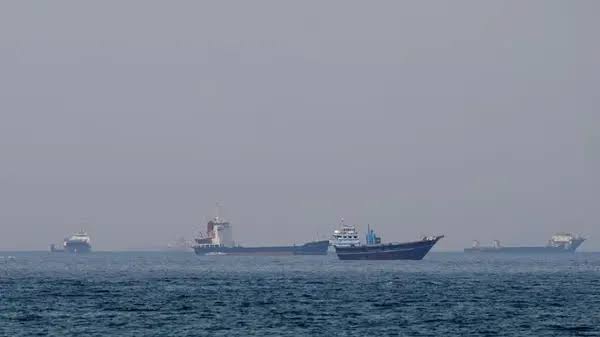

BURNHAM PUSHES FOR BRITAIN TO JOIN EU MADE IN EUROPE SCHEME
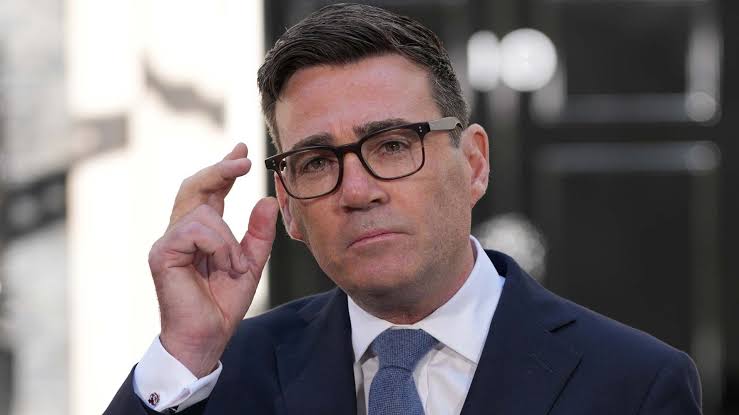
Prime Minister Andy Burnham says Britain will push to become a trusted partner in the European Union's Made in Europe initiative. The UK fears exclusion could create new trade barriers and disrupt British and European supply chains as the EU seeks to strengthen domestic manufacturing and reduce dependence on Chinese components.
British Prime Minister Andy Burnham says his government will push for the United Kingdom to become a trusted partner in the European Union's Made in Europe initiative, warning that excluding British manufacturers could create new trade barriers and disrupt closely connected supply chains.
Burnham outlined the government's position as he travelled to New York for his first United Nations General Assembly as prime minister.
The proposed European initiative is intended to give greater preference to goods manufactured within Europe in strategically important industries while reducing dependence on Chinese components and strengthening the continent's industrial base.
Britain, which left the European Union in 2020, is concerned that being treated in the same way as other non EU countries could leave British manufacturers at a disadvantage when competing for European contracts.
Burnham said Britain and the EU face many of the same industrial challenges and should work together rather than create new economic barriers.
BRITAIN WANTS TRUSTED PARTNER STATUS
Burnham said his government would argue that Britain should be considered a trusted partner under the European initiative.
The prime minister pointed to industries such as steel, where manufacturers in Britain and the European Union face similar pressures from global competition.
The government's objective is not EU membership through the programme but an arrangement allowing British manufacturers to participate without facing significant disadvantages created by European preference rules.
Britain's manufacturing sector remains closely connected to European production networks despite Brexit.
Components can cross borders several times during the production of vehicles, machinery and other manufactured goods.
The government fears new restrictions could therefore affect businesses on both sides of the English Channel.
MADE IN EUROPE TARGETS INDUSTRIAL DEPENDENCE
The Made in Europe initiative forms part of a wider European effort to strengthen domestic manufacturing and reduce dependence on overseas suppliers.
China is a particular concern because European industries rely heavily on Chinese manufactured components and critical materials.
European policymakers have been examining ways of directing procurement and industrial support towards products manufactured within Europe.
Strategic sectors including vehicles, defence and other major manufacturing industries could be affected.
Supporters argue that such measures could strengthen European industrial capacity and protect jobs.
However, countries outside the EU are watching closely because the rules could affect their ability to compete for European contracts.
UK FEARS NEW TRADE BARRIERS
British officials are concerned that UK products could effectively become less competitive if they fail to qualify under European preference rules.
The potential impact is particularly important because the EU remains one of Britain's largest trading partners.
British and European manufacturers also share complex supply chains established over decades of economic integration.
Burnham argues that imposing barriers between the two could weaken industries on both sides.
The government wants Britain recognised as a close European economic and security partner rather than treated like a more distant third country.
BURNHAM SEEKS CLOSER EU RELATIONSHIP
The push is part of Burnham's wider effort to strengthen Britain's relationship with the European Union.
His government inherited negotiations started under former Prime Minister Keir Starmer, whose administration sought to improve relations with Brussels following years of tension after Brexit.
Burnham has indicated that he wants those discussions to move faster.
The prime minister is expected to discuss Britain's economic relationship with European leaders as part of his international diplomatic programme.
A delayed UK and EU summit is also expected to form part of future negotiations.
PREVIOUS DEFENCE NEGOTIATIONS FACED SETBACK
Britain's efforts to secure closer participation in European programmes have not always succeeded.
Negotiations over British involvement in the EU's SAFE defence financing programme previously encountered difficulties.
That experience has increased the importance of negotiations over industrial cooperation.
The Made in Europe discussions could therefore become an important test of how far Brussels is prepared to integrate Britain into European economic initiatives while the UK remains outside the bloc.
SOME EU COUNTRIES SUPPORT UK PARTICIPATION
There is support among some European governments for allowing Britain to participate.
European diplomatic discussions reported in recent days indicate that several major member states see advantages in maintaining close industrial links with Britain.
However, there is not yet a final agreement among EU governments over how third countries should be treated under the proposed rules.
That means Britain's eventual status remains subject to negotiation.
CHINA COMPETITION DRIVES EUROPEAN POLICY
The initiative comes amid growing European concern about competition from Chinese manufacturers.
European policymakers have increasingly focused on reducing reliance on China for critical minerals, technology components and manufactured goods.
The EU is seeking to strengthen domestic supply chains while developing partnerships with countries it considers reliable economic and security partners.
Britain wants to position itself within that group.
Burnham's government argues that the UK's geographic proximity, security cooperation and existing industrial links with the continent make a strong case for special treatment.
NO AGREEMENT HAS YET BEEN REACHED
Britain has not secured participation in the Made in Europe programme.
Burnham's announcement represents the negotiating position his government intends to pursue with Brussels.
The eventual arrangement will depend on negotiations between Britain, the European Commission and EU member states.
For British manufacturers, the outcome could determine whether they retain relatively open access to important European supply chains and procurement opportunities as the EU strengthens its industrial preference policies.
For Burnham, the negotiations also represent an early test of his broader ambition to build a closer economic relationship with Europe while keeping Britain outside the European Union.