

CBN’S MASSIVE RATE CUT HITS TREASURY BILLS AS YIELDS TUMBLE AND ₦4 TRILLION CHASES ONE YEAR PAPER
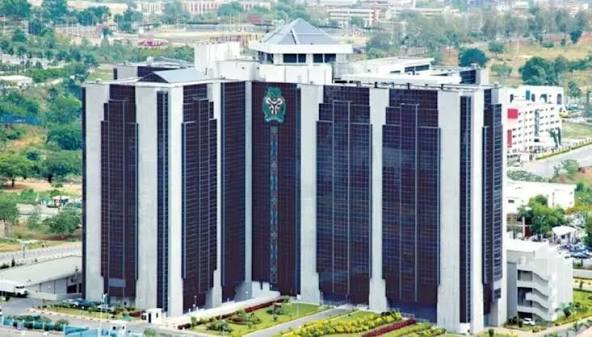
Nigeria's Treasury bill market has reacted sharply to the Central Bank's 350 basis point interest rate cut, with stop rates falling across all three maturities and investors pouring more than ₦4 trillion into the 364 day bill alone.
Nigeria's Treasury bill market has recorded a sharp decline in rates following the Central Bank of Nigeria's surprise 350 basis point monetary policy rate cut, signalling a rapid repricing of government securities as the country enters a new phase of monetary easing.
Results from the September 23 primary market auction showed stop rates falling across all three Nigerian Treasury Bill maturities.
The 91 day Treasury bill recorded the largest decline, dropping by 80 basis points to 15.50% from 16.30% at the previous auction.
The 182 day bill declined by 70 basis points to 15.80% from 16.50%.
The 364 day bill fell by 73 basis points, clearing at 15.89% compared with 16.62% previously.
The declines came just one day after the Central Bank's Monetary Policy Committee reduced Nigeria's benchmark Monetary Policy Rate from 26.5% to 23%.
The 350 basis point adjustment represents a significant shift in the direction of Nigerian monetary policy after an extended period of elevated interest rates.
The Central Bank confirmed that its Monetary Policy Committee took the decision at its September 21 and 22 meeting.
Alongside resetting the MPR at 23%, the committee recalibrated its standing facilities corridor to 50 basis points above and 300 basis points below the benchmark rate.
It retained the Cash Reserve Requirement for deposit money banks at 45%, while the requirement for merchant banks remained at 16%.
The impact of the policy change was quickly reflected in the Treasury bill market.
The Debt Management Office, working with the Central Bank, offered ₦600 billion worth of Treasury bills across the three maturities at Wednesday's auction.
Investors submitted approximately ₦4.23 trillion in total bids.
Demand was overwhelmingly concentrated in the 364 day instrument.
Investors submitted approximately ₦4.09 trillion in bids for the one year bill despite only ₦400 billion being offered.
That represented demand of more than 10 times the amount initially placed on offer.
The government ultimately allotted approximately ₦447.07 billion of the 364 day bills at a stop rate of 15.89%.
The situation was markedly different at the shorter maturities.
The 91 day bill attracted approximately ₦54.93 billion in subscriptions against ₦100 billion offered, while about ₦11.03 billion was allotted.
For the 182 day bill, investors submitted approximately ₦82.23 billion in bids against ₦100 billion offered, with about ₦39.49 billion allotted.
Overall allotment across the three maturities stood at approximately ₦497.59 billion.
The latest auction provides an early indication of how quickly Nigeria's fixed income market is responding to the Central Bank's change in monetary policy.
Treasury bill yields had remained elevated through much of the year as tight monetary policy and high benchmark interest rates supported returns on government securities.
The 364 day Treasury bill, for example, reached a stop rate of 17.70% at the July 8 auction.
Its latest rate of 15.89% represents a substantial decline from that level.
For the Federal Government, falling Treasury bill rates can reduce the cost of short term domestic borrowing.
Government effectively pays investors to borrow through Treasury bills, meaning lower yields can translate into lower financing costs when new securities are issued.
For investors, however, the same movement means lower returns on newly issued Treasury bills.
That could gradually influence how institutional and individual investors allocate money between government securities, bank deposits, equities, corporate debt and other financial assets.
The scale of demand for the 364 day bill suggests investors are still willing to lock money into government securities despite declining rates.
It may also reflect expectations that yields could fall further if monetary easing continues.
The CBN's decision does not automatically mean commercial lending rates will immediately decline by the same magnitude.
Banks consider several factors when setting lending rates, including funding costs, credit risk, operating expenses and regulatory requirements.
The Manufacturers Association of Nigeria has already cautioned that businesses may see limited immediate benefits if commercial lending rates remain elevated despite the lower policy rate.
The Lagos Chamber of Commerce and Industry welcomed the rate reduction but similarly called for complementary measures that would allow monetary easing to translate into more affordable credit for businesses.
For Nigeria's financial markets, however, the first reaction has been unmistakable.
Government Treasury bill rates have moved sharply lower, while extraordinary demand for the 364 day instrument shows investors are repositioning after the Central Bank's biggest monetary policy shift in the current cycle.
The coming auctions will provide a clearer indication of whether the September decline marks the beginning of a sustained downward movement in Nigerian fixed income yields or an immediate repricing following the CBN's 350 basis point adjustment.