
DANGOTE'S PROPOSED KENYA REFINERY HIT BY FRESH LEGAL CHALLENGE
Aliko Dangote’s planned $16 billion oil refinery in Kenya is facing a fresh challenge after the Consumers Federation of Kenya petitioned authorities to review the government’s proposed participation in the project. The consumer rights group is seeking disclosure of details surrounding the approval process, procurement route, Kenya’s proposed equity stake, public funding arrangements and any government guarantees or commitments attached to the refinery. The challenge comes only days after President William Ruto and Dangote attended the project’s groundbreaking in Lamu. It is separate from an existing land dispute involving residents who claim interests in part of the proposed refinery site.
Aliko Dangote’s proposed multibillion dollar oil refinery in Kenya is facing a fresh legal and regulatory challenge as a consumer rights organization demands greater transparency over the government’s financial and institutional involvement in the project.
The Consumers Federation of Kenya, known as COFEK, has petitioned the Public Private Partnerships Petition Committee to review Kenya’s proposed participation in the Dangote East Africa Oil Refinery and Petrochemical Complex planned for Lamu.
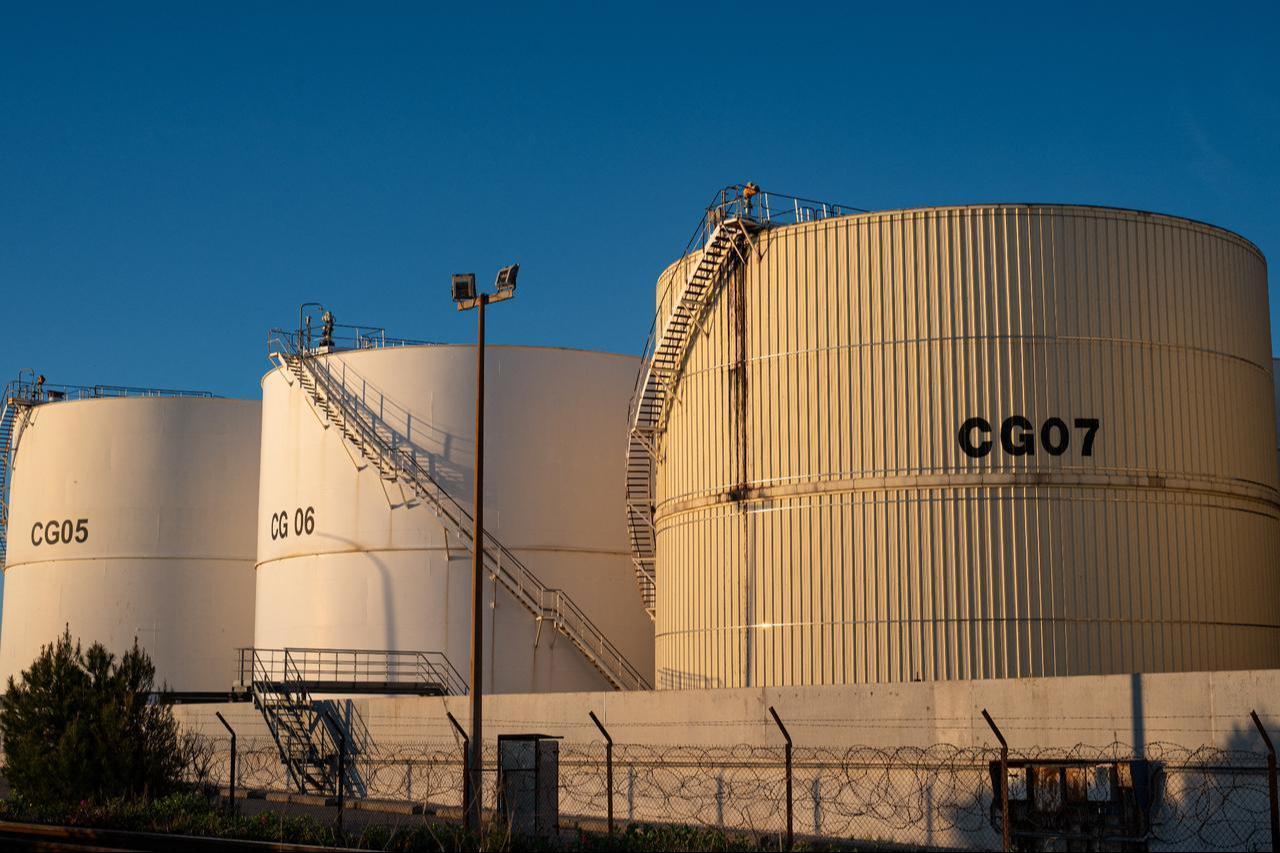
The refinery is expected to cost about $16 billion and is designed to process as much as 700,000 barrels of crude oil per day.
If completed, it would rank among the largest refining projects in Africa.
COFEK WANTS GOVERNMENT RECORDS DISCLOSED
COFEK is asking authorities to disclose how the project was approved and what procurement process was followed.
It is also seeking details on which government institution was authorized to enter into the proposed arrangement with Dangote Industries.
The consumer group wants access to project appraisals, due diligence documents, financial risk assessments, legal clearances and information about public participation.
Its petition focuses heavily on how much financial exposure Kenyan taxpayers may ultimately carry.
KENYA'S PROPOSED 10% STAKE UNDER SCRUTINY
Kenya has been offered a proposed 10% stake in the refinery.
Public disclosures have valued that stake at approximately $500 million, or about KSh65 billion.
COFEK is asking how that valuation was determined.
It also wants details of the proposed shareholding structure, including the class of shares, payment terms and the legal vehicle through which the government would hold its stake.
Those questions are particularly important because the refinery is being presented partly as a strategic national investment.
QUESTIONS OVER KSH21.5 BILLION SEED CAPITAL
COFEK is also seeking clarity over a reported KSh21.5 billion allocation linked to the project.
The consumer group says an allocation does not necessarily mean money has already been committed or paid.
It wants authorities to distinguish clearly between money budgeted, money contractually committed and money already disbursed.
That distinction could determine the extent of the government’s current financial exposure.
PETITION DOES NOT ALLEGE CORRUPTION
COFEK chairman Stephen Mutoro has stressed that the petition is not an accusation of corruption or secret ownership.
Instead, the organization says it wants documentation showing how the transaction has been structured.
The group argues that a project of this scale should be subject to public scrutiny because state resources and future taxpayer obligations may be involved.
GOVERNMENT SUPPORT ARRANGEMENTS ALSO QUESTIONED
COFEK is also asking whether the Kenyan government has committed to other forms of support.
Those could include fuel offtake agreements, guaranteed electricity purchases, market protection measures, infrastructure commitments or revenue guarantees.
Any such arrangements could affect the financial risk carried by taxpayers.
The group says these terms need to be disclosed before the true public cost of the project can be assessed.
REFINERY GROUNDBREAKING WENT AHEAD
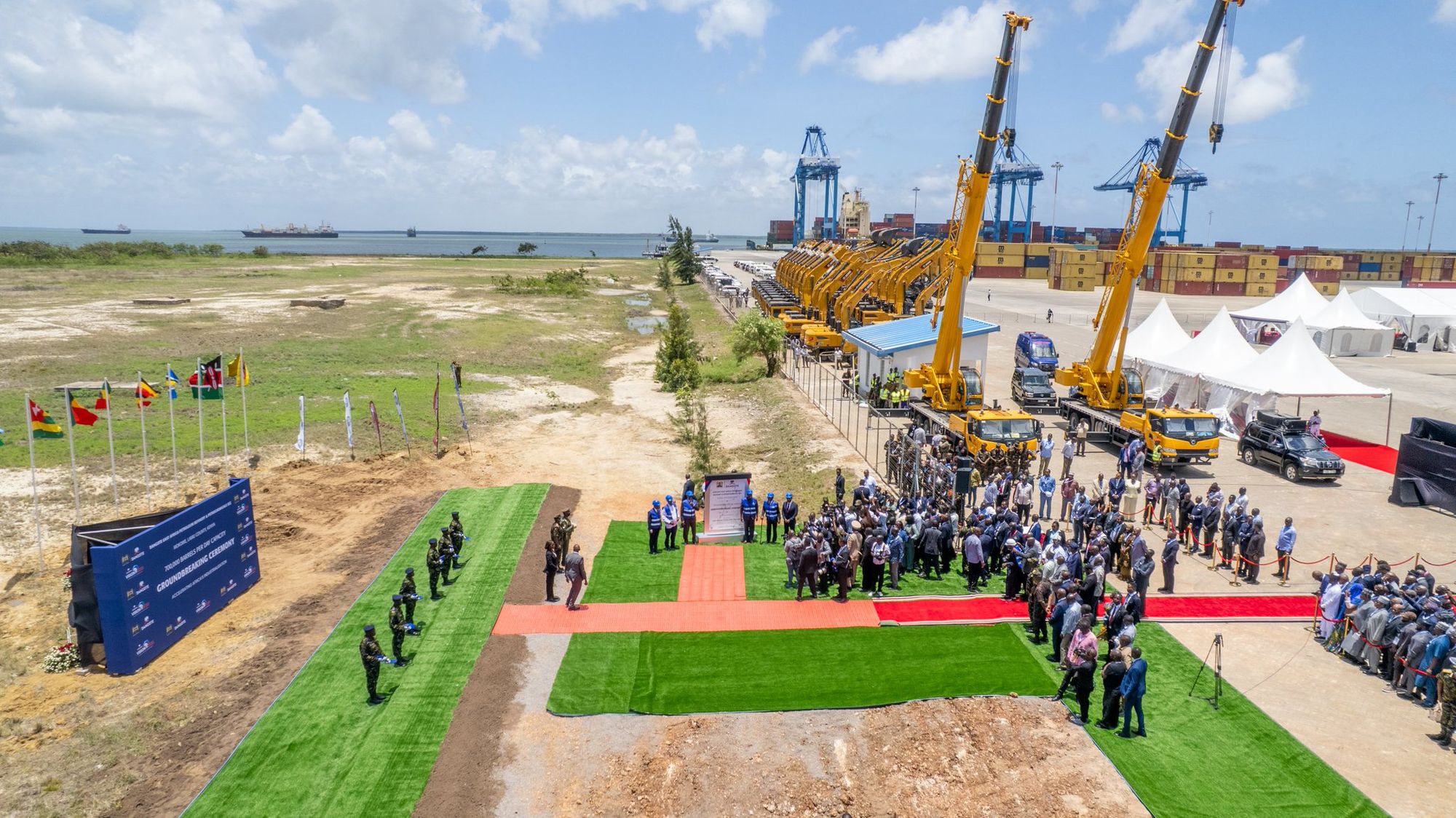
The challenge comes immediately after the refinery’s official groundbreaking.
President William Ruto and Aliko Dangote attended the ceremony in Lamu on September 30.
The event marked the formal launch of a project that Dangote says could transform East Africa’s fuel supply system.
The planned refinery is intended to serve Kenya as well as neighboring markets.
DANGOTE SAYS PROJECT IS ADVANCING
Only days before the latest challenge, Dangote said the Kenyan project was moving forward.
The refinery site had been selected.
Soil testing was underway.
Engineering and design work had already begun.
Dangote has also selected Honeywell Technologies to provide engineering services, licensing and equipment for the project.
These steps show that the refinery has progressed beyond an early concept stage.
SECOND MAJOR LEGAL OBSTACLE
The COFEK petition is separate from an existing court dispute involving land.
A group of 133 residents from Chandavai moved to the Malindi Environment and Land Court claiming interests in land identified for the project.
They raised concerns over ownership, compensation and resettlement.
Justice Jane Onyango ordered that the existing situation on the disputed parcel be maintained until October 14, when the case is due to return to court.
COURT DID NOT STOP GROUNDBREAKING CEREMONY
The court did not grant an application to stop the September 30 groundbreaking ceremony.
That allowed the official launch to proceed.
However, the status quo order may affect physical work on parts of the disputed land.
Dangote has said the court case would not stop the overall project but acknowledged it could affect certain site activities.
DANGOTE SAYS HE IS READY FOR LEGAL CHALLENGES
Dangote has publicly dismissed concerns that litigation will derail the project.
He has said his companies are accustomed to dealing with court challenges on large industrial developments.
The businessman has pointed to previous disputes involving projects elsewhere in Africa.
His position is that legal challenges should be resolved through the courts while the broader investment proceeds.
RUTO HAS ALSO DEFENDED THE PROJECT
President William Ruto has strongly supported the refinery.
He argues that the project could transform Lamu into a major industrial and energy hub.
The Kenyan government has presented the investment as part of a strategy to reduce dependence on imported refined petroleum products.
Kenya currently imports most of its finished fuel requirements.
WHY THE PROJECT MATTERS FOR KENYA
Kenya does not currently operate a large scale crude oil refinery capable of meeting domestic demand.
The old Mombasa refinery stopped conventional refining years ago.
As a result, the country depends heavily on imported gasoline, diesel, jet fuel and other petroleum products.
A major domestic refinery could reduce that dependence.
It could also create opportunities to supply neighboring East African states.
EAST AFRICA IMPORTS LARGE VOLUMES OF FUEL
Countries across East Africa rely heavily on imported refined petroleum products.
Kenya plays a major role in regional fuel distribution through the port of Mombasa and pipeline infrastructure.
Uganda, Rwanda and other inland markets depend partly on supply chains running through Kenya.
A 700,000 barrel per day refinery would therefore have implications well beyond Kenya itself.
PROJECT SIZE IS EXTRAORDINARY
A refinery capable of processing 700,000 barrels per day would be exceptionally large.
Dangote’s existing refinery in Lagos has a capacity of about 650,000 barrels per day.
That facility is already the largest refinery in Africa.
The proposed Kenyan plant would be even larger.
This is one reason both governments and investors are paying close attention.
ESTIMATED COST REACHES $16 BILLION
Dangote has estimated the Kenyan project at roughly $16 billion.
That makes it one of the largest proposed private industrial investments in East Africa.
The financing structure is expected to include Dangote Group funds, bonds and equity investment.
East African governments have also been offered stakes.
The scale of the financing explains why questions about public participation have become politically important.
EAST AFRICAN GOVERNMENTS OFFERED 30%
Dangote has previously said regional governments could collectively take up to 30% of the project.
Kenya has been offered 10%.
Other East African governments could take additional stakes.
This approach could give governments a direct financial interest in the refinery.
It could also spread the cost and political risk across several countries.
KENYA COULD TAKE A LARGER STAKE
Kenyan Treasury Cabinet Secretary John Mbadi has indicated that Kenya could potentially increase its ownership if other regional governments do not take their full allocations.
That possibility makes transparency over valuation and payment terms even more important.
A larger stake would mean greater potential returns.
It could also mean greater financial exposure.
FUNDING COULD BE SPREAD OVER SEVERAL YEARS
Dangote has said participating governments would not necessarily be required to pay for their stakes immediately.
Payments could be structured over several years.
That could reduce immediate budget pressure.
However, long term commitments would still represent public obligations.
COFEK wants those terms disclosed.
ENERGY SECURITY IS A CENTRAL ARGUMENT
Supporters of the refinery say energy security is one of its biggest potential benefits.
East Africa remains vulnerable to disruption in global fuel markets.
Wars, shipping interruptions and refinery outages can quickly push regional prices higher.
Producing more fuel within East Africa could provide some insulation from external shocks.
LOCATION IN LAMU IS STRATEGIC
Lamu has been selected partly because of its port infrastructure and development potential.
The area forms part of Kenya’s broader LAPSSET Corridor project.
That initiative was designed to connect Lamu Port with transport and trade infrastructure extending into East Africa.
A major refinery could become one of the corridor’s largest industrial projects.
LAND QUESTIONS COULD DELAY CONSTRUCTION
The land dispute remains one of the most immediate risks.
Residents argue that some of the proposed project area overlaps land they have occupied or claim as ancestral property.
The government has disputed aspects of those claims.
President Ruto has said the land identified for the refinery belongs to the state.
Ultimately, courts may have to determine the rights of competing parties.
ENVIRONMENTAL APPROVAL WILL ALSO MATTER
A project of this scale would require extensive environmental assessment.
Refineries can affect air quality, water resources, coastal ecosystems and nearby communities.
Environmental licensing will therefore be one of the most important regulatory steps.
COFEK’s petition includes requests for documentation showing whether all necessary studies and approvals have been completed.
PUBLIC PARTICIPATION IS ALSO UNDER SCRUTINY
Kenyan law places significant emphasis on public participation in major government decisions.
COFEK wants evidence showing what consultation took place before commitments were made.
Residents near the proposed site have also demanded clearer information about compensation, relocation and environmental impacts.
These issues could become increasingly important as construction moves forward.
THE PROJECT HAS BECOME POLITICALLY SENSITIVE
Opposition politicians have also called for the government to disclose its agreement with Dangote.
Nairobi Senator Edwin Sifuna has invoked constitutional access to information provisions while demanding publication of the relevant documents.
Other lawmakers have said investment should be welcomed but must still be transparent.
The political debate therefore extends beyond whether the refinery itself is desirable.
It now includes questions about how the deal was negotiated.
TRANSPARENCY COULD DETERMINE PUBLIC SUPPORT
Large infrastructure projects often depend on public confidence.
A refinery may create jobs and improve energy security.
But if communities believe agreements are secret or financial commitments are unclear, resistance can increase.
Providing contracts, valuations and environmental information could reduce speculation.
A lack of disclosure could have the opposite effect.
DANGOTE'S AFRICAN ENERGY AMBITIONS ARE EXPANDING
The Kenyan project is part of a much larger expansion by Dangote.
His Lagos refinery has transformed Nigeria’s refining sector.
The group has also expressed interest in additional energy investments across Africa.
A successful Lamu refinery would extend Dangote’s fuel processing footprint deep into East Africa.
HONEYWELL HAS JOINED THE PROJECT
Honeywell Technologies has been selected to provide engineering and technical support.
Its involvement adds a major international industrial partner to the project.
The company is expected to provide technology licensing, equipment and engineering services.
That indicates that detailed technical planning is already underway.
THE LEGAL CHALLENGE DOES NOT AUTOMATICALLY CANCEL THE REFINERY
The filing by COFEK should not be interpreted as an order shutting down the project.
The petition seeks review and disclosure.
The PPP Petition Committee will need to consider the issues raised.
It may request documents or examine whether statutory procedures were followed.
The outcome could affect the structure or timing of Kenya’s participation.
It does not currently amount to a final ruling that the refinery is unlawful.
LAND CASE IS ALSO NOT A FINAL DECISION
The separate court order involving the disputed land is similarly temporary.
The court has ordered the status quo maintained until the next hearing.
It has not issued a final judgment establishing ownership.
That means both the government and residents still have legal arguments to present.
WHAT HAPPENS NEXT
Attention will now shift to the Public Private Partnerships Petition Committee.
The committee may require government agencies to produce documentation relating to the proposed investment.
The Malindi Environment and Land Court is also expected to revisit the separate land dispute on October 14.
Meanwhile, Dangote Group is expected to continue engineering and planning work where legally permitted.
The project therefore remains alive.
But its legal environment has become considerably more complicated.
Only days after a high profile groundbreaking ceremony, Kenya’s proposed participation is now under formal scrutiny.
The key questions are no longer only whether Dangote can build one of Africa’s largest refineries in Lamu.
They are also how the Kenyan government entered the deal, how much public money may be committed, what protections taxpayers have and whether the affected communities and public were given adequate information.
Those questions could shape how quickly the project moves from ceremonial groundbreaking to actual construction.