EBOLA COULD FORCE POSTPONEMENT OF 2027 ELECTIONS IF OUTBREAK WIDENS NCDC DG
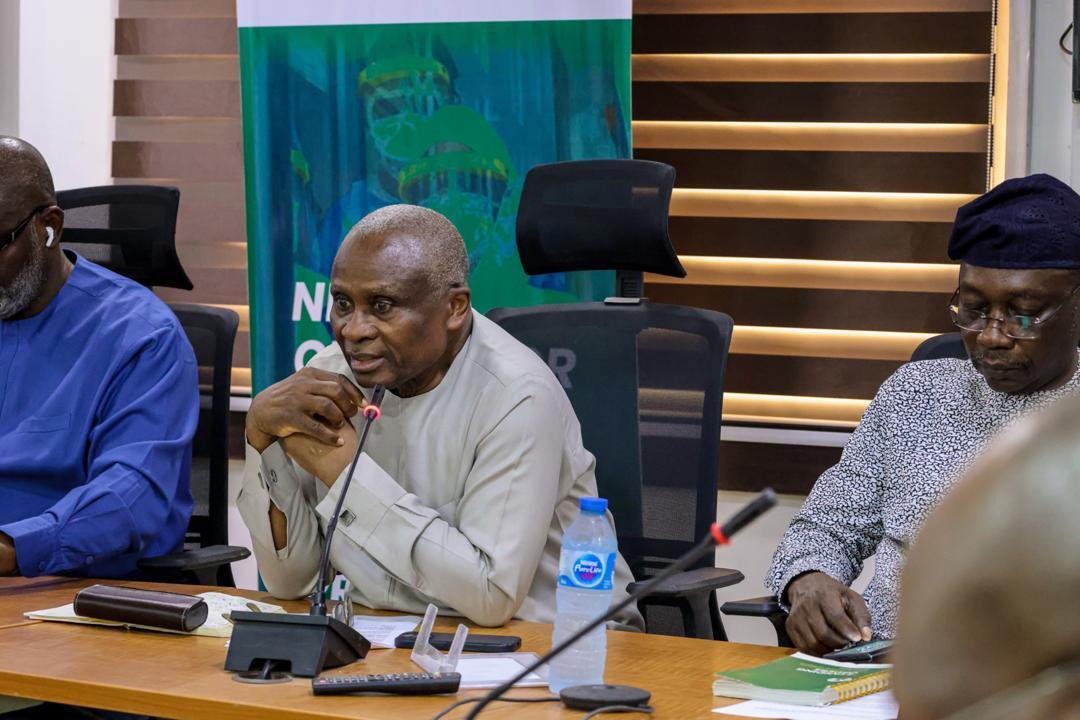
NCDC Director-General Jide Idris says Nigeria’s 2027 general elections could potentially be reconsidered if Ebola transmission becomes widespread enough to create a major public-health emergency, but he stressed that there is currently no need to postpone voting. Nigeria has confirmed one imported Bundibugyo Ebola case and is monitoring 54 primary contacts, with no confirmed secondary transmission reported in the latest official updates. INEC, not the NCDC, has legal authority to postpone elections under emergency provisions of the Electoral Act. The presidential and National Assembly election remains scheduled for January 16, 2027, followed by governorship and state assembly elections on February 6.
Nigeria Centre for Disease Control and Prevention Director-General Dr. Jide Idris has said a major escalation of the country’s Ebola situation could force authorities to consider postponing the 2027 general elections, while stressing that Nigeria is nowhere near that point at present and that preparations for the polls should continue. Idris made the remarks during an appearance on Channels Television’s Politics Today on Monday as Nigeria intensified surveillance around its first confirmed Ebola case of the current regional outbreak. His comments have attracted political attention because the presidential and National Assembly elections are scheduled for January 16, 2027, less than three months away, but his central message was that postponement is currently neither necessary nor being recommended.
Idris said public-health officials hope the election will proceed as scheduled but acknowledged that an extremely widespread outbreak capable of making normal electoral activity unsafe could change the calculation. He told the programme that if the disease became sufficiently widespread, postponement might have to be considered, but immediately added that there was no present need for such a step. His statement was therefore conditional rather than an announcement that the government or electoral authorities are preparing to alter the election timetable.
That distinction is important because the NCDC does not have legal authority to postpone Nigerian elections. The Independent National Electoral Commission is the institution empowered under Nigeria’s Constitution and Electoral Act to organise elections and, in defined circumstances, postpone voting where an emergency makes the conduct of an election impossible or creates a serious threat to peace and safety. The NCDC could provide epidemiological advice and public-health assessments if the outbreak became severe, but an electoral decision would ultimately fall within INEC’s legal responsibilities.
Nigeria’s Electoral Act allows the commission to postpone an election where there are cogent and verifiable reasons to believe that voting cannot safely or practically proceed because of natural disasters or other emergencies. The law also allows INEC to suspend or reschedule voting in affected areas when substantial disruption makes continuation impossible. That framework means a severe infectious-disease emergency could potentially become relevant to the electoral timetable, but only if conditions deteriorated dramatically and INEC determined that the legal threshold for postponement had been reached.
There is currently no indication that such conditions exist. Nigeria has confirmed one Ebola case caused by the Bundibugyo virus, involving a 42-year-old woman who entered Nigeria after travelling through East Africa and later developed symptoms. The NCDC confirmed the infection on October 20 after testing at its National Reference Laboratory and activated its highest-level incident-management arrangements to coordinate contact tracing, surveillance, laboratory testing and infection-prevention measures.
The latest NCDC information shows that health authorities have identified 54 primary contacts linked to the patient. These include healthcare workers, household contacts and an e-hailing driver who transported the woman before her diagnosis. Many of the contacts are being quarantined or monitored closely, while some lower-risk contacts are self-isolating at home and providing regular temperature and symptom updates to health officials.
The number of monitored contacts rose from 53 to 54 on Monday after officials identified the additional driver. Idris said the contacts were being followed up because people exposed to Ebola can develop symptoms after an incubation period, making continued monitoring essential even when individuals initially appear healthy. He also said several contacts who developed symptoms or changes requiring additional testing had subsequently tested negative for Ebola.
Nigeria has not, at the latest confirmed update, reported sustained local transmission from the imported case. That point is crucial because a single imported infection with active contact tracing presents a very different public-health situation from a widespread outbreak involving multiple transmission chains across several states. The current response is therefore focused on preventing the imported infection from developing into wider community transmission.
The confirmed Nigerian case forms part of a much larger regional Ebola emergency involving the Bundibugyo virus. The World Health Organization reported on October 23 that sustained transmission remained severe in the Democratic Republic of the Congo, which has recorded thousands of cases and deaths during the outbreak. Kenya and Nigeria have both reported imported cases linked directly or indirectly to movements from the affected region, demonstrating how international travel can carry infections across borders even when neighbouring countries maintain surveillance systems.
Idris said Nigerian authorities had been monitoring the situation in the Democratic Republic of the Congo for months because of the possibility that the disease could eventually reach Nigeria through international travel. Nigeria has extensive air links and large movements of people across land, sea and airport entry points, making the prevention of every imported infection extremely difficult even with screening and preparedness measures. The NCDC had already placed national emergency structures on alert earlier in the year and repeatedly urged states to prepare isolation, laboratory and response capacity.
The appearance of the imported case therefore did not come entirely without warning. NCDC had assessed Nigeria as facing a significant risk of importation because of the outbreak in Central and East Africa and had strengthened surveillance at ports of entry before the case was confirmed. The challenge now is ensuring that the infection does not spread beyond the known contacts and that any person developing compatible symptoms is rapidly isolated and tested.
Idris also rejected suggestions that the Ebola situation could be deliberately used by the government as a political instrument ahead of the election. He said health authorities do not use disease outbreaks as political weapons and insisted that decisions made during the response would be guided by public-health considerations. His remarks came amid growing political debate over whether the outbreak might eventually affect campaigns, rallies or voting if conditions deteriorated.
The issue has already drawn reactions from opposition figures. Social Democratic Party presidential candidate Adewole Adebayo has argued publicly against postponing the election on the basis of the current Ebola situation, saying one confirmed imported case does not justify disruption of the national electoral calendar. His comments reflect wider concern among political actors that any discussion of postponement before widespread transmission has occurred could create unnecessary suspicion around the electoral process.
That political sensitivity makes precise language particularly important. Idris did not announce that the elections would be postponed, nor did he say that postponement was currently being recommended by the NCDC. He described a hypothetical scenario in which an uncontrolled and sufficiently widespread public-health emergency might require authorities to reassess whether large-scale voting could safely take place.
Nigeria’s official electoral calendar remains unchanged. INEC currently lists the presidential and National Assembly elections for January 16, 2027, while governorship and state House of Assembly elections are scheduled for February 6. Candidate lists, political campaigns and other electoral preparations are proceeding under that timetable, and INEC has issued no announcement indicating that either date is under review because of Ebola.
The election calendar places significant pressure on health authorities to contain the outbreak quickly because political campaigns involve exactly the type of mass gatherings that can complicate infectious-disease control if transmission becomes widespread. Campaign rallies, political meetings, travel by candidates and supporters and large numbers of people gathering at polling stations could require additional safety measures if Nigeria were experiencing active community transmission by January. At the current stage, however, health officials have not recommended cancelling campaigns or imposing nationwide restrictions.
Ebola does not spread as easily as airborne respiratory infections such as influenza or COVID-19. Transmission generally occurs through direct contact with the blood or other bodily fluids of an infected person who is symptomatic, or through contaminated objects and materials. This means prompt isolation, infection-control procedures, contact tracing and safe medical management can be highly effective in containing outbreaks when cases are identified early.
Nigeria has previous experience controlling Ebola under difficult circumstances. In 2014, an infected traveller arrived in Lagos from Liberia and triggered a transmission chain involving healthcare workers and other contacts. Intensive contact tracing, isolation and public-health interventions prevented a much larger outbreak, and the World Health Organization later declared Nigeria free of Ebola transmission after the required period without new cases.
The current Bundibugyo outbreak differs from the 2014 event in several important respects, including the virus species involved and the wider epidemiological environment across Africa. However, the fundamental containment strategy remains similar: rapidly identify cases, isolate infected people, monitor contacts, protect health workers and interrupt every possible transmission chain before community spread becomes established.
Nigeria’s present case involves the Bundibugyo virus rather than the Zaire Ebola virus responsible for much of the 2014 West African epidemic. Both belong to the broader group of Ebola viruses capable of causing severe disease, but they differ biologically and in the availability and evidence base surrounding vaccines and treatments. Health authorities are therefore relying heavily on surveillance, infection prevention and supportive clinical management while international partners assess available medical countermeasures.
The index patient has since been medically evacuated to Switzerland following consultations between Nigerian authorities and health officials involved in her care. Idris said the transfer was approved after assurances were provided regarding infection-control measures during the journey. Her departure from Nigeria does not end the country’s response because people exposed before her isolation remain within the incubation period and must continue to be monitored.
This is why Idris has cautioned that Nigeria is not yet “out of the woods.” Removing or transferring the confirmed patient does not eliminate the possibility that one of the contacts could later develop symptoms and test positive. Health authorities must continue monitoring until the relevant follow-up period has passed without secondary cases.
Nigeria could potentially declare the outbreak over in December if no further cases emerge and the necessary surveillance conditions are met. Under World Health Organization criteria, an Ebola outbreak can generally be declared over after 42 consecutive days have passed without a new confirmed case, provided appropriate surveillance and response requirements have been satisfied. Nigerian officials have said December 7 could become the relevant date if the country records no additional infections.
That timetable, if maintained, would place the possible end of the outbreak more than a month before the presidential and National Assembly election. Such an outcome would significantly reduce the likelihood that Ebola would interfere with voting. However, the date remains conditional on the absence of new transmission, meaning health authorities cannot yet assume that the outbreak has been contained completely.
The next several weeks will therefore be more important than current speculation over election postponement. Each monitored contact who completes the incubation period without infection reduces the risk of wider transmission, while any newly confirmed case would require another round of contact tracing and could extend the period before Nigeria can declare the outbreak over. The response will depend heavily on rapid reporting by contacts, healthcare-worker protection and public cooperation with quarantine and monitoring arrangements.
The wider regional situation also remains relevant even if Nigeria contains its current case. Sustained transmission in the Democratic Republic of the Congo means additional imported infections remain possible as long as people continue travelling between affected areas and Nigeria. Port-health authorities, airlines, laboratories and surveillance teams therefore have to remain alert even if all current contacts test negative.
The NCDC has previously emphasised that border closures alone are generally not sufficient to guarantee protection against infectious-disease importation. Effective surveillance requires cooperation between immigration officials, port-health services, airlines, state health authorities, hospitals and laboratories. Nigeria’s population size and extensive domestic transport network make early detection especially important because an undiagnosed case could potentially travel between cities before public-health authorities are alerted.
The election context adds another layer because political activity increases travel and crowd movement across the country. Candidates are already campaigning nationally, and supporters are attending rallies and political events as parties compete ahead of January. If Ebola remains limited to the single imported case and monitored contacts, those activities can continue under existing arrangements, but a substantial increase in confirmed cases would likely require additional guidance.
Public-health authorities would then have several options before any national election postponement became necessary. These could include restrictions in affected localities, stronger infection-control measures at political events, adjustments to voting procedures, additional protective equipment for electoral officials and targeted postponement in specific areas where safe voting became impossible. The Electoral Act permits INEC to respond to emergencies affecting particular areas rather than automatically cancelling a nationwide election.
This makes a nationwide postponement an exceptionally high threshold. Nigeria has 36 states and the Federal Capital Territory, so a local outbreak would not necessarily make it impossible to conduct elections throughout the entire country. Any future decision would have to consider the geographic scale of transmission, the danger to voters and electoral officials, the feasibility of mitigation measures and the constitutional deadlines governing the tenure of elected officials.
Idris’s remarks should therefore be understood as public-health contingency planning rather than a forecast of what will happen. Emergency agencies routinely consider scenarios that they hope will never materialise, particularly when dealing with diseases capable of severe illness and death. A responsible response requires authorities to think in advance about what would happen if containment failed, even while working aggressively to ensure that it does not.
The NCDC’s current priority remains containing the imported case and its associated contact network rather than electoral administration. The agency is monitoring people at risk, testing suspected infections, coordinating with state and federal health authorities and communicating preventive information to the public. Those actions will ultimately determine whether the hypothetical electoral concern raised by Idris ever becomes relevant.
Political leaders and media organisations also face a responsibility to avoid presenting conditional public-health planning as evidence that an election postponement has already been decided. Misrepresenting Idris’s statement could contribute to political distrust and unnecessary fear during an already sensitive election period. The factual position is that Nigeria has one confirmed imported Ebola case, active contact tracing is underway and the NCDC director says no election postponement is currently required.
The country’s experience in 2014 demonstrates that rapid containment is possible when health authorities, medical professionals and communities cooperate effectively. Nigeria’s response during that outbreak received international praise for extensive contact tracing and quick identification of transmission chains. The current response will be judged by whether the same discipline can prevent the Bundibugyo virus from establishing sustained transmission.
There are nevertheless reasons for continued vigilance. The patient moved through healthcare facilities before the diagnosis was confirmed, which created potential exposure opportunities among medical workers, domestic contacts and transport providers. The late identification of the e-hailing driver as another contact also demonstrates why investigations may continue to uncover additional people requiring monitoring even several days after a case is confirmed.
Health authorities have said that several potentially concerning contacts have already tested negative. Negative tests are encouraging, but contacts must still complete the appropriate follow-up period because infection may not be detectable immediately after exposure. Monitoring therefore remains necessary even when individuals feel well.
The WHO’s latest regional assessment shows that Nigeria’s case cannot be separated from the severe outbreak continuing elsewhere in Africa. Thousands of infections have been recorded in the Democratic Republic of the Congo, and international health agencies are supporting affected countries while monitoring risks to neighbouring states and travel destinations. Nigeria’s importation illustrates how quickly a regional epidemic can become an international public-health challenge.
At the same time, the presence of one imported case should not automatically be described as uncontrolled national spread. There is currently no confirmed evidence of multiple transmission chains across Nigeria, and describing the country as experiencing widespread Ebola transmission would overstate the known situation. Accurate communication is essential because exaggerated claims can generate panic, stigma and unnecessary disruption.
Nigeria’s election timetable also remains legally and practically intact. INEC continues to list January 16 for the presidential and National Assembly elections and February 6 for governorship and state assembly voting. No official electoral notice has been issued suspending those dates, and the commission has not announced that the Ebola situation has triggered a formal review of the schedule.
The legal safeguard permitting postponement exists precisely because unpredictable emergencies can arise, but its existence does not mean such action is imminent. Section 24 of the Electoral Act requires reasons for postponement to be cogent and verifiable, meaning any future decision would have to be supported by demonstrable conditions making normal voting unsafe or impossible.
For now, the public-health and electoral facts point in the same direction: containment remains the priority, and the election is proceeding as planned. Idris has acknowledged that an uncontrolled escalation could change circumstances, but he has simultaneously made clear that Nigeria has not reached that stage.
The most important development to watch is therefore not whether politicians begin debating postponement but whether any of the 54 monitored contacts becomes a confirmed case. Continued negative tests and completion of the monitoring period would move Nigeria closer to ending the outbreak, while confirmed secondary transmission would require authorities to reassess the scale of the response.
Until that picture changes, presenting postponement as an expected outcome would go beyond the evidence. The NCDC director has raised it only as a contingency in the event of severe spread, while Nigeria’s official electoral authorities continue preparations for January and February.
The coming weeks will determine whether Ebola remains a contained imported case or develops into a broader national threat. If containment succeeds, the election debate may quickly become irrelevant and Nigeria could potentially declare the outbreak over before campaigning reaches its final stage. If transmission expands significantly, however, public-health authorities and INEC would have to consider increasingly difficult measures to protect both the population and the integrity of the electoral process.
For now, Idris’s position is clear: Nigeria should continue preparing for the 2027 election while aggressively containing Ebola, because there is presently no public-health justification for postponement. His warning is about what could happen only if the outbreak becomes far more serious than the situation Nigeria is facing today.