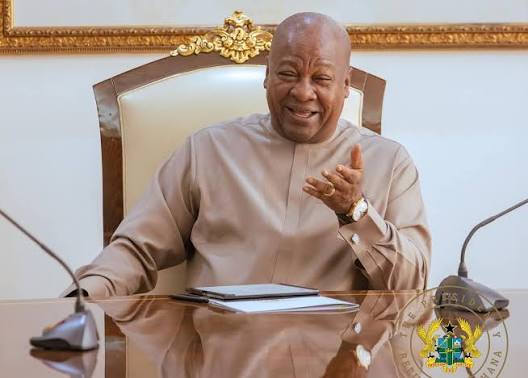

ECG WORKERS TAKE FIGHT AGAINST PRIVATE SECTOR PARTICIPATION NATIONWIDE AS SEPTEMBER 29 PROTEST LOOMS
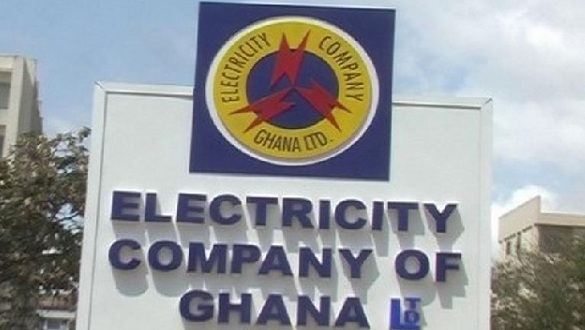
Workers of the Electricity Company of Ghana have announced a nationwide demonstration for September 29 as opposition intensifies against the government's proposed private-sector participation in electricity distribution. The unions say the protest will take place across ECG's operational regions and culminate in a petition to President John Dramani Mahama.
Workers of the Electricity Company of Ghana are preparing for a nationwide demonstration on Tuesday, September 29, escalating their opposition to the government's proposed introduction of private-sector participation in the operations of the state-owned electricity distributor.
The demonstration is being organized jointly by ECG's Senior Staff Union and Junior Staff Union as part of a broader campaign against the proposed Private Sector Participation arrangement.
According to a directive issued by the unions, the peaceful demonstration will take place across all ECG operational regions between 8 a.m. and 4 p.m.
The directive was signed by Senior Staff Union National Divisional Chairman Christopher Apawu and Junior Staff Union National Divisional Chairman Lucky Larry Agboka.
Workers in Accra have been instructed to assemble at the forecourt of the Trades Union Congress, while those in Kumasi will gather at ECG's regional office near Airport Roundabout.
In other operational regions, employees are expected to assemble at their respective ECG regional offices.
The unions said specific demonstration routes would be communicated later.
The nationwide action is expected to culminate in the presentation of a petition to President John Dramani Mahama.
Outside Accra, the petition will be submitted through regional ministers for onward transmission.
The Public Utility Workers Union, which is convening the demonstration, has also formally notified the Inspector General of Police about the planned action in accordance with Ghana's Public Order Act.
The September 29 demonstration represents an escalation of protest measures already introduced by ECG workers.
Earlier this month, the unions instructed employees to begin wearing red armbands while performing their normal duties as a visible sign of opposition to the proposed reforms.
Branches were also directed to display larger red flags explaining their resistance to the private-sector participation plan.
The unions say the red armband campaign will continue until the next phase of their action is announced.
At the center of the dispute is the government's attempt to reform Ghana's electricity distribution system, which has faced persistent financial, operational and revenue collection challenges.
The government's programmed envisages introducing private-sector participation into electricity distribution, including the operations of ECG and the Northern Electricity Distribution Company.
According to Ghana's latest programmed documents with the International Monetary Fund, Cabinet approved a strategy in April 2025 to open electricity distribution operations to private-sector participation.
A transaction adviser was subsequently hired in May 2026 to undertake due diligence and a baseline assessment of ECG and NEDCo operations.
The government's programmed envisages developing a concession structure alongside legal, regulatory and utility restructuring measures.
The stated objective is to improve revenue collection and strengthen the financial position of Ghana's electricity sector.
ECG workers and organized labour, however, have raised strong objections to the proposed arrangement.
The Trades Union Congress and Public Utility Workers Union have questioned the private-sector model and argued that problems affecting ECG should be addressed without transferring significant operational responsibilities to private companies.
Organized labour has also raised concerns over how the proposed arrangement could affect workers and the long term control of a strategic national utility.
The government and supporters of reform point to ECG's persistent commercial and technical losses, revenue collection problems and the wider financial burden of the energy sector as reasons significant changes are required.
The disagreement therefore centers not simply on whether ECG requires reform, but on the structure those reforms should take and the role private companies should be allowed to play.
That debate has intensified as Ghana continues efforts to reduce financial losses across the electricity sector.
Under the government's programmed, the transaction adviser is expected to assess the utilities and make recommendations before Cabinet approves a strategy for operationalizing private-sector participation.
The IMF programmed currently envisages that strategy being approved by the end of March 2027.
The September 29 demonstration could become a significant test of relations between the Mahama administration and organized labour over the future of the electricity distribution sector.
ECG occupies a critical position in Ghana's power system, distributing electricity to millions of residential, commercial and industrial customers across much of the country.
Any prolonged labour dispute involving the company would therefore attract significant public attention.
The unions have, however, described the September 29 action as a peaceful demonstration. Their earlier protest directives also instructed employees to continue carrying out their normal duties while wearing red armbands.
There has been no announcement that the September 29 demonstration will involve a deliberate shutdown of electricity supply.
The immediate focus will instead be on the nationwide marches and the petition workers intend to submit to President Mahama.
Whether the government and organized labour can reach a compromise over private-sector participation will determine whether the September 29 demonstration marks the peak of the dispute or the beginning of a wider confrontation over the future of ECG.