
EUROPE CONSIDERS EMERGENCY DIESEL RELEASE AFTER US PRESSURE
European Union countries are discussing a French proposal to release about 50 million barrels of diesel from emergency reserves as governments try to cool sharply rising fuel prices and ease pressure on strained global supply. The talks mark a significant escalation from earlier discussions in which Washington pressed France and Germany to begin drawing down their emergency diesel stocks. A separate proposal under consideration would involve International Energy Agency members releasing about 50 million barrels of crude oil. The French proposal comes as Europe faces tighter diesel supplies caused by the war involving Iran, reduced Russian fuel exports, lower Chinese exports and structural weakness in Europe's own refining sector.
European Union governments are considering releasing emergency diesel reserves as pressure grows to contain soaring fuel prices and prevent a deepening supply shortage from spreading through transportation, agriculture and industry.
Officials discussed a French proposal on Friday that would release about 50 million barrels of diesel from emergency stocks held across the bloc.
The proposal represents a major shift from discussion to possible coordinated action.
It follows pressure from the United States, which has urged key European governments to help increase global diesel supply.
France and Germany have been central to those discussions because together they hold more than one third of the European Union's strategic diesel reserves.
FRANCE PROPOSES 50 MILLION BARREL RELEASE
The French proposal would release approximately 50 million barrels of diesel from emergency inventories.
That amount is significant but would not empty Europe's reserves.
The proposed release is equivalent to around 17 percent of the European Union's emergency diesel stocks.
It also represents roughly 3 percent of the bloc's annual diesel consumption.
The intention would be to inject enough supply into the market to ease immediate shortages and reduce the pressure driving prices higher.
Emergency reserves are normally held for major supply disruptions rather than routine price management.
Using them therefore indicates how seriously governments are viewing current market conditions.
CRUDE OIL RELEASE ALSO BEING DISCUSSED
The diesel proposal is not the only measure under consideration.
Officials are also discussing a coordinated release of approximately 50 million barrels of crude oil through members of the International Energy Agency.
That would come on top of earlier emergency oil releases already agreed by IEA countries.
A crude release and a diesel release serve different purposes.
Crude oil must still be refined into fuels.
Diesel reserves can enter the market more directly.
Because the current shortage is especially severe in refined products, diesel stocks may provide faster relief.
WASHINGTON HAS BEEN PRESSING EUROPE TO ACT
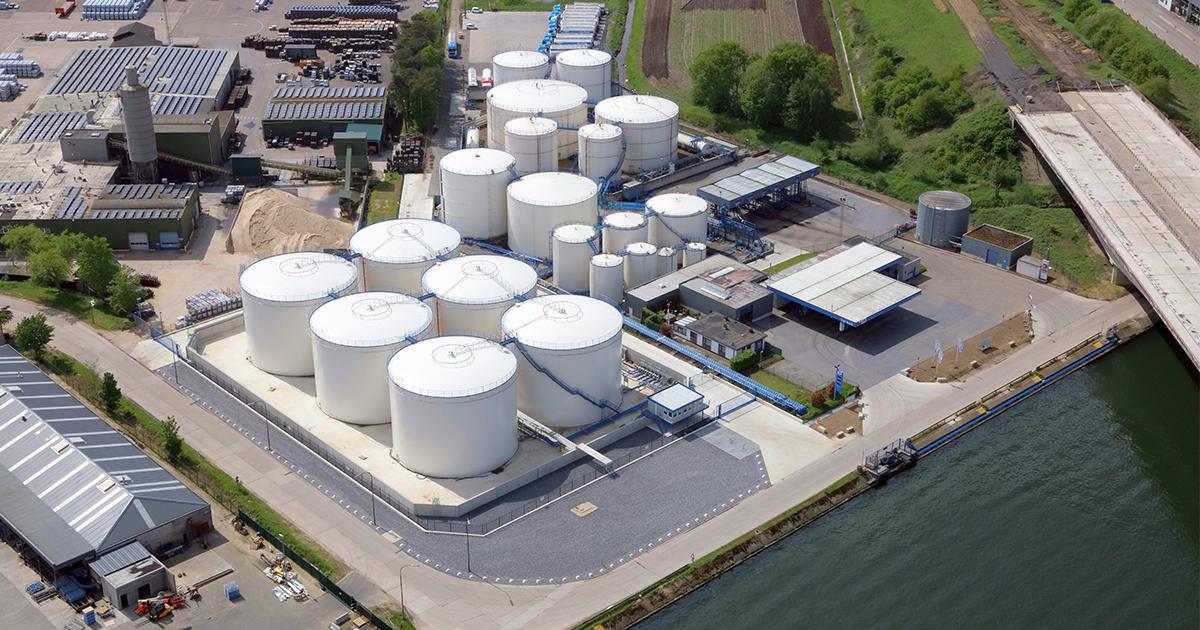
The talks intensified after the United States pushed European governments to release emergency stocks.
Washington specifically pressed France and Germany to draw down diesel inventories.
US officials have argued that Europe holds sufficient reserves to help relieve the global shortage.
The Trump administration has also kept open the possibility of restricting US diesel exports.
That threat has added urgency to the European discussions.
A US export restriction could reduce the amount of diesel available to international buyers at exactly the moment global supplies are already tight.
EUROPE WANTS ASSURANCES FROM THE UNITED STATES
European countries are not simply preparing to release reserves without conditions.
Officials are seeking assurances that the United States will not proceed with a unilateral diesel export ban if Europe cooperates.
That issue is central to the negotiations.
From Europe's perspective, releasing emergency stocks while simultaneously losing access to US exports could weaken the effect of the intervention.
It could also leave European inventories lower without significantly improving global supply.
For that reason, coordination between Washington and European capitals may be critical.
WHY DIESEL PRICES ARE RISING SO QUICKLY
The diesel market is under pressure from several directions at once.
Supply disruptions linked to the conflict involving Iran have affected global energy markets.
Russia has also extended restrictions on diesel exports.
Russian refining operations have faced disruption following Ukrainian attacks on energy infrastructure.
China has reduced or halted some fuel exports.
At the same time, Europe remains heavily dependent on imported diesel.
Together, those pressures have created an unusually tight international market.
RUSSIA'S EXPORT BAN ADDS TO THE SHORTAGE
Russia has historically been one of the world's largest diesel exporters.
Its importance to Europe has declined sharply since the European Union banned most Russian oil products following Moscow's invasion of Ukraine.
However, Russian exports still affect global supply.
When Russia exports less diesel, buyers in other regions compete for fuel from alternative suppliers.
That competition can push international prices higher.
Russia recently extended its diesel export restrictions through the end of October.
That decision has added further pressure to the market.
EUROPE DEPENDS HEAVILY ON IMPORTED DIESEL
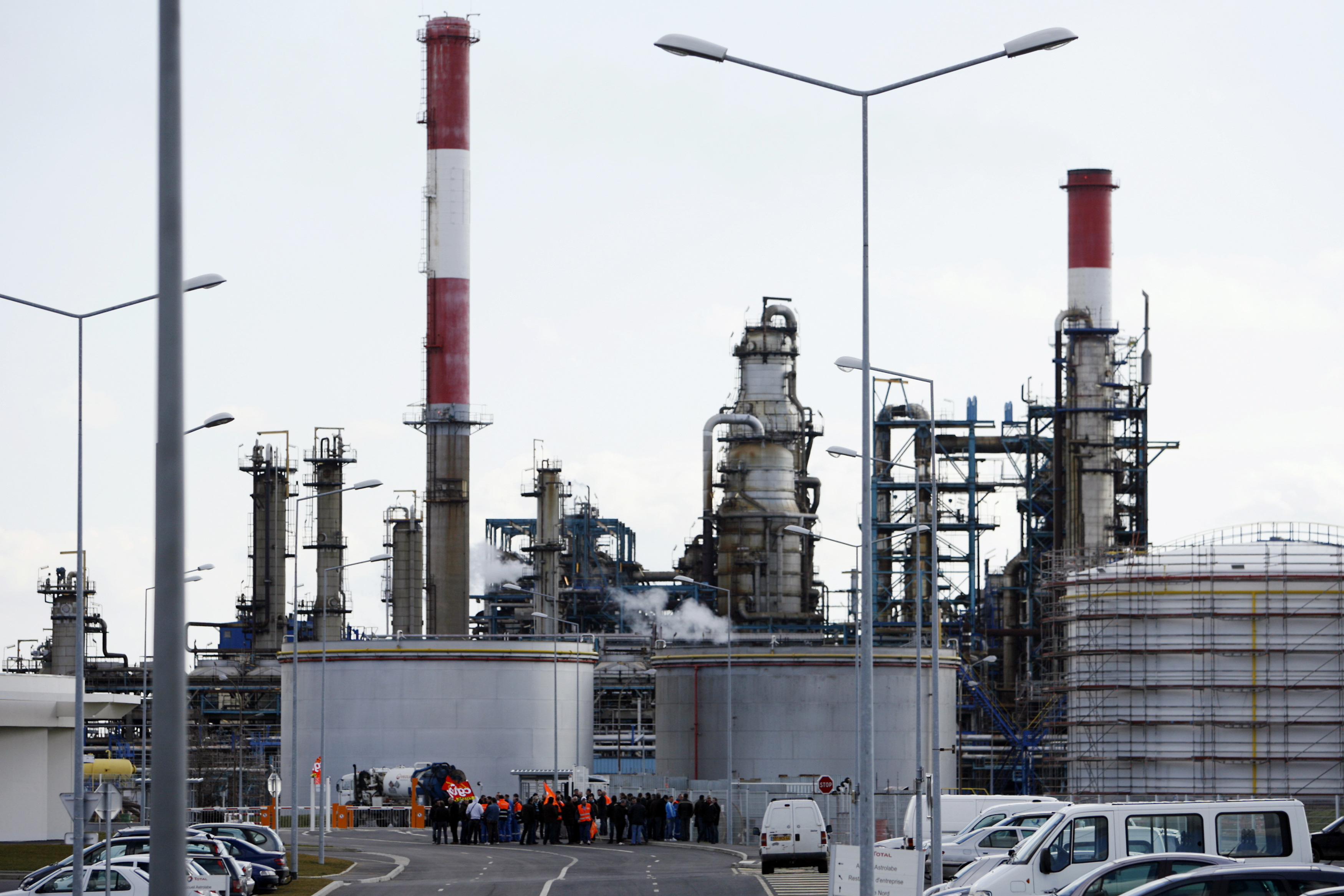
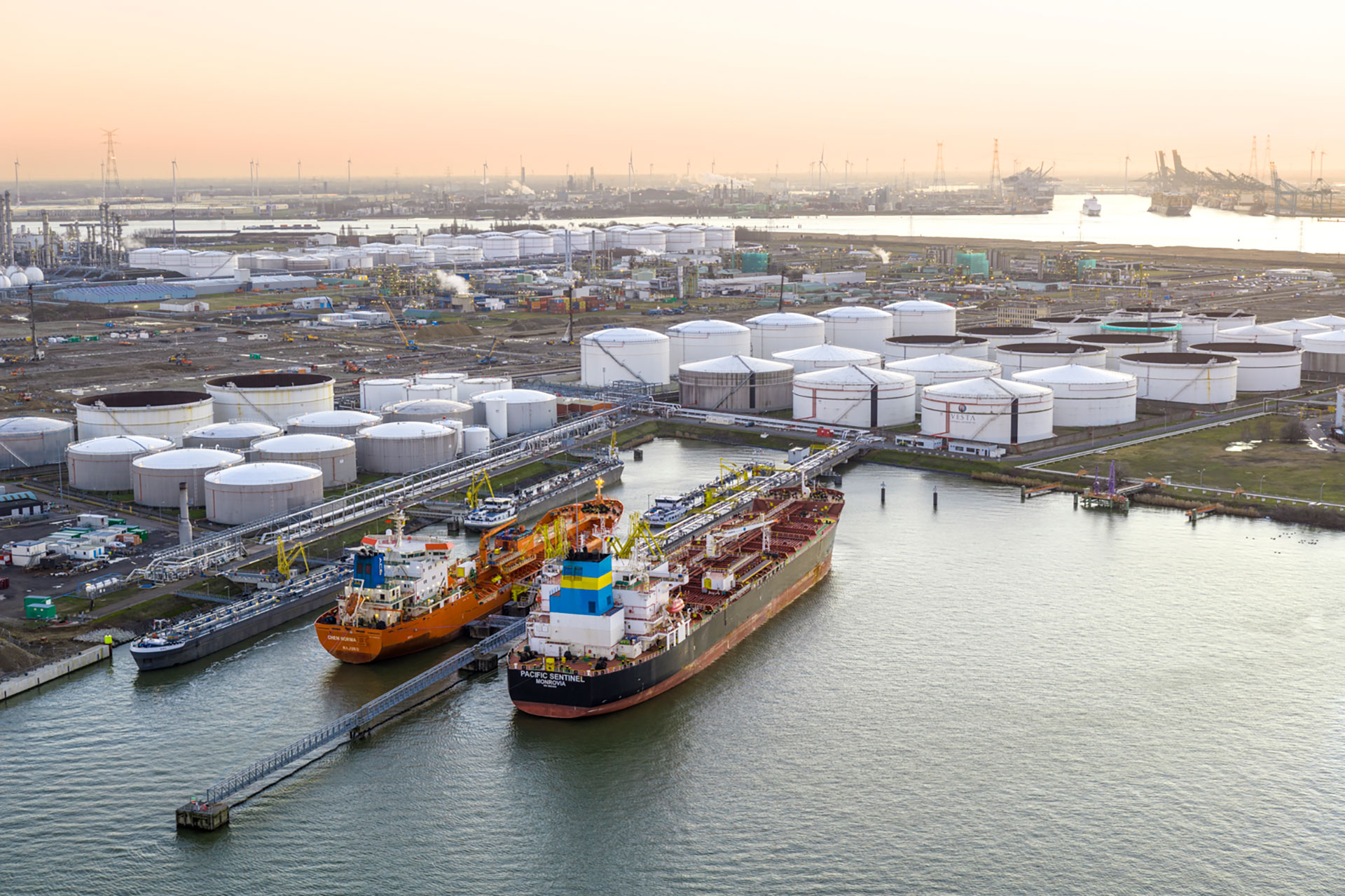
Europe imports large quantities of diesel because domestic refineries do not produce enough to meet total regional demand.
The continent's refining system has also contracted over time.
Europe has lost dozens of refineries since 2009.
Some facilities closed permanently.
Others were converted to produce alternative fuels.
This reduced the region's ability to respond quickly when imported supplies become disrupted.
Europe therefore remains exposed to events far beyond its borders.
THE MIDDLE EAST HAS BECOME MORE IMPORTANT TO EUROPE
After Russian diesel imports collapsed, European buyers increasingly turned to suppliers in the Middle East, India, Turkey and the United States.
That created a new supply structure.
The shift reduced direct dependence on Russia.
But it increased Europe's exposure to shipping disruptions and instability around the Middle East.
A major interruption affecting Middle Eastern production or shipping can now affect European diesel prices more rapidly than before.
DIESEL MATTERS FAR BEYOND PRIVATE CARS
Diesel is economically important because it is heavily used in commercial transportation.
Trucks depend on it.
Agricultural machinery depends on it.
Construction equipment uses it.
Some industrial facilities rely on diesel.
Heating systems in parts of Europe also use similar middle distillate fuels.
This means rising diesel prices can spread through the wider economy.
Transport companies may increase charges.
Farmers may face higher operating costs.
Manufacturers may pay more for logistics.
Those increases can eventually appear in consumer prices.
FOOD PRICES CAN ALSO BE AFFECTED
Higher diesel prices can influence food costs at several stages.
Farm machinery consumes fuel.
Produce must be transported from farms to processing plants.
Finished products then move through distribution networks to supermarkets.
If fuel becomes significantly more expensive, logistics costs rise.
Those costs may eventually be passed on to consumers.
That is one reason governments treat diesel shortages differently from ordinary movements in gasoline prices.
WINTER ADDS ANOTHER RISK
The timing of the shortage is important.
Europe is approaching winter.
Demand for heating fuels tends to rise during colder months.
Agricultural activity also increases fuel demand during harvest periods.
This means governments are trying to manage a shortage before seasonal demand places additional pressure on inventories.
Releasing reserves now could help calm markets.
But it also means reducing stocks that might be needed later in the winter.
WHY GOVERNMENTS KEEP EMERGENCY STOCKS
Most developed economies maintain strategic energy reserves.
These reserves exist to protect countries against major supply disruptions.
They can be used during wars, natural disasters, severe shipping interruptions or other emergencies.
European countries maintain emergency oil and fuel stocks under national rules and international agreements.
The International Energy Agency also coordinates collective emergency responses among member countries.
Governments are usually cautious about using reserves.
Once stocks are released, they eventually need to be rebuilt.
A RELEASE CAN LOWER PRICES WITHOUT SOLVING THE SHORTAGE
Emergency stock releases can have an immediate psychological effect on markets.
Traders know additional physical supply will become available.
That can reduce fears of scarcity.
Prices may fall even before all the fuel reaches buyers.
But emergency reserves do not create new long term production.
They move existing inventory into the market.
If underlying supply problems remain unresolved, prices can rise again once the temporary release ends.
That is why governments generally prefer reserve releases to be accompanied by measures that improve ongoing supply.
MARKETS REACTED QUICKLY TO THE DISCUSSIONS
Energy markets moved lower after reports emerged that Europe was considering a new release.
European gasoil futures fell sharply.
Oil prices also declined.
The reaction shows how sensitive energy markets are to signals from governments.
Even the possibility of additional supply can change expectations.
Market participants immediately reassess whether the shortage will be as severe as previously feared.
US PRICES ARE ALSO UNDER PRESSURE
The United States is facing its own fuel price problem.
American diesel prices have risen significantly.
That has become politically sensitive ahead of the November midterm elections.
High diesel prices affect trucking and agriculture in the United States just as they do in Europe.
Higher transportation costs can contribute to inflation.
The Trump administration is therefore under domestic pressure to demonstrate that it is taking action.
US STRATEGIC RESERVES ARE ALREADY LOWER
Washington has already committed significant quantities of crude oil from the Strategic Petroleum Reserve.
The United States recently announced another loan of up to 40 million barrels.
That release forms part of an earlier coordinated international agreement involving approximately 400 million barrels.
The American reserve has fallen to its lowest level in decades.
That reduces Washington's willingness to carry the burden of additional releases alone.
US officials are therefore pushing European partners to contribute more.
FRANCE AND GERMANY ARE CRITICAL
France and Germany are especially important because they hold large quantities of emergency diesel.
Together, the two countries account for more than one third of the EU's strategic diesel stocks.
That gives them significant influence over whether a major European release is possible.
A coordinated EU wide approach could spread the burden across multiple governments.
It could also reduce political tension over which countries are being asked to contribute the most.
WHY FRANCE IS LEADING THE PROPOSAL
France currently holds the G7 presidency.
That gives Paris a central diplomatic role in coordinating responses among major economies.
France also has substantial strategic fuel reserves.
A French proposal may therefore provide a politically easier path toward coordinated action than direct compliance with US pressure.
Rather than appearing to act solely because Washington demanded it, European governments can frame the move as a collective response to a global supply emergency.
G7 TALKS COULD BECOME IMPORTANT
The issue may also be discussed among G7 countries.
A coordinated G7 approach would include the United States, France, Germany, Italy, Japan, Canada and the United Kingdom.
Coordination would matter because diesel is traded globally.
If one country releases stocks while another restricts exports, the policies can work against each other.
A broader agreement could improve the effectiveness of any intervention.
EUROPE'S REFINING CAPACITY HAS SHRUNK
The current crisis also exposes a longer term problem.
Europe produces less fuel domestically than it did in the past.
Around 30 refineries have disappeared from the regional system since 2009.
Total refining capacity has fallen significantly.
Some plants closed because of weak profit margins.
Others were converted as Europe pursued lower carbon energy policies.
This structural decline means Europe has less spare refining capacity available during emergencies.
ENERGY TRANSITION DOES NOT REMOVE SHORT TERM FUEL DEMAND
Europe is investing heavily in electric vehicles and renewable energy.
Those policies are intended to reduce long term dependence on fossil fuels.
But current infrastructure still depends heavily on diesel.
Millions of trucks, buses, construction vehicles and agricultural machines remain diesel powered.
Military equipment also uses conventional fuels.
This creates a transitional problem.
Europe may want to reduce diesel consumption in the long term while still needing large amounts of it today.
DEFENSE DEMAND ADDS ANOTHER PRESSURE
European defense spending has increased sharply in recent years.
That expansion also affects fuel demand.
Military aircraft, armored vehicles, trucks and support equipment require substantial quantities of conventional fuels.
This is one reason some European refiners have argued that energy security and defense planning are increasingly connected.
Countries need reliable access to fuel even while reducing civilian fossil fuel consumption.
EMERGENCY RELEASES CARRY POLITICAL RISKS
Using strategic reserves can become politically controversial.
Governments may be accused of using emergency inventories to influence prices rather than respond to genuine supply emergencies.
Opponents may argue that reserves should be preserved for more serious disruptions.
Supporters may respond that current shortages already qualify as exceptional.
The debate becomes especially sensitive when elections are approaching.
In the United States, high fuel prices are already a major political issue ahead of the November vote.
AN EXPORT BAN COULD BACKFIRE
A US diesel export ban could reduce domestic supply pressure in theory by keeping more fuel inside the United States.
But energy markets are interconnected.
Restricting exports can distort trade flows.
Refiners may alter production.
Foreign buyers may compete more aggressively for other supplies.
That could raise prices elsewhere and eventually affect the United States through broader market disruption.
This is one reason coordinated action is generally preferred over unilateral restrictions.
EUROPE DOES NOT WANT TO ACT ALONE
EU governments are reportedly seeking guarantees that Washington will remain part of a coordinated response.
That reflects concern that Europe could release large volumes of emergency stocks only to face additional restrictions afterward.
Trust between governments therefore matters.
A successful intervention would likely require clear commitments from both sides of the Atlantic.
50 MILLION BARRELS IS LARGE BUT TEMPORARY
A 50 million barrel diesel release would be substantial.
But compared with annual European consumption, it remains relatively limited.
At about 3 percent of yearly demand, the release would provide relief rather than fundamentally change the market.
Its biggest value may be buying time.
Governments hope that temporary additional supply can bridge the period until normal trade flows improve.
WHAT WOULD MAKE THE MARKET NORMALIZE?
Several developments could reduce pressure.
An improvement in Middle East security could stabilize crude and product shipments.
A return of Russian diesel exports could increase global availability.
China could resume stronger fuel exports.
European refineries could increase output.
Lower seasonal demand after winter could also ease pressure.
Until some of those factors change, emergency releases may remain only a temporary solution.
WHAT HAPPENS NEXT
The immediate question is whether EU countries formally approve the French proposal.
Officials will also be watching whether the United States provides assurances that it will not impose a diesel export ban.
The G7 and International Energy Agency may become central to coordinating the response.
Markets will also monitor the size and timing of any actual release.
A proposal can influence prices.
Physical barrels reaching the market have a more direct effect.
If Europe proceeds with the 50 million barrel release and the IEA coordinates an additional crude release, it would represent one of the most significant international energy interventions since the latest global supply crisis began.
The broader lesson is that diesel has become a major vulnerability for advanced economies.
Governments may be transitioning toward cleaner energy.
But the global economy still depends heavily on refined fuels.
When supplies become tight, the consequences reach far beyond the fuel pump.
They affect transportation, food, industry, inflation and politics.
Europe's decision over whether to open its emergency reserves will therefore be watched not only by energy traders but by governments around the world.