

FEDERAL GOVERNMENT MOVES TO CREATE 24 HOUR POWER ZONES IN KEY NIGERIAN CORRIDORS
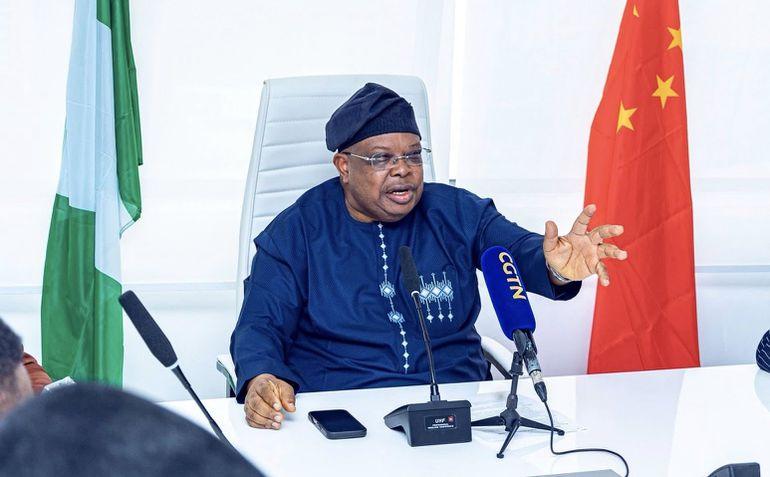
The Federal Government has begun discussions with selected electricity Distribution Companies on plans to establish dedicated Energy Zones capable of delivering 24 hour electricity to homes, businesses and industries in high demand areas. The initial areas identified are the Lagos axis, the Abuja Kaduna Kano corridor and the Enugu Port Harcourt corridor. Power Minister Joseph Tegbe said the initiative is intended to address challenges at the distribution end of the electricity value chain and improve the ability of Distribution Companies to take up available power and deliver it to consumers.
The Federal Government has opened discussions with selected electricity Distribution Companies on plans to establish dedicated Energy Zones designed to provide 24 hour electricity to homes, businesses and industries in some of Nigeria's highest demand areas.
The proposal was discussed during a strategic meeting between Minister of Power Joseph Tegbe and the leadership of selected Distribution Companies and energy firms.
The initial Energy Zones are expected to focus on three major economic corridors. These are the Lagos axis, the Abuja Kaduna Kano corridor and the Enugu Port Harcourt corridor.
The government says the initiative is aimed at improving the reliability of electricity supply in areas where demand from households, businesses and industries is particularly high.
Tegbe said the problems confronting Nigeria's electricity sector extend beyond generation and transmission, with significant challenges also existing in the distribution network.
According to the minister, the ability of Distribution Companies to take up available electricity and deliver it efficiently to consumers remains a major constraint.
"The constraint on the sector is not limited to generation and transmission but includes how much power is taken up and delivered at the distribution end," Tegbe said.
HOW THE PROPOSED ENERGY ZONES WOULD WORK
The proposed Energy Zones are intended to concentrate investment and distribution infrastructure in areas with significant electricity demand.
Rather than attempting to immediately provide uninterrupted electricity across every part of the country, the government is proposing to focus on selected locations where reliable power is considered particularly important to economic activity.
The Ministry of Power says strengthening infrastructure in these areas would help electricity supply keep pace with demand while improving the ability of Distribution Companies to serve commercial and industrial customers.
The initiative is also expected to improve the financial performance of Distribution Companies by increasing electricity consumption, billing and collections in areas with strong commercial and industrial activity.
However, the government has not yet announced a specific implementation date, the exact locations that would make up each Energy Zone or the amount of investment required for the proposed 24 hour supply.
The current discussions therefore represent the planning and engagement stage rather than the commencement of nationwide 24 hour electricity delivery.
COMPANIES INVOLVED IN THE DISCUSSIONS
The meeting brought together the leadership of Abuja Electricity Distribution Company, Ikeja Electric, Eko Power, Ibadan Electricity Distribution Company and Sahara Energy Group.
These companies operate across some of the areas identified for the proposed Energy Zones or have interests in Nigeria's electricity value chain.
The Federal Government says further discussions will be required to determine the infrastructure, commercial and operational requirements needed to establish the zones.
The approach is part of Tegbe's stated plan to tackle the country's electricity challenges through a phased and structured process.
WHY DISTRIBUTION REMAINS A MAJOR CHALLENGE
Nigeria's electricity challenges have traditionally been associated with inadequate generation and limitations within the national transmission grid.
The Federal Government is now placing greater emphasis on the distribution end of the power chain.
Even when electricity is generated and transmitted to distribution companies, the available power cannot automatically be delivered to every area at the same level.
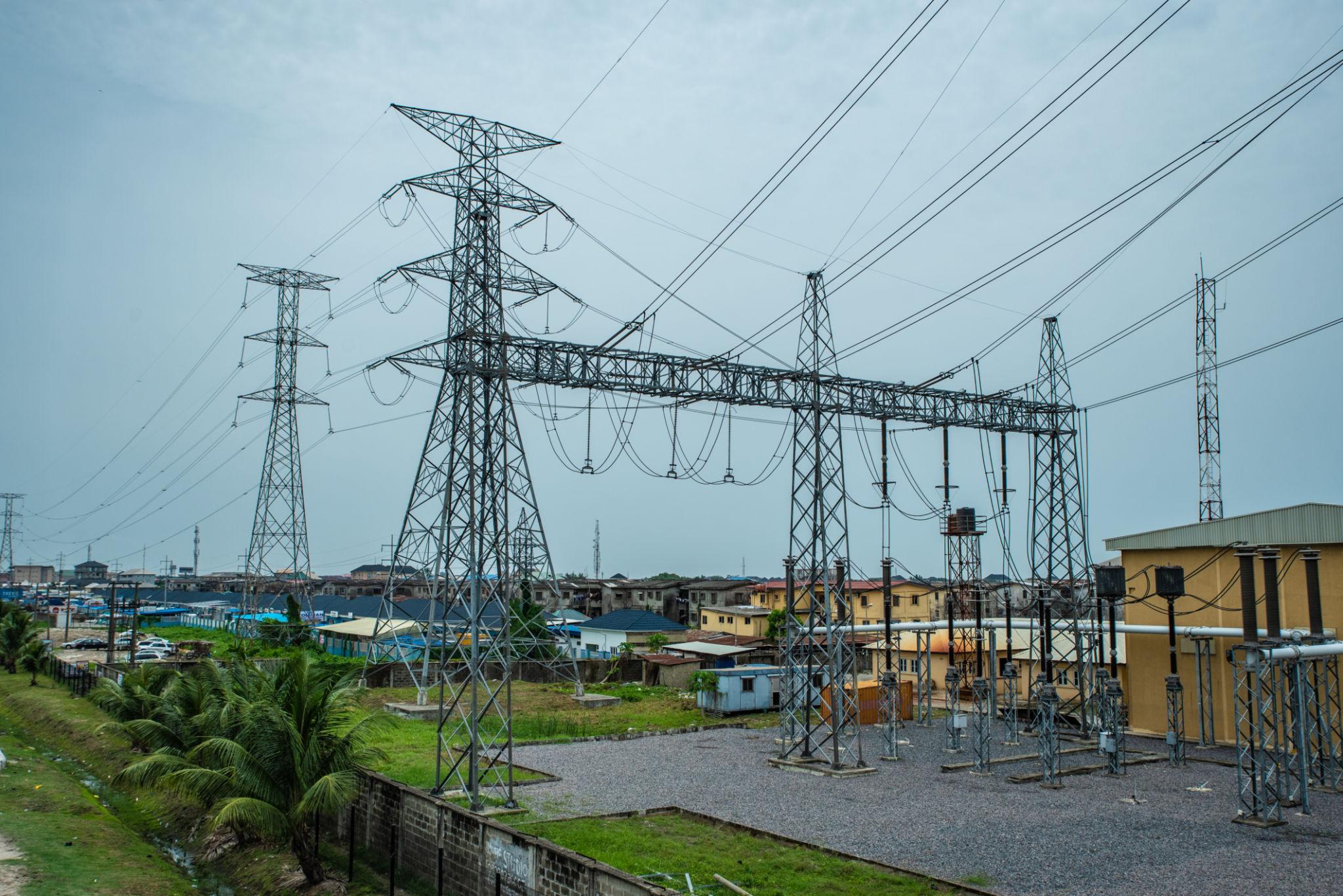
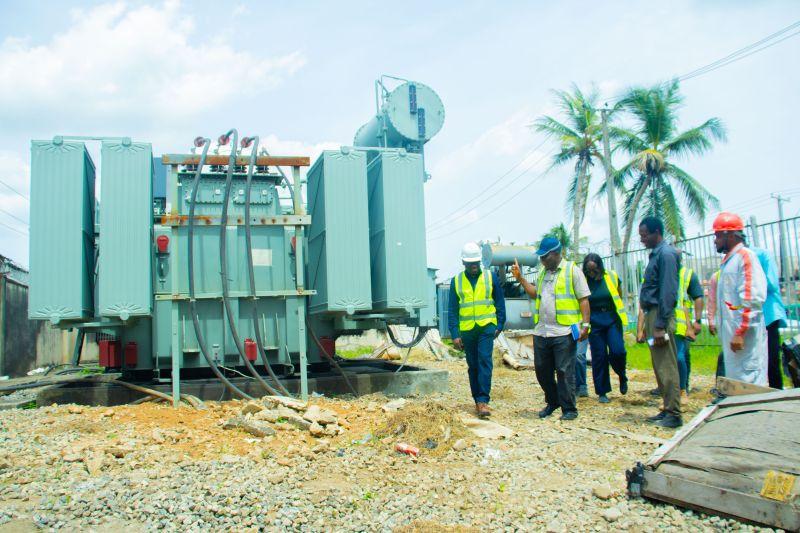
Distribution infrastructure, transformer capacity, feeders, metering, network losses and the ability of customers to pay for electricity all affect how much power can ultimately reach consumers.
The proposed Energy Zones are therefore intended to address some of these constraints by concentrating infrastructure and operational improvements in areas where demand is already high.
Recent electricity allocation figures illustrate the scale of demand across the distribution network. On September 30, data reported from the national grid showed more than 3,000 megawatts allocated across the country's 11 Distribution Companies, with Abuja, Ikeja, Eko and Ibadan among the companies receiving some of the largest allocations.
BUSINESS AND INDUSTRIAL IMPACT
Reliable electricity is particularly important for manufacturers, technology companies, commercial businesses and other industries that depend on continuous power for their operations.
Businesses across Nigeria have traditionally relied on alternative sources such as diesel and petrol generators when grid supply is unavailable or unreliable.
A more stable electricity supply in major commercial corridors could therefore reduce some of the operating costs associated with self generation.
The government also expects stronger electricity supply to encourage additional commercial and industrial activity.
Tegbe said the proposed Energy Zones would help unlock commercial and industrial demand while strengthening the revenue and collection performance of Distribution Companies.
24 HOUR POWER IS NOT YET GUARANTEED
Although the government has described the proposed zones as capable of delivering 24 hour electricity, the initiative is still at the planning and engagement stage.
No specific date has been announced for when consumers in the selected corridors will begin receiving uninterrupted supply under the programme.
The success of the plan will depend on several factors, including available generation, transmission stability, distribution infrastructure, investment requirements and the financial performance of the electricity market.
The government will also need to coordinate the different companies and institutions involved in generation, transmission and distribution before the proposed zones can become operational.
WHAT HAPPENS NEXT
The Federal Government and the participating electricity companies are expected to continue discussions on how the Energy Zones will be structured and financed.
The next stage is expected to involve identifying the specific high demand locations, assessing existing distribution infrastructure and determining what upgrades will be required to support continuous electricity supply.
For businesses and households in Lagos, Abuja, Kaduna, Kano, Enugu and Port Harcourt, the proposal could eventually mean more predictable electricity supply if the required infrastructure and commercial arrangements are successfully implemented.
For now, however, the 24 hour power zones remain a government proposal under development rather than an active nationwide supply programme.