FIFA HIT BY CYBERATTACK AS HACKERS GAIN ACCESS TO PERSONAL AND BUSINESS INFORMATION
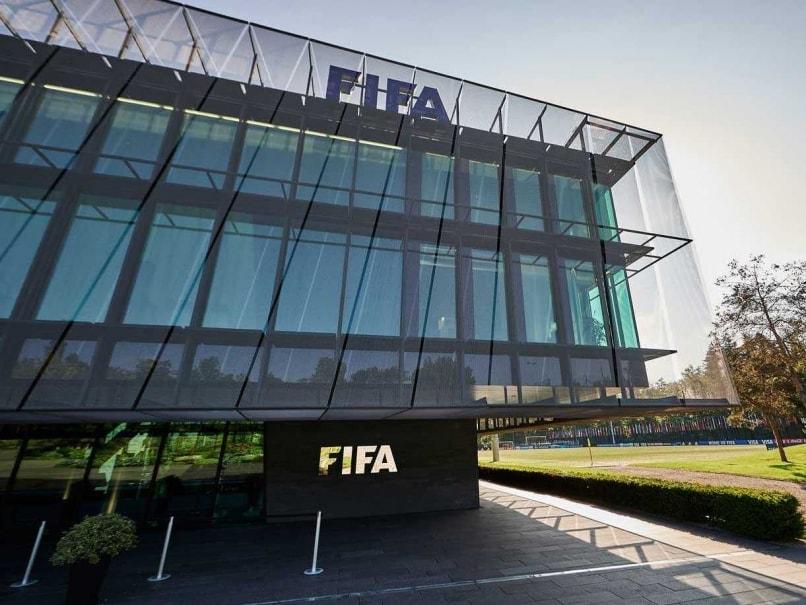
FIFA has confirmed that it suffered a cyberattack in which unauthorized individuals gained access to a limited collection of personal and business information. The world football governing body announced on Thursday, November 26, 2026, that it is cooperating with law enforcement and relevant authorities to investigate the breach. A group calling itself the Handsome Boy Hacking Club has appeared to claim responsibility amid reports that more than 12 gigabytes of internal documents were obtained, although FIFA has not verified that figure. Sources cited in media reports indicated that the attackers reportedly impersonated employees to gain access, while Reuters reported that documents connected to FIFA's abandoned World Cup investment proposal were unaffected. The precise contents of the compromised information and the identities of those responsible remain unconfirmed.
FIFA, the world governing body of soccer, has confirmed that it suffered a cybersecurity breach after unauthorized individuals gained access to personal and business information held by the organization. The governing body disclosed the incident on Thursday, November 26, 2026, describing the compromised information as a limited set of data, although the full extent of the exposure has not been publicly established in the initial announcement. The incident has raised concerns about the protection of sensitive information within international sporting institutions, particularly organizations responsible for managing extensive commercial partnerships, competition arrangements and administrative relationships across numerous countries.
The organization confirmed in a statement to the Associated Press that it is cooperating with law enforcement and other relevant authorities as investigations into the incident continue. FIFA condemned the unauthorized acquisition and publication of confidential information, emphasizing the potentially serious consequences for individuals whose personal records may have been compromised. However, the governing body did not disclose when the intrusion occurred, identify the specific systems affected or provide a comprehensive breakdown of the information accessed. Those outstanding questions have left uncertainty concerning the scale of the breach and its potential consequences for employees, commercial partners and other individuals associated with the organization.
The confirmation follows claims made last week by a group calling itself the Handsome Boy Hacking Club, which published an image on X purporting to show internal FIFA documents. The group subsequently appeared to claim responsibility for the unauthorized disclosure after reports emerged suggesting that more than 12 gigabytes of internal information had been obtained. The social media account associated with the claims has since been suspended, and the original publication is no longer available on the platform. FIFA has not publicly authenticated the group's claims concerning the volume of information obtained or confirmed its responsibility for the attack.
According to reporting by ESPN cited by The Guardian, unnamed sources familiar with the incident estimated that the compromised information represented less than 0.1 percent of the data held by FIFA. Those sources also indicated that the attackers reportedly gained access by impersonating members of the organization's staff rather than exploiting a failure in its technological infrastructure. FIFA has not independently confirmed that percentage or published a complete technical assessment explaining how the intrusion occurred. Consequently, the reported method of access remains an account attributed to individuals familiar with the incident rather than an officially established forensic conclusion.
The distinction is important because cyberattacks involving impersonation can occur even within organizations that maintain sophisticated technological defenses. Such incidents frequently involve attempts to exploit the trust associated with established professional relationships, making employees and external partners important components of an organization's cybersecurity framework. Protecting sensitive information therefore requires more than maintaining secure computer systems, particularly within institutions whose personnel communicate regularly with individuals and organizations across different countries.
The precise contents of the compromised information remain another significant area of uncertainty. Media reports have cited claims involving identity documents, financial records, legal materials and internal administrative files, but FIFA has not confirmed that all those categories were affected. The governing body's description of the exposure as limited does not establish whether the information relates primarily to employees, commercial partners, football officials or other individuals. A comprehensive assessment of the affected records will be necessary to determine whether additional protective measures or individual notifications are required.
Unauthorized access to personal information can create risks extending beyond the immediate cybersecurity incident. Depending on the nature of the records obtained, affected individuals may face increased exposure to impersonation, fraudulent communications or attempts to obtain additional confidential information. Commercial records can also contain sensitive details concerning contractual arrangements, negotiations and institutional relationships. However, the confirmation of unauthorized access does not establish that the compromised information has already been used to commit financial fraud or that particular individuals have suffered measurable losses.
The incident carries considerable significance because FIFA occupies a central position within the administration of international soccer. The organization oversees relationships with 211 national football associations, coordinates major international competitions and manages extensive commercial arrangements involving broadcasters, sponsors and other business partners. Its administrative responsibilities require the handling of substantial quantities of information across different jurisdictions. The protection of that information is consequently important not only to the organization itself but also to the numerous institutions and individuals connected to its activities.
International sporting organizations have become increasingly dependent on digital infrastructure to manage competitions, financial transactions, accreditation, commercial agreements and communication with stakeholders. These systems can improve administrative efficiency and facilitate cooperation across national borders, but they also create responsibilities concerning the security of the information being processed. An intrusion involving a major governing body demonstrates how cybersecurity has become an essential component of modern sports administration rather than a matter confined to technology companies or financial institutions.
The timing of the breach has attracted particular attention because FIFA and its president, Gianni Infantino, have recently faced scrutiny over an abandoned proposal involving private investment in World Cup-related commercial operations. The initiative generated disagreements within international soccer over the potential implications of allowing external investors to acquire interests in an institution responsible for managing the world's most prominent international football competition. The controversy intensified discussions concerning FIFA's commercial strategy and the relationship between its financial objectives and responsibilities to national associations.
Reuters reported that documents associated with the abandoned World Cup investment initiative were unaffected by the cyberattack, according to information concerning the incident. That development is significant because the proximity of the breach to the commercial controversy could otherwise encourage speculation about whether confidential investment negotiations were among the materials obtained. The available reporting does not establish a connection between the attackers and opposition to FIFA's investment proposal. Nor has any evidence been presented identifying the commercial disagreement as a motive for the intrusion.
The cyberattack also comes as Infantino approaches another important period in his presidency, with FIFA's next leadership election scheduled for March 2027. Questions surrounding the organization's governance, financial arrangements and institutional transparency have already formed part of discussions concerning its future direction. The unauthorized disclosure of internal information introduces an additional administrative challenge, although there is no established evidence connecting the incident to the forthcoming election or any individual involved in FIFA's leadership contest.
For FIFA's commercial partners, the immediate concern will involve determining whether information connected to their dealings with the organization was accessed. Sponsorship agreements, broadcasting arrangements and competition-related contracts frequently involve confidential negotiations and commercially sensitive documentation. Unauthorized disclosure of such material can create complications for the organizations involved, particularly when information concerns ongoing discussions or contractual obligations. FIFA has not publicly identified any specific commercial agreement as having been compromised, making it premature to assess the financial consequences of the breach.
The governing body's cooperation with law enforcement represents an important component of its response. Investigators will need to establish the circumstances surrounding the unauthorized access, determine whether the information was subsequently distributed and examine claims of responsibility. Cybercrime investigations involving international organizations can become particularly complicated when the individuals responsible, the affected institutions and the relevant digital infrastructure are located in different countries. Cooperation between authorities may therefore be necessary before investigators can establish a comprehensive account of the incident.
As an organization headquartered in Zurich, Switzerland, FIFA also operates within a legal environment that establishes obligations concerning the protection of personal information. Swiss data protection legislation requires organizations to maintain appropriate safeguards and, under specified circumstances, report security breaches presenting a high risk to affected individuals. Additional obligations may arise depending on the jurisdictions in which relevant information was collected or processed. Whether FIFA has met every applicable notification requirement cannot be determined without further information about the nature and consequences of the exposure.
The incident highlights the importance of effective communication following cybersecurity breaches. Individuals whose information has been compromised may require accurate guidance concerning potential risks and the measures available to protect themselves. Commercial partners may similarly need assurances regarding the security of their confidential records. Public announcements must balance the need for transparency with the protection of ongoing investigations and the privacy of affected individuals, particularly when unauthorized parties claim to possess sensitive documents.
FIFA's decision to describe the compromised material as a limited portion of its information provides an initial indication of the reported scale of the incident, but the quantity of data accessed is not the only factor determining its significance. A relatively small collection of highly sensitive personal or commercial records can create substantial consequences if the information is subsequently exploited. Conversely, a large volume of less sensitive documentation may present different levels of risk. Determining the seriousness of the breach therefore requires consideration of the contents of the affected records rather than relying exclusively on estimates of their overall volume.
The broader implications of the incident extend to other sporting federations and national football associations that increasingly depend on interconnected digital services. Organizations operating with limited technological resources may face particular difficulties maintaining comprehensive cybersecurity arrangements while participating in international administrative systems. The security of global sporting infrastructure consequently depends partly on cooperation between governing bodies, national associations, commercial partners and external service providers. Establishing consistent standards for information protection can help reduce vulnerabilities arising from those interconnected relationships.
As of Thursday, FIFA had not announced that the cyberattack had disrupted international competitions, compromised match results or affected the administration of future tournaments. There has also been no confirmed announcement establishing that supporters' ticketing accounts or payment information were exposed. The absence of such confirmation remains important because the involvement of a prominent sporting organization can encourage speculation extending beyond the information officially disclosed. The confirmed incident concerns unauthorized access to personal and business records, while its wider operational consequences remain under investigation.
For FIFA, the immediate priorities include establishing the complete extent of the unauthorized access, protecting affected individuals and preventing further disclosure of confidential information. The organization's cooperation with law enforcement could eventually provide greater clarity concerning the identity of those responsible and whether their public claims accurately reflect the material obtained. Until the investigation produces additional findings, the reported volume of stolen information and the circumstances through which access was obtained must remain distinguished from the details officially acknowledged by the governing body.
The breach represents a significant reminder that the growing commercial influence and administrative responsibilities of international sporting institutions are accompanied by equally important obligations concerning cybersecurity and personal privacy. FIFA's confirmation establishes that confidential information was accessed without authorization, but substantial questions remain concerning the precise contents of the compromised records and their subsequent use. As investigations continue, the organization's response will be assessed not only through its ability to identify those responsible but also through the effectiveness of its measures to protect affected individuals, preserve institutional confidence and strengthen the safeguards governing its extensive international operations.