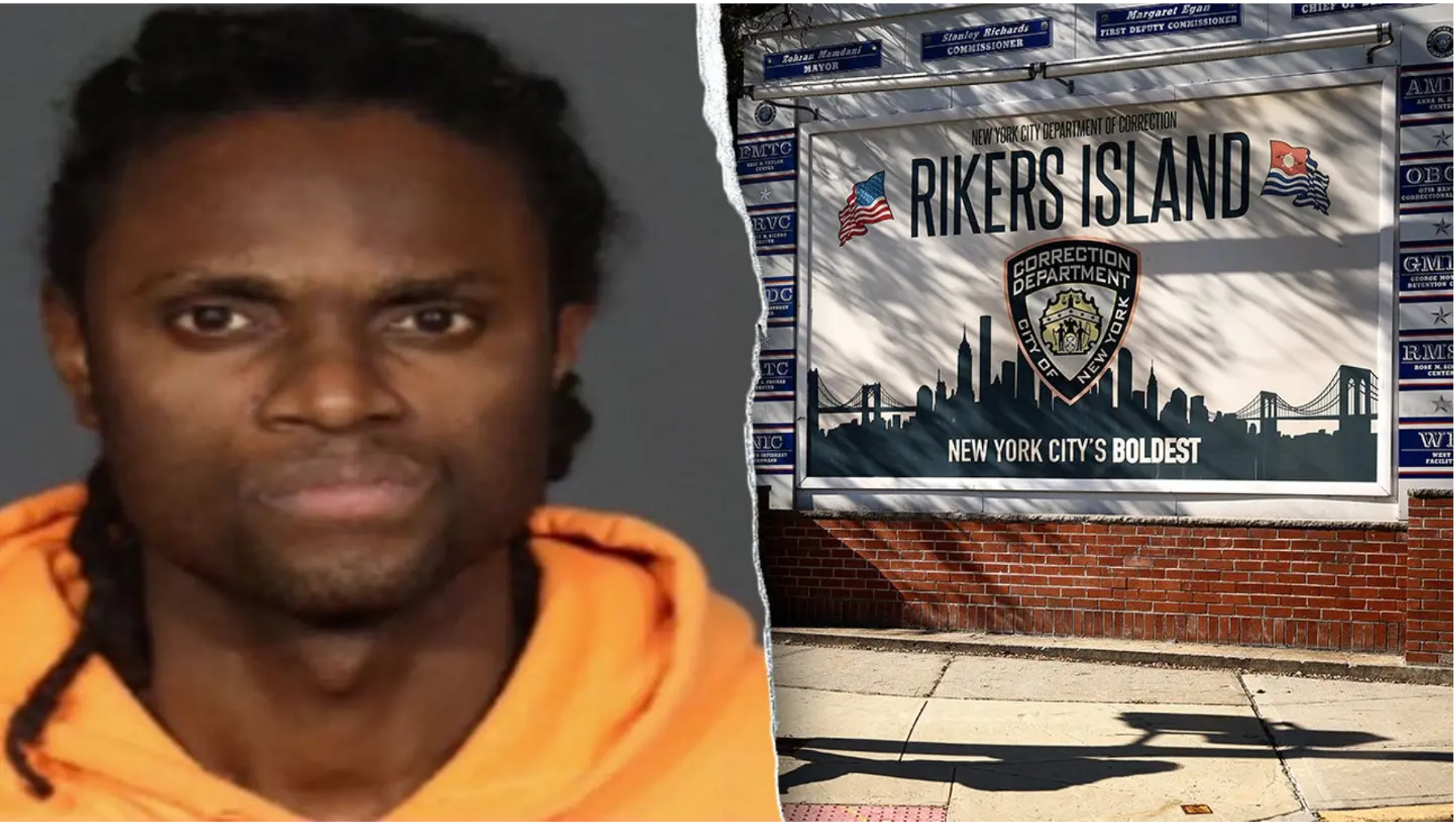
FORENSIC EXPERT REOPENS THE JEFFREY EPSTEIN MYSTERY AS DOUBTS GROW OVER ONE OF THE MOST SUSPICIOUS DEATHS OF THE CENTURY
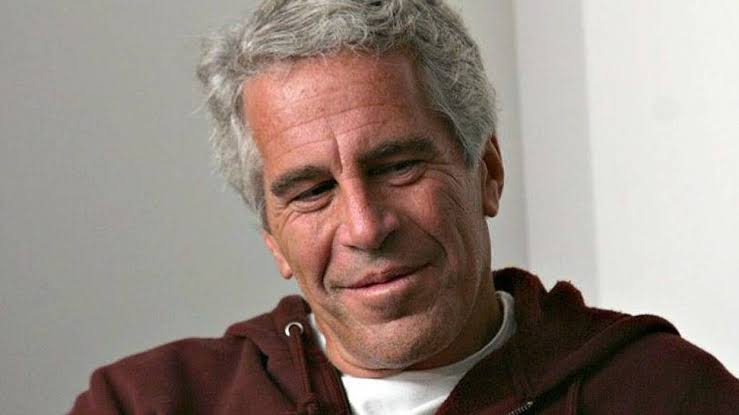
A forensic expert has analyzed autopsy records and photographs of Jeffrey Epstein and concluded that the disgraced US financier and convicted sex offender was most likely strangled, probably from behind, rather than dying by suicide. Epstein was found dead in his cell at the Metropolitan Correctional Center in New York in August 2019 while awaiting trial on federal sex trafficking charges. New York City's chief medical examiner ruled his death a suicide by hanging, and later federal reviews did not overturn that finding. From the start, though, the case has been surrounded by suspicion. Guards failed to check on him as required, cameras near his cell did not capture clear footage, and he had been taken off suicide watch just weeks earlier. Neck injuries found during the autopsy have long divided forensic specialists. The new analysis does not prove murder, and the official ruling still stands. But it adds fresh weight to questions many people have never stopped asking. If Epstein did not kill himself, who wanted him dead, and what secrets died with him?
More than seven years after Jeffrey Epstein was found dead in a Manhattan jail cell, the question of how he died refuses to go away. Now a forensic expert has added new fuel to the fire.
After examining autopsy records and photographs from the case, the expert says the evidence suggests Epstein was strangled, most likely by someone standing behind him, rather than taking his own life. It is a conclusion that directly challenges the official ruling made in 2019. It also revives one of the most persistent mysteries of modern times.
The expert's view rests on the injuries recorded during and after the autopsy. Specialists who study death look closely at the neck in cases like this. The pattern of marks on the skin, the angle of any ligature line and the type of damage to the small bones and cartilage in the throat can all help separate a hanging from a strangling. According to the expert's analysis, the injuries seen in Epstein's case fit better with force applied by another person from behind than with a man hanging himself in his cell.
That claim needs to be handled carefully. One expert's opinion is not a court verdict. Other forensic professionals have looked at the same kinds of evidence over the years and reached different conclusions. But this is not the first time a qualified specialist has raised doubts. Each new challenge chips away at public confidence in the official account.
To understand why this matters, it helps to go back to the morning of August 10, 2019.
Epstein, then 66, was being held at the Metropolitan Correctional Center in lower Manhattan, a federal jail that housed some of the most high-profile defendants in the United States. He had been arrested about a month earlier, on July 6, after landing at an airport in New Jersey on a private jet. Federal prosecutors in New York charged him with sex trafficking of minors and conspiracy. They accused him of sexually abusing dozens of underage girls at his homes in New York and Florida in the early 2000s. If convicted, he faced up to 45 years in prison.
He never made it to trial. Guards found him unresponsive in his cell early that August morning. He was taken to a hospital and pronounced dead.
A few days later, New York City's chief medical examiner, Dr. Barbara Sampson, ruled that Epstein had died by suicide by hanging. She said she was confident in the finding after reviewing all the evidence. Federal investigators later supported that conclusion. In 2023, the US Justice Department's Inspector General released a long report on the case. It found serious negligence and misconduct by jail staff, but it said investigators found no evidence to contradict the ruling that Epstein took his own life.
For many people, that should have closed the matter. It did not. Almost everything about the circumstances of Epstein's death looked suspicious.
Just weeks before he died, in late July 2019, Epstein had been found in his cell with marks on his neck. He was placed on suicide watch. Yet after only a few days, he was taken off it. Jail rules said he should have had a cellmate, but his cellmate was moved out the day before he died and no one replaced him. Guards were supposed to check on him every 30 minutes. They did not. The two officers on duty that night were later accused of sleeping and browsing the internet instead of doing their rounds, and of falsifying records to say they had made the checks. Charges against them were later dropped under a deal with prosecutors.
Then there were the cameras. Footage from near Epstein's cell was reported to be unusable or incomplete. When the Justice Department later released video from the night, critics pointed to a gap of about a minute in the recording. Officials offered technical explanations. Many members of the public were not convinced.
In the middle of all this sat the autopsy findings. Reports confirmed that Epstein had several fractures in his neck, including damage to the hyoid bone, a small horseshoe-shaped bone in the throat. That detail sparked fierce debate. Some forensic experts say such fractures are more common in strangulation than in hanging. Others say they can happen in hangings too, especially in older men, whose bones and cartilage become more brittle with age. Both sides have pointed to the same injuries to support opposite conclusions.
Not long after the death, a prominent forensic pathologist hired by Epstein's brother, Mark Epstein, said the evidence pointed more toward homicide than suicide. The city's medical examiner stood by her ruling. That disagreement has never been settled, and the new analysis now adds another expert voice to the side that doubts the official story.
So who was Jeffrey Epstein, and why does his death still matter so much?
Epstein was a wealthy financier whose exact source of money was always something of a mystery. He owned a mansion in Manhattan, a ranch in New Mexico, a home in Palm Beach, Florida, and a private island in the US Virgin Islands. He flew in private jets and mixed with presidents, princes, billionaires, scientists and celebrities. His contacts book reportedly read like a who's who of global power.
Behind that glamour, prosecutors and victims say, was a system of abuse. Girls, many of them teenagers from poor or troubled backgrounds, were allegedly recruited to give him "massages" that turned into sexual abuse. Some said they were then pressured to recruit other girls.
In 2008, Epstein struck a controversial plea deal in Florida. He pleaded guilty to state charges, including soliciting a minor for prostitution, and served about 13 months, much of it on work release that let him leave jail during the day. He registered as a sex offender. Critics called the deal shockingly lenient, and it later became a national scandal. Investigative reporting in 2018 brought the case back into the spotlight, helping set the stage for his 2019 arrest.
His longtime associate, the British socialite Ghislaine Maxwell, was later convicted in 2021 of helping him recruit and abuse underage girls. She was sentenced to 20 years in prison. Her conviction confirmed in court much of what victims had been saying for years. But because Epstein died before trial, he never faced a jury himself.
That is the heart of why his death remains so explosive. Epstein was not an ordinary prisoner. He was a man with connections to some of the most powerful people on Earth. Many believed he knew secrets that could ruin reputations, careers and perhaps more. When he died before he could testify or strike a deal with prosecutors, suspicion spread almost instantly. Within hours, the phrase "Epstein didn't kill himself" had become a global meme, printed on T-shirts, shouted at events and repeated in comment sections everywhere.
In the years since, the Epstein files have remained a political battleground in the United States. Politicians on both the left and the right have promised to expose the full truth. In 2025, the Justice Department and FBI said they had found no so-called "client list" and no evidence that would justify new charges against others. That statement angered many people, including some of President Donald Trump's own supporters. Pressure from the public and from Congress later forced the release of more records. Every new batch of documents has triggered fresh headlines, fresh names and fresh outrage.
The new forensic analysis lands in that charged atmosphere. It does not come with a smoking gun. It does not name a killer. It does not explain how anyone could have reached Epstein inside a federal jail. But it does something that matters in the court of public opinion. It gives scientific language to a suspicion millions already hold.
That is why its significance goes beyond one man's death. If Epstein was killed, it would mean a high-profile federal prisoner was murdered inside one of the most closely watched jails in America, under the noses of guards and officials. It would raise questions about who had access to him, who failed to protect him and who benefited from his silence. It would also cast doubt on the official investigations that have so far backed the suicide ruling.
On the other hand, if Epstein did take his own life, the endless theories carry their own cost. They can distract from the women who survived his abuse and who have spent years fighting to be heard. They can feed distrust in institutions without offering real proof. And they can turn a story about exploitation and justice into a story mostly about conspiracy.
Both possibilities leave the same uncomfortable truth in place. Whatever happened in that cell, the system failed. It failed the victims when Epstein received a light sentence in 2008. It failed when he was allowed to keep living a life of luxury and influence for another decade. And it failed again when he died in federal custody before a trial that might have given his victims their day in court.
Some of those victims have described his death as a final escape from accountability. Many have said they felt robbed. The trial would have tested the evidence in public, exposed how his network operated and perhaps revealed who else knew or took part. Instead, much of what might have been revealed was buried with him.
For Nigerian readers, the Epstein case may feel distant. But its lessons are familiar. Across the world, including in Nigeria, people have watched powerful figures accused of serious crimes appear to slip through the cracks. Deaths in custody often raise hard questions about who is protected and who is not. When official explanations do not match what the public sees, trust in institutions weakens. The Epstein story is, in many ways, a global warning about what happens when wealth and connections seem to place people above the rules that govern everyone else.
It is also a reminder of how sexual abuse often works. Predators frequently target the young, the poor and the vulnerable. They use money, status and fear to keep victims quiet. Survivors are often disbelieved for years. That pattern is not unique to America, and the courage of Epstein's accusers has inspired conversations about abuse and accountability far beyond US borders.
What happens next is uncertain. The official ruling remains suicide. Unless new evidence emerges, such as a witness, a confession or a fresh official investigation, it is unlikely to change. Authorities could face renewed calls to reopen the case or to release the full autopsy files and photographs for independent review. Lawmakers who have pushed for transparency in the Epstein files may seize on the new analysis to demand more answers.
For now, the forensic expert's findings stand as another strong challenge to an account that never fully convinced the public. The broken bones in a dead man's neck have become one of the most debated pieces of evidence of the past decade. Experts can examine them, argue over them and write reports about them. But only the truth about that night can end the debate.
Seven years on, the world is still asking the same question it asked in August 2019. Did Jeffrey Epstein really kill himself? With every new analysis, more people seem ready to answer no.