FROM THE GRAVE, TAIWO ODUKOYA PASSES OVER HIS OWN SON AS TRUSTEES UNLEASH A FIVE YEAR OLD VIDEO CROWNING MARITIME BOSS KUNLE AREOGUN AND DEEPENING THE WAR FOR FOUNTAIN OF LIFE CHURCH

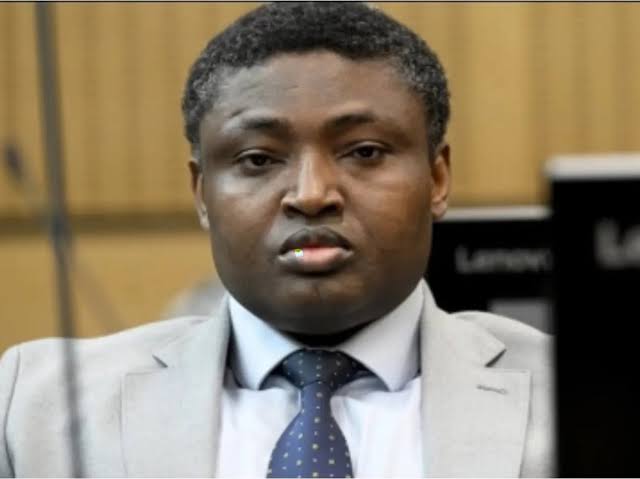
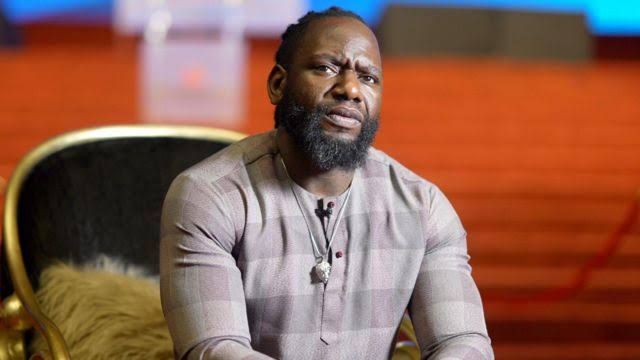
The leadership crisis at The Fountain of Life Church in Lagos has taken a dramatic new turn. On Tuesday, November 17, 2026, the church's Board of Trustees released a video recorded in December 2021 in which the late founder, Pastor Taiwo Odukoya, named Pastor Kunle Areogun as his preferred successor. Areogun is a senior pastor in the church and also a maritime executive, a dual profile that has quickly placed him at the center of a bitter and very public dispute. In the footage, the late founder explained that he was making the recording to clarify his wishes in case he died or became unable to communicate. He then stated his preference for Areogun to take over the spiritual leadership of the church. The release has reopened the controversy over the disputed removal of Pastor Jimmy Odukoya, the founder's son, who had served as senior pastor after his father's death. The trustees have insisted that Jimmy's removal stands and have appointed an interim leader to guide the church while the dispute plays out. Supporters of the board say the video settles the question of what the founder wanted. Supporters of Jimmy Odukoya question the timing of the release, the long delay since the recording, and whether a private video should override the leadership arrangement the congregation has lived under since 2023. At its heart, the crisis is about more than one pulpit. It raises hard questions about church governance in Nigeria, about whether ministries belong to families or to institutions, and about how much weight a founder's personal wishes should carry against the decisions of a congregation and its leaders. How Fountain of Life resolves this fight could shape how many Nigerian churches plan for life after their founders.
For years, the members of The Fountain of Life Church believed they knew how the story of their church would continue after its founder was gone. On Tuesday, a video changed that. The church's Board of Trustees released a recording made in December 2021 in which the late Pastor Taiwo Odukoya, speaking directly to the camera, named Pastor Kunle Areogun as the man he wanted to lead the church after him. It was not his son. It was not Pastor Jimmy Odukoya, who stepped into the senior pastor role after his father's death and whose disputed removal has already split the congregation. With a few minutes of footage, a man who has been gone for more than three years has become the most powerful voice in a fight over his own legacy.
The video is striking for its clarity of purpose. According to accounts of the footage, Taiwo Odukoya said he was making the recording so that his wishes would be known if he died or could no longer communicate them himself. That framing matters. It suggests a leader who was thinking carefully about succession and who wanted to leave no room for confusion. He then stated plainly that he preferred Areogun to take over the spiritual leadership of the church. For the trustees, that is the end of the argument. For many others, it is only the beginning of a much harder one.
Kunle Areogun is not a household name in the way the Odukoya family is. He is a senior pastor within Fountain of Life and has served the church for years, but he is also a maritime executive with a career in one of Nigeria's most demanding industries. That combination has drawn both admiration and suspicion. His supporters see a disciplined leader who understands management, accountability and the running of large organizations, qualities they say a church of this size badly needs. His critics ask whether a man with major business commitments can give a congregation the full attention it deserves, and whether his rise reflects spiritual calling or boardroom maneuvering. Areogun himself now stands in a position few people would envy. He has been named by the founder, embraced by the board and rejected by a large section of the church family, all at once.
To understand why the video has landed with such force, it helps to remember what Fountain of Life means to its members. Taiwo Odukoya founded the church in Lagos in the early 1990s and built it into one of the most influential ministries in the country. His preaching on faith, family and marriage drew large crowds and a strong following well beyond Nigeria. The church also carried deep personal history. His first wife, Pastor Bimbo Odukoya, was a beloved figure in her own right, known for her teaching on relationships and family life. She died in the Sosoliso Airlines crash in Port Harcourt in December 2005, a tragedy that shook the nation and bound the congregation even more closely to the Odukoya family. For many members, the church and the family were never fully separate things.
That is why Jimmy Odukoya's position felt natural to so many people. When Taiwo Odukoya died in 2023, his son took up the role of senior pastor. Many members welcomed him as a familiar face who carried his parents' name and story. Succession from father to son is common in Nigerian ministries, and in the emotional months after the founder's death, few people in the pews questioned it. The questions came later. The board's decision to remove Jimmy as senior pastor triggered a fierce backlash. His supporters accused the trustees of overreach and of pushing aside the founder's family. The board insisted it was acting within its authority and in the best interest of the church. The dispute spilled into public view, with statements, counterstatements and a growing sense that the church was drifting toward a split.
The release of the December 2021 video is clearly meant to end that argument in the board's favor. By showing the founder himself choosing Areogun, the trustees are telling members that Jimmy's removal was not a rejection of Taiwo Odukoya's legacy but a fulfillment of it. They have reinforced that message by standing firmly by the removal and appointing an interim leader to guide the church through the transition. In their account, the board is simply carrying out the wishes of the man who built the church.
Yet the video also raises uncomfortable questions that the board will have to answer. The most obvious is timing. The recording was reportedly made in December 2021, almost five years before its release. If the founder's wishes were clear all along, why did the church allow Jimmy Odukoya to take the pulpit in 2023? Why was the video not shared with the congregation then, when it could have guided a smooth transition and spared everyone the pain that followed? Jimmy's supporters argue that holding back the footage until the dispute reached a boiling point makes it look less like a sacred instruction and more like a weapon. Defenders of the board may reply that the trustees had hoped to avoid public conflict and only released the video when they felt they had no other choice. Both explanations are possible. Without a fuller account from the trustees, members are left to decide for themselves which one they believe.
There are also questions about how much legal and spiritual weight a video like this should carry. A recorded wish is powerful, especially when it comes from a respected founder. But churches in Nigeria are typically registered bodies with constitutions, trustees and formal processes for appointing leaders. If those documents give the board authority over leadership, then the video may support a decision the board already had the power to make. If they do not, a recording alone may not settle the matter. People can also change their minds. A preference stated in 2021 may or may not reflect what the founder would have wanted in the very different circumstances of 2023. None of this means the video should be ignored. It means the dispute is unlikely to end simply because the footage now exists.
The deeper tension is one many Nigerian churches know well. Is a ministry a family inheritance or an institution that belongs to its members? Across the country, some of the largest churches have been passed from founders to their children, and in many cases the transition has gone smoothly. In others, it has led to bitter splits, court cases and congregations divided between loyalty to a family and loyalty to a board. Founders often build their ministries around their own gifts and personalities. When they die, the people left behind must decide whether the church continues as a personal legacy or matures into an organization guided by rules and structures. Fountain of Life is now living through that choice in full public view.
There is a painful human side to this story as well. Whatever happens next, a son has been publicly passed over by his late father in front of the world. For Jimmy Odukoya, the video is not only a governance document. It is a message from a father he can no longer speak with, delivered at the worst possible moment and used in a fight he never expected to lose. For Areogun, the honor of being chosen is mixed with the burden of being seen by some as the man who replaced the founder's son. For the members, many of whom have prayed with both men and loved the Odukoya family for decades, there is grief, confusion and a fear that the church they built together could break apart.
Nigerian Christians outside the church are watching closely too. Fountain of Life has long been admired as a ministry with strong teaching and a respected name. A drawn out power struggle risks damaging that reputation and feeding wider public doubts about how churches handle money, authority and accountability. Critics of Nigeria's megachurch culture will see the crisis as proof that too many ministries are built around personalities instead of systems. Defenders will point out that the existence of a functioning board, willing to act, shows that structures do exist and can be enforced. Both camps will use the outcome as evidence for their view.
What happens next will depend on several things. The trustees will need to explain the timing of the video and show that their actions follow the church's own rules. Jimmy Odukoya and his supporters will have to decide whether to accept the board's decision, keep fighting from within, take the matter to court or build something new elsewhere. Areogun will need to show, through his conduct, that he can lead with humility and unite a wounded congregation rather than simply claim a title. And the interim leadership will carry the delicate task of keeping the church running while emotions remain raw.
The tragedy of the Fountain of Life crisis is that the man best placed to resolve it is the one person who cannot speak again, except through a recording made five years ago. Taiwo Odukoya clearly wanted his wishes to be known. He may also have hoped that his church would never need to fight over them. His video has answered one question about who he preferred. It has not answered the harder question of whether his followers can honor that choice without tearing apart the family and the community he spent his life building.