GAMBIA’S DEMOCRATIC TRANSITION FACES CRUCIAL TEST AS ECONOMIC HARDSHIP AND DELAYED JUSTICE DOMINATE PRESIDENTIAL ELECTION
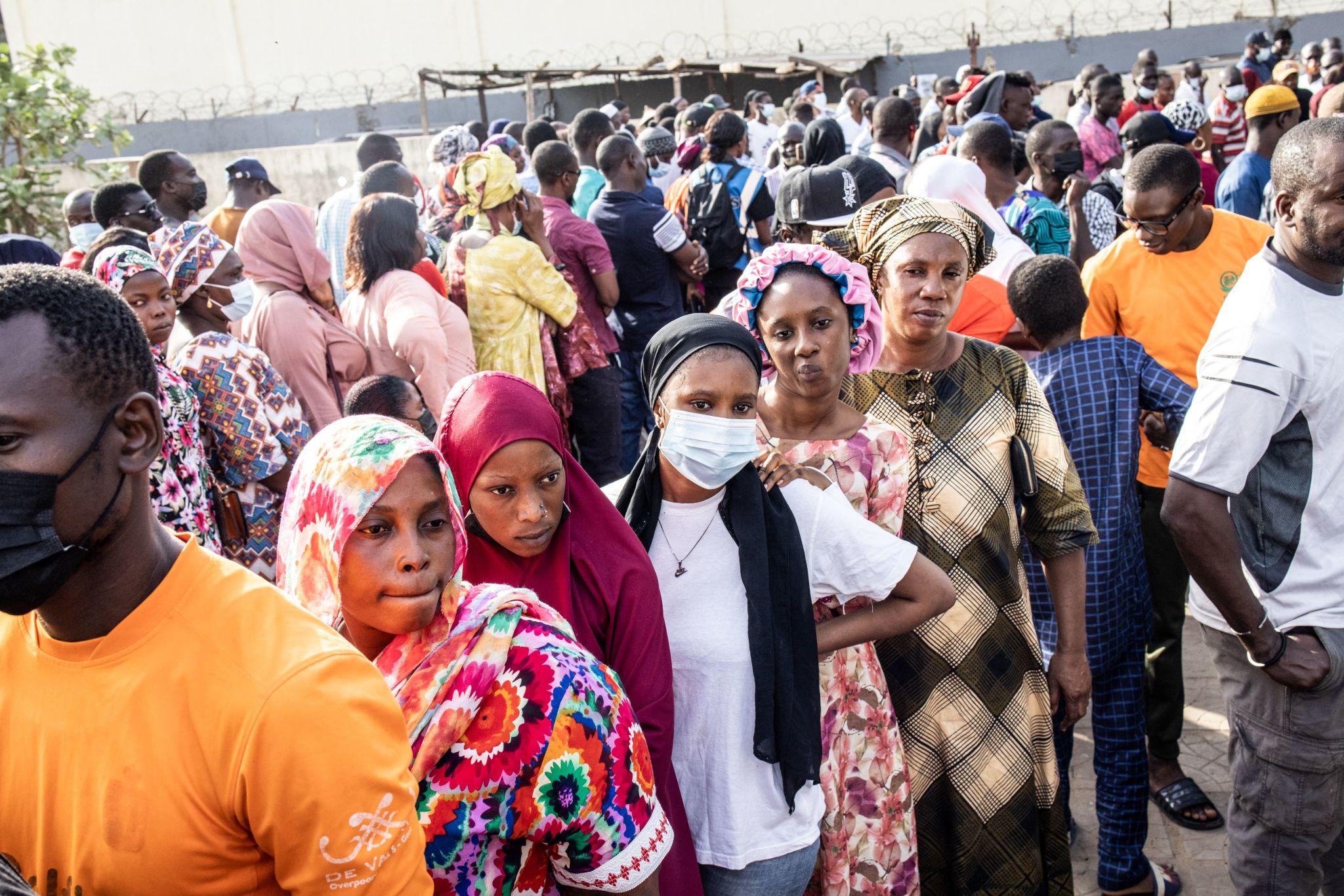
The Gambia is preparing for its December 5, 2026 presidential election amid growing public concerns over unemployment, rising living costs, unreliable electricity supplies, inadequate public services and delayed justice for victims of human rights violations committed during former President Yahya Jammeh's administration. Incumbent President Adama Barrow is seeking a third term against seven challengers, including Ousainou Darboe, Talib Ahmed Bensouda and former Vice President Isatou Touray, as the country continues confronting unresolved constitutional reforms nearly a decade after its democratic transition. Despite continued economic growth, national unemployment stands at 8.3 percent, youth unemployment at 11.5 percent, and many households remain under substantial financial pressure, placing economic opportunity, institutional accountability and transitional justice at the center of the election.
Nearly a decade after Gambians brought an end to Yahya Jammeh’s 22-year rule through a historic presidential election, the West African nation is preparing to return to the polls amid growing frustration over economic hardship, unemployment, unreliable public services and the slow implementation of reforms that were intended to transform the country following its transition from authoritarian government. The presidential election scheduled for December 5, 2026, will see incumbent President Adama Barrow seek a third term against seven challengers, with voters confronting difficult questions about whether the democratic progress achieved since 2017 has translated into meaningful improvements in their everyday lives. While The Gambia has made important advances in political freedom, institutional development and international engagement, persistent poverty, limited employment opportunities, electricity shortages and unresolved human rights cases continue to generate concerns about the direction of the country. For many citizens, the approaching election represents an opportunity to assess not only the competing promises of political candidates but also the extent to which the expectations that accompanied Jammeh’s departure have been fulfilled.
The Independent Electoral Commission initially approved nine presidential candidates following the conclusion of the nomination process on November 14, but subsequently confirmed that eight remained in the contest after Ansu Sanneh of the National Builders Party withdrew his candidacy. The election brings together established political figures, former government officials and representatives of newer political movements seeking to reshape the country’s leadership. Among those challenging Barrow are veteran opposition leader Ousainou Darboe of the United Democratic Party, former Kanifing Municipality Mayor Talib Ahmed Bensouda and former Vice President Isatou Touray, who is seeking to become the first woman elected president of The Gambia. The official campaign period began on November 16, providing candidates with an opportunity to present their proposals to an electorate increasingly concerned about the affordability of basic necessities, the quality of government services and the credibility of promises concerning institutional reform.
The election carries particular historical significance because Barrow initially came to power through a coalition of opposition parties that united behind his candidacy in 2016 with the objective of ending Jammeh’s prolonged presidency. His victory was celebrated across West Africa as an important demonstration of the ability of democratic elections to produce political change in a region where entrenched leaders had frequently resisted efforts to remove them from office. Jammeh initially accepted the result before reversing his position and refusing to relinquish power, triggering a constitutional and diplomatic crisis that required intervention by the Economic Community of West African States. Regional pressure eventually forced him to leave The Gambia in January 2017, allowing Barrow to assume office and begin a transition that generated considerable optimism among citizens who had experienced decades of restrictions on political opposition, freedom of expression and fundamental human rights.
The expectations surrounding that transition extended considerably beyond the removal of a single political leader. Gambians anticipated the development of stronger democratic institutions, greater transparency in government, improved access to justice and economic opportunities capable of reducing the hardship that had encouraged thousands of citizens to seek better prospects abroad. Barrow’s administration introduced reforms that expanded political freedoms and allowed civil society organizations, journalists and opposition movements to operate within a substantially different environment from the one that existed under Jammeh. However, the failure to complete several major institutional reforms has created growing disagreements about whether the country’s democratic transition is progressing at an acceptable pace. Those concerns have become increasingly relevant as Barrow seeks a third term despite earlier commitments associated with constitutional reform and restrictions on presidential tenure.
The Gambia continues to operate under its 1997 Constitution, which does not impose presidential term limits and therefore permits Barrow to contest another election. Efforts to replace the constitution have encountered significant political and legislative obstacles, including disagreements over the powers of the presidency and whether Barrow’s previous years in office should count toward any newly introduced term limit. A draft constitution developed through a public consultation process proposed limiting presidents to two terms and introducing institutional safeguards designed to strengthen democratic accountability. However, the document failed to obtain the parliamentary support necessary for its adoption in 2020, leaving the country without one of the principal constitutional reforms that had been anticipated following Jammeh’s departure.
Barrow has maintained that political disagreements within the National Assembly prevented his administration from completing the constitutional reform process. During the current election campaign, he has renewed his commitment to introducing a new constitution containing presidential term limits if voters grant him another mandate and his party secures sufficient parliamentary support. His opponents, however, have questioned the administration’s commitment to reforms that remain unfulfilled nearly a decade after the democratic transition began. Darboe has pledged to reintroduce the 2020 constitutional draft within his first 100 days in office if elected, while his party’s manifesto also commits him to serving a single five-year presidential term. These competing promises have placed the constitutional future of The Gambia alongside economic policy as one of the defining subjects of the election campaign.
Despite the significance of constitutional reform, immediate economic pressures remain among the most prominent concerns expressed by voters. A nationwide survey conducted by the Centre for Policy, Research and Strategic Studies between October 17 and November 1 found that 43 percent of respondents identified the cost of living as the country's most important issue, while another 14 percent identified food prices as their principal concern. The survey interviewed 1,180 eligible registered voters across all eight local government areas and also revealed substantial dissatisfaction with the condition of the national economy. Approximately 80 percent of respondents assessed economic conditions negatively, illustrating the considerable difference that can exist between national economic performance indicators and the financial experiences of individual households.
The public dissatisfaction comes despite evidence that The Gambia’s economy has continued to expand. In its July 2026 assessment, the International Monetary Fund estimated that gross domestic product grew by six percent in 2025, supported by economic activity including agriculture and construction. The IMF acknowledged the country’s continued economic progress while emphasizing the importance of controlling expenditure, managing public finances and maintaining policies capable of containing inflation. The World Bank has similarly projected continued economic growth during 2026, although it has identified risks associated with agricultural performance, imports and the broader economic environment. These assessments indicate that The Gambia is not experiencing a complete absence of economic growth, but they also highlight the challenge of translating expanding national output into improvements in purchasing power, stable employment and access to essential services.
For households struggling with everyday expenses, a reduction in inflation does not necessarily mean that the prices of essential goods have returned to previous levels. Inflation measures the rate at which prices increase, meaning that even when the rate declines, food, transportation and other necessities may continue becoming more expensive. Families whose incomes have remained relatively unchanged can therefore experience continued financial hardship despite improvements in inflation statistics. This distinction is particularly important in a country where a significant proportion of workers rely on informal employment, small businesses and agricultural activities that may not provide predictable monthly earnings or protection against sudden increases in living costs.
Employment has consequently emerged as another major issue confronting the presidential candidates, particularly among younger Gambians attempting to establish independent lives. Findings from the 2025 Gambia Labour Force Survey placed national unemployment at 8.3 percent, compared with 7.6 percent in the 2022–2023 survey. Among people aged 15 to 35, unemployment stood at 11.5 percent, while approximately 41.3 percent of individuals within that age group were neither employed nor participating in education or training. Although the latter figure represents an improvement from the previous survey, it nevertheless reveals the substantial difficulties confronting young people who have not been successfully integrated into the labor market or educational system.
The official unemployment rate also provides only a partial picture of the economic conditions experienced by many Gambian workers. A person who earns limited income through occasional trading, agricultural work or other informal activities may be classified as employed even when that income is insufficient to meet basic household expenses. According to reporting on the national labor force survey, informal employment accounts for approximately 81 percent of total employment in The Gambia, demonstrating the extent to which economic activity takes place outside formal salaried positions. Informal businesses provide important sources of income and entrepreneurial opportunities, but workers operating within that sector frequently lack employment contracts, pensions, social insurance and other protections available through more formal arrangements.
The shortage of stable employment has become particularly frustrating for university graduates whose families have invested considerable resources in their education. Some graduates interviewed by Al Jazeera ahead of the election described difficulties securing positions because employers frequently demand previous professional experience from applicants seeking their first jobs. Those requirements can create a persistent cycle in which graduates cannot obtain employment without experience but cannot acquire the necessary experience without being given an opportunity to work. Their concerns raise important questions about the relationship between higher education, vocational training and the requirements of the private sector, particularly in an economy that must create additional opportunities for an expanding working-age population.
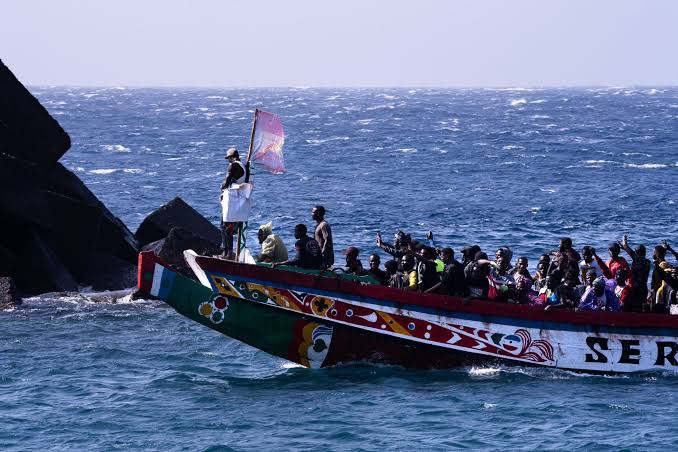
For some young Gambians, the inability to secure sustainable employment has contributed to the perception that migration offers one of the few available routes toward financial independence. Irregular migration to Europe, commonly referred to locally as the backway, has become a deeply significant social and economic issue, with families frequently confronting the consequences of dangerous journeys across the Atlantic Ocean and Mediterranean Sea. Although successful migrants may send money home and contribute to household welfare, others encounter exploitation, detention, financial losses or life-threatening emergencies during their journeys. The continued willingness of young people to undertake those risks reflects the severity of the economic frustrations experienced by individuals who believe their prospects at home remain limited.
The relationship between unemployment and migration presents the incoming administration with a challenge that cannot be addressed solely through border enforcement or public warnings about the dangers of irregular travel. Policies intended to reduce migration-related risks must also consider the availability of sustainable livelihoods, access to vocational training, opportunities for young entrepreneurs and the development of employment-generating industries. Agriculture, tourism, construction and other service industries remain important components of the Gambian economy, but expanding their ability to provide stable employment will require investment, infrastructure improvements and policies that allow businesses to operate efficiently. The success of employment initiatives will ultimately depend not simply on how many people receive training but on whether that training leads to durable opportunities and improved earnings.
The difficulties facing small businesses have become especially pronounced because of persistent electricity shortages affecting communities across the country. Restaurants, grocery stores, workshops and other enterprises depend on reliable electricity to preserve goods, operate equipment and serve customers, making prolonged outages particularly damaging to their finances. Recent reporting has documented business owners experiencing interruptions lasting many hours, resulting in spoiled food, lost sales and additional expenditure on alternative power sources. For entrepreneurs attempting to build sustainable businesses with limited financial resources, those losses can undermine profitability and discourage expansion even when demand for their products remains strong.
Electricity shortages have also affected the delivery of other essential services, including water supplies, healthcare and education. Pumping systems require reliable power, medical facilities depend on electricity to operate equipment and preserve certain medicines, while students increasingly require access to lighting and digital technology. When outages become prolonged or unpredictable, the consequences can extend far beyond inconvenience, creating additional expenses for families and disrupting activities that are fundamental to economic development. The electricity crisis therefore represents an important example of how infrastructure weaknesses can affect several areas of national life simultaneously.
Public frustration over power shortages has already resulted in demonstrations, highlighting the political sensitivity of the problem ahead of the December election. The CepRass survey found that more than half of respondents experienced electricity interruptions either daily or several times a week, while 66 percent indicated that the electricity situation would influence their electoral decisions. Those findings reflect the prominence of electricity reliability as a public concern, particularly because households and businesses are directly exposed to its consequences. Unlike some national economic indicators that require technical interpretation, the availability of electricity is something citizens can evaluate through their own experiences, making improvements or failures in the sector particularly visible.
The government has nevertheless continued pursuing projects intended to improve electricity access and strengthen the country's energy infrastructure. In June 2026, the World Bank approved additional regional energy financing that included $50 million for The Gambia, supporting efforts to extend electricity connections to communities that remain without access and develop renewable energy capacity. The project represents part of a wider attempt to strengthen electricity availability through infrastructure investment and regional cooperation. However, the distinction between expanding access to electricity and ensuring that existing customers receive a dependable supply remains crucial, because connecting additional households will not resolve every problem if generation capacity, distribution infrastructure and system reliability remain inadequate.
The financial pressures associated with unreliable electricity are particularly difficult for citizens already confronting widespread poverty. Figures published by the Gambia Bureau of Statistics indicated that 53.4 percent of the population lived below the national poverty line in 2020, with substantially higher poverty levels in rural communities than in urban areas. Those figures provide an important historical baseline for assessing the country's development challenges, but they should not be treated as a newly measured poverty rate for November 2026. Nevertheless, they demonstrate the considerable scale of economic vulnerability that existed during the earlier years of Barrow's presidency and explain why improvements in employment, agricultural productivity and access to affordable public services remain central to political debate.
Healthcare affordability has also become an important concern for families attempting to manage limited household budgets. When medical treatment, transportation to health facilities and essential medicines consume a significant share of family income, illness can become a financial emergency as well as a medical problem. Citizens interviewed during the election campaign have called for improvements in healthcare access alongside measures addressing food costs and unemployment, reflecting the interconnected nature of household economic insecurity. A family struggling to afford daily necessities may have limited capacity to save for unexpected medical expenses, making accessible public healthcare an important component of any strategy intended to improve living standards.
Rural development presents another significant challenge because economic opportunities and public services are not distributed evenly throughout The Gambia. Communities outside major urban areas frequently depend on agriculture and small-scale trading, making their incomes particularly vulnerable to changes in weather, crop productivity, transportation costs and market conditions. Improving rural roads, irrigation infrastructure, agricultural storage and access to credit could help strengthen productivity and reduce some of the economic pressures encouraging migration toward urban centers or foreign countries. However, such investments require sustained implementation and coordination between government institutions, local communities and private businesses rather than isolated announcements during election campaigns.
Alongside these economic challenges, the unfinished process of accountability for abuses committed during Jammeh's presidency remains one of the most sensitive issues confronting the country's democratic transition. Families affected by enforced disappearances, unlawful detention, torture and other serious human rights violations have spent years seeking information, compensation and justice through mechanisms established after the change of government. The creation of the Truth, Reconciliation and Reparations Commission represented an important institutional response to those demands, providing a public platform through which victims and witnesses could describe experiences that had frequently remained concealed during the previous administration. Its work produced an extensive record of abuses and recommendations intended to support accountability, compensation and institutional reforms.
The commission's findings established the need for measures extending beyond the payment of financial compensation. Its recommendations addressed criminal accountability, the protection of fundamental rights, institutional reform and mechanisms designed to prevent similar violations from recurring. The government accepted the overwhelming majority of the recommendations and published an implementation framework, creating expectations that the transition would gradually move from documenting abuses toward prosecuting those responsible and providing meaningful assistance to victims. However, human rights organizations have repeatedly expressed concern about the pace of implementation, arguing that many individuals directly affected by the previous administration continue waiting for outcomes that were promised several years ago.
Kebba Jome, national coordinator of the Gambia Centre for Victims of Human Rights Violations, told Al Jazeera that fewer than one-quarter of the commission's 263 recommendations had been fully implemented. His assessment reflects concerns among victims' organizations rather than an independently audited implementation figure for every recommendation. Nevertheless, it is consistent with earlier assessments documenting considerable delays in completing the transitional justice program. An earlier monitoring exercise cited in the Bertelsmann Transformation Index country report indicated that by the end of 2024 only a small proportion of accepted recommendations had been fully implemented, emphasizing the extent of the work that remained outstanding during the transition.
The government has taken several steps intended to accelerate that process. In cooperation with international partners and civil society organizations, it has developed legislation supporting specialized accountability mechanisms, established a reparations commission and created arrangements for a dedicated prosecutor's office. The United Nations Development Programme reported in July 2026 that the administration was preparing additional strategies intended to consolidate transitional justice reforms and move existing institutions toward operational implementation. These developments demonstrate that the justice process has not remained entirely inactive, although establishing institutions and adopting legislation do not necessarily produce immediate prosecutions or financial relief for every affected family.
One of the most significant developments has been the establishment of an ECOWAS-backed special tribunal designed to address serious crimes committed during Jammeh's presidency. The regional organization approved the tribunal's creation in December 2024, establishing an internationalized judicial mechanism in partnership with The Gambia. The initiative is intended to strengthen the country's ability to prosecute serious violations while drawing on regional legal expertise and institutional cooperation. Victims' representatives have expressed hope that proceedings will begin during 2027, but the precise timetable remains dependent on the completion of preparatory work, financing arrangements and decisions concerning individual cases.
The special tribunal could become a defining element of The Gambia's transitional justice process because many victims regard criminal accountability as an essential complement to reparations. Financial compensation can provide assistance to individuals confronting medical expenses, unemployment or the loss of relatives, but it does not independently establish responsibility for abuses or deliver judicial findings against alleged perpetrators. Trials conducted under appropriate legal safeguards could provide an authoritative record of individual responsibility while preserving the rights of defendants to challenge allegations and receive fair hearings. The credibility of the tribunal will therefore depend on its independence, procedural integrity and ability to operate without political interference.
The question of Yahya Jammeh's own potential accountability remains particularly complicated because the former president has lived in exile in Equatorial Guinea since leaving office in January 2017. His departure allowed The Gambia to resolve the immediate constitutional crisis created by his refusal to accept the 2016 election result, but it also placed him outside the direct reach of Gambian authorities. Any effort to bring him before a judicial mechanism would require substantial legal and diplomatic cooperation, including consideration of jurisdiction, extradition and the position of the government hosting him. The establishment of a special tribunal therefore represents an important institutional development without automatically guaranteeing that every individual implicated in past abuses will appear before it.
The recovery of assets linked to Jammeh has provided another avenue through which authorities can support victims. In October, the Associated Press reported that The Gambia had received funds derived from the forfeiture of property previously owned by the former president in the United States, with the money designated for reparations. Victims' organizations welcomed the development as an important contribution toward compensation, particularly because many individuals continue experiencing financial hardship connected to abuses committed during the former administration. However, recovered assets represent only one component of the broader justice process, and their distribution must be accompanied by transparent procedures capable of ensuring that assistance reaches those entitled to receive it.
For victims living with permanent injuries or the loss of family members, the passage of time has increased the urgency of the justice process. Some individuals affected by abuses have experienced significant medical expenses, reduced employment opportunities and difficulties supporting their dependants. Compensation received through established mechanisms may provide temporary assistance without necessarily covering the long-term consequences of those experiences. Victims' organizations have consequently emphasized that effective reparations should consider healthcare, rehabilitation, psychological assistance and other forms of support alongside direct financial payments.
The election has brought these unresolved issues into sharper political focus because the next administration will inherit responsibility for implementing reforms that extend beyond a single electoral term. Transitional justice institutions require sustained financing, legal independence and consistent cooperation across government departments, regardless of which political party controls the presidency. Interruptions to those arrangements could further delay proceedings and increase frustration among families who have already waited years for accountability. Candidates' commitments concerning constitutional reform, judicial independence and the prosecution of historical abuses are therefore relevant not only as campaign promises but also as potential indicators of how the next government intends to approach institutional continuity.
The Gambia's democratic experience has also attracted considerable attention across West Africa because its political transition occurred during a period when the region has confronted military coups, constitutional disputes and challenges to democratic governance. The peaceful transfer of power following the 2016 election, despite the crisis that initially followed the announcement of the result, demonstrated the importance of coordinated regional diplomacy and institutional support for electoral outcomes. Since then, The Gambia has continued holding competitive elections and maintaining a political environment in which opposition parties can participate openly. Those developments distinguish the present period from the restrictions associated with Jammeh's presidency, even as disagreements over institutional reform and government performance remain unresolved.
Election observers and international organizations have emphasized the importance of protecting those democratic gains during the approaching vote. A pre-election assessment conducted by the National Democratic Institute in August examined electoral preparations, political participation and the wider institutional environment, encouraging stakeholders to support a peaceful and credible process. Presidential candidates subsequently participated in a peace pact intended to discourage electoral violence and promote responsible political conduct. Such commitments are particularly important during competitive elections, when disagreements over campaign activities, electoral administration or announced results can create tensions if political leaders do not encourage supporters to respect established procedures.
The country's electoral system remains distinctive because voters traditionally cast their ballots using marbles placed inside containers assigned to individual candidates. The system was developed partly to accommodate voters with different levels of literacy, allowing citizens to participate without needing to complete conventional written ballot papers. Candidate photographs, party colors and other identifying features help voters distinguish between the available choices. Although the method differs from paper-based systems used in many other democracies, its credibility depends on the same fundamental principles, including ballot secrecy, accurate counting, equal treatment of candidates and transparent procedures for resolving electoral disputes.
Questions concerning electoral integrity have remained prominent during the campaign, with civil society organizations encouraging citizens to reject intimidation, misinformation and vote buying. The increasing use of digital platforms has created additional opportunities for candidates to communicate directly with supporters while also increasing the risk that misleading information can circulate rapidly before it is independently verified. Electoral authorities, journalists and civic organizations consequently face the challenge of maintaining public access to accurate information without unnecessarily restricting legitimate political expression. Their ability to communicate verified developments will become particularly important as campaigning concludes and attention shifts toward polling, counting and the announcement of results.
For the candidates, the immediate challenge is presenting credible proposals that respond to the combination of economic, institutional and humanitarian concerns confronting the country. Barrow's administration can point to continuing economic growth, infrastructure projects and progress in establishing transitional justice mechanisms, while its critics argue that rising living costs, delayed constitutional reform and service-delivery problems demonstrate the need for a different approach. Opposition candidates have presented proposals addressing government expenditure, employment creation, institutional accountability and improvements in healthcare, education and electricity. The practical value of those proposals will depend on their financial feasibility, implementation plans and ability to produce measurable improvements rather than the attractiveness of campaign language alone.
The next administration will also confront significant fiscal constraints regardless of the election outcome. Improving public services, expanding employment programs, investing in infrastructure and financing transitional justice institutions all require substantial resources. The IMF has urged The Gambia to maintain expenditure discipline during the election year and continue implementing reforms designed to strengthen public financial management. That creates a difficult policy environment in which government leaders must respond to legitimate public demands while ensuring that spending commitments remain sustainable and do not create additional financial pressures through excessive borrowing or poorly managed expenditure.
The relationship between democratic governance and economic performance has consequently become central to the political discussion. Citizens may recognize the value of competitive elections, political freedoms and stronger institutional protections while simultaneously expressing dissatisfaction with their material circumstances. Economic hardship does not necessarily negate the democratic achievements of the past decade, just as democratic progress does not eliminate the government's responsibility to address unemployment, poverty and unreliable public services. The December election provides an opportunity for Gambians to assess these issues together and consider competing approaches to the country's economic development and institutional future.
Nearly ten years after the historic vote that ended Jammeh's presidency, The Gambia has established important foundations for democratic government, but several of the ambitions associated with that transition remain incomplete. The country continues confronting the challenge of creating sufficient employment for its young population, protecting households from rising living costs and ensuring that essential public services operate reliably. At the same time, victims of historical abuses continue demanding accountability, while constitutional reform remains a subject of unresolved political disagreement. These overlapping concerns demonstrate why the coming election cannot be understood solely as a competition between individual presidential candidates or political parties.
When Gambians cast their votes on December 5, they will be participating in a democratic process whose significance extends beyond the immediate selection of a president. The outcome will determine which administration assumes responsibility for managing the economy, advancing institutional reforms and overseeing the next phase of transitional justice. However, the longer-term measure of democratic progress will remain the government's ability to implement credible policies, respect constitutional principles and respond effectively to the concerns expressed by citizens. For a country that generated considerable international optimism when it emerged from decades of authoritarian rule, the approaching election represents another important stage in the continuing effort to translate political freedom into lasting institutional accountability and meaningful improvements in everyday life.