

GHANA CEDI EXPECTED TO REMAIN UNDER PRESSURE AGAINST US DOLLAR
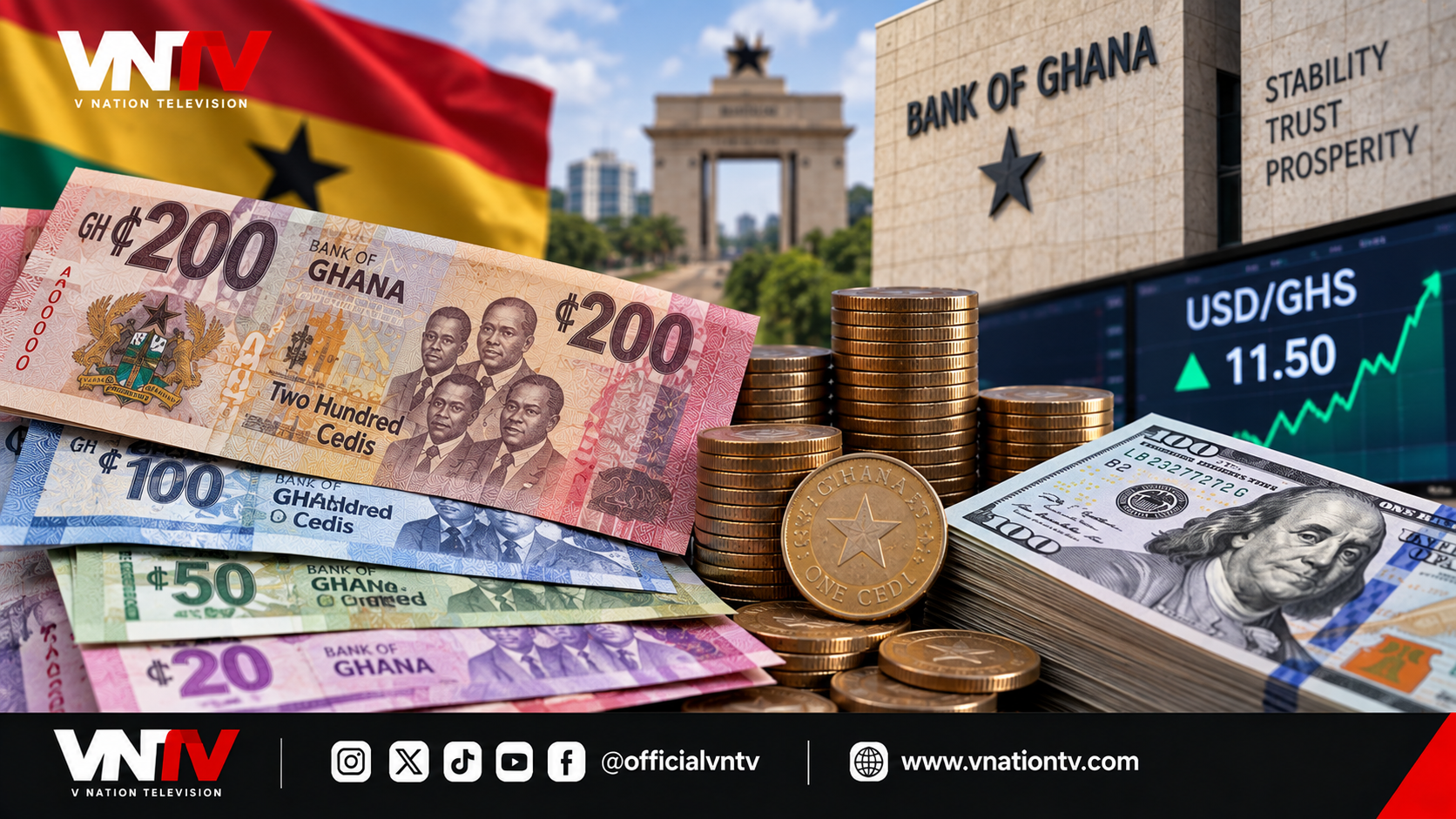
The Ghanaian cedi is expected to remain under pressure against the US dollar over the coming week as foreign currency demand from the energy and services sectors exceeds supply. Traders, however, expect central bank support and gold related dollar inflows to help limit significant depreciation.
The Ghanaian cedi is expected to remain under pressure against the US dollar over the coming week as demand for foreign currency from the energy and services sectors continues to exceed available supply, according to traders.
Reuters reported that the cedi was trading at around GH¢11.50 to the dollar on Thursday, compared with approximately GH¢11.45 a week earlier.
The expected weakness comes as several African currencies face pressure from stronger demand for dollars and elevated global energy prices.
Uganda's shilling and Zambia's kwacha are also expected to weaken during the coming week.
DOLLAR DEMAND PUTS PRESSURE ON CEDI
Traders said demand for dollars from Ghana's energy and services sectors remains one of the main sources of pressure on the local currency.
Businesses that import fuel, equipment, raw materials and other goods often require dollars to complete international transactions.
When demand for foreign currency exceeds supply, the cedi can come under depreciation pressure.
However, traders do not currently expect a sharp decline.
Support from the Bank of Ghana and foreign currency inflows associated with Ghana's gold sector are expected to help meet some of the demand in the market.
CENTRAL BANK SUPPORT COULD LIMIT WEAKNESS
A trader cited by Reuters said authorities have adequate reserves and are expected to intervene if excess demand threatens currency stability.
That could help prevent the cedi from weakening significantly beyond current levels.
Ghana has increasingly relied on gold related foreign exchange mechanisms as part of efforts to improve dollar liquidity and support the local currency.
The effectiveness of those interventions will remain important as demand from businesses continues.
HIGHER ENERGY PRICES ADD TO PRESSURE
The currency outlook comes against the backdrop of elevated global energy prices following renewed instability in the Middle East.
Higher oil prices can create additional pressure for countries that depend heavily on imported petroleum products because importers require more foreign currency to purchase fuel.
For Ghana, sustained increases in international oil and fuel costs could increase demand for dollars from the energy sector.
A weaker cedi can also make imported products more expensive in local currency terms.
WHY CEDI WEAKNESS MATTERS FOR CONSUMERS
Movements in the cedi can have wider consequences for Ghana's economy because the country imports significant quantities of fuel, machinery, food products and other goods priced in foreign currencies.
If the cedi depreciates significantly against the dollar, businesses may face higher import costs.
Those costs can eventually be passed on to consumers through higher prices, potentially adding to inflationary pressures.
The impact, however, depends on several factors including the size and duration of any depreciation, global commodity prices and the extent to which businesses pass higher costs to consumers.
OTHER AFRICAN CURRENCIES ALSO FACE PRESSURE
Ghana is not alone in facing currency pressure.
Uganda's shilling is expected to extend recent losses as demand for dollars remains strong among manufacturers and energy companies.
Zambia's kwacha is also expected to edge lower because of corporate and import related demand for foreign currency.
Nigeria's naira and Kenya's shilling, meanwhile, are expected to remain broadly stable over the coming week, according to traders surveyed by Reuters.
For Ghana, attention will now focus on dollar supply, energy sector demand and possible Bank of Ghana intervention as traders assess whether the cedi can remain close to current levels.