GLOBAL OIL PRICES CLIMB AS SAUDI REFINERY ATTACK AND MIDDLE EAST TENSIONS THREATEN ENERGY SUPPLIES
Global crude oil prices climbed on Friday, November 27, 2026, as renewed attacks on Saudi Arabian energy infrastructure and commercial vessels in the Strait of Hormuz intensified concerns about international petroleum supplies. Brent crude traded above $97 per barrel following an attack that temporarily disrupted operations at Saudi Aramco’s Jazan refinery and killed a Nepalese worker. Traders are also assessing seasonal winter fuel demand and awaiting the upcoming OPEC+ meeting, with prolonged supply disruptions potentially increasing energy costs for businesses and consumers across Asia, Europe, Africa and North America.
Global oil prices extended their recovery on Friday, November 27, 2026, as renewed attacks on Saudi Arabian energy infrastructure and commercial vessels navigating the Strait of Hormuz heightened concerns over international petroleum supplies. The latest disruption at Saudi Aramco’s Jazan refinery has intensified uncertainty across energy markets, with traders assessing the possibility of further interruptions to Middle Eastern exports at a time when major economies are preparing for increased seasonal fuel consumption during the Northern Hemisphere’s winter months.
International benchmark Brent crude rose to $97.30 per barrel at approximately 9:35 a.m. GMT, according to Reuters, after reaching its highest level since November 9 earlier in the trading session. Both major crude benchmarks were heading toward their first weekly gains in November, reversing a three-week losing streak as concerns over the security of energy infrastructure overshadowed expectations that recovering Middle Eastern exports would ease pressure on international supplies.
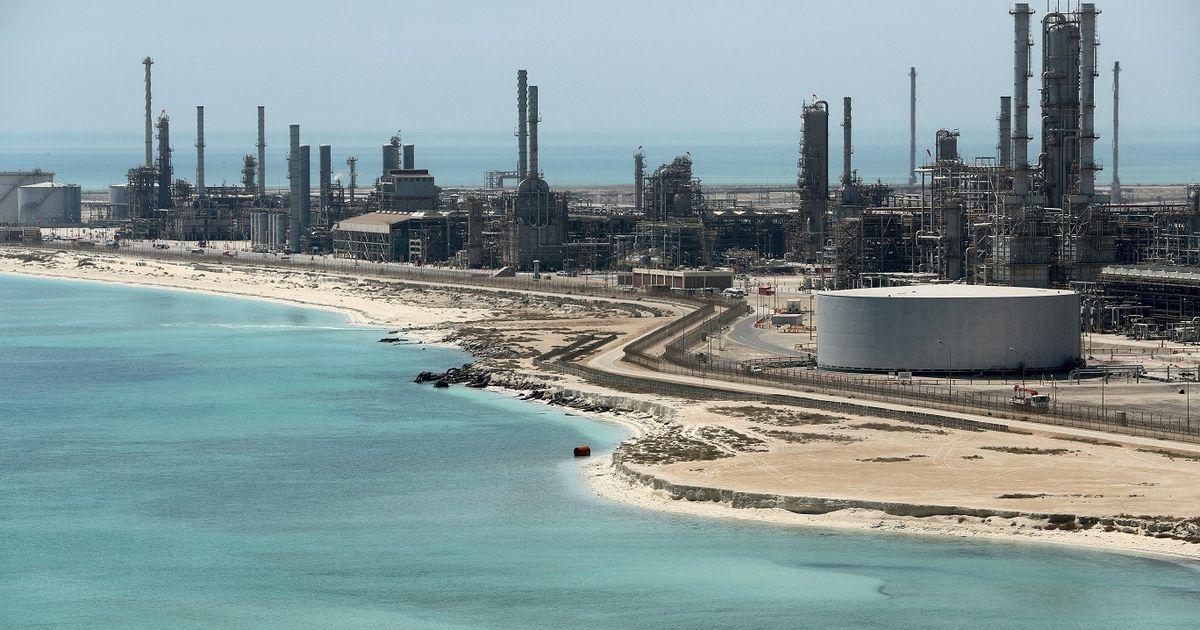
The market recovery followed confirmation from Saudi Arabia’s Ministry of Energy that some operations at the Jazan refinery had been temporarily suspended after an attack on Thursday. A Nepalese worker was killed in the incident, while Saudi authorities began assessing the damage and examining the safety of affected facilities. The Saudi-led coalition attributed the attack to Yemen’s Iran-aligned Houthi movement, adding another dimension to the regional confrontation that has repeatedly disrupted international energy markets.
The Jazan refinery is an important component of Saudi Arabia’s extensive petroleum processing network, supporting the kingdom’s efforts to expand its production and export of refined petroleum products. Its location near the Red Sea provides Saudi Arabia with access to maritime commercial routes outside the Persian Gulf, making the facility strategically significant as the country seeks to maintain reliable energy exports despite security threats affecting other parts of the region.
Although the temporary suspension of refinery operations does not necessarily translate into an equivalent reduction in Saudi crude oil production, the incident has generated concerns about the availability of refined petroleum products, including diesel and other industrial fuels. Refinery disruptions can affect international energy markets differently from interruptions at crude oil production facilities, particularly when demand for finished petroleum products increases while alternative processing capacity remains limited.
The Jazan incident followed another reported attack earlier in the week involving Saudi Arabia’s Ras Tanura energy infrastructure. The recurrence of attacks against facilities associated with the kingdom’s petroleum industry has increased uncertainty surrounding the resilience of regional supply networks and the ability of major producers to sustain normal commercial operations amid continuing hostilities.
Saudi Arabia has long occupied a central position within the global petroleum industry, both as a major exporter and as an influential member of the Organization of the Petroleum Exporting Countries. Its production capabilities, refining infrastructure and international commercial relationships make developments affecting the kingdom particularly important to energy traders, governments and industries that rely on stable petroleum supplies.
The renewed threats have emerged during a period in which global energy markets had begun adjusting to improving export volumes from the Middle East. Earlier in November, crude prices experienced considerable downward pressure as traders responded to indications that international petroleum supplies were recovering. Expectations of a more adequately supplied market contributed to declining prices before the latest regional attacks prompted investors to reassess those assumptions.
Brent crude remains substantially below levels recorded earlier in the month despite its recent recovery, illustrating the extent to which the market has fluctuated between expectations of improved supply and fears of renewed disruption. The latest gains have not entirely reversed November’s broader decline, but they demonstrate how quickly geopolitical developments can alter market expectations when strategically important energy infrastructure becomes vulnerable.
The Strait of Hormuz remains central to those concerns because of its role in connecting major petroleum-exporting countries with international markets. Saudi Arabia, Iraq, Kuwait, Qatar and the United Arab Emirates depend to varying degrees on maritime routes through the region to transport crude oil, refined petroleum products and liquefied natural gas to consumers across Asia, Europe and other parts of the world.
Continuing attacks against commercial vessels have complicated efforts to restore normal shipping activity through the waterway. Maritime operators, energy companies and insurance providers must consider the potential risks associated with transporting valuable cargo through areas affected by military confrontation, with those assessments influencing the availability and cost of international shipping services.
Even when individual attacks do not result in extensive damage to petroleum production facilities or commercial vessels, repeated security incidents can have significant economic consequences. Shipping companies may revise their operating arrangements, insurers may increase premiums associated with high-risk maritime activity, and energy purchasers may seek supplies from alternative producers to reduce their exposure to possible delivery disruptions.
Such adjustments can increase the overall cost of delivering petroleum products to international consumers. A barrel of crude oil purchased from a producer represents only one component of the final cost, which can also include transportation, maritime insurance, storage, refining and distribution expenses. Consequently, disruptions affecting commercial shipping can place upward pressure on energy prices even when global crude production remains relatively stable.
The situation is particularly important for Asian economies, many of which depend heavily on petroleum imports from the Middle East. China, India, Japan and South Korea operate extensive industrial and transportation networks requiring reliable access to energy supplies, while several other economies across Southeast Asia rely on imported petroleum to support manufacturing activity, electricity generation and domestic transportation.
China’s manufacturing sector remains sensitive to fluctuations in energy prices because of its extensive use of industrial fuels and petroleum-derived materials. Although the country has diversified its energy relationships and invested substantially in alternative power generation, crude oil continues to occupy an important position within its transportation, petrochemical and manufacturing industries.
India faces similar challenges as one of the world’s major petroleum consumers. Higher international crude prices can increase the country’s import expenditure, place pressure on foreign exchange resources and raise production costs for businesses operating across multiple sectors. The consequences for households depend partly on government pricing arrangements, taxation policies and decisions by petroleum distribution companies.
Japan and South Korea are also closely monitoring developments because of their substantial dependence on imported energy. Both countries have invested in strategic petroleum reserves and diversified commercial relationships to manage potential supply disruptions, but prolonged instability affecting Middle Eastern exports could still create significant financial and logistical challenges for their industrial economies.
The approaching winter season introduces another consideration for global energy traders. Colder weather across parts of North America, Europe and Asia can increase demand for heating fuels, placing additional pressure on energy inventories when households and businesses require more resources to maintain normal operations. The extent of that increase depends on temperature patterns, existing storage levels and the availability of competing energy sources.
In the United States, winter weather can influence petroleum markets through several channels, including increased consumption of heating oil in colder regions and possible disruptions to transportation and industrial activity. Severe storms can also complicate fuel distribution, particularly when road networks, ports and energy infrastructure experience interruptions that delay the movement of supplies.
However, the impact of winter conditions on overall crude oil demand is not uniform. Extremely cold weather can increase heating requirements while simultaneously reducing road transportation, air travel and other activities that consume petroleum products. Traders must therefore evaluate whether seasonal demand increases are sufficient to offset any reduction in fuel consumption associated with adverse weather conditions.
American petroleum production provides an important source of supply outside the Middle East, offering international consumers alternatives when geopolitical tensions threaten traditional export routes. The expansion of United States crude production over the past decade has changed the structure of the global petroleum market, reducing the relative concentration of production in certain regions while strengthening America’s position as a major international energy supplier.
Nevertheless, the availability of American crude does not eliminate the consequences of disruptions elsewhere. Petroleum grades differ in their chemical characteristics, and refineries are often configured to process particular types of crude efficiently. Replacing supplies from one producer with exports from another may require adjustments to refining operations, transportation arrangements and purchasing contracts.
European economies are similarly exposed to international energy price movements as they prepare for winter consumption. Although several countries have expanded renewable energy generation and strengthened efforts to diversify fuel suppliers, petroleum remains essential to transportation, aviation, shipping and numerous industrial processes throughout the continent.
Higher crude prices could complicate efforts to manage inflation if increases are transmitted through domestic fuel markets and commercial transportation networks. Businesses facing higher operating expenses may attempt to recover those costs through increased prices, potentially affecting household purchasing power and creating additional challenges for monetary authorities seeking to maintain economic stability.
The latest developments also come ahead of an important meeting of the OPEC+ alliance scheduled for Sunday, November 29. Representatives of participating oil-producing countries are expected to discuss production arrangements for the coming months, with market participants closely examining whether the organization will maintain existing policies or consider adjustments in response to changing international supply conditions.
Expectations ahead of the meeting suggest that participating producers may retain their existing production arrangements for January 2027. However, continuing security threats and uncertainty surrounding the recovery of Middle Eastern exports could influence discussions among member countries, particularly those concerned about the possibility of excessive volatility in international petroleum prices.
OPEC+ faces the challenge of balancing the commercial interests of oil-producing countries against changing demand conditions in major consuming economies. Higher crude prices can strengthen government revenues among petroleum exporters, but sustained increases can also weaken demand, encourage competing production and accelerate investment in alternative energy technologies.
Conversely, substantial declines in oil prices can create financial difficulties for countries whose public expenditure depends heavily on petroleum revenues. Government budgets, infrastructure investments and social development programs in several oil-producing economies are influenced by international crude prices, making the stability of energy markets an important consideration in national economic planning.
The International Energy Agency has previously indicated that recovering supplies could contribute to an oversupplied petroleum market during the final quarter of 2026. That assessment provides an important counterweight to the immediate concerns generated by the latest attacks, suggesting that international oil prices could face renewed downward pressure if regional exports continue improving and global demand remains adequately supplied.
The tension between expectations of abundant petroleum supplies and concerns about sudden disruptions has become a defining feature of the current market. Traders are increasingly required to distinguish between the immediate psychological effects of geopolitical incidents and their measurable consequences for production, processing capacity and the volume of petroleum reaching international consumers.
For energy companies, the challenge extends beyond predicting short-term changes in crude prices. Commercial decisions involving refinery maintenance, storage arrangements, long-term supply contracts and investment in new production capacity depend on assessments of future demand, operating conditions and the reliability of existing petroleum infrastructure.
The situation also carries significant implications for African economies, where international crude prices can influence public finances, transportation costs, exchange rates and household expenditure. Oil-producing countries may benefit from higher export earnings when crude prices increase, while economies that rely heavily on imported petroleum products can experience additional pressure on domestic fuel prices and foreign exchange reserves.
Nigeria occupies a particularly complex position within that environment because of its role as a major African crude oil producer and its longstanding exposure to changes in international refined petroleum markets. Higher crude prices can strengthen government export revenues and foreign exchange inflows, but those benefits do not necessarily translate into lower domestic fuel prices.
The expansion of domestic refining capacity has altered aspects of Nigeria’s petroleum supply arrangements, particularly following the development of the Dangote Petroleum Refinery. Nevertheless, domestic fuel pricing remains influenced by international crude costs, exchange rate movements, distribution expenses and the commercial arrangements governing petroleum sales within the country.
A prolonged increase in international oil prices could therefore produce mixed consequences for Nigeria. Greater petroleum revenues may support public finances, while higher costs associated with fuel production and transportation could place additional pressure on consumers and businesses already managing wider economic challenges.
Ghana faces comparable complexities as both a crude oil producer and a consumer of imported refined petroleum products. Changes in international petroleum prices can influence government revenues from offshore production while simultaneously affecting the cost of fuel purchased by households, commercial transport operators and businesses.
The extent to which international price increases are transmitted into Ghana’s domestic market depends on several factors, including the performance of the cedi against the United States dollar, international refined product prices, taxation and the pricing decisions of petroleum marketing companies.
Higher transportation expenses can have consequences extending beyond motorists and commercial transport operators. Agricultural producers, food distributors, construction companies and manufacturers depend on fuel to move goods and operate equipment, making petroleum price movements an important component of wider economic conditions.
South Africa, Kenya and other petroleum-importing African economies could also face additional challenges if international energy prices remain elevated. Increased import expenditure may contribute to pressure on foreign exchange markets, while rising transportation and production costs could complicate efforts to maintain price stability.
For developing economies, these pressures can become particularly significant because many households allocate a substantial portion of their income to essential goods and transportation. Governments may consequently face difficult decisions over whether to allow international price changes to pass directly into domestic markets or introduce measures intended to protect vulnerable consumers.
The renewed confrontation in the Middle East has also highlighted the continued importance of energy diversification. Governments and industries have invested in renewable electricity generation, electric transportation and alternative fuels partly to reduce their exposure to fluctuations in international petroleum markets and the geopolitical risks associated with concentrated supply networks.
Despite those investments, petroleum remains deeply embedded in the global economy. Aviation, maritime transportation, heavy industry and petrochemical manufacturing continue to depend extensively on crude oil and its derivatives, while the transition toward alternative energy sources varies considerably across countries and industries.
The immediate outlook for crude prices will depend heavily on whether the disruption at Jazan remains temporary, whether Saudi Arabia can restore affected refinery operations and whether further attacks interfere with commercial shipping and energy exports. A sustained recovery in regional petroleum shipments could ease market concerns, whereas additional interruptions could strengthen expectations of tighter supplies.
The approaching OPEC+ meeting represents another significant development, with traders awaiting clearer indications of how major producers intend to respond to the competing pressures of geopolitical instability and expectations of adequate global petroleum availability. Decisions concerning future production arrangements could influence market sentiment as international energy consumers enter the final weeks of 2026.
For households and businesses around the world, the consequences of the current market recovery will depend on whether higher crude prices persist long enough to influence domestic fuel markets and broader commercial expenses. While the latest attacks have strengthened concerns about energy security, the full economic impact remains uncertain and will be determined by the duration of supply interruptions, seasonal consumption patterns and the ability of international producers to maintain reliable deliveries.
As November draws to a close, the global petroleum market remains caught between expectations of improving supply and the continuing threat of geopolitical disruption. The attack on Saudi Arabia’s Jazan refinery has reinforced concerns about the vulnerability of critical energy infrastructure, while the persistent insecurity affecting maritime commerce demonstrates that the recovery of Middle Eastern exports cannot be taken for granted. The coming weeks will reveal whether diplomatic efforts, production decisions and restored commercial operations can stabilize the market or whether further regional hostilities will expose consumers and industries to another period of rising energy costs.