GOLDBOD FX INTERVENTION GIVES GHANA CEDI MODEST RELIEF AS DOLLAR SUPPLY IMPROVES
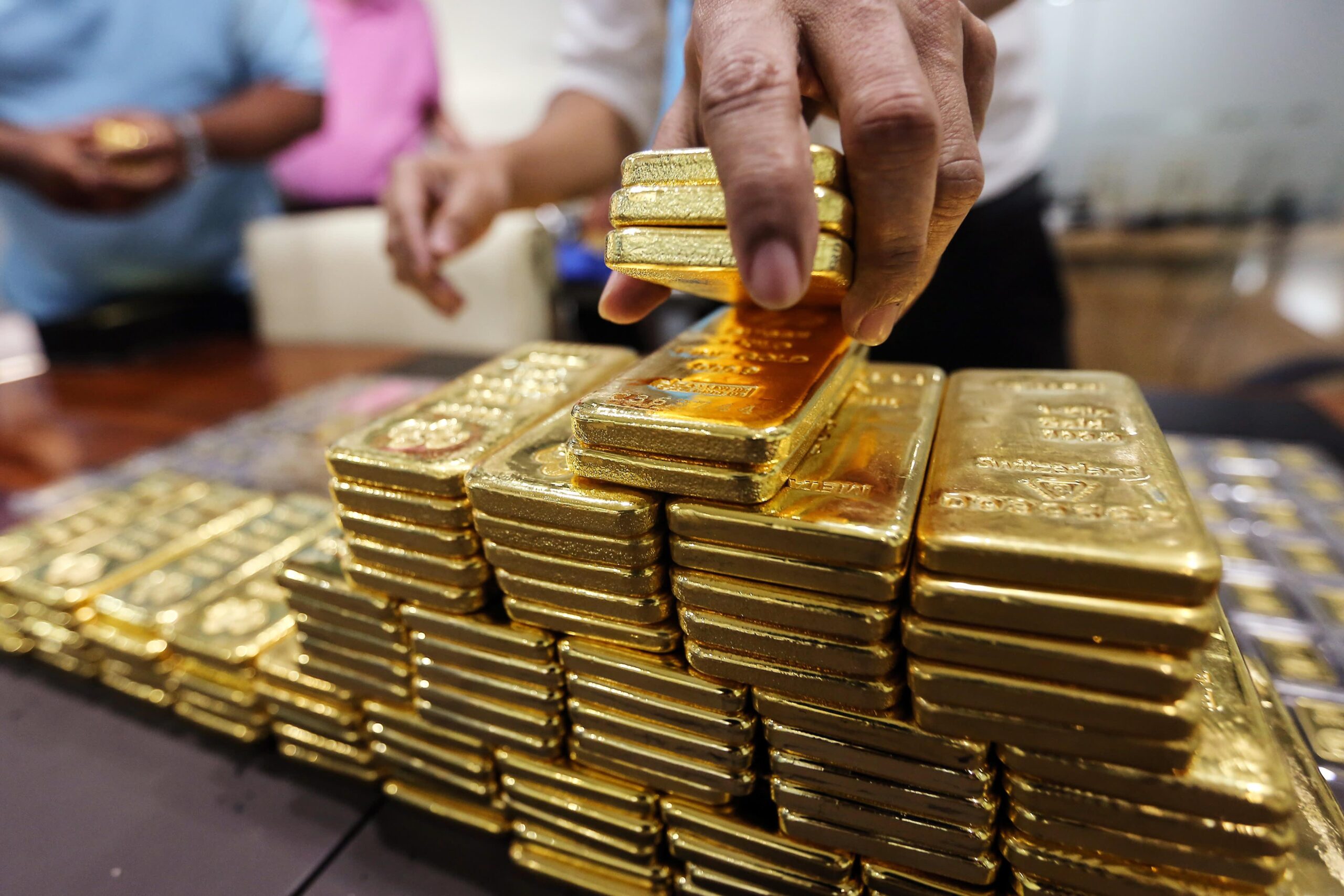
The Ghanaian cedi has recovered some of its recent losses as increased foreign-exchange supply from GoldBod improves dollar liquidity in the banking system. Joy Business reports that the cedi appreciated about 1.20% to GH¢11.65 per dollar on the interbank market after GoldBod conducted a US$130 million spot sale at GH¢11.60. Retail rates were around GH¢12.10 per dollar after starting the week near GH¢12.15. GoldBod’s October programme targets US$1 billion in FX sales to commercial banks and another US$500 million for Bank of Ghana reserve accumulation.
The Ghanaian cedi has recovered part of its recent losses against major international currencies as increased foreign-exchange supply from the Ghana Gold Board, GoldBod, provides commercial banks with additional dollar liquidity and eases some of the pressure that had built up in the market. The local currency appreciated by about 1.20 percent against the United States dollar over the reporting period, closing around GH¢11.65 to the dollar on the interbank market, while retail rates remained above the official market level at approximately GH¢12.10 per dollar after beginning the week around GH¢12.15.
Joy Business reported on Wednesday that GoldBod’s interventions over the past three weeks had given the cedi what it described as a modest reprieve after a period of renewed depreciation. The Board recently injected US$130 million into the foreign-exchange market through a spot sale priced at GH¢11.60 to the dollar, adding to a series of transactions intended to increase the availability of foreign currency to commercial banks and reduce pressure from unmet dollar demand.
The latest movement does not represent a dramatic reversal in the cedi’s broader performance, but it indicates that the additional dollar supply is having an observable effect on market liquidity. The cedi also strengthened against the British pound and euro, with Joy Business reporting a 1.20 percent gain against sterling to GH¢15.57 and a 0.16 percent appreciation against the euro to GH¢13.04 on the interbank market.
Retail-market movements were more modest. The cedi was quoted at approximately GH¢12.10 to the US dollar, GH¢15.85 to the pound and GH¢13.50 to the euro, reflecting the usual gap between interbank rates and prices available to individuals and businesses through forex bureaus and other retail channels. The cedi had started the week at about GH¢12.15 to the dollar in the retail market, meaning the latest movement represents a small improvement rather than a major strengthening.
GoldBod has become an increasingly important source of foreign exchange in Ghana’s financial system as proceeds from the country’s gold trade are channelled directly into the banking market. Under the organisation’s revised October programme, it plans to provide US$1 billion to authorised commercial banks and an additional US$500 million to the Bank of Ghana for reserve accumulation, creating a total foreign-exchange programme of up to US$1.5 billion for the month.
The intervention is being implemented through GoldBod’s newly developed Spot FX Sales and Intermediation Framework, which allows authorised banks to request dollars through an electronic platform known as GoFX. The Board ordinarily conducts sales twice a week, on Tuesdays and Thursdays, with participating banks required to demonstrate genuine unmet foreign-exchange demand or an existing short position before receiving allocations.
The programme is intended to make dollar supply more predictable and transparent while reducing the pressure that can arise when businesses and banks compete for limited foreign currency. GoldBod says the electronic platform records requests, allocations, transaction histories and settlement details, giving regulators an audit trail and allowing the Bank of Ghana to monitor transactions in real time.
The latest US$130 million sale at GH¢11.60 to the dollar was below the prevailing market rate at the time, according to GoldBod and market participants cited by Joy Business. That pricing helped improve liquidity and encouraged some banks and traders to reduce their requests for dollars, contributing to the cedi’s recent appreciation.
GoldBod had already conducted several substantial sales earlier in October. Its maiden spot foreign-exchange transaction under the new framework involved approximately US$125 million sold to commercial banks. A subsequent US$130 million transaction brought cumulative early-month sales to US$255 million, while another sale of US$197 million further increased the amount of foreign currency entering the banking system.
By the middle of the month, GoldBod said it had sold approximately US$452 million to commercial banks through GoFX. Market estimates later suggested the total may have exceeded US$500 million, although some of those figures had not yet been officially confirmed at the time they were reported.
The Board’s increased role in the foreign-exchange market follows a significant change in Ghana’s gold and currency-management framework. GoldBod was established as the central authority responsible for purchasing, selling, weighing, assaying, valuing and exporting gold and other precious minerals, with particular emphasis on formalising foreign-exchange proceeds from artisanal and small-scale mining.
Under Section 2(b) of the Ghana Gold Board Act, 2025, Act 1140, the institution has a statutory role in generating foreign exchange from gold trading activities. Those proceeds are then sold partly to commercial banks and partly to the Bank of Ghana, allowing the country to use gold exports both to meet market demand for dollars and to strengthen official reserves.
GoldBod reported that it generated US$1.871 billion in foreign exchange from artisanal and small-scale gold operations in September 2026, significantly exceeding its monthly target of US$1.4 billion. Of that amount, approximately US$701.3 million was sold to authorised commercial banks, while US$1.17 billion was provided to the Bank of Ghana to support reserve accumulation.
The October programme therefore represents a continuation of a broader policy rather than a one-off intervention. GoldBod has set a target of US$1.5 billion for the month, with two-thirds intended for direct market support and the remaining US$500 million allocated to the central bank under Ghana’s reserve-accumulation strategy.
The Bank of Ghana has reduced its direct role in routine foreign-exchange intermediation under the revised October arrangement, although Governor Dr. Johnson Asiama has stressed that the central bank has not withdrawn from its responsibility for exchange-rate stability. The Bank retains the ability to intervene whenever necessary to maintain orderly market conditions and continues to oversee GoldBod’s transactions from a regulatory perspective.
That distinction is important because GoldBod is supplying foreign currency generated from gold trading, while the Bank of Ghana remains the institution responsible for monetary policy, financial stability and management of Ghana’s official foreign reserves. The current framework is therefore designed to complement rather than replace the central bank’s role.
The cedi’s recent weakness had been driven by several factors, including increased demand for dollars from importers preparing for the Christmas trading season and large foreign-currency payments associated with the energy sector. Businesses importing fuel, machinery, consumer goods and other products typically increase demand for foreign exchange in the final quarter of the year, creating seasonal pressure on the local currency.
The Bank of Ghana has also made substantial energy-related payments for crude oil and finished petroleum products, which temporarily affect the availability of foreign currency even when the country’s broader reserve position remains relatively strong. GoldBod’s dollar sales are intended to offset some of those pressures by increasing supply to commercial banks.
The recent appreciation should therefore be interpreted carefully. Market participants quoted by Joy Business and GoldBod say the interventions have contributed materially to the recovery, but exchange rates are influenced by several factors simultaneously, including import demand, export receipts, government payments, remittances, investor flows, market expectations and central-bank policy.
It would therefore be too strong to attribute the entire 1.20 percent appreciation solely to GoldBod. The additional dollar supply has clearly improved liquidity and reduced some immediate pressure, but the longer-term direction of the cedi will depend on whether foreign-exchange inflows remain strong relative to demand.
GoldBod’s pricing strategy is also significant because supplying dollars below the prevailing market rate can help push quoted exchange rates lower. If banks are able to obtain sufficient foreign exchange directly from GoldBod at more favourable prices, they may have less reason to compete aggressively for dollars elsewhere, reducing upward pressure on the exchange rate.
However, sustained intervention also requires a reliable underlying supply of foreign currency. GoldBod’s ability to continue supporting the market depends heavily on gold-export receipts, especially from artisanal and small-scale mining. Ghana’s strong international gold earnings have therefore become increasingly important to currency management and reserve accumulation.
The strategy provides the country with an advantage when global gold prices are strong because higher export receipts can generate more dollars for domestic use. At the same time, heavy reliance on gold earnings can expose the system to international commodity-price fluctuations if prices decline substantially or gold production weakens.
Governor Asiama has acknowledged that risk while expressing confidence in Ghana’s reserve position. He has said the country remains on course to build foreign reserves equivalent to approximately six months of import cover by the end of 2026, an objective intended to provide greater protection against external economic shocks.
Reserve accumulation can also strengthen confidence in the cedi because investors and businesses are more comfortable holding local assets when they believe the central bank has sufficient foreign currency to meet external obligations and respond to market stress. The US$500 million GoldBod plans to provide to the Bank of Ghana in October therefore supports the exchange rate indirectly even though those funds are not all being sold immediately into the commercial market.
For businesses, greater exchange-rate stability is particularly important because sudden currency movements make planning more difficult. Importers may have to increase prices when the cedi depreciates, while manufacturers that rely on imported raw materials face higher production costs. A more predictable foreign-exchange market can therefore help businesses manage inventories, contracts and pricing.
Consumers can also feel the effects because Ghana imports substantial quantities of fuel, food, machinery, medicines, vehicles and consumer products. When the cedi weakens sharply, those goods can become more expensive in local currency, contributing to inflation. A strengthening cedi does not automatically reduce prices immediately, but sustained appreciation can lower import costs over time.
The current retail rate of approximately GH¢12.10 to the dollar nevertheless shows that consumers and smaller businesses are still paying significantly more than the interbank rate of GH¢11.65. The spread reflects transaction costs, market conditions and the difference between wholesale banking transactions and retail foreign-exchange trading.
GoldBod’s interventions are primarily directed toward authorised commercial banks, meaning improvements must pass through the financial system before retail customers experience the full effect. If dollar supply remains strong and banks face less pressure, forex bureaus may gradually adjust their rates as competition and liquidity conditions improve.
The cedi’s year-to-date performance also provides important perspective. Despite the recent recovery, Joy Business estimates that the currency remains down about 9 percent against the US dollar for the year. The latest appreciation therefore represents a partial recovery from previous losses rather than a return to the strongest levels recorded earlier in 2026.
This is why describing the movement as a modest reprieve is appropriate. The cedi has improved, but the market remains sensitive to seasonal demand and external payments, particularly as the country enters the final months of the year.
The next test will be whether GoldBod can maintain the scale and consistency of its dollar supply through the remainder of October and into the Christmas trading period. Commercial banks quoted in recent reports have said they expect the cedi to remain relatively stable if improved liquidity continues, but that expectation depends on both supply and demand remaining manageable.
GoldBod’s US$1 billion target for commercial-bank sales provides a substantial liquidity buffer if the organisation succeeds in delivering it. Reaching the additional US$500 million reserve target would also support the Bank of Ghana’s broader objective of strengthening the country’s external buffers.
The framework has also reduced reliance on ad hoc interventions by introducing regular, scheduled sales. Banks know that GoldBod ordinarily offers foreign exchange twice a week, which can help reduce panic buying and allow treasury departments to manage their positions more efficiently.
Transparency is another stated objective of the GoFX system. All requests, allocations and transaction histories are electronically recorded, while the Bank of Ghana maintains regulatory oversight. Where demand exceeds the available amount, allocations are intended to be distributed proportionately rather than through discretionary negotiation.
That structure may improve confidence if banks believe access to foreign exchange is predictable and fairly administered. Market confidence can itself affect exchange-rate behaviour because traders are less likely to rush into defensive dollar purchases when they believe future supply will remain available.
The broader economic impact will become clearer over time. If the cedi stabilises for a sustained period, businesses may become more confident in pricing imported goods and consumers could eventually benefit from reduced exchange-rate pressure on inflation. If dollar demand rises sharply, however, additional interventions may be required to prevent renewed depreciation.
The Bank of Ghana has said it remains prepared to intervene where necessary, which means GoldBod’s programme should be viewed as one component of Ghana’s wider currency-management framework rather than the only line of defence.
For now, the latest numbers indicate that the combination of stronger gold-generated dollar supply and scheduled market interventions has helped the cedi recover some lost ground. The appreciation remains modest, and the currency has not erased its year-to-date losses, but market liquidity has improved noticeably compared with the pressure seen earlier in the quarter.
The central question going forward is whether the current level of support can be sustained without creating distortions or exhausting available foreign-exchange resources. GoldBod’s ability to generate continued dollar inflows from gold exports, combined with the Bank of Ghana’s reserve position and broader macroeconomic policy, will determine whether the recent improvement becomes a durable stabilisation or remains only a temporary pause in the cedi’s volatility.
At the moment, the evidence supports a cautious conclusion: GoldBod’s foreign-exchange intervention is helping, but the cedi’s longer-term direction will depend on the broader balance between Ghana’s foreign-currency supply and demand during the final months of 2026.