

HIDDEN CRYPTO FARM IN MEXICO RAISES FEARS OVER CARTEL MONEY LAUNDERING
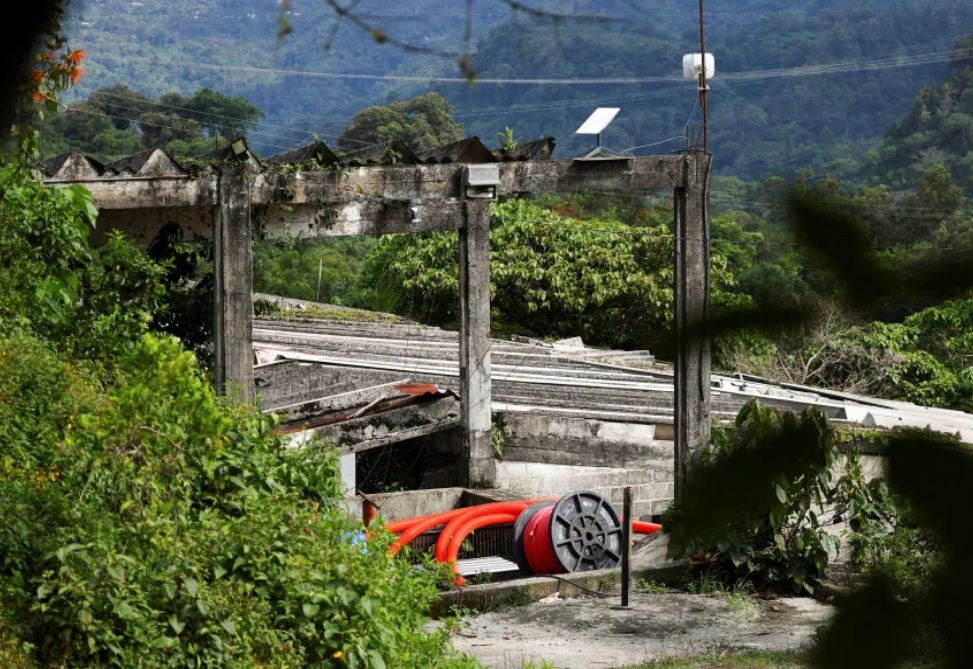
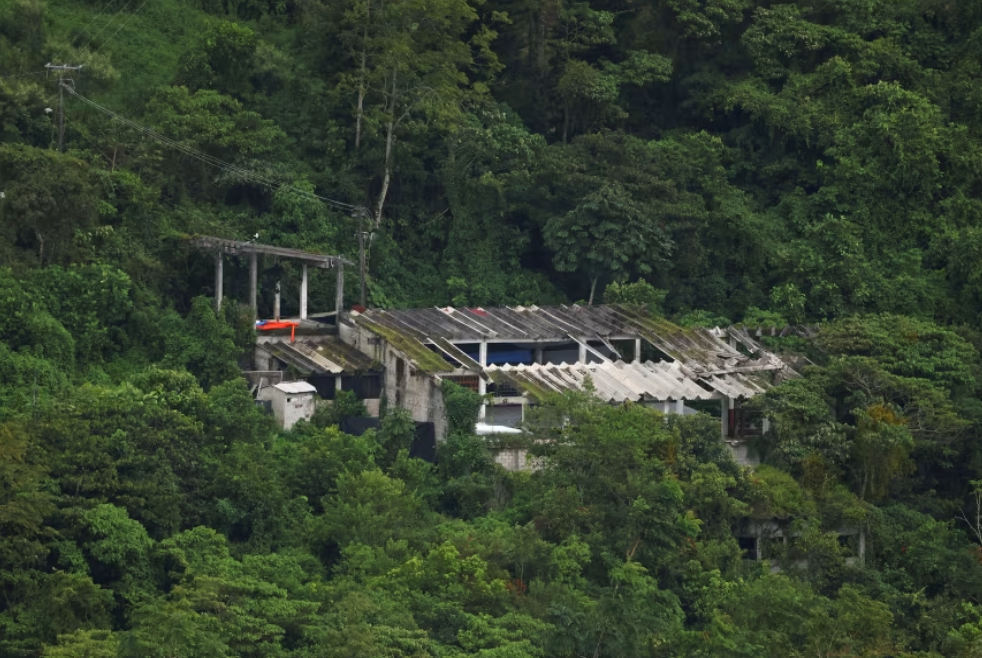
Mexican authorities are investigating a hidden cryptocurrency mining operation discovered in the mountains of Puebla State amid concerns about possible electricity theft and organized crime. Investigators found hundreds of computing units and satellite antennas at the site as authorities examine whether criminal groups are increasingly turning to cryptocurrency mining and digital assets.
Mexican authorities are investigating a suspected illegal cryptocurrency mining operation discovered deep in the mountains of Puebla State, raising fresh concerns about the growing use of digital assets by organised criminal groups.
The operation was uncovered near Tlaola in the Sierra Norte region of Puebla, where authorities found hundreds of specialised computing units and other equipment allegedly being used to mine cryptocurrency.
Investigators are examining whether the facility was illegally drawing electricity from a nearby hydroelectric dam and whether the operation was connected to organised crime.
The discovery highlights a new challenge for Mexican authorities as criminal organisations increasingly expand beyond traditional activities such as drug trafficking and extortion into sophisticated forms of financial crime.
HUNDREDS OF COMPUTING UNITS DISCOVERED
Authorities discovered 300 graphics processing units, 80 medium voltage terminals and eight satellite antennas at the site.
The equipment was capable of supporting a significant cryptocurrency mining operation.
Residents of nearby communities told Reuters that the mechanical noise generated by the facility could be heard from about one kilometre away.
The crypto farm itself was located roughly twice that distance from the nearest village, helping the operation remain concealed in the remote mountainous terrain.
It is the fourth similar cryptocurrency facility discovered in the area since early 2025.
Three other operations were found near a hydroelectric dam in northern Puebla last year.
Authorities are now working with neighbouring states to determine whether additional hidden mining facilities may be operating elsewhere.
AUTHORITIES INVESTIGATE POSSIBLE ELECTRICITY THEFT
Electricity represents one of the largest expenses involved in cryptocurrency mining because powerful computers must operate continuously while cooling systems prevent them from overheating.
Mexican authorities are investigating whether the Puebla facility obtained electricity illegally from the nearby hydroelectric infrastructure.
Samuel Leon, an expert on energy theft at Mexico's Iberoamericana University, said an operation using stolen electricity could effectively eliminate one of the largest expenses associated with cryptocurrency mining.
The University of Cambridge Bitcoin Electricity Consumption Index estimates that producing one bitcoin can require electricity worth almost 45000 dollars.
With bitcoin trading at around 78000 dollars at the time of the report, eliminating electricity expenses could significantly increase the profitability of an illegal mining operation.
CONCERNS OVER POSSIBLE CARTEL CONNECTIONS
No cartel connection to the Puebla facility has been publicly established and Mexico's federal attorney's office declined to comment because the investigation remains active.
However, security experts say the scale and technical sophistication of the operation raise questions about who financed and operated it.
Mexico based security analyst David Saucedo said establishing such an operation would require significant financial resources and specialised technical expertise.
Blockchain analytics company Chainalysis says criminal organisations in Latin America are increasingly exploring cryptocurrency transfers and mining operations as methods of moving or laundering money.
Caio Motta, the company's Latin America specialist, said areas with extremely cheap electricity or locations where criminal organisations can steal power provide attractive environments for illegal mining facilities.
ILLEGAL CRYPTO TRANSACTIONS SURGE
The discovery comes as illicit cryptocurrency activity increases globally.
According to Chainalysis, cryptocurrency addresses linked to illicit activity received an estimated 154 billion dollars in 2025, more than double the approximately 59 billion dollars recorded a year earlier.
The company attributed a significant portion of the increase to transactions connected to sanctions evasion, including payments involving sanctioned governments.
Motta said growing global adoption of cryptocurrency could result in increasing levels of crypto related crime even as law enforcement agencies become more capable of tracing transactions across blockchain networks.
Authorities around the world have uncovered suspected illegal mining operations in countries including Brazil, the United States and Thailand.
The investigation in Puebla will now seek to determine who controlled the facility, how its electricity was obtained and whether proceeds from the operation were connected to wider criminal activity.