HOUTHIS HIT RIYADH AIRPORT AGAIN AS SAUDI ARABIA VOWS DECISIVE RESPONSE
A fresh Houthi attack on Riyadh’s King Khalid International Airport killed one Pakistani national and injured 11 others on Sunday, less than a day after an earlier strike killed 13 and wounded more than 300. The Houthis have claimed attacks on Riyadh and Dammam airports and Saudi energy facilities, while Saudi Arabia has vowed a decisive response and is investigating how its air defenses failed to stop the earlier barrage. Airport operations remain severely disrupted and several governments have issued travel warnings.
Yemen’s Houthi movement has struck Riyadh’s King Khalid International Airport again, killing one person and injuring 11 others in a fresh attack less than 24 hours after a previous strike killed 13 people and wounded more than 300, deepening one of the most serious security crises to hit Saudi Arabia in more than a decade and prompting Riyadh to promise a decisive response.
The latest attack struck Terminal 4 on Sunday and triggered a fire inside the airport complex as emergency crews moved to secure the area and passengers were evacuated from affected sections. Saudi authorities said the person killed was a Pakistani national, while 11 others suffered injuries of varying severity. The incident came as the airport was already operating under severe disruption following Saturday’s much deadlier attack on another passenger terminal.
Saudi Arabia’s General Authority of Civil Aviation and the Saudi led coalition said airport operations remained heavily affected while security teams inspected damage, cleared affected areas and assessed the continuing threat. Thousands of passengers faced cancellations, delays and diversions as airlines reconsidered services into Riyadh amid repeated Houthi warnings that airports across the kingdom could remain targets.
The Houthis claimed responsibility for multiple attacks against Saudi infrastructure, including strikes on King Khalid International Airport, King Fahd International Airport in Dammam and energy facilities operated by Saudi Aramco. The group said its operations were a response to Saudi military activity in Yemen and warned that further attacks would follow unless Riyadh halted what the Houthis described as aggression against areas under their control.
The escalation has moved the conflict in Yemen much closer to the heart of Saudi Arabia’s civilian and economic infrastructure. Riyadh’s international airport is one of the kingdom’s busiest aviation hubs and serves millions of travelers each year, including business travelers, pilgrims, government delegations and foreign visitors. Repeated strikes on passenger terminals have therefore created security concerns that extend well beyond the battlefield inside Yemen.
Saturday’s attack was significantly deadlier. Saudi officials initially reported 12 fatalities, but the toll later rose to 13 after an injured victim died. More than 300 people were wounded, including passengers and airport employees, making the attack one of the deadliest incidents on Saudi soil in years.
The Saudi led coalition described that attack as a full fledged war crime and said civilians had been deliberately endangered. Coalition spokesman Turki al Maliki said Riyadh would respond firmly and decisively, language that has raised expectations of expanded military action against Houthi positions inside Yemen.
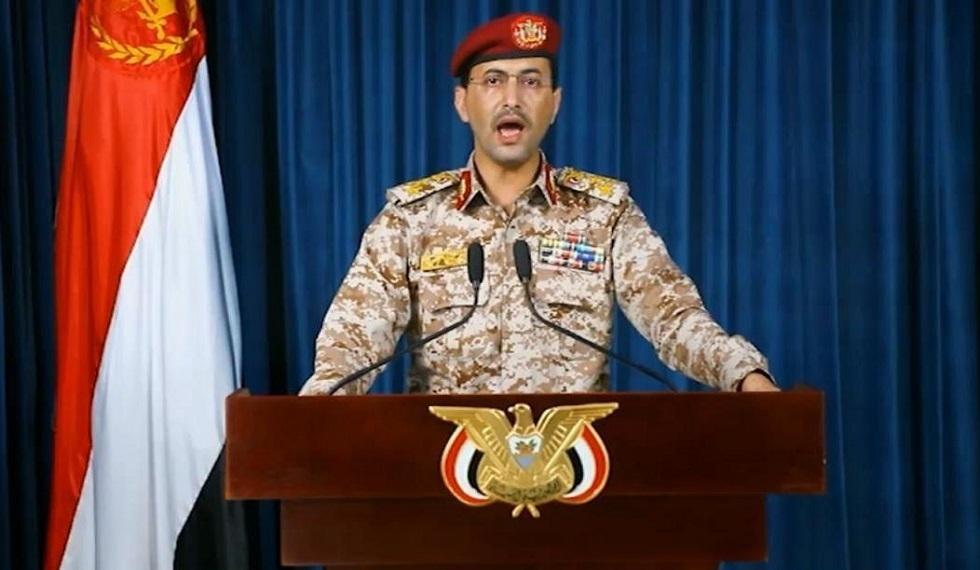
The Houthis subsequently confirmed responsibility for attacks on Saudi airports and other strategic targets. Their military spokesman, Yahya Saree, said the group had launched missiles and drones toward multiple locations and framed the operation as part of a broader campaign against Saudi military and economic infrastructure.
Saudi air defenses intercepted additional threats following the airport strikes, including a cruise missile near Riyadh and a drone over the Eastern Province. Emergency alerts were issued in several areas as authorities warned residents to follow official instructions and avoid filming or circulating sensitive information about missile and drone interceptions.
The repeated attacks have exposed serious questions about Saudi Arabia’s air defense system. The kingdom possesses some of the most advanced air defense equipment in the region, including American supplied Patriot and THAAD systems, yet the scale and complexity of recent Houthi missile and drone attacks appear to have strained defensive coverage.
Saudi authorities are now investigating how Saturday’s barrage penetrated the kingdom’s defenses. Preliminary assessments indicate that the Houthis may have used a combination of drones, cruise missiles and ballistic missiles in an attempt to overwhelm detection and interception systems. Investigators are also examining why warning systems did not provide more time for people at the airport to take shelter.
The security failure is politically sensitive because Saudi Arabia has invested billions of dollars in military technology and missile defense systems over the past decade. The kingdom has faced Houthi missile and drone attacks before, but strikes directly hitting major passenger terminals in Riyadh represent a much more serious challenge to the government’s ability to protect civilian infrastructure.
The latest attack also occurred during a period of heightened regional tension involving Iran, the United States and several Gulf states. The Houthis are supported by Iran, although Tehran denies controlling the group’s military decisions. Saudi Arabia and its allies accuse Iran of providing the Houthis with missiles, drones, training and technical support that have significantly expanded the group’s ability to strike targets hundreds of miles away.
Iran has expressed concern over the escalation and offered to support diplomatic mediation between Saudi Arabia and the Houthis. Riyadh has not ruled out diplomacy, but the government’s public language since the airport attacks has centered on deterrence and retaliation.
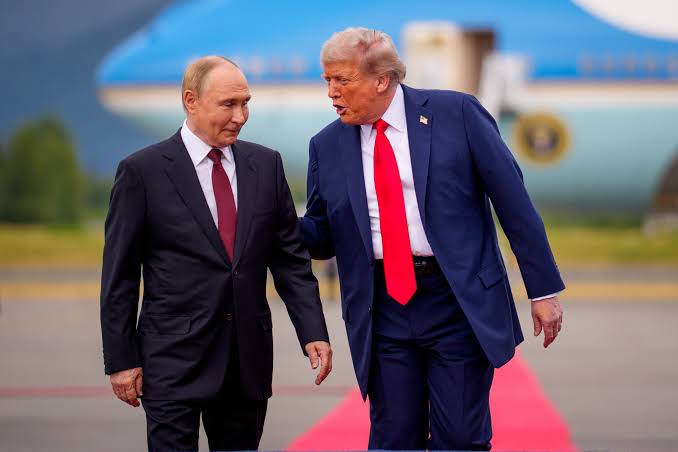
The United States has also been drawn more deeply into the crisis. Washington is providing Saudi Arabia with intelligence support, while President Donald Trump has said the United States is considering whether to participate directly in military operations against the Houthis.
Trump’s comments came after Saudi officials sought stronger American support following the airport attack. The United States has so far stopped short of direct combat participation against the Houthis in the current escalation, although American intelligence and regional military assets remain important to Saudi defense planning.
Any direct American intervention would carry significant regional risks. The Houthis have previously targeted commercial shipping, military vessels and infrastructure linked to countries they consider aligned with Saudi Arabia or the United States. A wider confrontation could increase threats to Red Sea shipping and further destabilize the Bab el Mandeb strait, one of the world’s most important maritime trade routes.
The timing of the attacks is particularly sensitive because instability in the Strait of Hormuz has already disrupted energy markets and raised global oil prices. The Bab el Mandeb connects the Red Sea to the Gulf of Aden and provides another major route for oil, liquefied natural gas and container shipping between Asia, Europe and the Middle East.
Saudi Arabia’s economic strategy is also being affected. Riyadh is attempting to transform itself into a major global tourism, business and investment hub under Crown Prince Mohammed bin Salman’s Vision 2030 program, and repeated attacks on the capital’s airport directly challenge that image of security and stability.
The World Petroleum Council Energy Congress was underway in Riyadh when the attacks occurred. Several major international energy companies reduced participation or withdrew senior executives because of security concerns, although Saudi officials insisted that the event would continue.
Saudi Energy Minister Prince Abdulaziz bin Salman opened the conference with a message of defiance, emphasizing that the kingdom would continue hosting major international events despite the attacks. His remarks reflected the government’s broader effort to demonstrate that the Houthis would not be allowed to disrupt Saudi economic plans.
Saudi financial markets nevertheless reacted negatively. The benchmark stock index fell as investors assessed the consequences of the second airport attack, while shares in major companies including Saudi Aramco came under pressure.
The attacks have also created significant uncertainty for international airlines. Carriers operating into Riyadh and other Saudi airports have had to assess whether routes remain safe and whether flights can be operated without exposing passengers and crews to unacceptable risk.
The United States and United Kingdom issued travel warnings after the attacks, advising citizens to exercise caution around Saudi airports and monitor official security updates. American government employees were placed under additional restrictions when using certain airports, while several foreign missions urged nationals to avoid unnecessary travel through affected facilities.
The scale of aviation disruption expanded after Sunday’s second strike. Flights into Riyadh were cancelled, delayed or diverted to other airports while authorities inspected terminals and runways. Reports indicated that thousands of flights had been affected across the wider period of Houthi attacks, although final figures continue to change as operations are restored or suspended.
The Houthis have repeatedly warned international airlines that Saudi airports could become operational theaters, language designed to discourage carriers from maintaining normal schedules. Those warnings are part of a broader effort to impose economic and psychological pressure on Riyadh by targeting infrastructure that supports tourism, trade and investment.
The Saudi government has described the targeting of passenger airports as unacceptable and has argued that the attacks demonstrate why military pressure on the Houthis must continue. Saudi officials say the group is deliberately expanding the conflict beyond military targets and putting civilian travelers at risk.
The Houthis reject that characterization and accuse Saudi Arabia of carrying out attacks inside Yemen that have killed civilians and damaged infrastructure. Houthi officials say their strikes will continue as long as Saudi backed military operations remain active.
Saudi aircraft have reportedly carried out strikes on Houthi controlled areas in Yemen following the airport attacks. Houthi authorities said at least one person was killed in Sanaa during retaliatory strikes, although casualty claims from inside Yemen remain difficult to independently verify in real time.
The renewed confrontation threatens to undo previous diplomatic efforts that had reduced direct hostilities between Saudi Arabia and the Houthis. Riyadh had spent several years attempting to move away from the large scale military campaign it launched in Yemen in 2015, partly because of mounting costs, international criticism and the absence of a decisive victory.
The conflict originally began after Houthi forces seized Sanaa in 2014 and later forced Yemen’s internationally recognized government from much of the north. Saudi Arabia intervened militarily the following year as part of a coalition seeking to restore the government.
The war became one of the world’s worst humanitarian crises, killing tens of thousands of civilians and leaving millions dependent on international aid. A prolonged period of reduced cross border attacks had created hopes that Saudi Arabia and the Houthis could reach a political settlement.
Those hopes have now been seriously weakened. The Houthis have expanded military operations along the Red Sea coast and around strategic territory near the Bab el Mandeb strait, while Saudi backed forces have launched new campaigns to recover areas captured by the group.
The renewed fighting has therefore created conditions for cross border retaliation. Houthi missile and drone capabilities have improved substantially compared with the early years of the war, allowing the group to strike deeper into Saudi territory with greater precision.
Riyadh has faced Houthi attacks on oil facilities before, most notably the 2019 strikes on Abqaiq and Khurais that temporarily disrupted a significant portion of Saudi oil production. Those incidents demonstrated the vulnerability of critical infrastructure even when protected by advanced military systems.
The latest airport attacks differ because they have directly struck areas used by civilian passengers. That increases political pressure on the Saudi government and raises questions about whether the Houthis are deliberately attempting to make civilian infrastructure part of the battlefield.
Saudi officials have made clear that they view the attacks as a major escalation. The language of a decisive response suggests Riyadh may expand strikes against missile launch sites, drone facilities, command centres and weapons storage areas inside Yemen.
The scale and timing of that response remain uncertain. Saudi Arabia must balance the desire to restore deterrence with the risk that large scale retaliation could trigger even more attacks on airports, oil facilities and shipping routes.
The United States faces a similar calculation. Direct American involvement could strengthen Saudi defenses and increase pressure on the Houthis, but it could also widen a conflict already connected to broader tensions involving Iran.
The situation has become more complicated because Washington is simultaneously attempting to manage its confrontation with Tehran. Any major U.S. action against the Houthis could be interpreted by Iran as another front in that conflict, increasing the risk of attacks against American bases, vessels or regional allies.
Other Gulf governments are also watching closely. The United Arab Emirates has called for greater regional coordination against missile and drone threats, arguing that Houthi attacks on Saudi Arabia represent a wider security challenge for the Gulf.
The repeated attacks have also prompted concerns among pilgrims traveling through Saudi Arabia. Riyadh is an important transit point for people traveling to Mecca and Medina, and footage from the latest attack showed passengers and Umrah travelers attempting to move away from affected terminal areas.
Saudi officials have sought to reassure travelers that security measures are being strengthened and that airports will resume normal operations when it is safe to do so. Authorities have not provided a definitive timetable for full restoration of services at King Khalid International Airport.
The airport remains one of Saudi Arabia’s most important transport hubs and is central to the kingdom’s plans to dramatically expand international tourism. Any prolonged closure or repeated disruption could affect airlines, hotels, tourism operators and major international events.
The economic consequences extend beyond aviation. Saudi Arabia wants to attract large amounts of foreign direct investment as it diversifies away from oil, and sustained missile attacks on Riyadh could make some international companies more cautious about expanding operations in the kingdom.
Saudi authorities therefore face pressure to demonstrate that the attacks can be contained quickly. A limited military response that fails to reduce the threat could damage confidence, while an overwhelming response could deepen the regional conflict.
The Houthis appear to be betting that continued attacks on strategically important civilian and economic targets will increase domestic and international pressure on Saudi Arabia to scale back military involvement in Yemen. Riyadh, however, has signaled that the attacks may instead strengthen its determination to confront the group.
The coming days will therefore be critical in determining whether the conflict enters a much more dangerous phase. Saudi Arabia has promised retaliation, the Houthis have threatened further strikes and international airlines and governments are treating Saudi aviation infrastructure as an active security concern.
The casualty figures also underscore the seriousness of the escalation. At least 14 people have now been killed across the two major attacks on Riyadh airport over the weekend, while more than 300 others have been injured. The final toll could change as some victims remain under medical treatment.
The Saudi investigation into its air defense failures will be closely watched. If authorities determine that the Houthis successfully used coordinated drone and missile waves to overwhelm existing systems, Riyadh may accelerate requests for additional interceptors, radar coverage and international defense support.
The government will also face questions about public warning systems. Saturday’s attack caused large numbers of casualties partly because passengers and workers received limited warning before the terminal was struck, according to current reporting.
Authorities have since increased emergency alerts and warned residents to follow official communications rather than circulating unofficial footage or information. Those measures are intended both to improve civilian safety and prevent attackers from using publicly available videos to assess damage or adjust future targeting.
The broader regional implications remain difficult to predict. A sustained exchange of Saudi airstrikes and Houthi missile attacks could affect oil prices, global shipping, aviation and diplomatic efforts involving Iran and the United States.
For now, the immediate security situation remains unresolved. Riyadh airport has been hit repeatedly, the Houthis have claimed additional attacks across Saudi Arabia and Saudi officials are openly promising a decisive response.
The next major development will be whether Saudi Arabia launches a significantly expanded military campaign inside Yemen and whether that operation reduces or intensifies Houthi attacks. International governments will also be watching for any decision by the United States to move from intelligence support to direct military involvement.
The latest strike demonstrates that the crisis is no longer confined to Yemen’s battlefields or remote border regions. It has reached one of Saudi Arabia’s most important civilian airports and disrupted the capital itself, transforming the conflict into a direct security challenge for the kingdom and increasing the risk that another round of retaliation could pull more regional and international actors into the fighting.