IRAN CALLS DEADLY KUWAIT ATTACK A ‘PRE-COOKED RECIPE FOR WAR’ AS REGIONAL TENSIONS ESCALATE
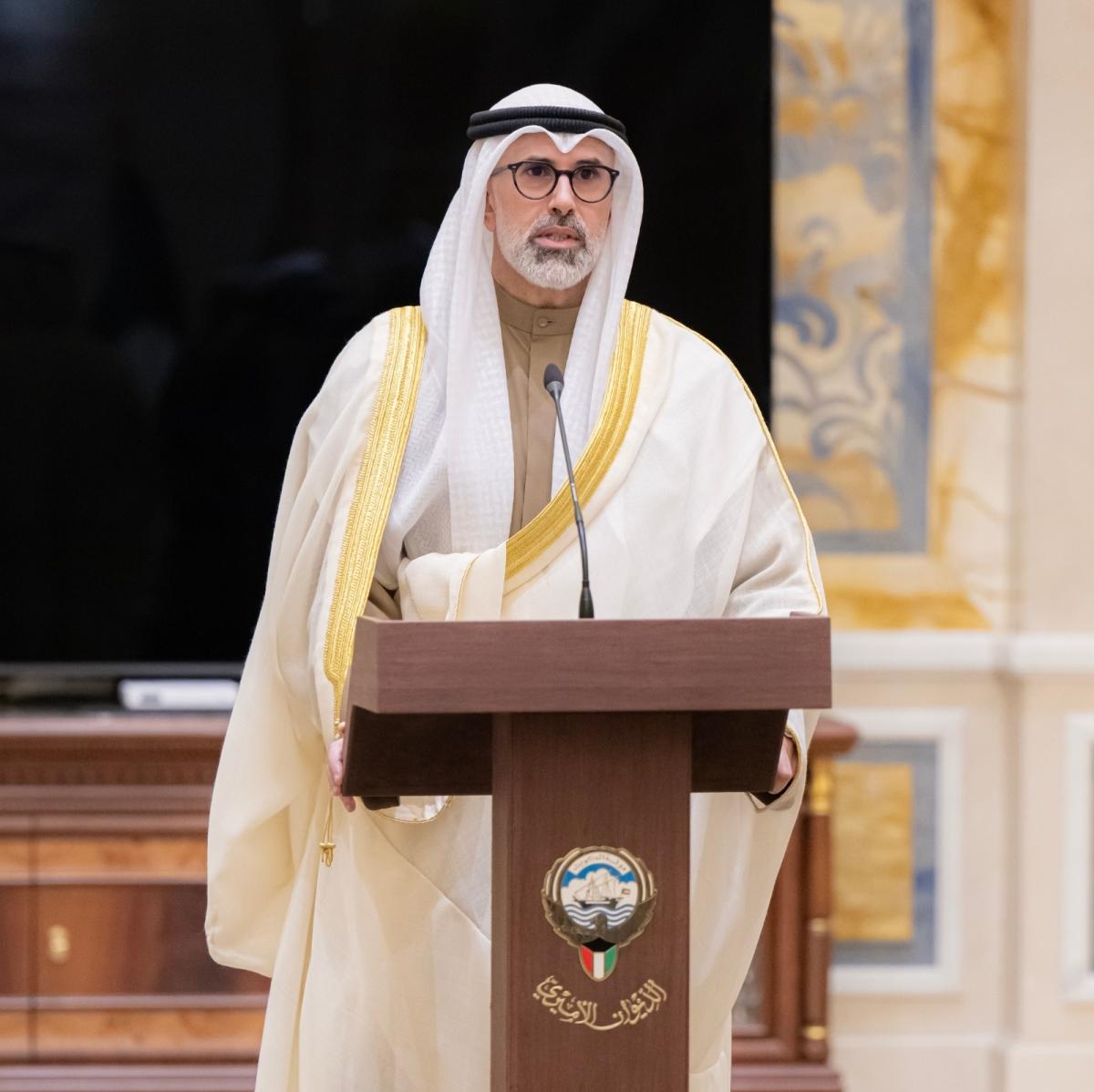
Iranian Foreign Minister Abbas Araghchi has denied Tehran’s involvement in a deadly drone incident in Kuwait that killed two Italian nationals on November 26, 2026, describing the circumstances as suspicious and suggesting that the incident could have been designed to expand the ongoing Middle Eastern war. Following discussions with his Italian and Kuwaiti counterparts, Araghchi expressed condolences and offered Iran’s cooperation in an investigation. Kuwaiti authorities maintain that Iranian drones were responsible for the incident, while Tehran rejects the accusation, raising diplomatic tensions amid continuing threats to regional energy infrastructure and international maritime security.
Iranian Foreign Minister Abbas Araghchi has strongly denied Tehran’s involvement in a deadly drone incident in Kuwait that claimed the lives of two Italian nationals, describing the circumstances surrounding the attack as suspicious and suggesting that it could have been deliberately orchestrated to widen the ongoing Middle Eastern conflict. The Iranian diplomat offered his government’s cooperation with Kuwaiti and Italian authorities in establishing the facts behind the incident, as mounting diplomatic tensions threatened to draw additional international actors into an increasingly volatile regional confrontation.
Araghchi made the remarks following separate telephone conversations with Italian Foreign Minister Antonio Tajani and Kuwaiti Foreign Minister Sheikh Jarrah Jaber Al-Ahmad Al-Sabah on Thursday, November 26, 2026. During those discussions, the Iranian foreign minister expressed condolences over the deaths of the Italian citizens while rejecting allegations that Iranian forces were responsible. His comments came after Kuwaiti authorities attributed the incident to Iranian drones, creating a significant diplomatic disagreement over responsibility for the fatalities.
“The incident is suspicious and looks like a pre-cooked recipe for war,” Araghchi wrote in a statement published on X. The foreign minister added that Tehran was prepared to assist both Kuwait and Italy in determining what had occurred. His suggestion that the incident may have been engineered to expand the conflict has not been supported by independently verified evidence, and no conclusive international investigation establishing an alternative explanation has been made public.
Kuwaiti authorities have presented a different account of the incident, reporting that the Italian nationals died after falling debris struck them during an operation to intercept incoming drones. Officials attributed the aerial threat to Iran and condemned what they characterized as an unacceptable violation of Kuwait’s sovereignty. The government also reaffirmed its right to take necessary measures to protect its territory, residents and national security.
The conflicting accounts have placed Kuwait at the center of another diplomatic confrontation involving Iran and its neighbors, while creating additional pressure on European governments already concerned about the consequences of the ongoing war involving the United States, Israel and Iran. The deaths of foreign nationals have extended the political significance of the incident beyond the immediate regional security environment, prompting Italy to seek answers while monitoring the broader implications for its citizens and interests throughout the Gulf.
Tehran’s offer of cooperation represents an attempt to challenge Kuwait’s attribution of responsibility through diplomatic engagement rather than accepting the allegations publicly advanced against it. Iranian authorities have maintained that their government had no involvement in the incident, although that denial does not independently establish the origin of the drones or explain the circumstances that resulted in the deaths.
Determining responsibility will require investigators to examine the available evidence, including the information collected by Kuwaiti authorities and any independently verifiable material concerning the incident. Establishing the origin of the aerial threat, the circumstances surrounding the interception and the events that led to the fatalities will be essential to resolving the competing claims. Until those findings are available, both Kuwait’s accusations and Iran’s assertions concerning a possible deliberate provocation remain subject to further examination.
The timing of the incident has heightened international concern because it occurred during a period of sustained military confrontation across the Middle East. Attacks affecting energy infrastructure, maritime commerce and strategic facilities have increasingly complicated efforts to contain hostilities, while governments across the Gulf have faced growing pressure to protect their territories without becoming more deeply involved in the conflict.
Kuwait’s geographical position and longstanding security relationships with Western countries make developments within its territory particularly significant. The country has historically maintained close defense cooperation with the United States and other international partners while pursuing diplomatic relationships with neighboring states, including Iran. The current conflict has placed additional strain on that approach, requiring Kuwaiti authorities to balance national security concerns against the risks associated with a wider regional war.
The relationship between Kuwait and Iran has experienced periods of cooperation and diplomatic tension over several decades. Although the two countries maintain formal diplomatic relations, disagreements concerning regional security, maritime boundaries and the influence of foreign military powers have periodically complicated their interactions. The latest incident threatens to introduce another contentious issue into a relationship already affected by the broader deterioration of security across the Gulf.
Iran’s rejection of responsibility for Thursday’s incident should also be distinguished from its position concerning previous military activity in Kuwait. Earlier in November, Iranian military authorities acknowledged a separate drone attack within Kuwaiti territory. That development has contributed to the wider context in which Kuwait is assessing security threats, although responsibility for one incident does not automatically establish responsibility for another.
Araghchi’s assertion that the latest incident could have been deliberately designed to expand the war reflects Tehran’s broader argument that its adversaries are seeking to intensify international pressure against the Islamic Republic. Iranian officials have repeatedly accused the United States and Israel of pursuing military and political objectives that extend beyond their publicly stated security concerns. Washington and Israel, in turn, have defended their actions by citing threats associated with Iranian military capabilities and regional activities.
These competing narratives have become increasingly prominent as the conflict has continued, with governments seeking to influence international perceptions of responsibility and justify their respective policies. Independent verification remains particularly important in such circumstances because inaccurate attribution of military incidents can contribute to diplomatic retaliation, additional sanctions or decisions that increase the likelihood of further hostilities.
For Italy, the deaths have created an immediate consular and diplomatic concern. Italian authorities must establish the circumstances surrounding the incident, communicate with the families of the deceased and determine what measures may be necessary to protect other Italian nationals operating in Kuwait and neighboring countries. Cooperation with Kuwaiti investigators will be central to that process, while Tehran’s offer of assistance introduces another potential channel through which information could be obtained.
Italy’s relationship with the Gulf states extends across energy, construction, engineering, technology and defense cooperation. Italian companies and professionals have participated in numerous commercial and infrastructure projects throughout the region, making the security of their personnel an important consideration for both government officials and private businesses. Continued instability could influence decisions concerning international assignments, commercial investments and the movement of employees between affected countries.
The incident also carries implications for the European Union, which has been attempting to manage the diplomatic, economic and security consequences of the Middle Eastern conflict. European governments remain concerned about threats to international shipping, energy supplies and the safety of their citizens, while disagreements over the appropriate response to Iran have complicated efforts to develop a unified approach.
European involvement in the diplomatic response does not necessarily imply a decision to participate directly in military operations. Governments have several options available when responding to incidents involving their citizens abroad, including diplomatic representations, requests for independent investigations, security coordination and economic measures. The specific response will depend on the findings of relevant investigations and the political decisions of individual governments.
Iran’s willingness to participate in an investigation could provide an opportunity for additional diplomatic communication, but the credibility of any inquiry will depend on its independence, transparency and access to reliable evidence. Cooperation between governments that disagree over responsibility for an incident can be difficult, particularly when the wider political environment creates incentives for each party to defend its existing public position.
The consequences of escalating regional insecurity are already being felt beyond the immediate areas affected by military confrontation. Attacks involving Saudi Arabian energy infrastructure and continuing threats to commercial shipping have contributed to fluctuations in international petroleum prices, increasing uncertainty for businesses and governments that depend on stable energy supplies.
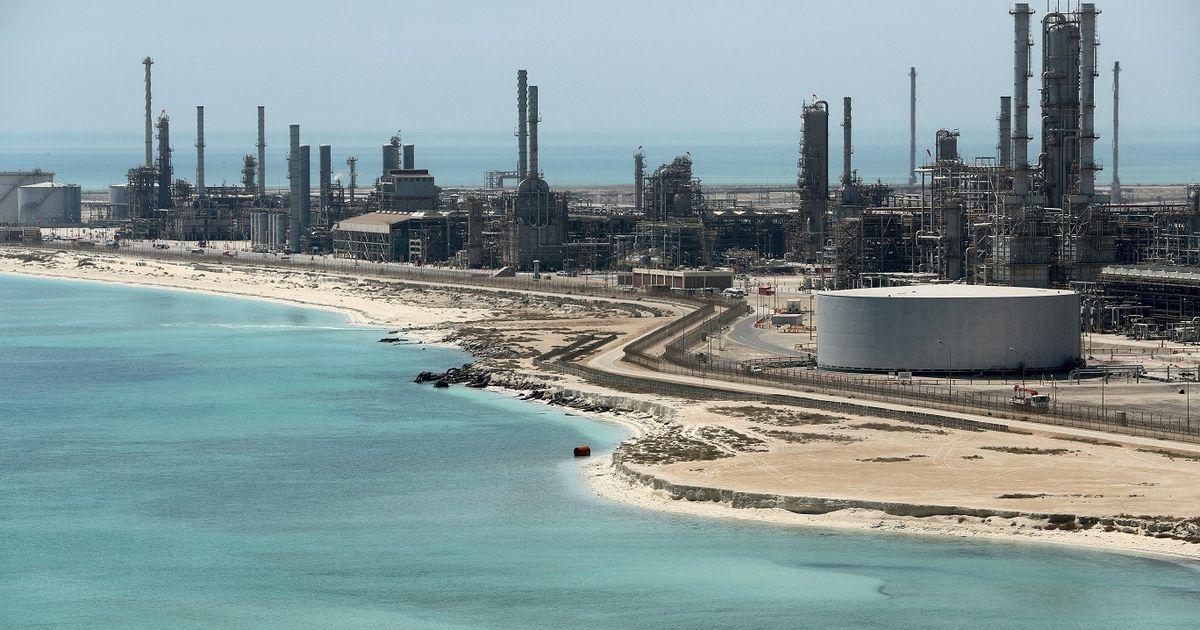
Saudi authorities confirmed on Thursday that operations at the Jazan refinery had been temporarily disrupted following an attack, adding to concerns about the vulnerability of regional petroleum infrastructure. The incident coincided with reports of additional maritime security threats affecting commercial vessels operating near the Strait of Hormuz, reinforcing fears that the conflict could continue interfering with international trade.
The Strait of Hormuz remains one of the world's most important maritime commercial corridors, facilitating the transportation of substantial quantities of crude oil, refined petroleum products and liquefied natural gas. Continuing instability in the surrounding region can influence global energy prices, shipping expenses and the availability of insurance for commercial cargoes, even when individual incidents do not produce prolonged interruptions to petroleum production.
Asian economies are particularly exposed to disruptions affecting Middle Eastern energy exports. China, India, Japan and South Korea rely extensively on international petroleum supplies to support their transportation systems, manufacturing industries and broader economic activities. European countries also remain vulnerable to changes in energy prices, while African economies can experience indirect consequences through increased transportation expenses and the cost of imported petroleum products.
For Ghana and Nigeria, sustained instability in international oil markets could have consequences for government revenues, domestic fuel prices and foreign exchange conditions. Although both countries produce crude oil, their consumers and businesses remain exposed to international petroleum pricing, refining costs and movements in the value of their respective currencies. The economic effects of a wider Middle Eastern conflict would therefore extend considerably beyond the countries directly involved in military operations.
The deaths of the Italian nationals also highlight the risks faced by foreign workers throughout the Gulf. Millions of individuals from Africa, Asia and Europe live and work in the region, contributing to industries ranging from construction and engineering to healthcare, hospitality and energy production. Their safety has become an increasingly important concern as military confrontation affects countries that have traditionally served as major destinations for international employment.
Governments with substantial expatriate populations in the Middle East may consequently face growing pressure to review their consular assistance arrangements and communicate with citizens living in areas affected by security threats. Employers operating in the region may also need to reassess emergency preparedness procedures and ensure that personnel have access to reliable information concerning developments that could affect their safety.
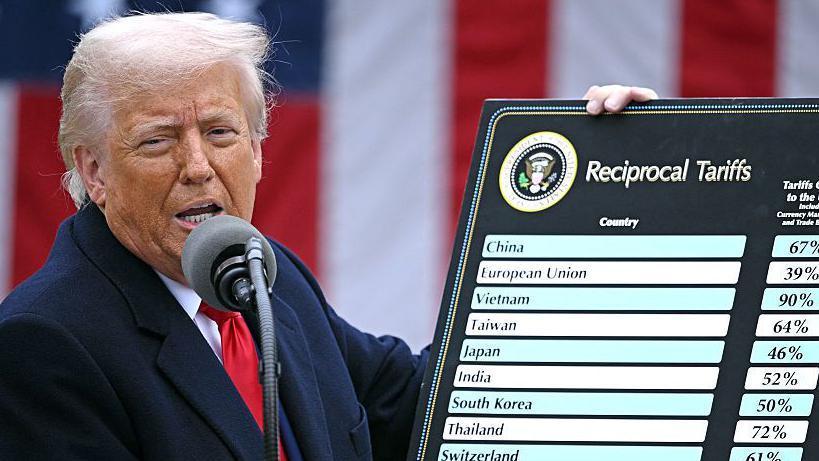
The broader diplomatic environment remains complicated by the contrasting positions adopted by Washington and Tehran. United States President Donald Trump has indicated that his administration believes it has achieved a favorable position in the ongoing confrontation and remains open to negotiations intended to prevent further deaths. Iranian authorities, however, have continued to reject demands they regard as unacceptable and have warned against further military action directed at the Islamic Republic.
The existence of diplomatic communication has not eliminated the possibility of additional confrontation. Negotiations conducted during an active military conflict can be vulnerable to sudden developments, particularly when attacks result in civilian deaths or affect the interests of countries that have not been directly involved in hostilities. The Kuwait incident illustrates how a single disputed event can create additional political pressure and complicate efforts to establish conditions for de-escalation.
International law recognizes the sovereignty of states and establishes restrictions on the use of military force, while also providing for the right of self-defense under specified circumstances. Determining whether particular actions constitute violations of international law requires an examination of the relevant facts, including responsibility for the incident and the circumstances under which military force was employed. Political accusations alone cannot substitute for that examination.
Kuwait’s government has emphasized its sovereign right to protect its population and territory, a position consistent with its broader response to security threats during the current conflict. Iran has simultaneously argued that it should not be held responsible for an incident it denies carrying out. Resolving that disagreement through credible evidence would be important not only for the governments involved but also for maintaining confidence in the diplomatic processes intended to prevent further escalation.
The humanitarian consequences of the continuing conflict remain another significant concern. The deaths in Kuwait have affected families outside the immediate theater of hostilities and reinforced the reality that regional military confrontations can have consequences for individuals whose presence in affected countries is connected to employment, commercial activity or ordinary civilian life.
For the families of the Italian nationals, the immediate priorities include obtaining accurate information about what happened and ensuring that those responsible are identified through a credible process. Their interests should remain central to any investigation, regardless of the broader political disagreements between Kuwait, Iran and other governments involved in responding to the incident.
As of Friday, November 27, no independently verified evidence had established Araghchi’s suggestion that the deadly incident was deliberately orchestrated to draw additional countries into the war. Kuwait has maintained its accusation against Iran, while Tehran continues to deny involvement and has offered investigative cooperation. Whether the governments can agree on an independent mechanism for examining the evidence remains an important unresolved question.
The coming diplomatic exchanges will be closely monitored as Kuwait seeks accountability for the incident, Italy pursues answers concerning the deaths of its citizens and Iran attempts to prevent the allegations from generating further international action against it. The manner in which the three governments handle the investigation could influence their bilateral relationships and wider efforts to contain military confrontation across the Gulf.
With regional energy infrastructure facing continuing threats and international shipping already experiencing significant disruption, the potential consequences of further escalation remain substantial. The Kuwait incident has added another layer of uncertainty to an already complex conflict, demonstrating the importance of establishing responsibility through verified evidence rather than allowing competing allegations to become the sole basis for consequential political decisions. Until a credible investigation provides clearer answers, the circumstances surrounding the deaths remain disputed, and the immediate challenge for the governments involved is preventing that uncertainty from contributing to additional violence.