
IRAN EXECUTES MAN DETAINED DURING JANUARY ANTI GOVERNMENT PROTESTS
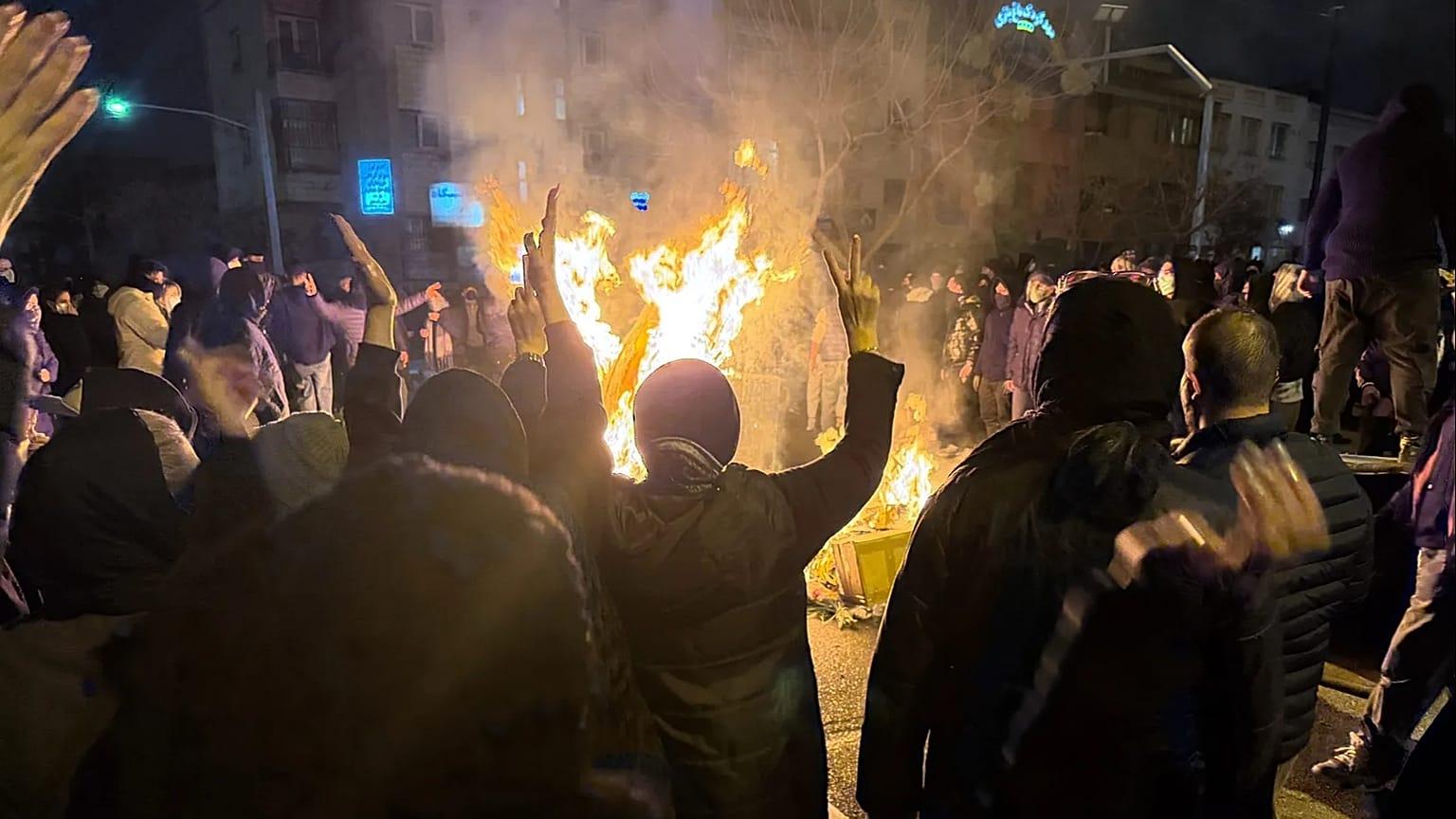
Iran has executed Siavash Jamshidi Kheirabadi, a man arrested during nationwide anti government protests in January, according to the country’s judiciary. Iranian authorities said Kheirabadi was convicted of moharebeh, commonly translated as waging war against God, as well as assembly and collusion against national security. The judiciary alleged that he fired at least three shots toward police during demonstrations in Shahrekord on January 8 and was arrested two days later. Reuters said it could not independently verify the allegations against him. The execution comes amid increasing international scrutiny of Iran’s use of capital punishment against people detained during the January unrest.
Iran has executed Siavash Jamshidi Kheirabadi, a man arrested during widespread anti government protests in January, according to an announcement by the Iranian judiciary on Saturday, October 3.
The judiciary said Kheirabadi was convicted of moharebeh, a serious offense under Iranian law commonly translated as waging war against God, as well as assembly and collusion against national security.
Authorities alleged that Kheirabadi fired at least three shots toward police officers during demonstrations in Shahrekord on January 8.
They said he was arrested two days later and was carrying a handgun.
Reuters said it could not independently verify those allegations.
AUTHORITIES ALLEGE HE FIRED AT POLICE
According to the judiciary’s account, police officers and witnesses identified Kheirabadi as being involved in the January 8 unrest.
Authorities said evidence presented against him included witness statements, messages attributed to him, the recovery of weapons and statements they described as confessions.
The judiciary also accused him of using online communications to organize activities it described as threatening national security.
No independent public record reviewed by Reuters established those allegations separately from the judiciary’s account.
Iranian authorities also did not identify anyone as having been killed or injured by the gunfire they attributed to Kheirabadi.
SUPREME COURT UPHELD DEATH SENTENCE
Iran’s judiciary said the death sentence was reviewed and upheld by the country’s Supreme Court before the execution was carried out.
State linked reporting described Kheirabadi as having been convicted of drawing and firing a weapon and participating in activity against national security.
The judiciary said legal procedures had been followed.
However, detailed information about the trial was not made public before the announcement of his execution.
LIMITED PUBLIC INFORMATION ABOUT TRIAL
Questions remain about the transparency of the proceedings.
Public reporting before the execution contained little information about when Kheirabadi was tried, which court heard the case or the arguments presented by his defense.
Iranian authorities said a lawyer participated in the proceedings, but publicly available reports did not provide detailed information about his legal representation or defense strategy.
That lack of information makes independent assessment of the judicial process difficult.
RIGHTS GROUPS RAISE DUE PROCESS CONCERNS
Human rights organizations have criticized Iran’s wider handling of cases involving people arrested during the January protests.
Iran Human Rights has accused authorities of using expedited judicial procedures and has raised concerns about alleged forced confessions and limited access to independent legal representation in some protest related cases.
Those concerns relate to the broader judicial crackdown and do not independently prove that specific violations occurred in every individual case.
Iranian authorities maintain that defendants sentenced to death have been convicted of serious crimes following judicial proceedings.
KHEIRABADI AMONG PROTEST RELATED EXECUTIONS
Iran Human Rights says Kheirabadi is among dozens of people executed in connection with the January demonstrations.
The organization says more than 30 people linked to the protests have been executed since March.
That figure comes from the rights group and is separate from the official Iranian government account.
The pace of executions has increased international concern over the treatment of detainees arrested during the unrest.
JANUARY PROTESTS SPREAD ACROSS IRAN
The demonstrations began against a background of economic hardship and later developed into broader anti government protests.
Large numbers of people were detained as authorities moved to regain control of streets and cities affected by unrest.
Some demonstrations became violent.
Iranian authorities accused certain protesters of attacking police, government buildings and security facilities.
Protesters and rights organizations, meanwhile, accused security forces of using excessive force and carrying out mass arrests.
COMPETING ACCOUNTS OF THE UNREST
Iran’s government has consistently described some participants in the demonstrations as rioters or security threats.
Authorities have also accused foreign governments and external groups of encouraging instability.
Opposition groups and international rights organizations dispute that description and argue that authorities have used national security laws to suppress dissent.
Those competing claims remain central to international debate over the government’s response to the protests.
MOHAREBEH CAN CARRY THE DEATH PENALTY
Under Iranian law, moharebeh can carry a death sentence.
The offense has been used in cases involving allegations of armed action against the state or public security.
Rights groups have criticized the way the charge has been applied in some protest related cases, arguing that its interpretation can be overly broad.
Iran maintains that the charge applies to serious security offenses and violent acts.
EXECUTION COMES AMID INTERNATIONAL SCRUTINY
The execution comes as international attention remains focused on Iran’s use of capital punishment.
Rights organizations have repeatedly called on Iranian authorities to halt executions connected to political demonstrations.
Several governments and international bodies have also raised concerns about access to lawyers, confessions obtained in custody and the speed of judicial proceedings in some protest related cases.
Iran rejects accusations that its judicial system systematically denies defendants due process.
WHAT IS CONFIRMED
Several facts in the case are publicly established.
Kheirabadi was arrested after the January demonstrations in Shahrekord.
Iran’s judiciary announced that he had been convicted and sentenced to death.
Authorities said the Supreme Court upheld the sentence.
The judiciary then announced on October 3 that the execution had been carried out.
WHAT REMAINS BASED ON AUTHORITIES’ ACCOUNT
The allegation that Kheirabadi fired at least three shots toward police comes from Iranian authorities.
Reuters has not independently verified that claim.
The same caution applies to allegations concerning his online activities and other conduct authorities said formed part of their case.
Because full trial records have not been made publicly available, independent observers have limited ability to assess all of the evidence considered by the court.
NO REPORTED FATALITIES FROM ALLEGED SHOOTING
Iranian state reporting did not identify anyone as having been killed by the shots authorities said Kheirabadi fired.
That distinction is important when reporting the case accurately.
The judiciary said the capital conviction was based on the use of a firearm and national security offenses, not on a publicly announced murder conviction arising from the January 8 incident.
RIGHTS GROUPS SAY MORE DETAINEES FACE EXECUTION
Human rights organizations say other people detained during the January protests remain at risk of execution.
Iran Human Rights has reported that scores of protesters could potentially face capital punishment.
The organization has called for international diplomatic pressure aimed at stopping further executions.
Iranian authorities reject what they describe as foreign interference in the country’s judicial affairs.
EXECUTIONS REMAIN A MAJOR INTERNATIONAL ISSUE
Iran is among the countries that continue to use capital punishment extensively.
Executions can be imposed for offenses including murder, drug related crimes, espionage and some national security offenses.
Human rights organizations oppose Iran’s use of the death penalty and have repeatedly raised concerns over fair trial protections.
Iran maintains that its criminal justice system operates according to domestic law.
WHY THE CASE MATTERS
Kheirabadi’s execution is significant because it connects directly to the government’s continuing response to one of the largest waves of protest Iran has faced in recent years.
The case also highlights the difficulty of independently assessing criminal allegations when court proceedings and investigative evidence are not fully public.
For news organizations, that makes attribution essential.
The judiciary’s allegations should be reported as allegations made by Iranian authorities rather than independently established facts.
INTERNATIONAL PRESSURE COULD INCREASE
Further protest related executions could increase diplomatic pressure on Tehran.
International human rights organizations are calling for remaining death sentences linked to the demonstrations to be suspended.
Iran has historically rejected foreign criticism of its judicial system and argues that people convicted of violent crimes or serious national security offenses must face consequences under Iranian law.
WHAT HAPPENS NEXT
Attention will now turn to other protesters who remain on death row or face serious national security charges.
Rights organizations are expected to continue documenting executions and calling for greater transparency surrounding trials.
Iranian authorities are also expected to maintain that people convicted of violent acts during the demonstrations are being prosecuted under the law rather than punished simply for protesting.
For Siavash Jamshidi Kheirabadi, the judicial process has now ended with his execution.
What remains disputed is the extent to which the evidence and proceedings behind his conviction can be independently scrutinized.