IRAN URGES US TO ACCEPT TERMS AS TEHRAN OFFERS TO REOPEN STRAIT OF HORMUZ WITHIN TWO DAYS
Iran has called on the United States to accept a package of conditions that Tehran says could allow the Strait of Hormuz to reopen within two days. The demands include an end to regional hostilities, the lifting of American restrictions on Iranian oil, the removal of the blockade around Iranian ports and access to frozen Iranian assets. President Donald Trump has spoken of positive momentum toward ending the eight month conflict and indicated that renewed major strikes are unlikely for now, although Washington has not accepted Tehran’s terms.
Iran has urged the United States to accept a package of conditions that Tehran says could lead to the reopening of the Strait of Hormuz within two days, presenting diplomacy as the only realistic way to bring their eight month conflict to an end as President Donald Trump signals that Washington may be willing to hold off on a new round of major military strikes.
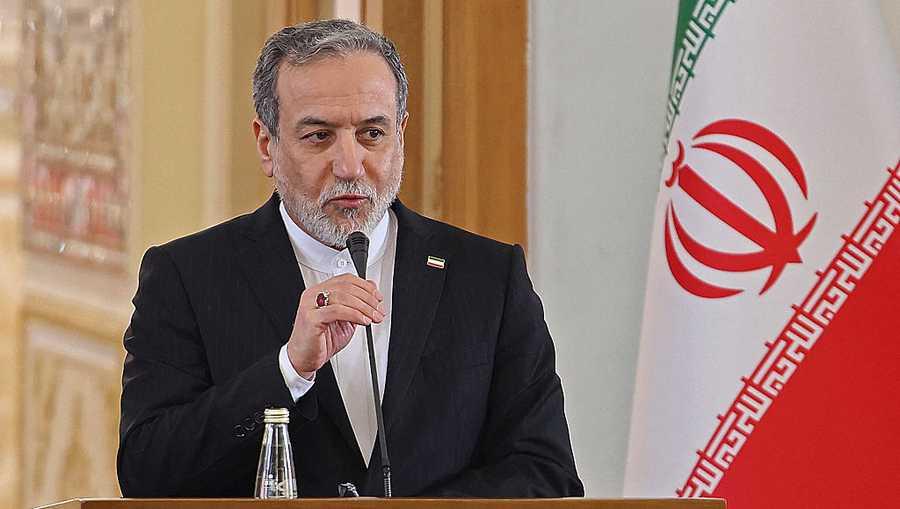
Iranian Foreign Minister Abbas Araghchi said Tuesday that continued military pressure and tougher sanctions would not resolve the confrontation between the two countries, arguing that Washington must instead engage seriously with Tehran’s demands. His remarks came as diplomatic efforts led largely by Qatar and supported by other regional governments intensified following months of warfare, a continuing American naval blockade and severe disruption to one of the most important energy shipping routes in the world.
Araghchi told Iran’s official IRNA news agency that Tehran’s proposal remained available and that the path forward required what he described as respect and diplomacy. He said Iran’s conditions had already been laid out in its two day proposal and insisted that the United States would have to address those demands if it wanted the confrontation to move toward a negotiated settlement.
At the center of the Iranian proposal is the Strait of Hormuz, the narrow maritime passage connecting the Persian Gulf with the Gulf of Oman and the wider Arabian Sea. Iran has heavily restricted shipping through the waterway since the war began, creating a major disruption to global energy markets because a large share of the world’s traded oil and liquefied natural gas normally passes through the strait.
Tehran says it is prepared to restore commercial traffic through Hormuz within 48 hours if Washington first meets a series of conditions. Those demands include an end to hostilities across the region, the lifting of American restrictions on Iranian oil, the removal of the United States naval blockade around Iranian ports and access to Iranian financial assets that remain frozen abroad.
Iranian officials have also demanded compensation for damage suffered during the conflict and have called for an end to military operations involving American allies in the region. Some of those demands remain unacceptable to Washington, which has repeatedly argued that Iran must make concessions of its own, particularly regarding its nuclear program, military capabilities and regional activities.
The two day proposal represents a shortened version of an earlier Iranian offer that would have required a longer period before the Strait of Hormuz was fully reopened. Iranian officials have presented the shorter timeline as evidence that Tehran is prepared to move quickly if the United States responds positively.
Washington has so far refused to accept the proposal in its current form. Secretary of State Marco Rubio recently described some Iranian demands as unreasonable and has continued to argue that the United States should maintain economic pressure until Tehran makes more meaningful concessions. American officials have also insisted that Iran cannot expect sanctions relief and an end to military pressure without providing guarantees over issues Washington considers central to its national security.
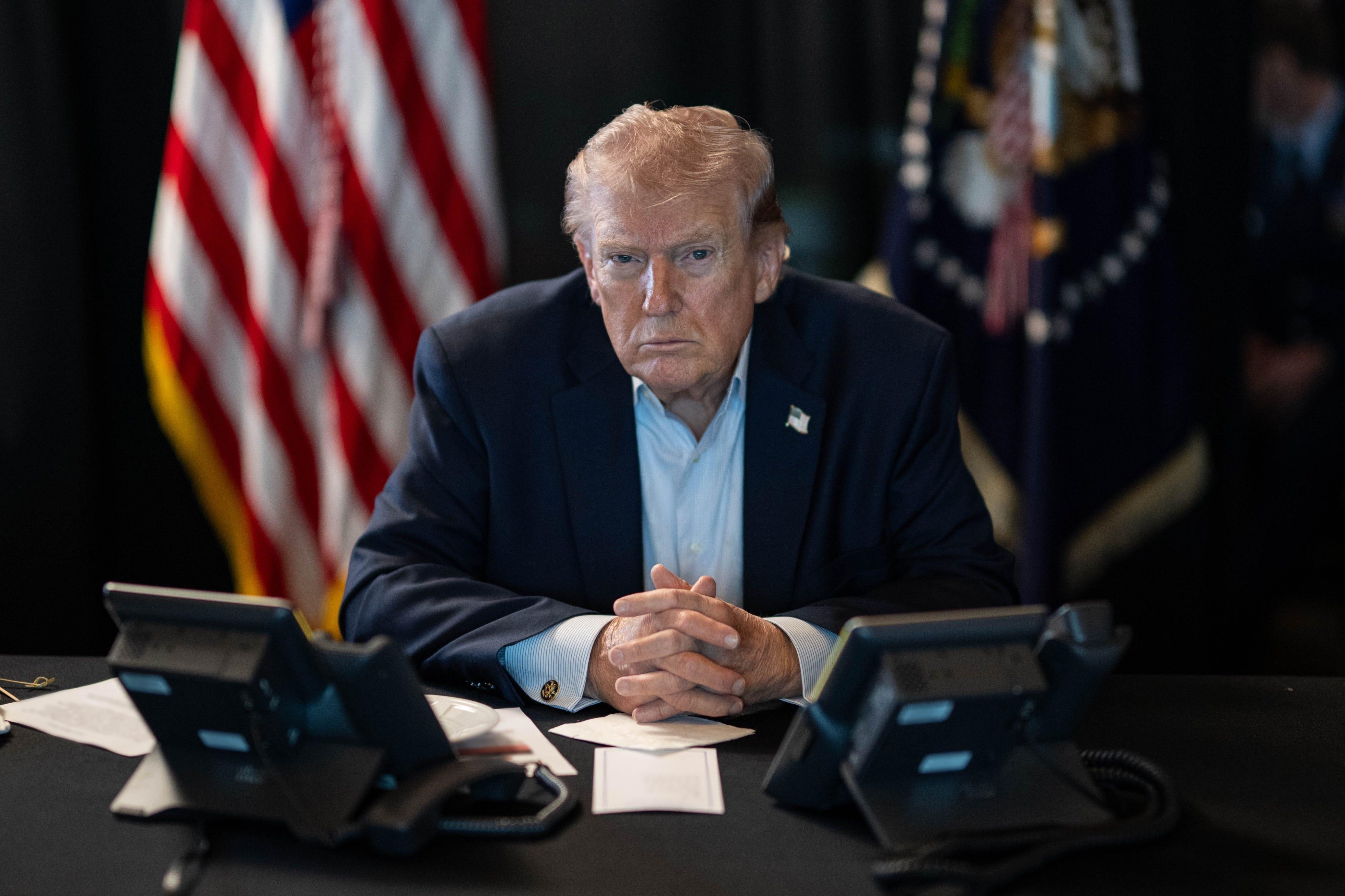
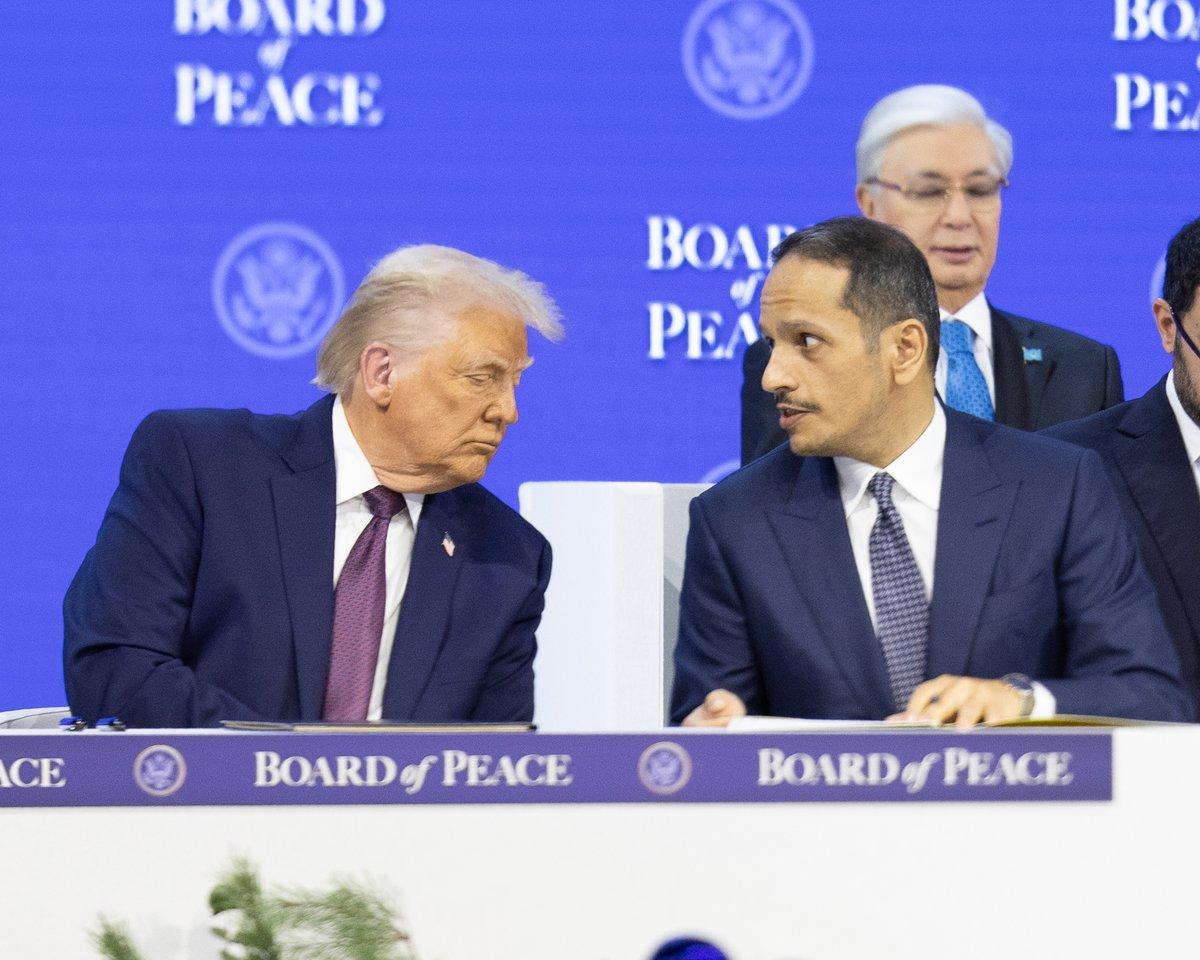
Despite those differences, Trump has struck a somewhat more cautious tone in recent days and has suggested that the diplomatic channel is producing movement. After meeting Qatar’s prime minister at the White House on Monday, Trump said there was positive momentum toward ending the conflict and indicated that another major American military escalation was not necessary at the moment.
Trump said the United States remained prepared to act militarily if circumstances changed, but also indicated that several Gulf governments preferred continued diplomacy over renewed large scale fighting. Qatar has played a central role in carrying messages between Washington and Tehran and has pushed both governments to avoid another escalation that could further destabilize the region.
The American president has described Iran as militarily weakened and has said the current conflict is effectively over in military terms, although United States forces remain heavily deployed around the region. The American naval blockade remains in place and Washington has continued limited military operations in recent days, meaning the conflict has not formally ended despite Trump’s more optimistic public language.
The gap between Trump’s statements and the position of some senior officials within his administration illustrates the uncertainty surrounding the negotiations. While Trump has spoken of progress, Rubio has continued to emphasize pressure and has told allies that Washington has options beyond either accepting Iran’s conditions or launching a new full scale campaign.
The United States has argued that sanctions and the blockade are important sources of leverage against Tehran. American officials believe maintaining economic pressure reduces Iran’s ability to finance military operations and support armed groups across the Middle East. Iran rejects that argument and says the measures amount to economic warfare against its population.
The conflict began in late February after American and Israeli strikes against Iran triggered a much wider regional confrontation. Those attacks killed Iran’s former supreme leader Ayatollah Ali Khamenei and several senior military and political figures, dramatically escalating tensions that had already been building over Iran’s nuclear program and its relationship with Israel and the United States.
Iran responded with missile and drone attacks against American and allied interests across the region while also imposing restrictions on commercial shipping through the Strait of Hormuz. The resulting disruption quickly affected global oil markets and pushed transportation and fuel costs higher in many countries.
The Strait has become one of the most powerful sources of leverage available to Tehran because of its importance to global energy trade. At its narrowest point, Hormuz is only a few dozen kilometers wide, yet it serves as the main export route for major oil and gas producers including Saudi Arabia, Iraq, Kuwait, Qatar and the United Arab Emirates.
Any prolonged disruption to the waterway can therefore produce consequences far beyond the Middle East. Oil prices rose sharply during the conflict as traders feared that shipping through Hormuz could be completely halted or that tankers and energy infrastructure could become direct military targets.
The latest signs of diplomatic movement have eased some of those concerns. Oil prices have fallen in recent days as markets reacted to Trump’s comments and growing expectations that Washington may avoid another major escalation if negotiations continue. That improvement remains fragile because neither side has formally accepted the other’s conditions and military forces remain positioned across the region.
Iranian officials are presenting the reopening proposal as a practical route toward reducing tensions. From Tehran’s perspective, restoring commercial traffic through Hormuz would provide immediate economic benefits to neighboring countries while giving Washington an incentive to relax sanctions and military pressure.
The United States sees the sequence differently. American officials have resisted the idea of granting major concessions before receiving binding commitments from Tehran. Washington has particularly focused on Iran’s nuclear activities and has demanded restrictions capable of preventing the country from developing a nuclear weapon.
Iran has repeatedly said its nuclear program is peaceful and denies seeking nuclear weapons. The United States and Israel remain deeply skeptical of those assurances, especially because Iran accumulated significant quantities of highly enriched uranium before the war.
The International Atomic Energy Agency has previously reported that Iran possessed hundreds of kilograms of uranium enriched to levels far above what is normally required for civilian nuclear energy. That stockpile has remained one of the central issues in diplomatic contacts surrounding the conflict.
Recent mediation has therefore involved more than the Strait of Hormuz. Qatar has also presented proposals dealing with Iran’s nuclear program and possible arrangements for international inspections of damaged nuclear facilities. Any final agreement is expected to require a much broader package involving sanctions relief, inspections, security guarantees and regional military arrangements.
Iran has shown little willingness to begin a full nuclear negotiation while the American blockade remains in place. Tehran’s position is that it cannot be expected to negotiate normally while its ports are restricted, its oil exports face sanctions and military forces remain under pressure.
Washington argues that lifting those measures before an agreement is reached would surrender much of the leverage that brought Iran back toward diplomacy in the first place. That disagreement over which side must act first has repeatedly stalled previous negotiations.
Iranian security officials have also adopted a more confrontational tone than Araghchi in recent days. Mohsen Rezaei, secretary of Iran’s Supreme National Security Council, urged Washington to accept Tehran’s conditions and portrayed the United States as being under growing political and economic pressure because of the war.
Those claims are political statements by the Iranian government and cannot be independently treated as proof that Washington is prepared to accept Tehran’s terms. The Trump administration has continued to insist publicly that the United States remains militarily capable of escalating the conflict if necessary.
Domestic politics in the United States are also becoming part of the diplomatic calculation. The war and the increase in energy prices were major issues during the recent American midterm elections, in which Republicans suffered significant losses. Democratic gains have increased political pressure on the administration to explain the military campaign and its economic consequences.
Trump has nevertheless defended the decision to use military force against Iran and has maintained that preventing Tehran from obtaining a nuclear weapon remains a central American objective. His latest comments suggest that he now sees diplomacy as potentially capable of achieving that objective without another large scale bombing campaign.
Gulf governments have strong reasons to support that approach. Countries including Qatar, Saudi Arabia and the United Arab Emirates have repeatedly warned that a renewed conflict could threaten energy facilities, shipping routes and cities across the region.
Those governments also have an economic interest in reopening Hormuz. Even countries with alternative export routes remain vulnerable to a prolonged disruption because the strait remains the most important maritime energy corridor in the Gulf.
Qatar in particular has emerged as one of the most active mediators. Its government has maintained communication with both Washington and Tehran and has attempted to develop proposals capable of addressing the immediate conflict while leaving more complicated nuclear and security negotiations for later stages.
Pakistan has also participated in diplomatic efforts, reflecting growing concern among regional governments that the confrontation could become more difficult to contain if talks fail.
For Iran, any agreement will have to be presented domestically as protecting the country’s sovereignty and resisting American pressure. Iranian leaders have repeatedly said they will not accept what they describe as surrender disguised as negotiations.
That political reality limits Tehran’s room for compromise. After months of war and significant casualties among senior officials and military personnel, the Iranian leadership faces pressure to demonstrate that the conflict has produced concessions from Washington rather than simply returning the country to the diplomatic situation that existed before the fighting.
Trump faces his own political constraints. Accepting all of Iran’s demands without major concessions from Tehran would expose the administration to criticism that months of military operations ended with Washington giving Iran what it wanted.
That is why the current negotiations are likely to focus heavily on sequencing. Rather than one side making every concession first, mediators may attempt to develop simultaneous steps in which Iran gradually restores shipping through Hormuz while the United States relaxes specific sanctions or elements of its blockade.
Such an arrangement could create enough confidence for broader negotiations without requiring either government to announce that it had surrendered its main bargaining position.
The biggest obstacle remains trust. Decades of hostility between Iran and the United States have left both governments deeply suspicious of the other’s intentions. The recent war has only intensified that mistrust.
Any arrangement involving the Strait of Hormuz would therefore likely require monitoring and detailed guarantees. Shipping companies and insurers would need confidence that commercial vessels could move through the waterway without being targeted, seized or caught between military forces.
A reopening would also have to account for the American naval presence. Tehran has demanded an end to what it calls the United States counter blockade of Iranian ports, while Washington argues that its forces are necessary to enforce sanctions and protect regional shipping.
Until that issue is resolved, even a political announcement about reopening Hormuz may not immediately restore normal maritime traffic.
The latest diplomatic activity nevertheless represents one of the clearest signs in months that both governments may be searching for a way to reduce the confrontation without another major military escalation. Trump’s reference to positive momentum does not mean an agreement has been reached, and Tehran has not withdrawn any of its principal demands.
What has changed is the tone and the willingness of mediators to put concrete proposals on the table. Iran is now attaching a specific 48 hour timetable to the reopening of the Strait if its conditions are satisfied, while Washington is publicly emphasizing diplomacy even as it maintains sanctions and military pressure.
The coming days will show whether those positions can be translated into a workable sequence of concessions. The most immediate test will be whether Washington and Tehran can agree on steps involving Hormuz without waiting for every dispute over nuclear policy, sanctions and regional security to be settled.
For global markets and governments across the Gulf, the outcome matters far beyond the relationship between Iran and the United States. A stable reopening of the Strait would reduce one of the biggest risks facing global energy supplies, while another collapse in diplomacy could quickly return the region to a cycle of military escalation and economic disruption.
For now, Iran’s offer remains on the table and Washington has not accepted it. Trump’s more cautious language has raised hopes that diplomacy may have additional time, but the sanctions, blockade and unresolved military confrontation remain firmly in place. Whether the two sides can convert that narrow opening into a broader settlement will depend on whether either government is prepared to make concessions it has resisted throughout eight months of war.