ISRAELI SETTLERS DESTROY PALESTINIAN FAMILY HOMES AS ATTACKS ON PARAMEDICS INTENSIFY IN OCCUPIED WEST BANK
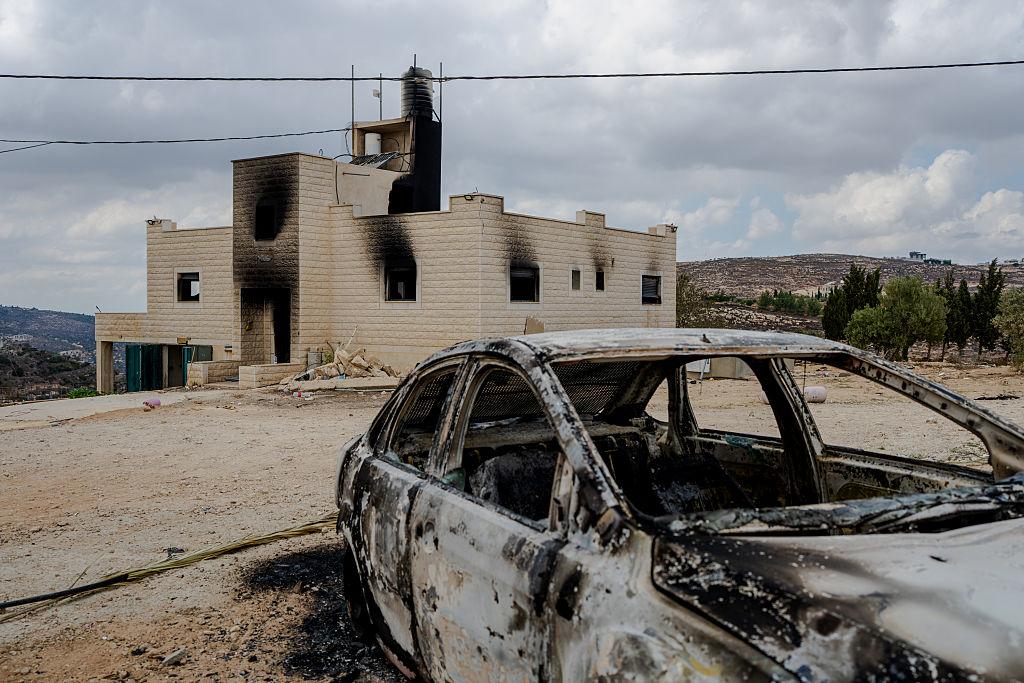
Israeli settlers severely damaged two homes belonging to the displaced Palestinian Tubasi family in the occupied West Bank village of Jalud on November 26, 2026, despite an existing Israeli court order intended to facilitate the family's return. The Israeli military condemned the destruction and announced an investigation as United Nations figures revealed an average of 53 settler attacks per week during 2026. Separately, Physicians for Human Rights Israel documented an increase of more than 350 percent in incidents affecting healthcare between 2022 and 2024, highlighting repeated attacks against Palestinian paramedics and restrictions preventing ambulances from reaching wounded residents. The developments have intensified concerns about civilian protection, forced displacement, humanitarian access and accountability across the occupied West Bank.
Israeli settlers have severely damaged two homes belonging to a displaced Palestinian family in the occupied West Bank village of Jalud, intensifying international concerns over escalating settler violence, the forced displacement of Palestinian communities and the failure to enforce judicial decisions intended to protect vulnerable residents. The attack, which occurred on Thursday, November 26, 2026, has drawn condemnation from the Israeli military and renewed scrutiny of the effectiveness of measures established to prevent violent settlers from targeting Palestinian civilians and their properties across the occupied territory.
The damaged properties belong to the Tubasi family, whose members had previously been forced to abandon their homes following attacks by Israeli settlers. Despite obtaining a favorable ruling from an Israeli court that was intended to facilitate their return, the family has remained displaced within its own village, unable to reclaim the properties because of continuing security threats and repeated confrontations. The latest destruction has further complicated their prospects of returning, raising questions about whether judicial protections can provide meaningful relief when authorities fail to prevent subsequent attacks.
Journalists from Reuters who visited Jalud confirmed that portions of the foundations supporting the family's two residential buildings had been destroyed. The damage represented a significant escalation from previous incidents involving the properties, which had already been targeted during earlier settler attacks. The destruction of structural foundations has introduced the possibility that extensive reconstruction could be necessary before the buildings can safely accommodate their occupants, even if Israeli authorities eventually restore the family's access to the area.
The Israel Defense Forces confirmed that military personnel had been dispatched to Jalud following reports that individuals were using heavy construction equipment to damage a Palestinian residential structure. Israeli military authorities described the destruction as a serious criminal act and announced that efforts were underway to identify those responsible and confiscate the equipment involved. The military also acknowledged that restrictions prohibiting settlers from entering the affected area were already in place, making the latest incident particularly significant in discussions surrounding the enforcement of existing security measures.
The attack occurred as a separate investigation published on Friday, November 27, documented increasingly dangerous conditions confronting Palestinian emergency medical workers across the occupied West Bank. The investigation detailed repeated attacks against paramedics, threats directed at ambulance crews and restrictions preventing emergency responders from reaching wounded residents. Although the findings concerning medical personnel relate to incidents separate from Thursday's destruction in Jalud, the developments collectively illustrate the widening humanitarian consequences of violence and insecurity affecting Palestinian communities.
For the Tubasi family, the latest attack represents the continuation of an ordeal that began months earlier when settler violence forced family members to abandon their residential properties. Their displacement occurred despite their longstanding connection to Jalud, leaving them dependent on alternative accommodation while their homes remained within sight. The inability to return has transformed what might ordinarily have been considered a temporary security evacuation into an increasingly prolonged period of uncertainty over their future.
The family had previously attempted to return to its properties under Israeli security escort following a court ruling. However, the attempted return in September was unsuccessful, and the residents remained unable to resume normal life in their homes. The failure of that effort raised concerns about the adequacy of security arrangements, particularly given that judicial authorities had already addressed the family's entitlement to reclaim its property.
Thursday's destruction has intensified those concerns because it occurred despite the reported existence of measures restricting settler access to the area. The incident demonstrates the difficulties Palestinian families can encounter when legal decisions are not accompanied by effective enforcement on the ground. For residents attempting to reclaim their homes, a favorable judicial ruling provides limited practical protection if individuals responsible for previous attacks continue to have opportunities to damage properties or intimidate their occupants.
The destruction of residential infrastructure also carries consequences extending beyond the immediate loss of shelter. Houses frequently represent the accumulated financial resources of entire families, particularly in rural communities where property ownership provides an important degree of economic security. Damage to structural components, utilities and household possessions can impose reconstruction costs that displaced families may be unable to afford without substantial assistance.
For Palestinian households living under conditions of recurring insecurity, undertaking repairs can itself become a complicated process. Families must consider whether construction workers can safely access affected properties, whether building materials can be transported into the area and whether restored buildings will remain protected against further attacks. Without credible security guarantees, investments in reconstruction may expose households to additional financial losses if their properties are subsequently targeted.
The latest incident in Jalud forms part of a broader pattern of violence documented across the occupied West Bank throughout 2026. United Nations figures cited in contemporary reporting indicate that an average of approximately 53 settler attacks per week have been recorded since the beginning of the year. The incidents encompass different forms of violence and intimidation, including assaults against Palestinian residents, damage to agricultural land, destruction of residential properties and interference with infrastructure essential to community life.
The frequency of recorded attacks has raised concerns among humanitarian organizations that individual incidents are contributing to a wider deterioration in the conditions necessary for Palestinian communities to remain in their homes. While the circumstances surrounding each attack differ, repeated exposure to violence can gradually undermine residents' ability to maintain employment, access essential services and pursue ordinary economic activities. The resulting pressures may continue long after the immediate physical confrontation has ended.
According to a humanitarian situation report published by the United Nations Office for the Coordination of Humanitarian Affairs on November 26, approximately 4,992 Palestinians had been displaced across the West Bank during 2026 as a result of combined factors involving settler violence, access restrictions and property demolitions. The figure included approximately 1,567 people displaced in the Jordan Valley, an area where agricultural livelihoods and access to land have become increasingly contentious.
The United Nations statistics do not mean that every displaced individual was directly removed from a home by violent settlers. The underlying circumstances include different forms of displacement, ranging from departures following physical attacks to situations involving administrative demolitions, movement restrictions and the deterioration of conditions required to sustain household livelihoods. Nevertheless, the combined figures illustrate the substantial humanitarian consequences arising from the continuing insecurity across the territory.
Humanitarian organizations have repeatedly warned that displacement should not be understood solely through the immediate circumstances in which individuals leave their homes. Families may endure months or years of increasing pressure before reaching a point at which they consider remaining in their communities unsafe or economically impossible. Those pressures can include repeated threats, restricted access to agricultural resources, damage to essential infrastructure and uncertainty regarding the availability of protection from authorities.
In agricultural communities, the inability to reach privately owned or traditionally cultivated land can have consequences comparable to the loss of residential property. Palestinian farmers depend on olive cultivation, livestock production and other forms of agriculture to support their households. When access to those resources becomes restricted through violence or security measures, families can lose their principal sources of income even when their homes remain physically intact.
Olive farming holds particular economic and cultural significance throughout the West Bank. The annual harvest provides employment, supports local businesses and contributes to the financial stability of households that have cultivated the same land for generations. For many Palestinian families, olive groves represent both an economic asset and a continuing connection to their ancestral communities.
Attacks affecting olive trees and agricultural workers can consequently produce financial consequences extending beyond a single harvesting season. Mature olive trees require years to develop, and their destruction can deprive families of future income while imposing considerable costs associated with replanting and maintaining agricultural land. Restrictions preventing farmers from tending their trees can similarly reduce productivity and undermine the commercial viability of their operations.
On November 20, the United Nations Humanitarian Country Team called on Israeli authorities to strengthen protection for Palestinian olive harvesters and ensure that farmers could safely access their agricultural properties. The appeal emphasized the importance of holding individuals responsible for violent attacks accountable while addressing the restrictions that prevent Palestinian communities from maintaining their traditional livelihoods.
The intervention reflected concerns that agricultural insecurity is becoming increasingly intertwined with displacement across the occupied territory. Households that lose their sources of income may struggle to finance basic necessities, including food, healthcare, transportation and education. When economic hardship develops alongside recurring physical threats, families can face growing pressure to relocate to areas where they believe they will have better access to security and essential services.
The destruction of water infrastructure has introduced another dimension to the humanitarian situation. A United Nations report published on November 18 documented more than 200 water, sanitation and hygiene infrastructure items that had been damaged, destroyed or seized in settler-related incidents during 2026. The affected installations included pipelines, water storage systems and connections serving residential and agricultural communities.
Reliable access to water is essential to the sustainability of rural settlements, particularly in areas where households depend on livestock and agricultural production. Damage to water infrastructure can force residents to purchase supplies through alternative arrangements, substantially increasing household expenditure while placing additional pressure on communities already experiencing economic hardship.
The consequences can become particularly severe during periods of high temperatures or when families are responsible for maintaining large numbers of animals. Insufficient access to water can undermine livestock health, reduce agricultural productivity and create sanitation challenges that affect entire communities. Restoring damaged infrastructure may also require access to materials, technical personnel and areas subject to movement restrictions.
The combination of residential insecurity, agricultural disruption and damage to essential services has contributed to concerns that some Palestinian communities are becoming increasingly difficult to sustain. Human rights organizations have argued that evaluating the humanitarian situation requires examining the cumulative effects of these conditions rather than treating every attack or restriction as an isolated development.
The risks confronting Palestinian emergency medical workers have become another particularly serious aspect of the deteriorating situation. Physicians for Human Rights Israel, an Israeli nonprofit organization monitoring health-related human rights concerns, published an investigation documenting repeated interference with Palestinian emergency medical services. The findings included accounts of assaults, intimidation and restrictions involving ambulance crews operating in areas affected by settler violence and military activity.
The organization's research found that recorded incidents affecting healthcare increased by more than 350 percent between 2022 and 2024. Its investigation included detailed interviews with 25 emergency medical workers and volunteers operating in the Nablus region, providing insight into the circumstances confronting individuals responsible for transporting wounded patients and responding to medical emergencies.
The findings indicate that Palestinian paramedics can encounter substantial difficulties even when responding to incidents involving individuals who urgently require treatment. Medical personnel interviewed by researchers described circumstances in which emergency responders faced threats, restrictions on movement and physical confrontations while attempting to fulfill their professional responsibilities.
A separate investigation published by The Guardian on November 27 documented similar concerns, examining the experiences of Palestinian ambulance personnel who have repeatedly encountered violence while performing emergency medical duties. The newspaper's reporting included accounts involving attacks against ambulances and restrictions preventing medical workers from reaching individuals injured during incidents involving settlers and Israeli security personnel.
Among the emergency responders interviewed was Palestinian ambulance driver Yousef Diriyeh, whose experiences included coming under attack while attempting to evacuate a wounded person following violence in the village of Qusra in October 2023. His account illustrates how threats confronting emergency medical workers have developed alongside the broader increase in violence affecting Palestinian communities over recent years.
Emergency responders occupy a distinctive position within areas experiencing conflict because their responsibilities frequently require them to enter locations from which other civilians are attempting to escape. Ambulance crews must assess injuries, stabilize patients and organize transportation to medical facilities, often while operating under difficult and unpredictable conditions. Interference with their work can therefore affect not only the safety of medical personnel but also the survival prospects of patients requiring urgent assistance.
When ambulance crews are prevented from reaching wounded residents, the resulting delays can substantially increase medical risks. Patients experiencing severe injuries may require treatment within a limited period, while individuals suffering from cardiovascular emergencies, respiratory complications or other acute conditions may experience rapid deterioration without timely intervention. Restrictions that appear temporary from a security perspective can have lasting consequences for individuals whose medical conditions require immediate attention.
The problem becomes particularly challenging in rural Palestinian communities where access to advanced healthcare facilities may already involve substantial travel distances. Ambulance crews transporting patients to hospitals can encounter checkpoints, road closures and other restrictions that extend journey times. Where security incidents occur simultaneously, the ability of emergency personnel to provide consistent medical assistance may become further compromised.
Medical organizations must also manage the consequences of damage to emergency vehicles and equipment. Ambulances require regular maintenance, specialized medical supplies and reliable access to fuel, while damaged vehicles may need to be withdrawn from service for extended periods. In areas where emergency resources are already limited, the loss of even a small number of vehicles can reduce the availability of medical assistance for entire communities.
The psychological consequences for emergency personnel represent another important consideration. Repeated exposure to threats and violence can affect the mental well-being of individuals whose work already involves responding to traumatic injuries and medical emergencies. Healthcare organizations may require additional resources to provide psychological support, maintain staffing levels and ensure that experienced personnel can continue performing their duties safely.
International humanitarian law recognizes the importance of protecting medical personnel and facilities engaged in humanitarian functions. The Geneva Conventions and related legal principles establish protections for wounded individuals, healthcare workers and medical transport operating in circumstances involving armed conflict and occupation. These protections reflect the fundamental obligation to preserve access to medical care regardless of the nationality or political identity of patients.
The existence of those protections does not prevent authorities from implementing every form of security procedure involving medical transport. In appropriate circumstances, security personnel may conduct checks necessary to address legitimate threats. However, such measures must comply with applicable legal obligations, and unnecessary interference with emergency medical assistance can raise serious humanitarian and legal concerns.
Israel has historically defended many of its security restrictions in the West Bank as necessary responses to attacks against Israeli civilians, soldiers and other security personnel. Israeli authorities argue that checkpoints, military operations and movement controls can help prevent armed attacks and disrupt militant activity. The government has also maintained that it possesses a responsibility to protect Israeli citizens living in areas exposed to security threats.
Humanitarian organizations have nevertheless warned that the implementation of security measures can impose substantial consequences on Palestinian civilians when restrictions interfere with healthcare, education, employment and access to essential resources. The central question is not whether authorities possess responsibilities to address legitimate security threats, but whether individual measures are necessary, proportionate and consistent with obligations to protect civilian populations.
That distinction is particularly important when examining allegations involving interference with ambulances. A comprehensive assessment must consider the circumstances confronting security personnel, the nature of the medical emergency, the reasons for restricting movement and whether alternative arrangements could have enabled treatment to proceed safely. Determining whether particular actions violated international law requires evidence concerning the specific incident rather than broad conclusions based solely on political positions.
The latest developments have also renewed scrutiny of the responsibilities held by Israeli institutions in preventing settler violence. The Israeli military maintains significant security authority throughout substantial portions of the West Bank, while Israeli police and judicial institutions possess responsibilities concerning criminal offenses committed by Israeli citizens. Coordination between those institutions can become essential when violent incidents involve Palestinian victims and Israeli suspects.
The military's condemnation of Thursday's destruction in Jalud demonstrates that Israeli authorities have recognized the seriousness of the reported conduct. Senior military officials have previously criticized violent extremist settlers, arguing that such actions undermine security operations and damage Israel's international standing. Those statements also reflect efforts to distinguish individuals involved in criminal conduct from the wider population of Israeli settlers.
Human rights organizations, however, have repeatedly questioned whether official condemnations are followed by sufficiently effective investigations, arrests and prosecutions. The difference between announcing investigative measures and obtaining a meaningful judicial outcome remains an important consideration when assessing accountability. For communities experiencing repeated attacks, confidence in law enforcement depends substantially on whether authorities can prevent further violence and establish responsibility for previous incidents.
Investigating the destruction of Palestinian properties can involve substantial evidentiary challenges. Authorities must identify the individuals involved, establish the circumstances under which damage occurred and determine whether criminal offenses can be proven under applicable law. Witness testimony, video recordings, property assessments and records concerning security restrictions may all become relevant to subsequent legal proceedings.
The availability of judicial remedies is also particularly important for Palestinian families attempting to obtain compensation or recover access to damaged properties. Legal proceedings can require considerable time and financial resources, while displaced households must continue addressing accommodation costs and other expenses during the process. Delays can increase the practical difficulties confronting individuals who have already experienced substantial personal and economic losses.
In the Tubasi family's case, the existence of a previous court ruling introduces additional questions about the enforcement of judicial authority. The family's inability to return despite a favorable legal decision illustrates the gap that can emerge between the formal recognition of rights and their practical implementation. The latest destruction has further widened that gap by creating physical obstacles to the family's eventual return.
For the Israeli authorities responsible for security in Jalud, the investigation will need to address not only the identity of those involved in damaging the homes but also the circumstances that allowed the incident to occur despite existing restrictions. Establishing whether security arrangements were violated, whether preventive measures were adequate and whether authorities responded appropriately will be relevant to determining how similar incidents might be prevented.
The broader political context surrounding settler violence remains inseparable from the unresolved status of the West Bank. Israel captured the territory from Jordan during the 1967 Middle East war, subsequently establishing military and civilian administrative arrangements that have remained central to the conflict between Israelis and Palestinians. The expansion of Israeli settlements over the following decades has become one of the most contentious issues in international efforts to resolve the dispute.
The Oslo agreements negotiated during the 1990s established administrative divisions within the West Bank and allocated varying responsibilities between Israeli authorities and the Palestinian Authority. Those arrangements were intended to form part of an interim political process leading toward a negotiated settlement. However, disagreements concerning borders, security, settlements, refugees and the status of Jerusalem have prevented the establishment of a comprehensive final agreement.
The resulting administrative structure has significant consequences for Palestinian communities experiencing settler violence. While the Palestinian Authority exercises certain civilian and security responsibilities in parts of the territory, its ability to intervene in areas under extensive Israeli control remains limited. Residents may consequently depend on Israeli military or police institutions to respond to incidents involving Israeli citizens, even when the affected properties belong to Palestinian families.
For Palestinians, settlement expansion has long represented a major obstacle to establishing an independent and geographically connected state. The construction of residential settlements, associated infrastructure and transportation networks can affect access to agricultural land, movement between Palestinian communities and the distribution of economic resources. These developments have become central to disagreements concerning the future territorial arrangements of any negotiated political settlement.
Successive Israeli governments have adopted different approaches toward settlement construction, reflecting divisions within Israeli society and politics over the territory's future. Some political movements have supported the expansion of settlements on historical, religious and national grounds, while others have argued that continued expansion undermines the prospects for a negotiated agreement and creates long-term security challenges.
The prevailing international legal position is that Israeli settlements in the occupied Palestinian territory violate international law. United Nations Security Council Resolution 2334, adopted in December 2016, reaffirmed that settlements established in territory occupied since 1967 have no legal validity and constitute a significant obstacle to a two-state solution.
Israel rejected that interpretation, maintaining that the territory's historical and legal circumstances are more complex than the position advanced by the United Nations. Israeli governments have argued that settlement-related questions should be addressed through direct negotiations and have challenged international legal interpretations that they believe fail to adequately consider Israeli security concerns.
In July 2024, the International Court of Justice issued an advisory opinion concluding that Israel's continued presence in the occupied Palestinian territory was unlawful and that its settlement policies violated international legal obligations. The court also addressed Israel's responsibilities concerning the population living under occupation and the consequences of practices affecting Palestinian rights.
Israel rejected the advisory opinion, arguing that the court's conclusions did not adequately reflect the historical circumstances of the conflict or the security threats facing the country. Although advisory opinions differ from binding judgments issued in disputes between consenting states, the court's findings carry substantial legal significance and have contributed to international discussions surrounding settlement policies and the protection of Palestinian civilians.
The disagreement over international law has continued to influence diplomatic relations between Israel and numerous governments. European countries, international organizations and other members of the international community have expressed concerns about settlement expansion and settler violence, while Israeli officials have frequently criticized international statements they consider unbalanced or insufficiently attentive to threats against Israeli citizens.
The West Bank has also experienced violence directed against Israeli civilians and security personnel, including attacks attributed to Palestinian armed individuals and organizations. Such incidents have contributed to Israeli security concerns and influenced the policies adopted by successive governments. International humanitarian principles require that Israeli civilians receive protection against unlawful attacks, just as Palestinian civilians must be protected against violence, intimidation and other unlawful conduct.
Recognizing the security concerns of one population does not diminish the obligations owed to another. Authorities must investigate individual criminal acts on the basis of evidence and avoid attributing collective responsibility to entire communities. The same principle applies to attacks committed by violent settlers, Palestinian armed groups and any security personnel accused of acting unlawfully.
The humanitarian consequences of the continuing violence have become increasingly visible in the experiences of displaced Palestinian children. Families forced to relocate may encounter substantial difficulties maintaining educational arrangements, particularly when temporary accommodation is located far from children's established schools. Repeated disruptions can affect academic progress, social relationships and the ability of young people to maintain a sense of stability.
Children exposed to violence against their homes or relatives may also experience emotional consequences extending beyond the immediate incident. Concerns about personal safety, uncertainty regarding the future and the loss of familiar surroundings can contribute to psychological distress. Providing appropriate support requires coordination among families, educational institutions, healthcare professionals and humanitarian organizations.
The effects can be especially severe when displacement becomes prolonged. Temporary accommodation intended to provide short-term protection may become a family's principal residence for months or years, often without the space, privacy or resources necessary to maintain ordinary household routines. Children may grow up without knowing whether their families will eventually return to the communities from which they were displaced.
Older Palestinians and individuals living with disabilities can face additional difficulties when forced to abandon their homes. Their ability to relocate safely may depend on access to appropriate transportation, medical equipment, medication and accommodation adapted to their physical needs. Where displacement occurs suddenly, families may struggle to maintain continuity of healthcare or recover essential personal belongings.
Women responsible for managing households and caring for children can encounter substantial additional pressures during periods of displacement. Changes in accommodation may disrupt established family support networks, while economic losses can reduce access to healthcare, education and other necessities. Humanitarian responses must therefore consider the differing needs of individuals within displaced households rather than treating every family as a uniform category.
International humanitarian organizations operating in the West Bank provide assistance addressing many of these challenges. Their activities can include emergency shelter support, healthcare services, water infrastructure repairs, legal assistance and programs intended to protect agricultural livelihoods. However, repeated attacks and restrictions can increase demand for humanitarian resources while complicating the delivery of assistance.
The reconstruction of damaged residential buildings represents a particularly difficult challenge because restoring physical infrastructure does not necessarily address the security circumstances responsible for its destruction. Humanitarian organizations may assist families with repairs, but those investments can be undermined if properties remain exposed to subsequent violence. Long-term recovery consequently depends on effective protection as well as financial and technical assistance.
The destruction in Jalud illustrates this distinction with particular clarity. The Tubasi family had already experienced displacement and unsuccessful efforts to return before the latest attack damaged the foundations of its homes. Even if humanitarian assistance becomes available to undertake repairs, the family must still obtain credible assurances that it can occupy the properties without facing renewed intimidation or destruction.
The broader implications extend to Palestinian communities observing the experiences of neighboring villages. When residents see families unable to return despite judicial decisions, their confidence in the availability of legal protection may diminish. This can influence household decisions about whether to invest in agricultural land, maintain residential properties or remain in areas experiencing recurring violence.
The international community has repeatedly called for measures addressing the underlying conditions contributing to displacement. United Nations officials and humanitarian organizations have emphasized that assistance provided after families lose their homes cannot substitute for effective prevention. Their recommendations have included stronger law enforcement, protection of civilian property, reliable humanitarian access and accountability for individuals responsible for violence.
European governments have previously introduced sanctions against certain individuals and organizations associated with extremist settler activity. Such measures have been presented as attempts to address specific conduct without imposing collective penalties on the broader Israeli population. Their effectiveness, however, depends on the scope of implementation, coordination among governments and the extent to which they influence behavior on the ground.
International diplomatic pressure has also generated disagreements concerning how external governments should respond to settlement expansion and violence in occupied territory. Some governments have advocated stronger economic or legal measures, while others have emphasized diplomatic engagement and cooperation with Israeli authorities. These differences reflect broader divisions over the relationship between security assistance, international law and efforts to achieve a negotiated resolution.
For international humanitarian institutions, the immediate priority remains ensuring that civilians can obtain protection and essential services regardless of continuing diplomatic disagreements. Emergency medical assistance, access to safe drinking water and the availability of shelter are fundamental humanitarian concerns that cannot reasonably depend on the resolution of every political question surrounding the occupied territory.
The safety of Palestinian medical workers will remain a particularly important measure of whether conditions are improving. Emergency services provide essential protection to communities experiencing violence, yet their ability to operate effectively depends on cooperation from authorities and respect for their humanitarian responsibilities. Repeated attacks against ambulance personnel or unnecessary restrictions on medical access can undermine the wider healthcare system.
The latest investigations documenting interference with emergency responders have therefore reinforced calls for clearer accountability mechanisms. Medical organizations and human rights groups have emphasized the importance of examining reported incidents, preserving relevant evidence and determining whether individuals responsible for unlawful interference should face disciplinary or criminal proceedings.
For Israeli authorities, addressing such allegations requires distinguishing between legitimate security operations and conduct that unnecessarily places patients or medical personnel at risk. Transparent investigations can help establish the circumstances surrounding disputed incidents while providing an opportunity to demonstrate whether existing policies and enforcement mechanisms comply with humanitarian obligations.
Palestinian authorities and healthcare organizations must simultaneously continue managing the practical difficulties associated with delivering emergency medical assistance. Maintaining adequate staffing, replacing damaged vehicles and coordinating hospital transfers require substantial resources, particularly when medical personnel operate across areas with different administrative and security arrangements.
International assistance may help address some of those operational difficulties, but additional equipment and funding cannot eliminate the need for safe humanitarian access. Ambulance crews must be able to reach patients and transport them to appropriate medical facilities, and healthcare institutions must have sufficient confidence that their personnel can perform essential duties without unnecessary exposure to violence.
The latest developments have renewed attention to the relationship between civilian protection and the broader prospects for stability across the West Bank. Recurring attacks, displacement and restrictions on essential services can deepen grievances, reduce trust in public institutions and complicate efforts to establish conditions conducive to political negotiations. Their consequences extend beyond individual incidents because they influence the daily circumstances in which entire communities attempt to maintain ordinary lives.
For Israelis concerned about national security, the conduct of individuals engaged in violent settler activity can also create significant consequences. Such incidents can divert military and police resources, increase tensions with Palestinian communities and generate international diplomatic criticism. Israeli military officials who have condemned extremist violence have emphasized concerns that criminal conduct can undermine wider security objectives.
The accountability of individuals responsible for violence is therefore relevant to the interests of both populations. Effective investigations and prosecutions can help establish that unlawful actions carry consequences, while consistent protection measures can reduce opportunities for recurring attacks. However, institutional credibility depends on whether those mechanisms operate effectively across different communities and regardless of the identities of victims or suspects.
As of Friday, November 27, Israeli authorities had condemned the destruction of the Tubasi family's properties and announced investigative measures, but a final determination of criminal responsibility had not been publicly established. The family's prospects of returning remain uncertain, particularly given the structural damage to its homes and the difficulties experienced during previous attempts to reclaim the properties.
The separate findings concerning attacks against Palestinian paramedics have added urgency to concerns about humanitarian access throughout the occupied territory. Medical organizations continue documenting incidents in which emergency responders encounter threats and restrictions while attempting to provide assistance, reinforcing demands for practical measures that allow healthcare personnel to perform their duties safely.
For the Tubasi family, the immediate challenge is no longer limited to obtaining permission to return to its residential properties. Family members must now confront the consequences of additional structural destruction, the potential financial burden of reconstruction and the continuing uncertainty surrounding the protection of their homes. Their experience illustrates the limitations of judicial remedies when enforcement arrangements fail to provide the security necessary for individuals to exercise their recognized rights.
For the broader Palestinian population, the latest figures concerning displacement, agricultural destruction and interference with medical services demonstrate how different forms of insecurity can reinforce one another. Families deprived of reliable access to land, water, healthcare and housing may face increasingly difficult decisions about whether they can remain in communities that have sustained them for generations.
The international response will continue to depend on whether diplomatic statements and humanitarian recommendations are accompanied by effective action addressing the conditions responsible for the violence. Investigations into individual incidents, enforcement of judicial decisions and meaningful protection for civilians will remain important measures of whether existing commitments are producing practical improvements.
The destruction in Jalud has consequently become another significant episode in the continuing humanitarian crisis affecting the occupied West Bank. While Israeli military officials have condemned the attack and pledged to investigate, the displaced family remains unable to return safely to its damaged homes, and the broader pattern of violence documented by international organizations continues to generate concerns about civilian protection. The eventual outcome of the investigation will help determine whether those responsible are held accountable, but lasting improvement will require security arrangements capable of preventing further destruction, protecting emergency medical workers and ensuring that Palestinian families can live in their communities without recurring threats to their homes, livelihoods and personal safety.