
ITALY PLACES AROUND 150 ISLAMIC CENTRES UNDER SPECIAL SURVEILLANCE OVER FUNDAMENTALISM CONCERNS
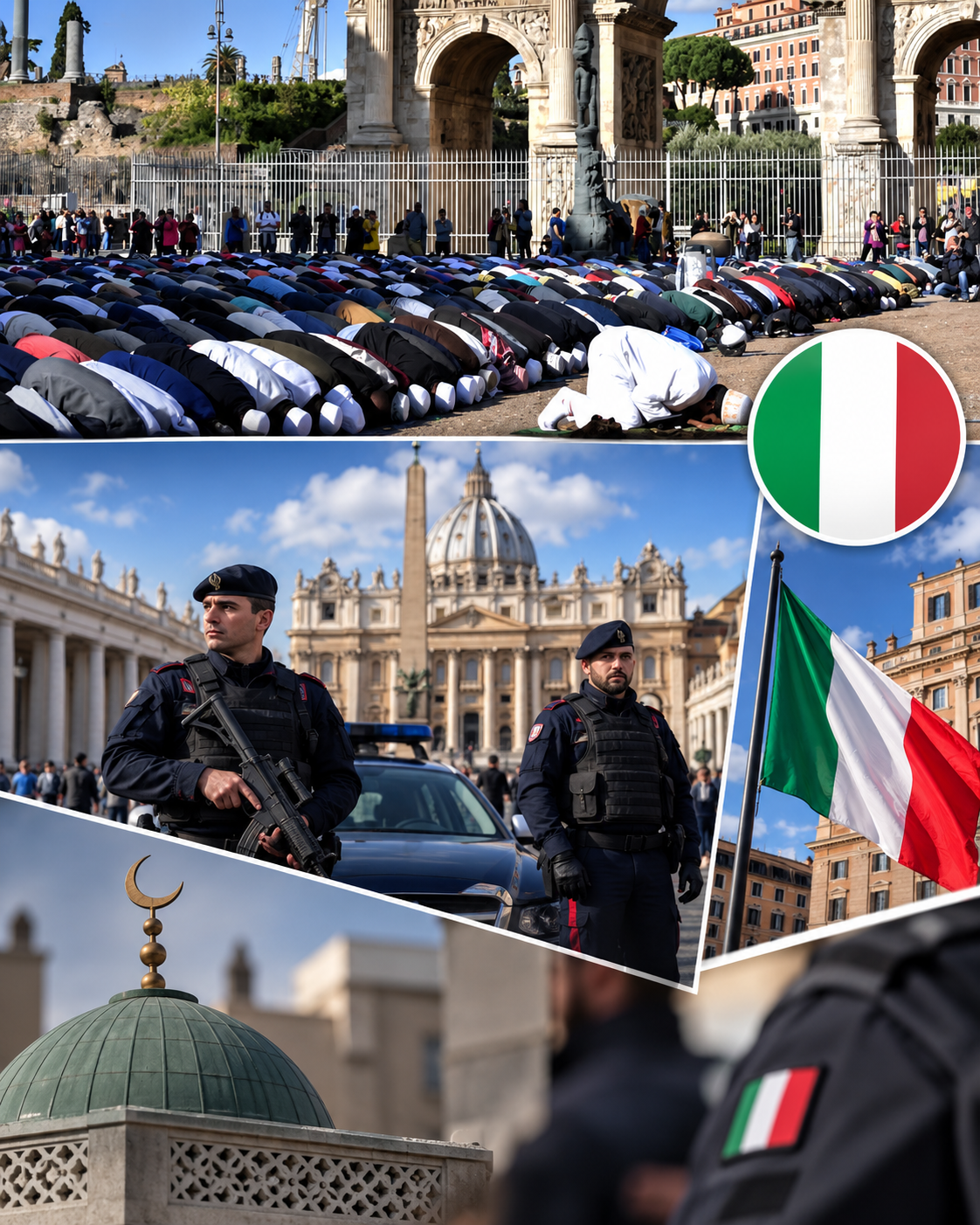
Italian security services are reportedly maintaining heightened surveillance on around 150 informal Islamic centres amid concerns about fundamentalist activity and potential radicalisation.
Recent Italian reporting says counterterrorism authorities and Italy's domestic intelligence agency AISI have identified hundreds of individuals considered particularly sensitive from a security perspective.
Around 400 to 500 people are reportedly being closely monitored, including radical preachers, informal imams, ideological figures and young people authorities believe may have undergone significant radicalisation.
The figures do not mean that everyone attending the centres is suspected of extremism or that all the centres have been linked to terrorism.
Instead, the surveillance reportedly focuses on particular locations and individuals considered potentially relevant to national security investigations.
MORE THAN 1,200 INFORMAL ISLAMIC CENTRES IDENTIFIED
Italian authorities have identified more than 1,200 informal Islamic prayer rooms and centres across the country.
Many are known as musalla and operate outside purpose built mosques.
Such facilities can be located inside garages, basements, warehouses, industrial buildings and premises officially registered as cultural associations.
Informal prayer spaces are not automatically illegal or extremist.
However, security authorities have reportedly identified a smaller group of locations where fundamentalist preaching, radical networks or individuals of security interest are suspected of operating.
NORTHERN ITALY RECEIVING PARTICULAR ATTENTION
Lombardy is reportedly one of the principal areas being monitored, particularly Milan, Brescia, Bergamo and Varese.
Authorities are also paying attention to locations in Emilia Romagna, Piedmont and Lazio.
Italian counterterrorism authorities have historically monitored radical networks involving individuals of various backgrounds.
Recent reporting suggests investigators are increasingly examining potential extremist activity involving individuals within Pakistani and Bangladeshi communities as well.
This does not imply that those communities generally support extremist ideology.
ITALY EXPANDS SECURITY OPERATIONS
The surveillance forms part of Italy's broader counterterrorism strategy.
Interior Minister Matteo Piantedosi has repeatedly warned about the continuing threat posed by jihadist radicalisation, including individuals who become radicalised online and potentially operate without belonging to established terrorist organisations.
Italy also has powers allowing foreign nationals considered serious threats to national security to be expelled from the country.
In August, Piantedosi said 256 people had already been expelled during 2026 for national security reasons.
Authorities can use administrative expulsion procedures in certain national security cases even where available intelligence may not be sufficient to secure a criminal terrorism conviction.
However, such measures remain subject to Italian and European legal safeguards and can face challenges before the courts.
SECURITY AND RELIGIOUS FREEDOM
The increased surveillance also raises an important distinction between combating extremism and protecting religious freedom.
Italy's Muslim population has the right to practise Islam and operate lawful places of worship.
The existence of an informal Islamic prayer room does not by itself indicate fundamentalism or terrorism.
Italian authorities say their security efforts are aimed at individuals and networks considered potential threats rather than ordinary Muslims practising their religion.
As European governments confront concerns surrounding online radicalisation, lone actors and extremist networks, Italy appears determined to maintain aggressive surveillance of individuals authorities believe could pose a genuine security threat.
VNTV