
JOHN BOADU ELECTED NPP NATIONAL CHAIRMAN
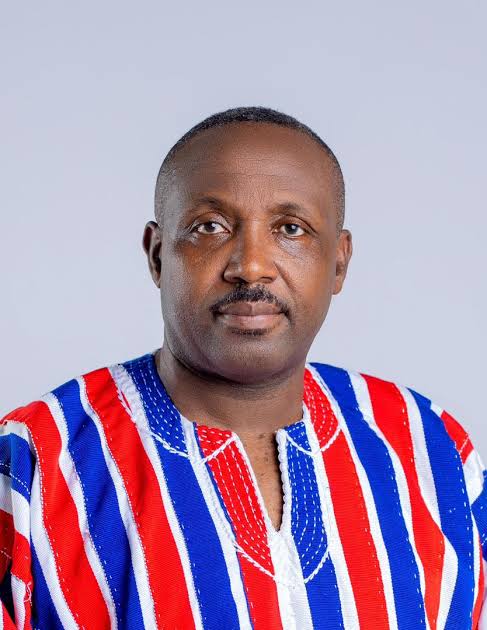
John Boadu has been elected National Chairman of the New Patriotic Party following the party’s National Delegates Conference at Baba Yara Sports Stadium in Kumasi. The former NPP General Secretary secured 2,888 votes to emerge winner of the chairmanship contest. His election places him at the head of the party’s national executive structure as the NPP continues its reorganization ahead of Ghana’s 2028 general election. Boadu has called for unity following the contest and says the new leadership must focus on rebuilding and strengthening the party.
Former New Patriotic Party General Secretary John Boadu has been elected National Chairman of the opposition party following its National Delegates Conference at Baba Yara Sports Stadium in Kumasi.
Boadu secured 2,888 votes to win the highly contested chairmanship election held on Saturday, October 3.
His victory moves him into the NPP’s highest elected national executive position at a time when the party is reorganizing its structures and preparing for the 2028 general election.
BOADU RETURNS TO TOP NATIONAL LEADERSHIP
Boadu is not new to the party’s national leadership.
He previously served as NPP General Secretary and has held several senior organizational positions within the party.
His election as National Chairman gives him responsibility for helping coordinate the party’s national executive structures and broader organizational direction.
The role is expected to involve close collaboration with the General Secretary, regional executives, constituency officers, Members of Parliament and the party’s presidential candidate.
BOADU SECURES 2,888 VOTES
Official results reported after the conference show Boadu received 2,888 votes.
The result confirmed earlier indications that he was leading the contest as counting progressed.
He competed against other prominent figures seeking the chairmanship, including former National Chairman Paul Afoko, former Energy Minister Boakye Agyarko and Sammy Crabbe.
Crabbe announced an alliance with Boadu shortly before voting, encouraging his supporters to back the former General Secretary.
NEW CHAIRMAN CALLS FOR UNITY
Following his victory, Boadu called on party members to put internal differences aside and focus on rebuilding the NPP.
He said the election should be viewed as a moment of responsibility rather than simply personal victory.
Boadu also emphasized the need for unity among supporters of the different candidates who contested the national executive positions.
His message reflects one of the immediate challenges facing the new leadership after a competitive internal election.
PARTY FOCUS SHIFTS TO REBUILDING
The NPP entered the national conference after completing elections at lower levels of the party.
Polling station, constituency and regional structures have already undergone reorganization.
The new national executives will now be responsible for coordinating those structures at the national level.
Boadu has said the leadership must focus on rebuilding confidence among party members and strengthening grassroots organization.
NPP PREPARING FOR 2028
The new national executive team will operate during a crucial period for the party.
The NPP is currently in opposition and is preparing for Ghana’s next general election in 2028.
The party has already selected Dr Mahamudu Bawumia as its presidential flagbearer.
The national executives will therefore play a central organizational role in preparing the party for the next electoral cycle.
CHAIRMANSHIP DOES NOT DETERMINE ELECTION OUTCOME
Boadu’s election is significant for the NPP’s internal organization, but it does not determine the outcome of the 2028 general election.
The party will still need to develop its campaign strategy, strengthen grassroots structures, raise funds and compete for voter support.
The final outcome of the national election will be decided by Ghanaian voters.
CONFERENCE ALSO ELECTED OTHER NATIONAL OFFICERS
The National Delegates Conference produced a new group of national officers across several positions.
Kojo Fosu Boadu was elected First Vice Chairman.
The party also elected new officers for other national executive positions, including women, youth and organizational roles.
The full executive team will work with Boadu in managing the party’s national structures.
CONSTITUTIONAL AMENDMENTS POSTPONED
The party had initially planned to consider several constitutional amendments at the conference.
Those discussions were postponed because of time constraints.
Among the proposals was a possible change relating to who should be formally recognized as leader of the party.
The amendments are expected to be considered at a future national conference.
INTERNAL UNITY WILL BE EARLY TEST
One of Boadu’s first major tasks will be managing the relationship between the different groups that supported competing candidates.
Internal elections can create divisions that continue after results are declared.
Boadu’s call for unity suggests the new leadership intends to move quickly to reduce those tensions.
How effectively the party reunites around the new executives will be closely watched.
ORGANIZATIONAL EXPERIENCE MAY SHAPE HIS TENURE
Boadu’s previous experience as General Secretary means he is already familiar with the party’s national administration.
That background may influence how he approaches party organization, communication and campaign structures.
His tenure will also be judged by how effectively he works with other elected officers and the wider party leadership.
WHAT IS CONFIRMED
John Boadu has been elected National Chairman of the New Patriotic Party.
He secured 2,888 votes at the National Delegates Conference in Kumasi.
He previously served as the party’s General Secretary.
He has called for unity and rebuilding following his victory.
WHAT HAPPENS NEXT
The new national executive team is expected to begin work on strengthening party structures and preparing for the next phase of opposition politics.
Boadu will also be expected to work closely with the party’s flagbearer and other senior officials.
For the NPP, the leadership election completes a major stage in its internal reorganization.
The next challenge will be translating that restructuring into a unified national organization ahead of the 2028 general election.