KWAME NKRUMAH’S SON GAMAL DIES AT 68 IN CAIRO, BURIAL SET FOR SATURDAY IN EGYPT
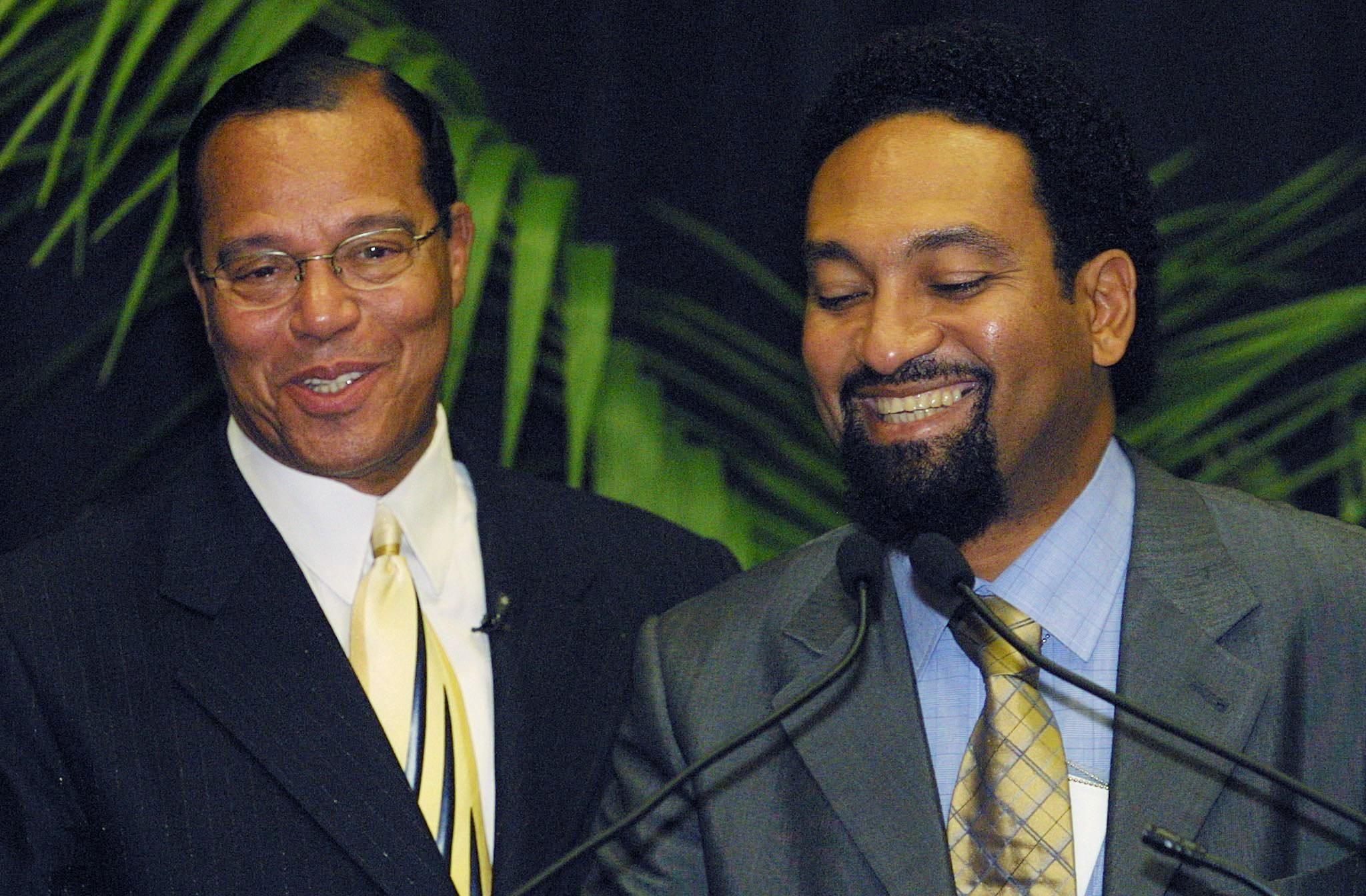
Gamal Gorkeh Nkrumah, son of Ghana’s first President Kwame Nkrumah and veteran journalist with Egypt’s Al-Ahram Weekly, has died in Cairo at the age of 68. His family says he passed peacefully on October 14 after a prolonged illness and had been receiving rehabilitation care following a stroke. He will be buried in Egypt on Saturday, October 17, in accordance with Islamic traditions.
Gamal Gorkeh Nkrumah, journalist, writer and son of Ghana’s first President, Osagyefo Dr Kwame Nkrumah, has died in Cairo at the age of 68 following a prolonged illness, bringing the loss of another member of one of the most historically significant families in Ghana’s political story. The Nkrumah family confirmed that Gamal died peacefully in Egypt on Wednesday, October 14, after receiving care at a rehabilitation center following a stroke, and announced that he will be buried on Saturday, October 17, in accordance with Islamic traditions.
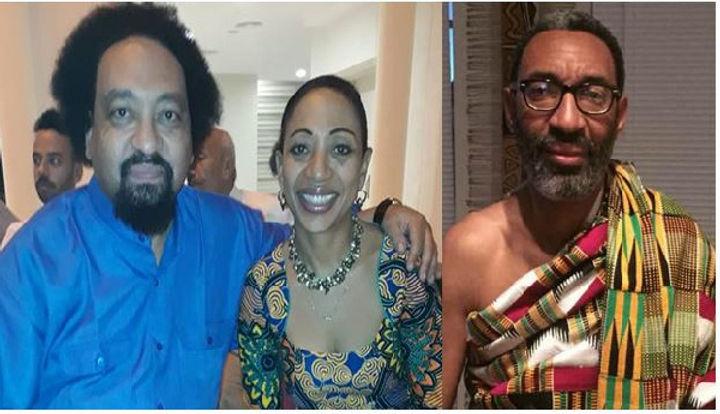
The death was first confirmed publicly through family sources and later formally announced by the Nkrumah family, which described Gamal as a respected journalist, writer and intellectual whose life and work remained closely connected to ideas of justice, human dignity, African unity and international solidarity. His sister, Samia Nkrumah, shared the family’s tribute, revealing that he had been battling the effects of a stroke and had remained under care in Cairo before his death.
Gamal was born in Accra in 1958 to Kwame Nkrumah and his Egyptian wife, Fathia Nkrumah. His life reflected the deep political and personal relationship between Ghana and Egypt that characterized part of the early postcolonial era. He was named after Egyptian President Gamal Abdel Nasser, one of Africa and the Arab world’s most influential political figures of the 20th century and a close ally of Kwame Nkrumah during a period when both leaders championed anti-colonialism, African liberation and greater cooperation across the developing world.
Unlike his father, Gamal did not build his principal career through party politics in Ghana. Instead, he established himself as a journalist and commentator in Egypt, where he spent decades writing about African politics, international affairs, colonialism, Pan-Africanism and the continent’s relationship with the wider world. His work at Al-Ahram Weekly, the English-language publication of Egypt’s Al-Ahram press organization, became the defining professional chapter of his life and gave him a platform from which he examined both African and Middle Eastern affairs.
Ahram Online said his career at Al-Ahram Weekly spanned roughly three decades, making him one of the publication’s veteran journalists. He wrote extensively on questions of African development, political change, regional diplomacy and the legacy of colonialism, often bringing a distinctly Pan-African perspective to his reporting and analysis. His position in Cairo also allowed him to occupy an unusual space between Ghanaian political history and Egyptian intellectual and media life.
The Nkrumah family’s statement emphasized that Gamal retained a strong commitment to the political and philosophical ideals associated with his father. Those ideals included African unity, social justice, anti-imperialism and international solidarity, all central themes in Kwame Nkrumah’s political philosophy and in the broader Pan-African movement that shaped much of the continent’s independence era.
His death therefore carries significance beyond his immediate family. Gamal belonged to a generation whose personal history was directly linked to Ghana’s transition from colonial rule to independence and to the international political alliances that surrounded that period. His father led Ghana to independence from Britain in 1957 and later became the country’s first president in 1960, making the Nkrumah name inseparable from the history of the modern Ghanaian state.
Gamal’s mother, Fathia, was Egyptian, and that heritage strongly influenced where he lived and worked. Cairo became his long-term professional base, and his journalism helped connect Ghana’s political heritage with Egypt’s media and intellectual environment. In that sense, his career was not simply an extension of his father’s legacy but a distinct professional path shaped by both Ghanaian and Egyptian experiences.
He studied at the School of Oriental and African Studies in London, where biographical accounts say he earned a doctorate in political science. That academic background complemented his journalism and gave his writing a strong focus on political systems, international relations and the historical forces shaping African states.
Gamal’s siblings also pursued public lives in different ways. His sister Samia became a prominent Ghanaian politician, serving as Member of Parliament for Jomoro and later as chairperson of the Convention People’s Party, the political organization founded by their father. His younger brother, Sekou Nkrumah, became known as a writer, political commentator and activist in Ghana. Together, the siblings remained part of continuing public interest in the political and ideological legacy of Kwame Nkrumah.
The death of Gamal has prompted tributes from Ghanaian political figures and others who followed his work. Emmanuel Armah-Kofi Buah, Member of Parliament for Ellembelle, described him as an accomplished journalist and committed Pan-Africanist who remained faithful to the ideals associated with his father. Similar tributes have focused on his intellectual independence and his long career examining Africa’s place in international affairs.
Those tributes reflect the particular role Gamal played within the Nkrumah family. While his sister Samia was more directly involved in Ghanaian electoral politics, Gamal’s contribution was primarily intellectual and journalistic. His writing provided a platform for discussing African unity, international power relations and the continuing influence of colonial history on contemporary politics.
His career also came during a period of major geopolitical change across Africa and the Middle East. From the end of the Cold War through the Arab Spring and into a new era of geopolitical competition, Gamal covered a continent undergoing repeated political transitions, economic crises, democratic experiments and conflicts. His perspective was shaped by a family history rooted in anti-colonial politics but also by years of professional reporting in Egypt.
That combination gave his work a distinctive international orientation. He was particularly interested in how African countries negotiated relationships with Western powers, the Middle East and emerging global actors, and he frequently wrote about the unfinished questions surrounding African political and economic independence.
His death comes at a time when debates over Kwame Nkrumah’s legacy remain active in Ghana. Nkrumah continues to be celebrated as the principal architect of Ghana’s independence and one of Africa’s most influential Pan-African leaders, while aspects of his government and political system remain subjects of historical debate. Gamal’s own work often engaged with those larger questions of independence, sovereignty and African unity without being limited to Ghanaian domestic politics.
The burial in Egypt reflects both his maternal heritage and the life he built there. According to the family, funeral arrangements are being conducted in accordance with Islamic traditions, with burial scheduled for Saturday, October 17. Further details about the exact location and broader memorial arrangements had not been fully announced at the time of the latest reporting.
The family’s confirmation that he died after a prolonged illness also provides important context that was missing from the earliest reports. Initial accounts said only that Gamal had died in Cairo, but the later family statement clarified that he had suffered a stroke and had been receiving care at a rehabilitation center before passing peacefully.
That clarification is significant because it separates verified family information from speculation. There is no basis in the family statement for suggesting any sudden or unexplained cause of death. The available account is that Gamal had been ill for an extended period and died while receiving care in Egypt.
His passing also reduces the surviving immediate family of Kwame Nkrumah and Fathia Nkrumah. The family has remained a subject of national interest for decades, partly because each child inherited a different relationship with their father’s political legacy and with Ghanaian public life.
Gamal’s work was perhaps the least partisan of those paths. Journalism allowed him to engage with politics without becoming principally defined by a political office, and his writing often ranged beyond Ghana to address broader continental and international issues. That helped establish a professional identity distinct from being merely the son of a former president.
At Al-Ahram Weekly, he became associated with reporting and commentary on Africa and international affairs, building a reputation over many years within one of Egypt’s most established media institutions. The paper’s tribute described him as a veteran journalist and highlighted the duration of his service, reinforcing the fact that his career in journalism was substantial in its own right.
His ability to move between Ghanaian, Egyptian and wider African contexts also reflected his personal background. Born in Accra to a Ghanaian father and Egyptian mother, educated in London and professionally based in Cairo, Gamal lived at the intersection of several political and cultural worlds.
That experience informed much of his attention to international solidarity. He wrote about the relationships between African states, the Middle East and global powers at a time when many developing countries were reassessing older alliances and searching for greater diplomatic and economic independence.
The Nkrumah family’s tribute placed particular emphasis on justice, human dignity and African unity, themes that were central not only to his father’s ideology but also to Gamal’s own journalism. His work often returned to the question of how African countries could preserve political independence while navigating global economic and strategic pressures.
That intellectual continuity is one reason his death has resonated beyond the media profession. For supporters of Pan-Africanism, the Nkrumah family remains closely associated with a political vision that sought deeper continental unity and reduced dependence on former colonial powers. Gamal’s journalism kept many of those themes alive in contemporary debate.
His passing also comes at a moment when interest in Nkrumah’s ideas has experienced periodic revival across Africa, particularly among younger political movements that reference sovereignty, regional integration and economic independence. While Gamal was not a central organizer of those movements, his writing engaged with many of the same underlying questions.
The burial arrangements in Egypt will likely be followed by tributes and commemorations in Ghana, although no comprehensive national memorial program had been announced at the time of reporting. Given his family background and professional profile, further statements from political leaders, media organizations and Pan-African groups are expected.
Any official Ghanaian response will also be watched for the way it frames his legacy. Gamal was both a member of the country’s most famous political family and a journalist whose professional life developed largely outside Ghana, meaning tributes are likely to focus on both family history and his independent career.
For the Nkrumah family, the immediate focus is on burial and mourning. The family statement was personal in tone, describing Gamal as a beloved son, brother and intellectual whose life reflected a commitment to values he had inherited and developed through his own work.
His death marks the end of a journalism career that connected the political histories of Ghana and Egypt over several decades. Through Al-Ahram Weekly, he wrote about a continent confronting questions of democracy, development, sovereignty and international power, while carrying a surname permanently linked to Africa’s independence era.
The burial scheduled for Saturday will close the immediate chapter following his death, but the wider assessment of his life is likely to continue through his journalism and the political history of the family into which he was born. Gamal Nkrumah will be remembered not only as the son of Ghana’s first president but also as a long-serving journalist and intellectual who spent much of his life examining the forces shaping Africa and its relationship with the world.
As Ghana and Egypt prepare to mark his passing, attention will remain on both his personal contribution and the historic family legacy he represented. His death removes one of the direct links to the household of Kwame Nkrumah and Fathia Nkrumah, while leaving behind decades of journalism that documented and analyzed a changing Africa from Cairo.