LAGOS WARNS DRIVERS AGAINST RECKLESS DRIVING AS EMBER-MONTH ROAD RISKS RISE
The Lagos State Safety Commission has warned motorists and commercial drivers against reckless driving during the ember months as traffic and travel volumes rise. Director-General Lanre Mojola said the 2026 Lagos Road Safety Week campaign is taking safety messages directly to drivers and commuters at major transport hubs, beginning at Ikorodu Garage before moving to Oshodi and Lagos Island.
The Lagos State Safety Commission has warned motorists, commercial drivers and other road users against reckless driving during the final months of the year, saying increased travel, heavier traffic and greater pressure on major transport corridors can raise the risk of serious crashes if drivers fail to exercise patience and comply with safety rules.
The warning was delivered during a road safety sensitization walk through Ikorodu Garage and surrounding areas as part of activities marking the 2026 Lagos Road Safety Week. Director-General of the Lagos State Safety Commission Lanre Mojola, represented by Technical Adviser Seun Awojobi, said the campaign was designed to take safety messages directly to drivers, commuters, transport operators and pedestrians rather than rely solely on media campaigns or enforcement notices.
Mojola said busy transport hubs were deliberately chosen because they bring together large numbers of commercial drivers and passengers whose daily decisions directly influence road safety. Ikorodu Garage, one of Lagos’ busiest public transport locations, served as the starting point for the campaign before planned extensions to Oshodi and Lagos Island.
The commission said the ember months, traditionally referring to September through December, often bring heavier road use as economic activity, travel, celebrations and year-end movements increase. Officials warned that the combination of more vehicles, impatient driving, speeding, unsafe overtaking and pressure on commercial operators can create conditions in which otherwise preventable crashes become more likely.
Mojola urged road users to exercise restraint and patience, particularly during periods of congestion. He said safety should not be treated as something drivers only consider during festive seasons or when government agencies launch campaigns, but as a permanent responsibility that protects lives, property and families throughout the year.
The commission’s message was directed particularly at commercial drivers, who carry large numbers of passengers every day and operate under financial and time pressures that can sometimes encourage speeding, dangerous overtaking, sudden lane changes and other risky behavior. Officials stressed that the need to complete more trips or reach destinations quickly must never take priority over passenger safety.
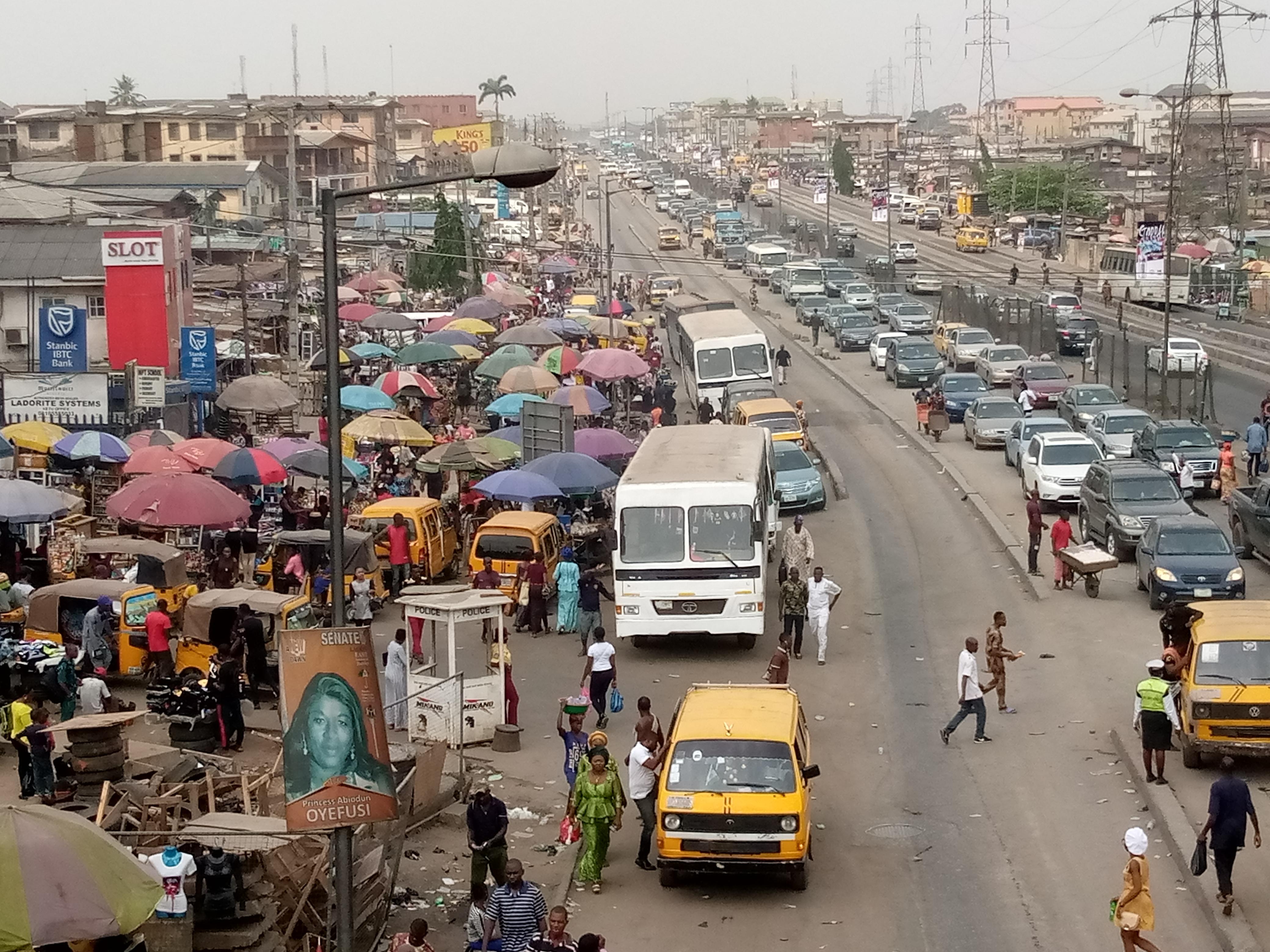
The campaign also emphasized the responsibility of private motorists. Lagos roads regularly experience intense congestion, particularly along major routes linking residential areas with commercial districts and transport hubs, and impatience in slow-moving traffic can lead to aggressive driving, illegal maneuvering and disregard for traffic regulations.
Road safety officials said many crashes are avoidable if motorists deliberately reduce speed, maintain safe distances, comply with traffic lights, avoid driving against traffic and refrain from dangerous overtaking. Drivers were also encouraged to ensure their vehicles are roadworthy before beginning journeys, particularly when traveling longer distances during the year-end period.
The Lagos Sector Command of the Federal Road Safety Corps participated in the campaign, reinforcing the call for strict observance of traffic rules. Head of Operations Fekoya Emma, who represented the sector commander, said many road risks can be significantly reduced when motorists consciously avoid behavior that puts themselves, passengers, pedestrians and other drivers in danger.
Emma said Ikorodu Garage was selected because transport hubs provide direct access to commercial drivers and commuters, allowing officials to communicate road safety messages to the people most frequently using the transport system. She confirmed that similar sensitization activities were planned for Oshodi and Lagos Island as authorities seek to broaden the campaign across the state.
The initiative comes amid wider concern over the condition and operation of some commercial vehicles in Lagos. Recent road safety reporting has highlighted problems involving poorly maintained buses, defective lights, damaged bodywork, missing mirrors and vehicles operating with open doors while carrying passengers. The Federal Road Safety Corps has warned that these defects can increase the severity of crashes and expose commuters to serious injury.
Passengers have also been encouraged to take greater responsibility for their own safety by avoiding obviously unsafe vehicles and reporting dangerous driving or unroadworthy buses to the relevant authorities. Officials say road safety cannot depend only on enforcement agencies because passengers, pedestrians, transport unions and vehicle owners all influence the level of risk on the roads.
Lagos has already intensified traffic and public-safety enforcement in recent months. The Lagos State Taskforce has warned that motorists who violate traffic regulations could face arrest and prosecution after ongoing public sensitization campaigns, while LASTMA and other agencies have continued operations targeting illegal parking, dangerous driving and obstruction of public roads.
The state government has also considered additional measures aimed at reducing road crashes during the ember months, including proposals addressing alcohol consumption around motor parks and stronger monitoring of commercial transport operations. Officials argue that road safety requires both education and enforcement because repeated public warnings have not eliminated behavior that endangers road users.
Commercial drivers are expected to play a particularly important role because buses remain a major part of daily transportation across Lagos. Tens of thousands of commuters rely on minibuses, larger commercial buses and other informal public-transport services to travel between residential communities, markets, workplaces and major business districts.
The combination of heavy passenger demand and intense competition between operators can create pressure to drive aggressively, load passengers in unsafe locations or rush through congested routes. Road safety authorities say that culture must change if Lagos is to reduce preventable deaths and injuries.
The Lagos State Safety Commission’s decision to physically engage motorists at transport interchanges reflects a broader approach that combines public education with direct interaction. Officials believe drivers are more likely to understand the consequences of unsafe behavior when messages are delivered in the places where they actually work and encounter daily traffic pressures.
The campaign also focuses on pedestrians and commuters because they are frequently among the victims of dangerous driving. Busy garages and markets often place large numbers of people close to moving vehicles, increasing the risk of injury where drivers speed, reverse carelessly or ignore designated loading and parking areas.
Authorities therefore want transport operators to maintain greater discipline in and around terminals. Safe loading practices, proper parking, reduced speed and compliance with officials directing traffic are being promoted as basic measures capable of preventing serious incidents.
The road walk through Ikorodu also reflects the importance of public awareness in a city where traffic enforcement alone cannot monitor every road or driver. Lagos has one of the largest urban populations in Africa, with millions of daily journeys taking place across a road network that is often heavily congested.
Safety officials argue that personal responsibility must therefore remain central to crash prevention. Drivers who obey traffic regulations even when enforcement personnel are absent can reduce risk more effectively than a system based entirely on punishment after violations have already occurred.
The campaign’s expansion to Oshodi and Lagos Island will bring the message to two other major transport environments where large numbers of commercial drivers, buses, commuters and pedestrians interact every day. Oshodi remains one of Lagos’ most important transport hubs, while Lagos Island attracts significant daily traffic because of its commercial and administrative activity.
Officials are expected to continue emphasizing patience, vehicle maintenance, safe speeds and respect for traffic rules as the sensitization effort moves through those areas.
The Federal Road Safety Corps has historically used ember-month campaigns to warn drivers that increased travel should not become an excuse for speeding or dangerous behavior. Authorities repeatedly stress that the perception that road crashes inevitably increase during the last four months of the year can become self-fulfilling if drivers treat the period as a race to complete more journeys.
The Lagos State Safety Commission has instead framed the period as one requiring greater caution. Officials said higher traffic volume makes responsible driving more important, not less, and that preventing crashes depends largely on how individuals respond to congestion, fatigue, pressure and frustration.
Vehicle condition is another major concern. Commercial operators have been urged to conduct routine checks on brakes, tyres, lights and other critical components before putting vehicles on the road. Mechanical failure combined with reckless driving can dramatically increase the likelihood and severity of a collision.
Motorists traveling long distances during the festive period are also being encouraged to rest properly and avoid driving while fatigued. Tired drivers may have slower reaction times and reduced concentration, particularly during night journeys or long periods behind the wheel.
The commission’s warning comes as authorities attempt to reduce the social and economic impact of road crashes. Fatal collisions can leave families without breadwinners, create long-term medical costs and place additional pressure on emergency services and hospitals, while damaged vehicles and blocked roads can worsen already serious traffic congestion.
For the Lagos government, the message from Road Safety Week is therefore broader than enforcement. Authorities are attempting to build what they describe as a sustained safety culture in which road users treat caution as part of everyday behavior rather than something imposed by government agencies.
The success of the campaign will ultimately depend on whether motorists change their behavior after the awareness activities end. Officials can continue road walks, enforcement operations and public messages, but the most important decisions are made behind the steering wheel when drivers choose whether to speed, overtake dangerously, obey signals or wait patiently in traffic.
As year-end travel increases, the Lagos State Safety Commission says the responsibility extends to everyone using the roads. Commercial drivers must prioritize passengers over speed and profit, private motorists must comply with traffic rules, pedestrians must remain alert and transport operators must ensure vehicles are safe before allowing them into service.
The campaign will now move beyond Ikorodu to Oshodi and Lagos Island as authorities seek to reach more drivers and commuters before the busiest part of the year. The commission’s central message remains that road crashes should not be accepted as an inevitable feature of the ember months and that many of the risks can be reduced through patience, restraint, proper vehicle maintenance and consistent compliance with road safety rules.