MAURICIO POCHETTINO AGREES DEAL TO BECOME MANCHESTER UNITED HEAD COACH
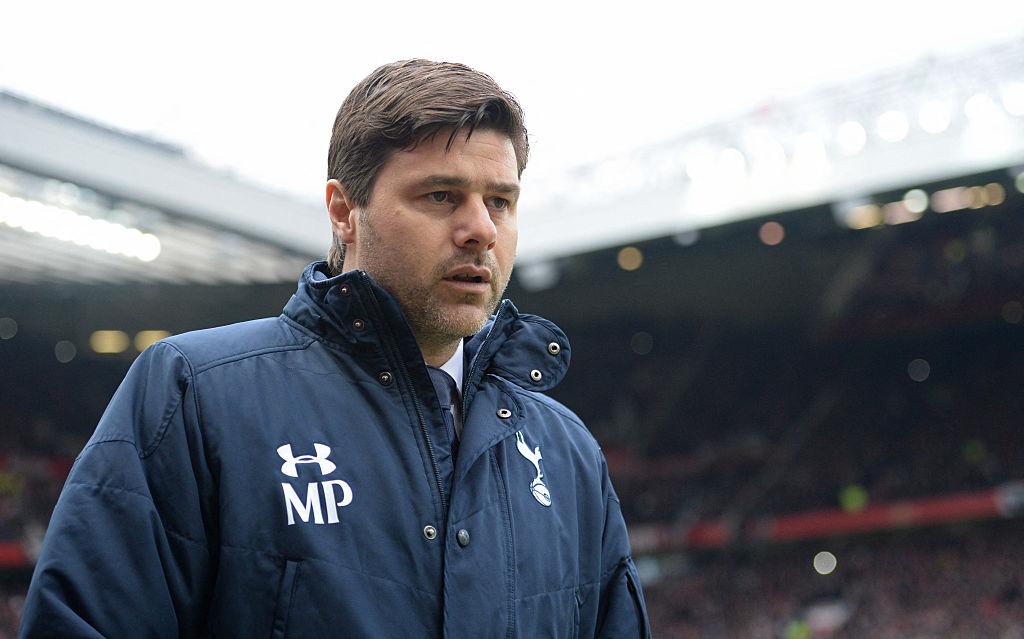
Mauricio Pochettino has agreed a two-and-a-half-year deal to become Manchester United’s next men’s head coach, replacing Michael Carrick after United dismissed the former midfielder with the club sitting 18th in the Premier League. Pochettino is expected to complete the United States’ upcoming Nations League fixtures before beginning work at Old Trafford, with his first United match scheduled away to Liverpool on November 22. The remaining arrangements with U.S. Soccer concern contractual and regulatory formalities, with Pochettino’s U.S. deal reportedly containing a £7 million release clause.
Mauricio Pochettino has agreed a deal to become Manchester United’s new men’s head coach, with the former Tottenham Hotspur and Chelsea manager set to return to the Premier League after reaching an agreement with the Old Trafford hierarchy. The Argentine is expected to sign a two-and-a-half-year contract that will run until the summer of 2029, replacing Michael Carrick after United moved to dismiss the former midfielder following the club’s worst start to a Premier League season. The appointment marks another major managerial reset at Old Trafford as the club attempts to arrest a dramatic decline that has left one of English football’s biggest institutions battling near the bottom of the table.
Manchester United confirmed Carrick’s departure after concluding that a change was necessary to meet the club’s ambitions, bringing an abrupt end to a spell that had begun with considerable optimism. Carrick had initially returned to the club in January and oversaw an impressive turnaround during the second half of the 2025/26 season, guiding United to third place in the Premier League and securing Champions League qualification. That strong finish earned him a longer contract, but the current campaign deteriorated rapidly, leaving United with only one league victory from their opening 10 matches and sitting 18th in the table.
The poor run included a sequence of damaging results that eventually convinced the club’s football leadership that Carrick’s position had become untenable. United endured a nine-match winless league run that included defeats to Bournemouth and Chelsea, while a dramatic 4-4 draw with Aston Villa failed to provide the kind of momentum the club desperately needed. Although there were occasional signs of quality, including a Champions League comeback victory over Roma, the overall league form was judged insufficient for a club still trying to rebuild after years of instability.
The decision to move for Pochettino was made after senior United executives held discussions about the club’s direction, with minority owner Sir Jim Ratcliffe, chief executive Omar Berrada and director of football Jason Wilcox all involved in the process. Club officials had already considered Pochettino on previous occasions and had spoken to him after he left Chelsea in 2024, but the timing did not produce an appointment at that stage. This time, however, the collapse in league form under Carrick accelerated talks and led to a full agreement in principle.
Pochettino’s move represents a return to English football for a coach who has extensive Premier League experience and a strong reputation for developing young players. He first established himself in England at Southampton before moving to Tottenham Hotspur, where he transformed the club into regular Champions League contenders and led them to the 2019 Champions League final. His Tottenham side became known for aggressive pressing, high intensity, physical conditioning and an emphasis on building teams around young players capable of improving over time.
That period at Tottenham remains the foundation of Pochettino’s reputation in England. He inherited a squad that required significant restructuring and gradually created a team built around players such as Harry Kane, Dele Alli, Christian Eriksen, Son Heung-min and several others who developed considerably under his management. Spurs became one of the most competitive teams in the Premier League during his tenure, regularly finishing near the top of the table despite operating with financial resources below those of some direct rivals.
The Champions League final defeat to Liverpool in 2019 represented the high point of that Tottenham project, although Pochettino left the club later that year after results declined. He subsequently took charge of Paris Saint-Germain, where he won domestic trophies but struggled to impose the same identity on a squad filled with established global stars. His time in France strengthened his experience managing elite players and high expectations, but it also exposed some of the challenges involved in working within a club where sporting decisions are influenced by powerful executives and high profile personalities.
Pochettino returned to England with Chelsea in 2023 and inherited another young and unsettled squad undergoing major structural change. His season at Stamford Bridge was inconsistent, but Chelsea improved significantly during the closing months of the campaign and qualified for European competition before the club and manager mutually agreed to part ways. That experience demonstrated both his ability to work with developing players and the difficulties of creating stability inside a club undergoing repeated ownership and recruitment changes.
His subsequent move into international football with the United States presented a different challenge. Pochettino was appointed U.S. men’s national team head coach in September 2024 with the task of preparing the side for the 2026 World Cup on home soil. The United States eventually produced one of its strongest modern World Cup campaigns under his leadership, winning its group and recording a knockout victory before its tournament ended later in the competition.
That performance persuaded U.S. Soccer to extend Pochettino’s contract through 2030, making Manchester United’s approach especially complicated. His agreement reportedly includes a £7 million release clause, which United are expected to activate or otherwise settle as part of the transition. The remaining discussions between the two organisations are understood to involve paperwork, contractual release terms and regulatory requirements rather than disagreement over whether Pochettino will move.
Pochettino is expected to remain in charge of the United States for the immediate international window before formally beginning work in Manchester. He is scheduled to oversee the national team’s upcoming Nations League fixtures against Haiti, after which he is expected to travel to England and take control of United’s first team. That timetable would place him in charge for a hugely demanding opening fixture away to Liverpool at Anfield on November 22.
That first match will immediately underline the scale of the task. Manchester United are entering one of the most difficult periods in their recent history, and Pochettino will inherit a squad dealing with poor confidence, inconsistent performances and significant pressure from supporters. The club’s position in the relegation zone makes immediate improvement necessary, even though senior executives will also expect him to build a longer term structure capable of competing for major honours.
The contract running until 2029 suggests United are attempting to provide Pochettino with enough time to reshape the squad while avoiding another short term managerial experiment. Since Sir Alex Ferguson retired in 2013, the club has repeatedly changed coaches without establishing a sustainable football identity, creating an environment in which individual managers have struggled to build continuity. Pochettino is set to become the eighth permanent appointment of the post-Ferguson era, illustrating the scale of United’s long running instability.
His predecessors have arrived with very different philosophies and reputations, but none has restored the sustained success United enjoyed under Ferguson. David Moyes, Louis van Gaal, Jose Mourinho, Ole Gunnar Solskjaer, Erik ten Hag, Ruben Amorim and Carrick each experienced periods of progress but were unable to establish the club as consistent Premier League title contenders. The repeated changes have affected recruitment, squad balance and tactical consistency, leaving successive managers with players assembled for different systems.
Pochettino’s most immediate challenge will therefore involve determining which members of the current squad can adapt to his preferred style. His teams traditionally rely on intense pressing, aggressive defensive positioning, quick transitions and midfielders capable of covering large areas. Players must be physically prepared to press collectively and recover possession high up the pitch, meaning the Argentine will need to assess fitness levels and tactical discipline almost immediately.
The midfield could become one of his first major areas of attention. Manchester United have struggled for control in several matches this season, particularly when opponents have been able to play through the first line of pressure. Pochettino’s best Tottenham teams were built around midfielders capable of combining physical intensity with technical quality, and he may seek a similar structure at Old Trafford.
The future of Bruno Fernandes will also be a major early issue. United’s captain has reportedly rejected a second contract offer, and his existing agreement is approaching its final stages, although the club retains an option to extend it. Fernandes remains one of United’s most influential attacking players and was named PFA Player of the Year after an outstanding previous campaign, but his contractual uncertainty introduces another important decision for the incoming coach.
Pochettino has admired Fernandes for years and nearly signed him while managing Tottenham in 2019, making their relationship one of the most interesting aspects of the new appointment. The Portuguese midfielder’s creativity and work rate appear compatible with Pochettino’s style, but the club will need to resolve his future quickly if he is expected to remain central to the rebuilding project.
The attacking structure will also require work. United have struggled for consistent goals and have often relied on individual moments rather than sustained attacking patterns. Pochettino’s most successful sides used coordinated movement between forwards, attacking midfielders and advancing full backs, meaning he will likely seek greater positional discipline and combination play in the final third.
Defensively, the challenge is equally significant. United have conceded too many goals during the opening months of the season and have frequently appeared vulnerable in transition. Pochettino typically asks his defensive line to operate aggressively and compress space behind the midfield, but such an approach requires pace, communication and collective pressing from the players ahead of them.
Recruitment could therefore become a central part of his long term success. Gary Neville and other former United players have already argued that Pochettino must receive greater control and support over transfers if he is expected to succeed where previous managers failed. United’s recruitment record has repeatedly been criticised for expensive signings that failed to fit a coherent tactical plan, and the new football structure under Ratcliffe has been designed partly to address that problem.
The relationship between Pochettino, Berrada and Wilcox will therefore be crucial. Modern football clubs increasingly operate through sporting directors and recruitment departments rather than allowing managers complete control of transfers, meaning success depends on shared agreement about squad profiles. Pochettino has historically preferred collaborative structures but has also spoken openly about the importance of managers having sufficient influence over the composition of their teams.
His ability to develop young players may fit well with United’s traditional identity. The club has a long history of promoting academy graduates and maintains one of the strongest youth systems in English football. Pochettino’s record with young players at Southampton and Tottenham could therefore provide opportunities for academy prospects capable of meeting his physical and tactical demands.
Supporters are likely to welcome that element of the appointment, although patience may be limited because of the club’s current league position. A relegation battle was not expected when the season began, and United’s immediate priority must be moving away from the bottom three. The longer term rebuilding project cannot become an excuse for continued poor results in the short term.
The Anfield fixture will provide an immediate examination of how quickly Pochettino can influence the team. Liverpool away is traditionally one of United’s most difficult matches, and the rivalry adds emotional intensity to an already challenging debut. Pochettino may have only a few training sessions with the full squad because many players will be returning from international duty shortly before the game.
That limited preparation time means significant tactical changes may need to be introduced gradually. The Argentine is unlikely to transform every aspect of the team before his first match, and the early weeks could focus on basic structural improvements such as pressing triggers, defensive organisation and improved physical intensity.
The schedule following the international break will therefore be important. United remain involved in domestic competition and the Champions League, meaning Pochettino will have limited time on the training ground once matches resume. Balancing immediate results with tactical development will be one of his first major tests.
Champions League football offers both opportunity and pressure. United’s strong European result against Roma under Carrick showed that the squad remains capable of producing high level performances despite its domestic struggles. Pochettino will need to convert those isolated moments into consistency across competitions.
His own experience in the Champions League should help. Leading Tottenham to the 2019 final required navigating several difficult knockout ties, while his time with Paris Saint-Germain exposed him to the expectations surrounding teams expected to challenge for the trophy. United’s current squad is not considered among the strongest in Europe, but the club will still expect to remain competitive.
The move also represents a significant change for the United States national team. Pochettino had signed a new contract through 2030 after the World Cup and was expected to oversee the next cycle, but Manchester United’s approach has altered those plans. U.S. Soccer will now need to identify a replacement at a relatively early stage of the next international cycle.
His departure could create disappointment among American supporters because the national team made significant progress under him. The 2026 World Cup campaign raised expectations, and U.S. Soccer had hoped that continuity would help build on that foundation. However, the attraction of managing Manchester United appears to have been strong enough for Pochettino to return to club football.
For the Argentine himself, the move represents one of the biggest opportunities of his career. Manchester United remain one of the world’s most famous football clubs despite more than a decade of inconsistent results, and restoring them to sustained success would significantly strengthen his reputation. At the same time, the job has proven exceptionally difficult for a succession of highly regarded coaches.
The pressure at Old Trafford is unlike that at most clubs because every defeat produces intense national and international scrutiny. Managers are judged not only on results but also on style, recruitment, academy development and their ability to handle a squad filled with high profile players. Pochettino’s calm public style and Premier League experience may help him manage that environment, but the expectations remain enormous.
The appointment is also an important decision for Ratcliffe’s football project. INEOS has gradually increased its influence over football operations and has attempted to create a more structured sporting organisation behind the manager. Pochettino will therefore become the most important coaching appointment yet under the new leadership model.
If the partnership succeeds, United can argue that the club has finally aligned recruitment, coaching and executive decision making. If it fails, questions will intensify about whether the problems at Old Trafford go beyond the identity of the head coach.
Carrick’s departure has already generated criticism because of how quickly his fortunes changed. He was rewarded with a longer contract after delivering third place and Champions League qualification, only to be dismissed less than six months later following a disastrous start to the new season. Former captain Gary Neville has criticised the way the club handled the situation, arguing that Carrick deserved greater support and that United’s management of coaches remains problematic.
That criticism places additional pressure on Pochettino because he arrives amid debate over whether the club’s internal structure genuinely supports managers. His success will depend partly on decisions made above him, including recruitment, contract negotiations and long term squad planning. Even an experienced coach will struggle if the wider organisation remains unstable.
The board will also expect improved standards inside the dressing room. Pochettino has historically emphasised fitness, discipline and collective responsibility, and his training sessions are known for demanding physical preparation. Players who cannot consistently meet those requirements may find their roles reduced.
That approach could create rapid changes in the starting lineup. Pochettino has generally shown little hesitation in selecting younger or less established players when he believes they fit his system better than high profile alternatives. Such decisions could become important if United’s current squad requires a cultural reset as well as tactical improvement.
His communication with supporters will also matter. United fans have become frustrated by repeated promises of rebuilding followed by short periods of improvement and another managerial change. Pochettino will need to convince them that the latest project has a clear direction without making unrealistic promises about immediate success.
The first objective is much simpler than winning trophies. United need to collect enough points quickly to move away from the relegation zone and stabilise the season. Once that happens, the focus can shift toward European qualification and building a foundation for 2027/28.
The January transfer window could become important if Pochettino identifies obvious weaknesses that cannot be solved with the existing squad. United’s spending will still be constrained by financial regulations and the need to avoid repeating expensive recruitment mistakes, meaning any moves will need to be carefully targeted.
The summer of 2027 may provide the first real opportunity for a broader rebuild. By then, Pochettino will have spent several months evaluating the squad and should have a clear understanding of which players fit his long term plans. The recruitment department can then target profiles suited specifically to his tactical requirements.
That timeline makes the two-and-a-half-year contract significant. It gives him more than two full seasons beyond the current campaign while also creating pressure to demonstrate progress relatively quickly. United appear unwilling to commit to another extremely long managerial contract without evidence that the project is working.
Pochettino’s experience with Tottenham suggests he is comfortable working through gradual development rather than depending entirely on immediate superstar signings. His strongest Spurs teams were built over several transfer windows, with young players improving within a clear tactical system. Manchester United may hope he can reproduce a similar development model with greater financial resources.
The challenge is that expectations at United are substantially higher. Tottenham could celebrate qualification for the Champions League and reaching a final as major achievements, while Manchester United ultimately judge managers by league titles and European trophies. Pochettino will therefore need to turn development into silverware if he remains in the job long enough.
He has won trophies during his career, particularly with Paris Saint-Germain, but critics have often pointed to his lack of major success in England. Taking over United gives him another opportunity to address that part of his managerial record.
There is also a symbolic element to the appointment because United have been linked with Pochettino repeatedly over the past decade. He was considered after several previous managerial changes, particularly during and after his time at Tottenham and again following his Chelsea departure. The two sides are now finally coming together after years of speculation.
That familiarity may make the transition easier because club executives already understand his philosophy and he is familiar with the expectations surrounding United. He has managed numerous matches at Old Trafford and has previously spoken positively about the club’s history and stature.
However, familiarity does not guarantee success. The structural problems that affected previous managers remain relevant, and the current league position means Pochettino begins under immediate pressure rather than entering during a stable period.
His arrival therefore represents both an opportunity and another major test of Manchester United’s latest rebuilding strategy. The club has once again turned to an experienced coach with a strong Premier League reputation, but this time the supporting football structure is supposed to be more coherent than during earlier managerial appointments.
The coming months will show whether that difference matters. Pochettino must improve performances, stabilise results, resolve key squad issues and establish a recognisable playing identity while navigating one of the most demanding jobs in world football.
For now, the most important development is that the agreement has been reached. Manchester United and Mauricio Pochettino have settled terms on a contract expected to run until the summer of 2029, while the remaining formalities with U.S. Soccer are being completed. Once his international commitments are finished, he is expected to take control at Old Trafford and begin preparing for the daunting trip to Liverpool.
The appointment brings to an end years of speculation linking Pochettino with Manchester United and opens another chapter in the club’s long search for lasting stability after Sir Alex Ferguson. Whether he becomes the manager who finally restores United to sustained success will depend on far more than reputation alone, but the club has now placed its next major rebuilding project in the hands of one of the Premier League’s most experienced modern coaches.