“MEN ARE NOT MARRYING THE BBL GIRLS” — BBNAIJA STAR URIEL OPUTA REVEALS WHY SHE WILL NOT UNDERGO COSMETIC SURGERY
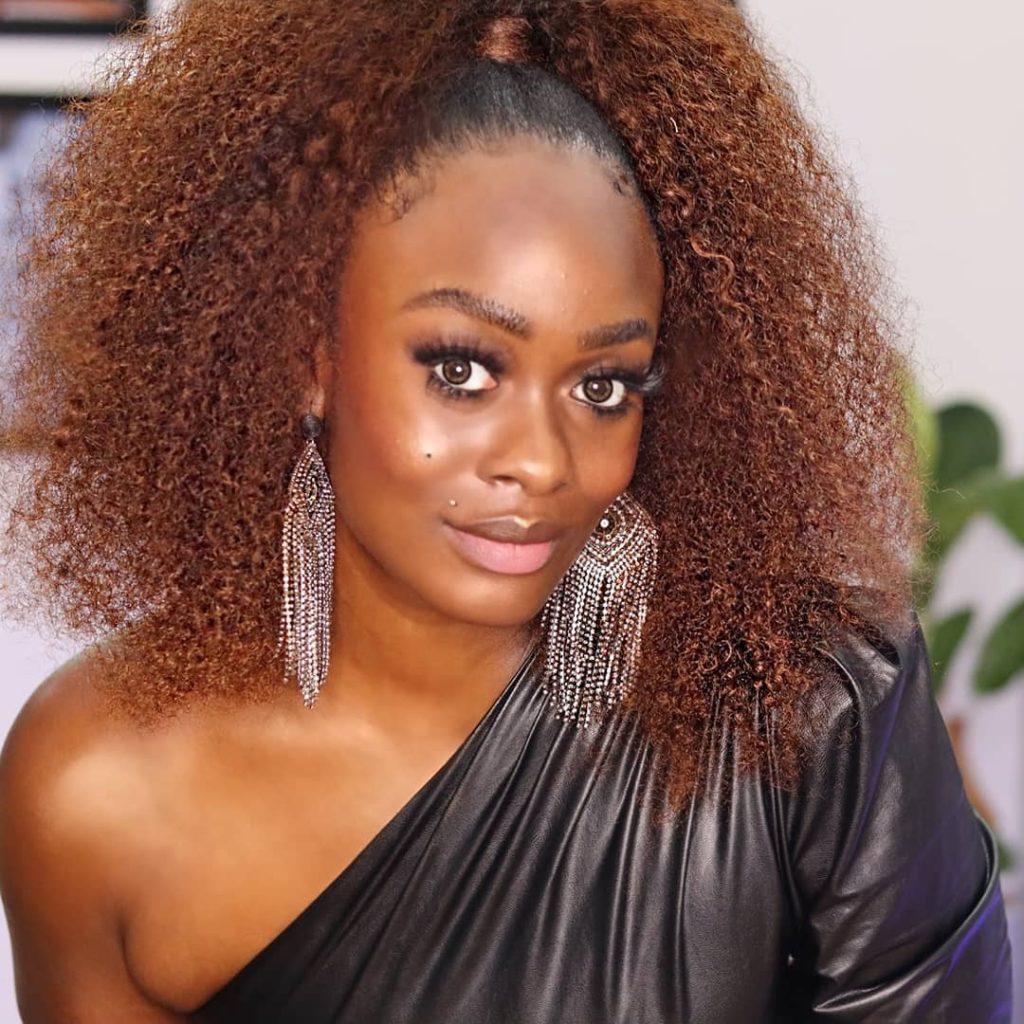
Nigerian reality television star and former BBNaija housemate Uriel Oputa has revealed that she will not undergo Brazilian Butt Lift surgery because she believes many men prefer women with natural bodies when choosing marriage partners. Speaking during an episode of the BTS Reality podcast, Uriel explained that her observations of brides featured on wedding blogs had influenced her decision, although she acknowledged that some women with surgically enhanced bodies also get married. The reality television personality added that her desire to settle down had become an important consideration in maintaining her natural appearance. Her remarks contribute to broader discussions surrounding cosmetic surgery, beauty standards and relationship preferences, although her claims represent personal observations rather than established statistical findings.
Nigerian reality television personality and former Big Brother Naija housemate Uriel Oputa has revealed that her desire to get married is among the reasons she has decided against undergoing Brazilian Butt Lift surgery, popularly known as BBL. Speaking during an episode of the BTS Reality podcast, the reality television star expressed her belief that many men prefer women with natural bodies when choosing marriage partners, despite the growing popularity of cosmetic body enhancement. Her remarks have introduced another dimension to discussions surrounding beauty standards, physical attraction, cosmetic surgery and the expectations associated with marriage in contemporary Nigerian society.
Uriel explained that her decision was influenced partly by her observations of couples featured on wedding blogs and social media platforms. According to the reality television personality, although some women who have undergone cosmetic procedures are getting married, many of the brides she encounters online appear to have natural body shapes. She maintained that those observations had reinforced her personal decision not to undergo surgical body enhancement, particularly as she considers settling down and establishing a family.
“The reason I don’t want to do BBL is because most men are not marrying girls with BBLs,” Uriel said during the podcast. She acknowledged that exceptions exist and that some men marry women who have undergone the procedure, but maintained that her perception of prevailing relationship preferences had influenced her decision. Her comments reflected her personal assessment of marriage and physical attraction rather than findings from a documented study of men's marital preferences.
The former BBNaija housemate further explained that her stage in life had become an important consideration in determining whether she would pursue cosmetic enhancement. Although she described herself as still young, Uriel maintained that undergoing a BBL was no longer an option she considered compatible with her personal ambitions. She suggested that maintaining her natural appearance was more consistent with her current priorities, particularly her desire to establish a committed relationship.
“Some are marrying ladies with BBLs but most of the girls I see on wedding blogs look natural. And that is why I don’t want to do BBL. I am not going to do BBL at my old age,” she explained. The reality television star subsequently reinforced her position by stating that marriage had become one of the considerations influencing how she approached decisions concerning her appearance and physical well-being.
Uriel's remarks touch on a wider debate about the growing influence of cosmetic surgery within Nigeria's entertainment industry and popular culture. Over the years, body enhancement procedures have become increasingly visible among celebrities, social media personalities and individuals seeking to achieve particular physical appearances. The prominence of these procedures has generated discussions concerning personal autonomy, societal expectations and the pressures women may experience to conform to changing definitions of physical attractiveness.
The Brazilian Butt Lift is a cosmetic surgical procedure involving the transfer of a patient's own fat to the buttocks to alter their shape and volume. Its popularity has been influenced partly by celebrity culture and the widespread visibility of particular body shapes across entertainment and social media platforms. However, the procedure also carries significant medical risks, including potentially fatal complications, making appropriate medical assessment and qualified surgical care essential considerations for anyone contemplating it.
For many individuals, the decision to undergo cosmetic surgery is based on personal preferences, confidence or dissatisfaction with particular aspects of their appearance. Others may be influenced by beauty trends, professional expectations or perceptions of what potential romantic partners find attractive. Uriel's explanation introduces a different perspective by suggesting that the physical attributes some people consider desirable for dating may not necessarily correspond with the characteristics they prioritize when choosing a marriage partner.
However, the distinction between romantic attraction and marriage preferences cannot be generalized across an entire population without supporting evidence. Individuals choose partners for a wide range of reasons, including emotional compatibility, shared values, religious beliefs, financial expectations, personality and physical attraction. While some may prefer partners who have not undergone cosmetic surgery, others may attach little significance to whether a prospective spouse has had aesthetic procedures.
Uriel's reference to wedding blogs also highlights the limitations of drawing broad conclusions from social media content. Photographs of brides do not necessarily reveal whether those individuals have undergone cosmetic procedures, particularly when such information has not been publicly disclosed. The selection of weddings featured by particular platforms may also reflect editorial preferences, audience interests and commercial considerations rather than the characteristics of couples marrying throughout society. Her observations therefore provide insight into her personal reasoning but do not establish a reliable measure of marriage patterns.
The reality television personality has previously become known for her interest in fitness, healthy eating and maintaining an active lifestyle. Alongside her entertainment career, Uriel has developed a public profile around food, wellness and personal transformation, frequently discussing aspects of her lifestyle with followers. Her latest comments are consistent with her public interest in body management, although her decision concerning cosmetic surgery ultimately reflects her individual preferences and relationship goals.
The broader conversation surrounding BBL surgery has also raised questions about the relationship between social media visibility and self-esteem. Platforms dominated by photographs and short-form videos can expose users to highly curated representations of physical appearance, sometimes creating unrealistic expectations about what constitutes an attractive body. Filters, digital editing, professional photography and cosmetic procedures can all influence those representations, making it difficult for audiences to distinguish between natural appearances and digitally or surgically enhanced images.
Women in the entertainment industry may encounter particular pressures because their physical appearance frequently forms part of their public image. Fashion, advertising and promotional opportunities can contribute to expectations concerning body shape, while online audiences often subject celebrities to extensive scrutiny. These circumstances can create competing pressures, with individuals facing criticism both for undergoing cosmetic procedures and for choosing to maintain their natural appearance.
Uriel's position also illustrates how beauty expectations can become complicated when they intersect with traditional attitudes toward marriage. In societies where marriage remains an important social institution, individuals may consider how their lifestyle choices, personal appearance and public behavior could influence their relationships. However, the preferences expressed by individual men and women vary considerably, and marriage cannot be reduced to a universal set of physical requirements.
Her remarks may resonate with individuals who believe that contemporary beauty trends have created unnecessary pressure to alter natural physical features. Others may disagree with the suggestion that women who undergo cosmetic procedures are less desirable as marriage partners, arguing that such assumptions reinforce unfair stereotypes about their character and relationship prospects. The distinction between personal preference and judgments about other people's choices remains important, particularly when public figures discuss sensitive matters involving appearance and social acceptance.
There is no reliable evidence presented in the podcast excerpts establishing that women who have undergone BBL surgery are generally less likely to marry than women who have not. Cosmetic procedures do not independently determine an individual's character, capacity for commitment or suitability for marriage. Uriel's comments should consequently be understood as an explanation of her own decision rather than a factual assessment of the relationship prospects of all women who have undergone body enhancement.
The BBNaija star ultimately emphasized that her decision was connected to her personal ambitions rather than a desire to follow the growing popularity of cosmetic procedures. By choosing not to undergo a BBL, she has expressed a preference for maintaining her natural appearance while pursuing the possibility of a long-term relationship. Her remarks demonstrate how individual decisions concerning physical appearance can be influenced by a combination of personal values, cultural expectations and perceptions of romantic compatibility.
As cosmetic surgery continues to occupy a prominent place in contemporary entertainment culture, Uriel's comments add to the ongoing discussion about whether changing beauty standards reflect individual aspirations or external expectations. For the reality television personality, marriage and personal satisfaction have become important considerations in determining the choices she makes concerning her body. While her observations about men's preferences remain subjective, her decision highlights the increasingly complex relationship between physical appearance, personal identity and the pursuit of lasting relationships in an era dominated by social media and celebrity influence.