MEXICO TO PROSECUTE ALLEGED CARTEL KINGPIN “EL CHAPO ISIDRO” DESPITE U.S. EXTRADITION REQUEST
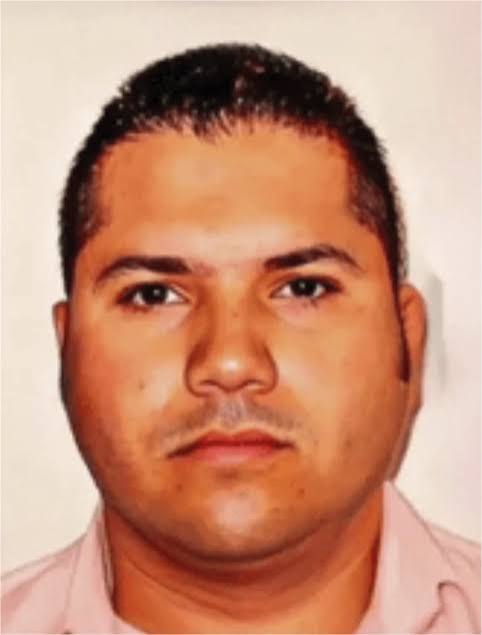
Mexico has announced plans to prosecute alleged cartel leader Fausto Isidro Meza Flores, popularly known as El Chapo Isidro, despite an extradition request from the United States following his capture in Guasave, Sinaloa, on November 20, 2026. Mexican Attorney General Ernestina Godoy confirmed that the former FBI Ten Most Wanted fugitive would face trial within Mexico, while American prosecutors maintain six federal criminal charges against him, including narcoterrorism, international money laundering and operating a continuing criminal enterprise. The 44-year-old suspect is accused of overseeing a major drug trafficking network responsible for distributing fentanyl, heroin, cocaine and other narcotics intended for the United States. He could face capital punishment or mandatory life imprisonment if convicted in America, although no extradition date has been announced.
Mexico has announced plans to prosecute alleged drug cartel leader Fausto Isidro Meza Flores, popularly known as “El Chapo Isidro,” on its own territory despite an extradition request from the United States, setting the stage for a potentially contentious legal and diplomatic confrontation between the neighboring countries. Mexican Attorney General Ernestina Godoy confirmed on Monday, November 23, 2026, that the suspected criminal organization leader would face trial in Mexico following his capture in the northern state of Sinaloa. Meza Flores, who was previously listed among the Federal Bureau of Investigation’s Ten Most Wanted Fugitives, is accused by American prosecutors of overseeing a major criminal enterprise responsible for trafficking dangerous narcotics into the United States. His arrest represents a significant development in international efforts to dismantle organized criminal networks, although Mexico’s decision to pursue domestic prosecution has introduced uncertainty over when, or whether, he will be transferred to American custody.
Speaking to journalists during a press conference, Godoy repeatedly emphasized that Mexican authorities intended to put Meza Flores on trial within the country. Her remarks followed confirmation from Mexican Security Minister Omar García Harfuch that Washington had requested the suspect’s extradition after his capture on Friday, November 20. Although the attorney general made clear that Mexico intended to exercise its own judicial authority, she did not definitively establish that an eventual extradition would be impossible. The distinction is important because the decision to pursue domestic criminal proceedings does not necessarily amount to a permanent rejection of another country's extradition request, particularly where the suspect faces separate allegations involving criminal conduct in multiple jurisdictions.
Meza Flores, 44, was arrested during a Mexican military operation in Guasave, Sinaloa, following an investigation supported by American law enforcement agencies operating through the United States Homeland Security Task Force. The operation also resulted in the apprehension of Germán Rolando Gálvez Meza, another suspected cartel figure known as “El Serafín.” American Attorney General Todd Blanche subsequently commended the Mexican authorities responsible for the arrests and acknowledged the bilateral cooperation that contributed to the operation. However, the success of that cooperation in apprehending the suspects has now been followed by a more complicated question concerning which country's judicial institutions should assume responsibility for prosecuting Meza Flores.
According to the United States Department of Justice, a federal grand jury in the District of Columbia returned a second superseding indictment against Meza Flores on September 25, 2026. The six-count indictment includes allegations of narcoterrorism, international money laundering, providing material support to a designated terrorist organization, operating a continuing criminal enterprise, narcotics trafficking conspiracy and firearms-related offenses. American prosecutors allege that the organization associated with Meza Flores distributed cocaine, methamphetamine, heroin, marijuana and fentanyl intended for the United States. The indictment exposes him to severe potential punishment, including the possibility of capital punishment or mandatory life imprisonment if he is eventually prosecuted and convicted under the applicable American laws.
The American charges reflect an increasingly expansive approach toward prosecuting suspected leaders of Mexican criminal organizations. Rather than treating international drug trafficking exclusively as a narcotics offense, federal authorities have incorporated terrorism-related legislation into cases involving organizations designated as foreign terrorist groups. Such prosecutions can involve additional questions concerning the financial activities, leadership structures and relationships of individuals accused of supporting those organizations. Nevertheless, the application of terrorism-related charges does not remove the prosecution's obligation to establish the elements of each offense through admissible evidence, and Meza Flores remains entitled to the presumption of innocence in relation to the charges against him.
The suspect's nickname has also attracted considerable international attention because of its similarity to that of Joaquín “El Chapo” Guzmán, the former Sinaloa Cartel leader serving a life sentence in the United States. Despite their similar aliases, the two men are different individuals with distinct criminal cases and histories. Meza Flores has previously been associated with the Beltrán Leyva criminal organization and a group commonly known as Los Mazatlecos, while the latest American indictment identifies him as an alleged senior figure within the Sinaloa Cartel. His appearance on the FBI's most wanted list in February 2025 reflected the priority American investigators had assigned to securing his arrest.
The United States government had offered a reward of up to $5 million for information connected to Meza Flores's apprehension or conviction, highlighting the resources authorities were prepared to devote to the investigation. His inclusion on the FBI's most wanted list placed his case among those receiving extensive federal law enforcement attention, particularly because of allegations involving the distribution of fentanyl and other dangerous substances. However, a wanted designation and the announcement of a financial reward are investigative measures rather than judicial findings of guilt. His arrest brings an end to his status as a fugitive, but the substantive allegations must still be examined through criminal proceedings.
The importance of the case to Washington is closely connected to the continuing public health crisis associated with illicit fentanyl and other synthetic opioids. American communities have experienced extensive harm from drug overdoses, placing significant pressure on federal and state authorities to strengthen prevention, treatment and enforcement measures. Fentanyl is especially dangerous when illegally manufactured and distributed without medical supervision because people consuming illicit substances may be unaware of their contents or potency. The prosecution of individuals accused of directing major international trafficking organizations therefore occupies an important position within American efforts to reduce the availability of dangerous illicit drugs.
However, the arrest of a suspected cartel leader does not automatically eliminate the criminal organization associated with him or bring an immediate end to the distribution of narcotics. Transnational criminal enterprises may possess extensive financial resources, multiple leadership figures and established relationships that allow their activities to continue despite significant law enforcement interventions. Addressing the consequences of drug trafficking consequently requires measures extending beyond the apprehension of prominent suspects, including financial investigations, prosecution of criminal associates, international cooperation and initiatives aimed at reducing demand for illicit substances. The long-term effectiveness of the operation against Meza Flores will depend partly on whether authorities can establish accountability across the wider organization allegedly connected to him.
The security situation in Sinaloa following his capture has already demonstrated some of the difficulties associated with dismantling powerful criminal networks. According to reporting by CBS News and Agence France-Presse, Mexican authorities announced the arrest of eight additional suspected gang members following outbreaks of violence after the operation. The developments illustrated the continuing instability confronting communities affected by organized crime, where major law enforcement actions can generate further security concerns even when they achieve their immediate objectives. Protecting residents, restoring public confidence and maintaining ordinary economic activity remain essential responsibilities for Mexican authorities as investigations continue.
For Mexico, the prosecution of Meza Flores also represents an opportunity to demonstrate its ability to address serious organized crime through its own judicial institutions. Mexican citizens have experienced the consequences of cartel-related violence for decades, with communities confronting insecurity, extortion, displacement and other forms of criminal activity. Where offenses have allegedly been committed within Mexican territory, domestic authorities have legitimate interests in investigating and prosecuting those responsible. A decision to prioritize proceedings in Mexico may therefore reflect considerations involving national jurisdiction, victims' rights and the government's responsibility to uphold its own criminal laws.
The United States, meanwhile, has a separate interest in prosecuting individuals accused of organizing activities intended to harm American communities. Federal prosecutors can bring charges relating to international criminal conduct where the relevant statutes establish jurisdiction, including certain conspiracies involving the distribution of narcotics destined for the United States. American authorities have invested considerable investigative resources in the Meza Flores case, making his availability for prosecution an important objective. However, the existence of an American indictment does not independently authorize federal authorities to take custody of a suspect held within Mexico, where extradition must be addressed through applicable legal and diplomatic mechanisms.
The competing jurisdictional interests illustrate the complexity of extradition in cases involving transnational organized crime. Extradition agreements establish procedures through which one country can request that another surrender an individual for prosecution or enforcement of a criminal sentence. Those procedures generally require consideration of the offenses alleged, the supporting documentation, applicable treaty obligations and any legal restrictions that may affect the transfer. Where both countries possess grounds for prosecuting the same individual, authorities may also need to determine the appropriate sequence of proceedings and whether an eventual transfer should take place after domestic charges have been resolved.
The potential application of the death penalty in the United States introduces an additional legal consideration. Mexico abolished capital punishment, and extradition cases involving the possibility of execution can require assurances concerning the punishment that will be sought or imposed in the requesting country. American and Mexican authorities have previously navigated such questions in international criminal cases, but no specific agreement concerning capital punishment in the Meza Flores prosecution has been publicly established in the available reporting. Any eventual extradition would therefore need to address applicable legal requirements rather than relying exclusively on the political preferences of either government.
The dispute also comes amid broader disagreements over how the United States and Mexico should respond to organized criminal groups operating across their shared border. Washington has increasingly emphasized the national security implications of cartel activity, while Mexican authorities have stressed the importance of preserving national sovereignty and maintaining control over law enforcement operations within their territory. Those positions do not necessarily prevent cooperation, as demonstrated by the involvement of both countries in the investigation preceding Meza Flores's arrest. They do, however, create potential disagreements when decisions concerning criminal prosecution involve competing legal obligations and political priorities.
Effective bilateral cooperation extends beyond the immediate transfer of criminal suspects. Both countries may benefit from sharing evidence, coordinating financial investigations and exchanging information relevant to criminal proceedings. Where domestic prosecutions involve evidence collected by foreign authorities, established legal assistance arrangements can facilitate cooperation while preserving the procedural rights of defendants. Such mechanisms could allow American and Mexican prosecutors to continue pursuing their respective investigations even if Meza Flores remains in Mexican custody for an extended period.
The case also underscores the importance of targeting the financial foundations of organized crime. Criminal organizations depend on their ability to accumulate, conceal and use proceeds generated through illegal activities, making financial investigations an essential component of broader enforcement strategies. Prosecutors who successfully establish money laundering and related offenses may pursue the confiscation of assets connected to criminal conduct, subject to applicable legal procedures. Such measures can complement criminal prosecutions by reducing the resources available to organizations accused of financing violence, corruption and further illegal activities.
For communities affected by cartel violence, accountability involves more than the imprisonment of prominent criminal figures. Victims and their families often seek information about unresolved offenses, protection from intimidation and confidence that public institutions can investigate crimes without interference. Domestic proceedings in Mexico could provide opportunities to address locally committed offenses, while American prosecutions may focus more directly on international trafficking and its consequences within the United States. The ability of both countries to coordinate their investigations without compromising judicial independence will be important in determining whether the arrest produces meaningful accountability.
As of November 25, Mexican authorities had publicly established their intention to prosecute Meza Flores, but the precise timetable for his domestic trial and the full details of the charges he will face in Mexico had not been independently confirmed. No extradition date has been announced, and the United States indictment remains pending. The public statements issued by both governments establish their respective interests in securing criminal accountability, but they do not yet provide a definitive resolution concerning the order in which those proceedings will take place.
The arrest of El Chapo Isidro consequently represents both a significant law enforcement development and the beginning of a complicated judicial process involving two neighboring countries confronting the shared consequences of organized crime. Mexico has asserted its intention to prosecute the suspect domestically, while Washington continues seeking accountability for allegations involving the trafficking of dangerous drugs and other serious federal offenses. Whether the two governments can reconcile their competing jurisdictional interests will depend on subsequent legal proceedings, diplomatic cooperation and compliance with applicable extradition requirements. Until those questions are resolved, Meza Flores remains in Mexican custody, facing allegations that could carry exceptionally severe consequences if established through a fair criminal trial.