
MOROCCO MAKES HISTORY AS FATIMA EZZAHRA EL MANSOURI BECOMES FIRST FEMALE PRIME MINISTER
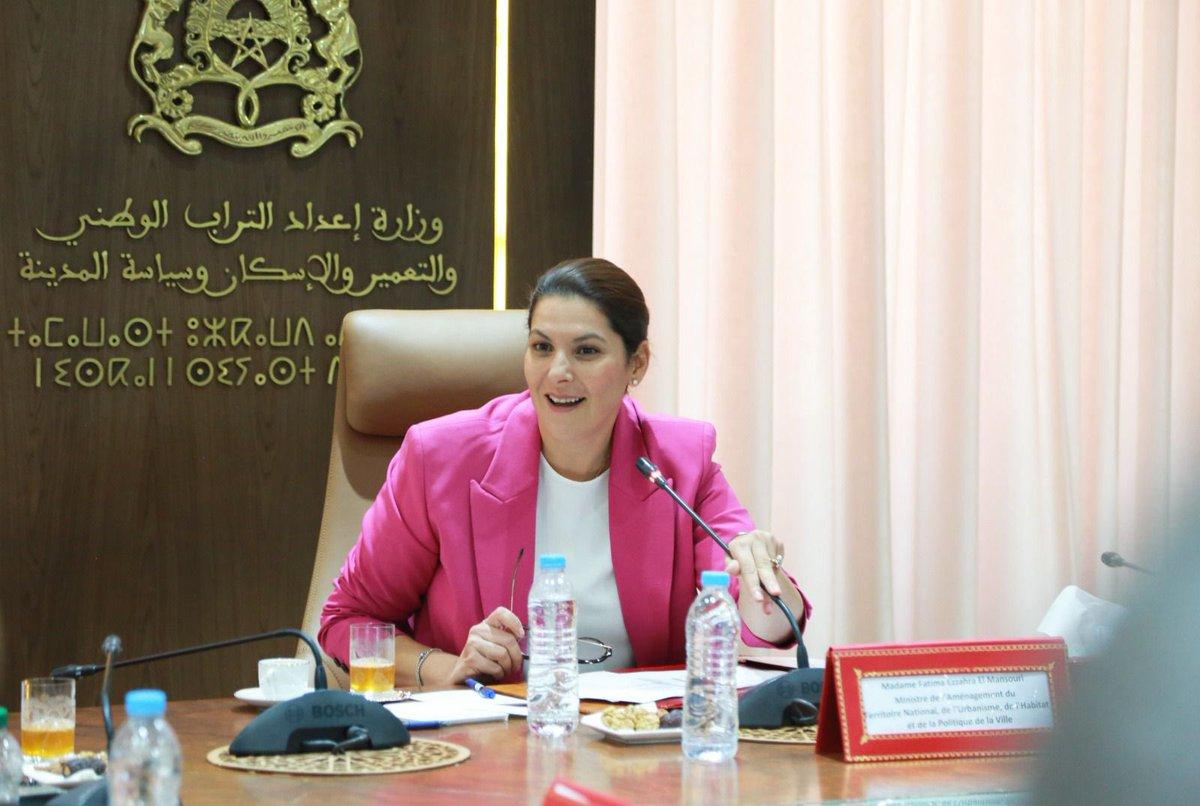
Morocco has made political history after King Mohammed VI appointed Fatima Ezzahra El Mansouri as the country's first female prime minister following parliamentary elections in which her Authenticity and Modernity Party emerged as the largest party. El Mansouri, a 50 year old lawyer, former urban planning minister and mayor of Marrakech, has been tasked with forming a coalition government after her party secured 97 of the 395 seats in the House of Representatives. She also becomes only the second woman to lead a government in the Arab world.
Morocco has entered a new chapter in its political history after King Mohammed VI appointed Fatima Ezzahra El Mansouri as the country's first female prime minister, breaking a barrier that had stood throughout the North African kingdom's modern political history.
The appointment was formally announced by the Royal Palace on Tuesday, September 29, following parliamentary elections held on September 23.
El Mansouri, 50, is a senior figure in the center right Authenticity and Modernity Party, which emerged as the largest political party in the election after securing 97 seats in Morocco's 395 seat House of Representatives.
King Mohammed VI received El Mansouri at the Royal Palace in Rabat before formally appointing her head of government and instructing her to begin forming the country's next administration.
Her appointment was made under Article 47 of Morocco's Constitution, which requires the king to appoint the head of government from the political party that wins the largest number of seats in elections to the House of Representatives.
The appointment immediately makes El Mansouri one of the most prominent female political leaders in Africa and the Arab world.
She is the first woman to head a Moroccan government and only the second woman to serve as prime minister in the Arab world, following Tunisia's Najla Bouden, who served from 2021 to 2023.
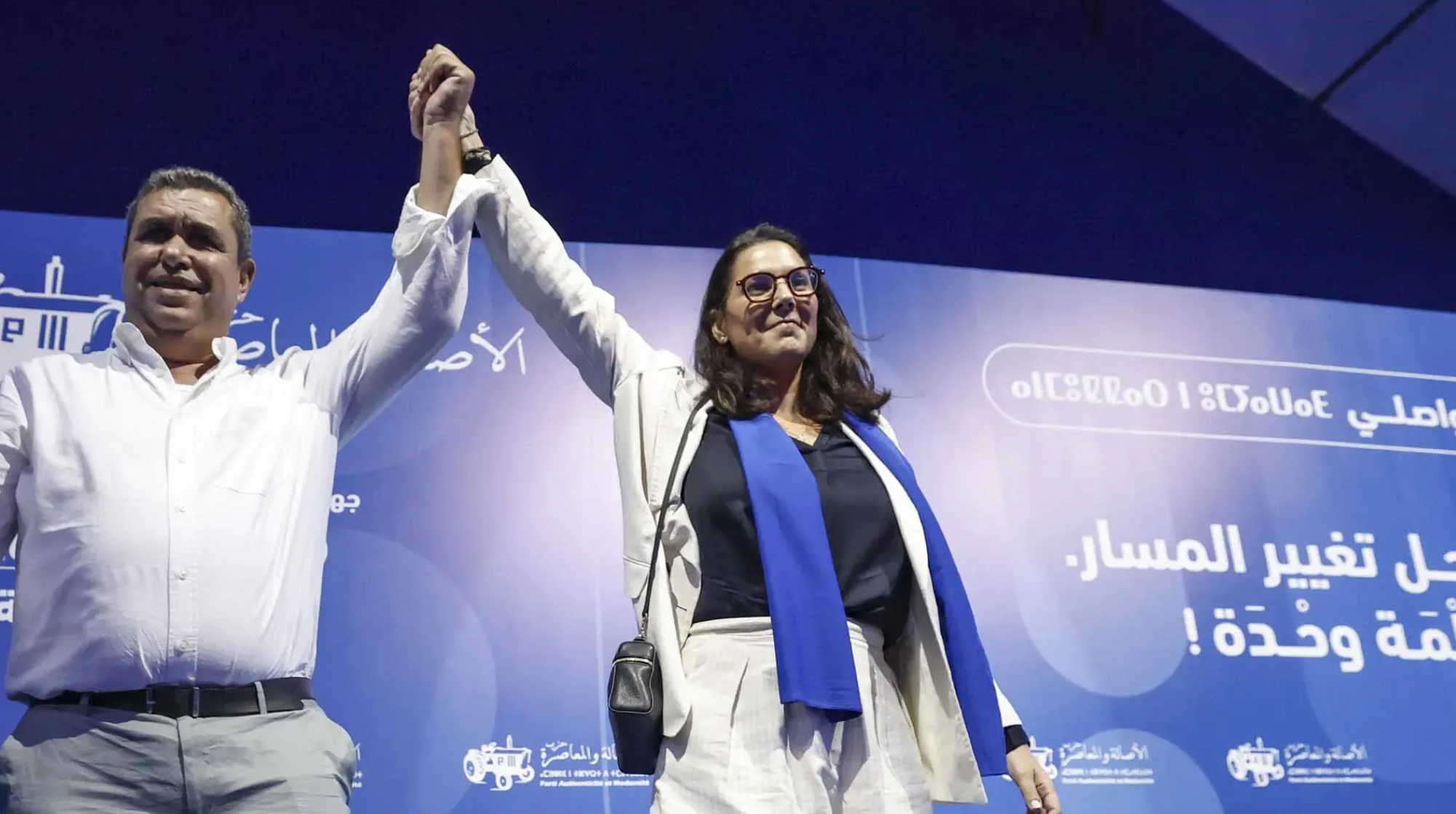
HER PARTY WON THE MOST SEATS BUT NOT AN OUTRIGHT MAJORITY
El Mansouri's appointment follows a significant electoral victory for the Authenticity and Modernity Party, commonly known as PAM.
The party secured 97 seats in the September 23 parliamentary election, finishing comfortably ahead of its closest competitors.
However, the result did not give PAM an outright majority.
A party would need at least 198 seats to control the 395 seat House of Representatives independently.
That means El Mansouri's immediate political challenge is building a coalition capable of commanding a parliamentary majority and forming a functioning government.
The National Rally of Independents finished second with 66 seats, while the Istiqlal Party secured 65 seats.
The Justice and Development Party won 54 seats and is expected to move into opposition.
Together, PAM, the National Rally of Independents and Istiqlal would have enough seats to form a comfortable parliamentary majority if they reach an agreement.
El Mansouri has indicated that she is prepared to hold discussions across the political spectrum as coalition negotiations begin.
The formation of the government will determine which parties control key ministries and how the new administration attempts to deliver its campaign promises.
WHO IS FATIMA EZZAHRA EL MANSOURI?
El Mansouri is not a newcomer to Moroccan politics.
Born in Marrakech in 1976, she trained as a lawyer before building a political career that has included leadership roles in local government, Parliament and the national cabinet.
She became one of the founding members of the Authenticity and Modernity Party after its creation in 2008.
A year later, she was elected mayor of Marrakech, becoming the first woman to lead one of Morocco's major cities.
She later served in Parliament and returned to the Marrakech mayoralty following the 2021 elections.
El Mansouri also served in the outgoing national government as minister responsible for national territorial planning, urban planning, housing and city policy.
Her position inside PAM strengthened further in 2024 when she became coordinator of the party's collective leadership.
That placed her among the most powerful figures inside the party ahead of the 2026 parliamentary elections.
Her legal background includes studies in Morocco, France and the United States, and she has practiced law with a particular focus on real estate.
Her political career has therefore combined municipal administration, national policymaking, law and party leadership.
A HISTORIC MOMENT FOR WOMEN IN MOROCCO
El Mansouri's elevation carries particular significance for women's political representation in Morocco.
Women have served as ministers, members of Parliament and local government leaders, but no woman had previously led the national government.
The appointment therefore breaks one of the country's highest political barriers.
Morocco has introduced several reforms aimed at increasing women's participation in public life over recent decades, including changes affecting parliamentary representation and family law.
Women have gradually increased their presence in government institutions, although significant gender disparities remain across politics, employment and other areas of society.
El Mansouri's appointment places a woman at the center of executive government for the first time.
The significance also extends beyond Morocco.
Across the Arab world, women have rarely occupied the highest positions of government.
Tunisia's Najla Bouden became the first female prime minister in the Arab world when she was appointed in 2021.
El Mansouri now becomes the second.
MOROCCO'S KING RETAINS SIGNIFICANT AUTHORITY
Although El Mansouri will lead the government, Morocco's political system gives King Mohammed VI extensive constitutional authority.
The monarch remains the country's highest political authority and maintains significant influence over strategic areas of national policy.
Under the constitutional changes introduced following protests during the Arab Spring in 2011, the king must appoint the head of government from the political party that wins the most seats in parliamentary elections.
Before those reforms, the monarch had greater discretion over whom to appoint.
The 2026 election placed PAM first, creating the constitutional basis for El Mansouri's appointment.
Her government will now be responsible for managing domestic policy and implementing its legislative program while operating within Morocco's constitutional monarchy.
ECONOMY AND JOBS AMONG THE BIG CHALLENGES
The historic nature of El Mansouri's appointment will quickly give way to the practical challenges of governing.
Morocco continues to face economic pressures including unemployment, inflation, living costs and concerns about opportunities for younger citizens.
Youth dissatisfaction has been particularly visible in recent years.
The country has experienced demonstrations calling for improvements in healthcare, education, employment and public services.
The new government will therefore face pressure to demonstrate that Morocco's major infrastructure investments are accompanied by improvements in everyday living conditions.
PAM campaigned on an economic platform that included stronger growth and job creation.
Turning those promises into measurable results will be one of the first tests of El Mansouri's administration.
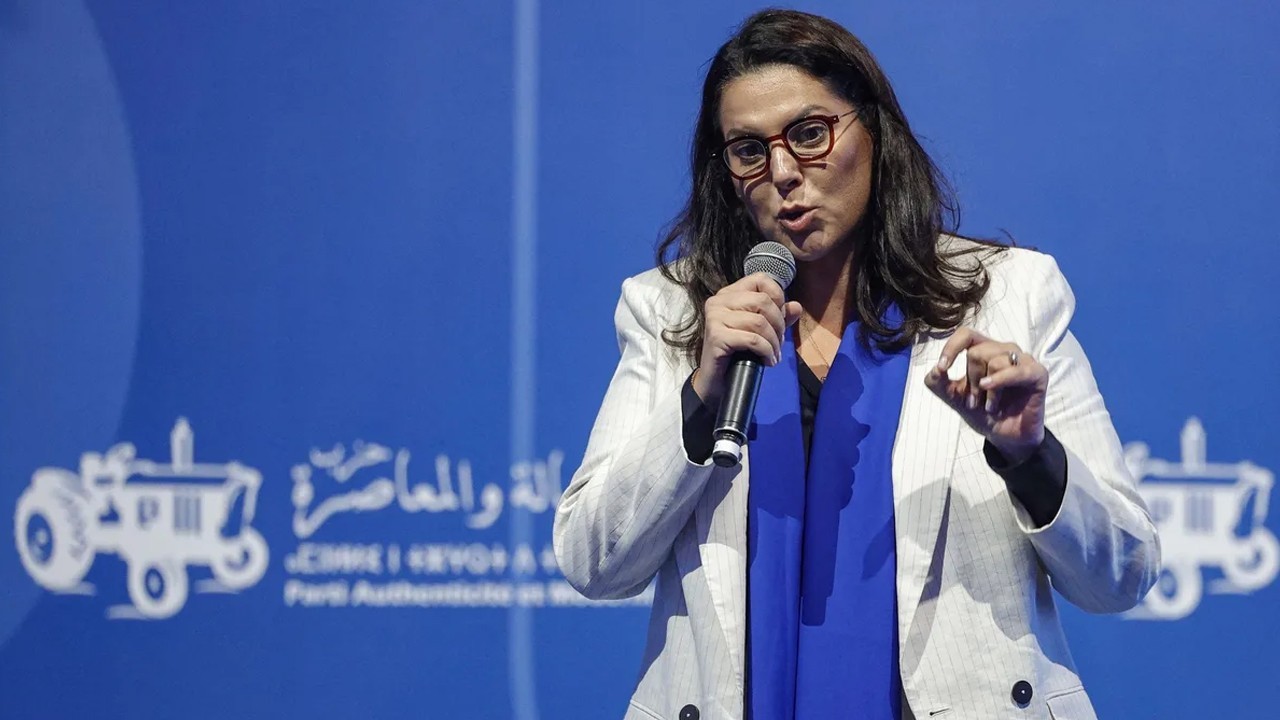
THE 2030 WORLD CUP WILL DEFINE PART OF HER GOVERNMENT
Another enormous responsibility awaiting the incoming government is Morocco's preparation for the 2030 FIFA World Cup.
Morocco will co host the tournament with Spain and Portugal.
Preparations are already driving major investments in stadiums, transportation, airports, tourism facilities and other infrastructure.
Reuters reports that the incoming administration is expected to oversee the final stages of an investment program worth approximately $20 billion connected to Morocco's preparations for the tournament.
The World Cup represents an enormous economic and international opportunity for Morocco.
It also creates pressure.
The government must ensure infrastructure projects are completed on time while responding to public concerns about whether major spending on sports facilities and transportation is being balanced with investment in hospitals, schools, housing and employment.
El Mansouri's experience in urban planning and city administration could become particularly relevant as those projects accelerate.
LOW VOTER TURNOUT SENDS ANOTHER MESSAGE
Despite PAM's electoral victory, the election also highlighted public disengagement with Morocco's political system.
Voter turnout was approximately 38 percent, according to reported election figures.
That means a majority of eligible voters did not participate.
Low turnout presents a political challenge for the incoming administration because it suggests that forming a parliamentary majority alone will not necessarily restore public confidence.
El Mansouri's government will therefore have to govern beyond the coalition arithmetic inside Parliament.
Economic performance, employment opportunities, public services and perceptions of government accountability are likely to influence how Moroccans judge the new administration.
COALITION TALKS NOW TAKE CENTER STAGE
The immediate question is who will govern alongside El Mansouri.
PAM's 97 seats make it the largest party but leave it far short of the 198 seats required for a majority.
Negotiations with other parties will determine the shape of the cabinet and the government's legislative strength.
The National Rally of Independents and Istiqlal are among the most important potential coalition partners because of their parliamentary representation.
Some opposition parties have already indicated that they do not intend to participate in a PAM led administration.
El Mansouri will therefore need to balance competing political interests while constructing a coalition capable of governing for the parliamentary term.
Once the coalition negotiations are completed, the composition of the government will provide a clearer indication of the policy direction Morocco will take.
A SYMBOLIC FIRST WITH A DIFFICULT JOB AHEAD
El Mansouri's appointment is unquestionably a milestone in Morocco's political history.
But the significance of becoming the country's first female prime minister will ultimately exist alongside the same economic and political pressures facing any Moroccan government.
Her administration will inherit public concerns over jobs, wages, inflation, healthcare and education.
It will oversee enormous infrastructure investments connected to the 2030 FIFA World Cup.
It will also have to manage Morocco's foreign relationships, regional security challenges and the country's economic modernization agenda.
And before much of that work can begin, El Mansouri must successfully construct a governing coalition.
The appointment has already changed one aspect of Moroccan history.
For the first time, a woman will lead the government of the North African kingdom.
What comes next will determine whether the historic nature of Fatima Ezzahra El Mansouri's appointment is matched by the political and economic record of the government she now has to build.