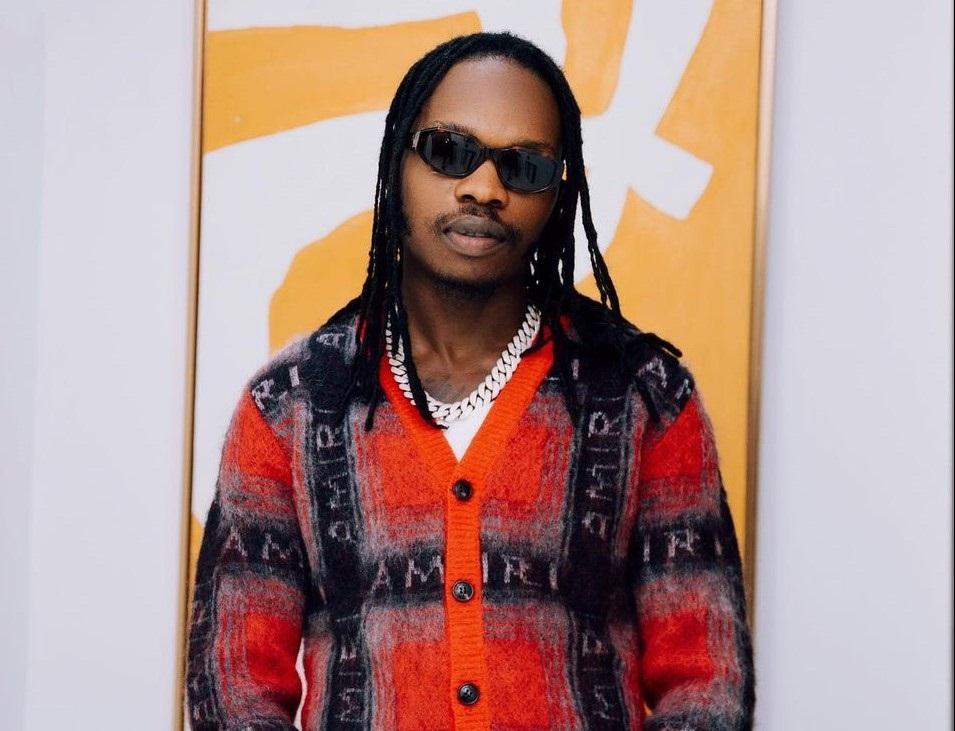
MR MACARONI SAYS HE IS SCARED OF MARRIAGE, ADMITS YEARS OF BEING SINGLE HAVE MADE COMMITMENT DIFFICULT
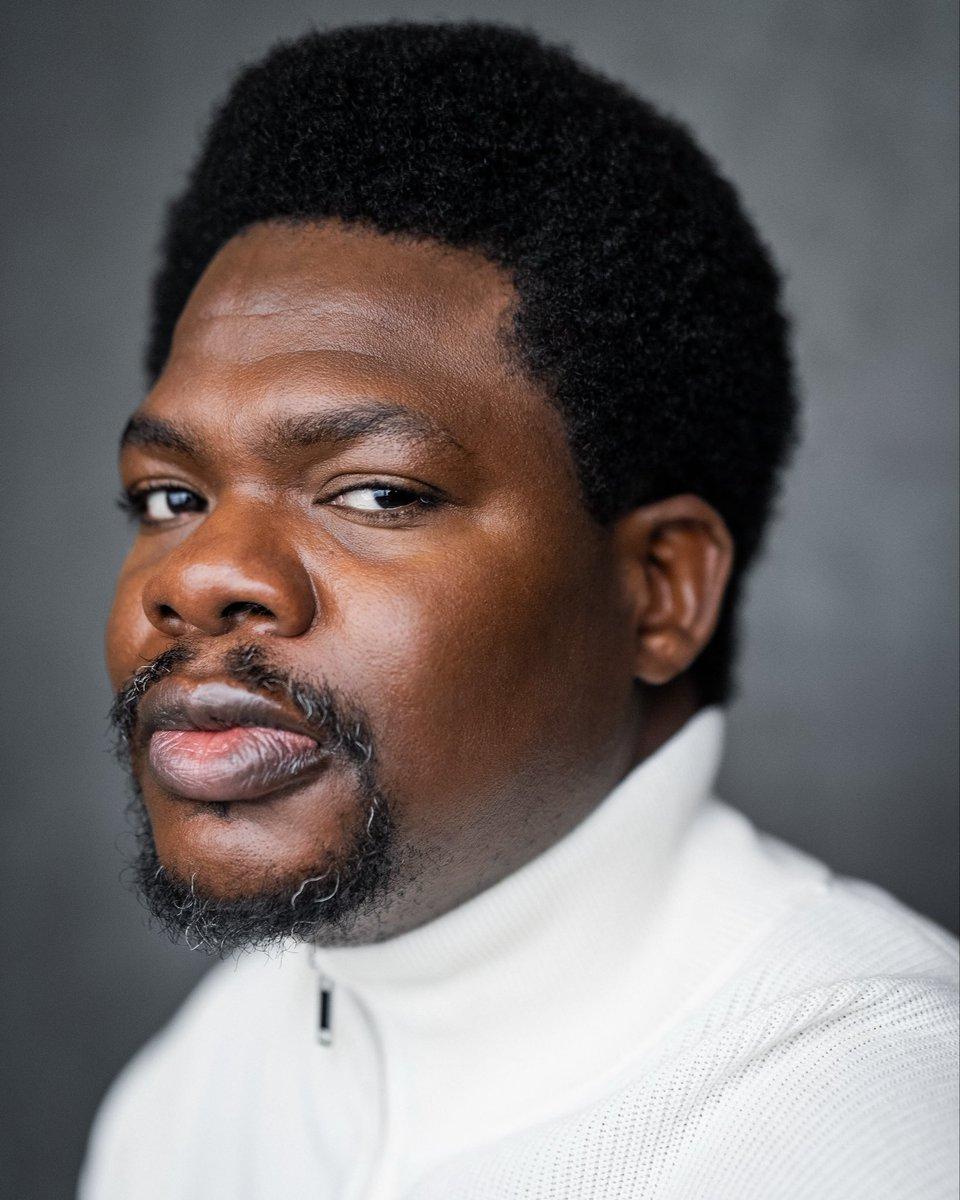
Mr Macaroni has said he remains scared of marriage and serious relationships, explaining during a recent In My Opinion Podcast appearance that years of being single have made him uncertain about how to handle the constant communication and emotional consistency expected in a committed relationship.
LAGOS, NIGERIA — Nigerian actor, comedian and content creator Adebowale “Debo” Adedayo, popularly known as Mr Macaroni, has opened up about his longstanding fear of marriage and romantic commitment, admitting that years of living largely as a single man have made the routines and emotional demands of a relationship increasingly difficult for him to navigate. Speaking during a recent appearance on the In My Opinion Podcast, the 33-year-old entertainer said he genuinely cares about a woman he regards as a close and important person in his life, but remains uncertain about whether he can consistently give the level of attention, communication and emotional presence that a serious relationship requires.
Mr Macaroni said the conflict is not a simple lack of interest in love, companionship or marriage. Instead, he described himself as caught between wanting emotional closeness and wanting the independence he has become accustomed to over many years of being single. He said part of him wants the relationship and recognizes that he cares deeply for the woman involved, while another part sometimes wants to withdraw completely, avoid conversations and simply be left alone. That tension, he suggested, has become one of the reasons he remains hesitant about making promises he is not sure he can sustain.
“I’m so scared of marriage, relationships. I’ve been single for so long. But the truth is, I don’t know how to do it anymore,” he said during the conversation. He explained that the challenge lies in what he called the constant expectations that come with romantic partnership, particularly frequent phone calls, long conversations and the need to remain emotionally available even on days when he would rather spend time by himself. For someone who has built a lifestyle around independence, work and personal space, he said adapting to that level of consistency does not always come naturally.
The entertainer specifically mentioned the growing expectation of long FaceTime calls in modern relationships, joking that women now often want partners to remain on video calls for extended periods. He said there are moments when he genuinely enjoys those conversations and appreciates the intimacy that comes with them, but there are other times when he feels overwhelmed by the obligation to maintain regular contact. His difficulty, he admitted, is not necessarily that he dislikes the woman or does not enjoy speaking with her, but that he struggles with transforming occasional emotional connection into a consistent daily pattern.
That contradiction became especially clear when he recalled an incident in which he promised the woman he would call her after getting home but instead became absorbed in playing FIFA. He said he remembered throughout the day that he had promised to call and was aware that part of him wanted to do it, yet he still failed to follow through. The example was delivered humorously, but his larger point was serious: affection alone, in his view, does not automatically translate into the discipline required to maintain a committed relationship.
Mr Macaroni said he can sometimes go one or two weeks without reaching out to someone and still not feel the absence in the same way another person might. That pattern, he admitted, can be unfair to someone who expects regular communication and reassurance from a partner. He therefore questions whether it is responsible to enter a relationship simply because he has genuine feelings when he is not confident that he can consistently satisfy the emotional expectations that come with it.
“I always think it’s totally unfair to tell someone that you love them but you’re not willing to commit all the way through,” he said, framing his hesitation not as an attempt to avoid responsibility but as a recognition that entering a relationship without sufficient readiness could hurt the other person. His comments suggest that his fear of marriage is tied as much to the possibility of disappointing someone else as it is to his own fear of being hurt.
His latest remarks are consistent with a pattern of comments he has made publicly over several years. In March 2022, Mr Macaroni told followers during a social media interaction that marriage frightened him and revealed that he had not been in a formal relationship since around 2011 or 2012, when he was still a university student. At the time, he said he had been single for roughly a decade and joked about how he managed his personal life without a girlfriend.
The remarks became part of a recurring public conversation around his relationship status because Mr Macaroni’s comic persona often revolves around exaggerated romantic behavior. His famous “Daddy Wa” character is known for loudly pursuing women, distributing money and delivering flirtatious lines, creating a striking contrast between his fictional on-screen personality and his much more cautious real-life approach to romance.
That contrast has made his personal admissions particularly interesting to fans. On screen, he plays a man who appears endlessly confident about attraction, relationships and women. Off screen, he has repeatedly presented himself as guarded, skeptical and deeply concerned about the emotional consequences of serious commitment.
In 2024, he again described his love life as complicated, telling Wazobia FM that he was not actively looking for a relationship even though there was someone he admired. He said he had spent most of his life single and was reluctant to put himself in a position where heartbreak could destabilize him emotionally. At the same time, he acknowledged that companionship remains important and said he did not dismiss the value of having people who provide emotional support.
His position became more detailed in 2025 when he appeared on Dating in Lagos and explained that he sometimes deliberately withdraws when he begins developing serious feelings for someone. He said his fear was not that he lacked the capacity to love but that he tends to love intensely and worries that betrayal or disappointment could affect his ability to concentrate on work and other parts of his life. He described himself at that time as fully committed to his career and not yet convinced that he was prepared for marriage.
In a more recent interview with Guardian Life, he maintained that position, saying fame had not necessarily made it harder for him to find genuine love. He said he had experienced meaningful friendships with women, had been in love before and understood what he wanted, but was deliberately stepping away from marriage until he felt completely convinced that it was an institution he was prepared to embrace.
Taken together, those statements indicate that his latest comments are not a sudden rejection of marriage but part of a longer personal struggle with vulnerability, trust, independence and commitment. He has never categorically said he will never marry. Instead, his public position has consistently been that he does not want to enter marriage merely because society expects him to settle down.
That distinction matters because marriage remains heavily emphasized in Nigerian culture, especially for public figures in their thirties. Celebrities are regularly asked about spouses, weddings and children during interviews, while unmarried actors and musicians often face intense speculation about their private lives. Mr Macaroni’s willingness to say openly that he is unsure whether he is ready challenges the assumption that marriage should automatically become the next stage of life once someone reaches a particular age or level of success.
His remarks also reflect a wider generational conversation about relationships in the digital era. Constant communication through WhatsApp, FaceTime, Instagram, video calls and messaging platforms has changed expectations around availability. Couples can remain in contact almost continuously, creating a form of intimacy that can feel comforting to some people but demanding to others.
For someone accustomed to long periods of independence, that constant accessibility can require a major adjustment. Relationship experts often distinguish between affection and compatibility, noting that two people can care deeply for one another while still having very different expectations around communication, personal space, reassurance and time together.
Mr Macaroni’s example illustrates that difference in practical terms. He appears to value the woman he referenced, enjoys some of their conversations and acknowledges a desire for companionship, but also recognizes that his natural communication habits may not match what she expects from a partner. His concern is that entering a formal relationship without resolving those differences could create resentment on both sides.
He did not identify the woman during the conversation, and there is no verified public information establishing her identity. That privacy is significant because Mr Macaroni has historically kept his romantic relationships largely out of public view, despite persistent speculation from fans and entertainment blogs.
His decision to withhold her identity also allows the discussion to remain focused on his own readiness rather than turning the woman into a subject of public scrutiny. He repeatedly framed the difficulty as his own struggle rather than blaming her for wanting more communication or commitment.
That self-awareness is one of the strongest themes running through his comments. Instead of criticizing the expectations associated with relationships, he admitted that the woman’s needs are understandable and questioned whether he is capable of meeting them consistently. He said it would be unfair to claim love without being willing to follow through on the responsibilities attached to that declaration.
The entertainer’s perspective is also shaped by the enormous demands of his career. Mr Macaroni has built one of Nigeria’s most recognizable digital comedy brands, appeared in films and television productions, produced online content and maintained a public profile that extends beyond entertainment into social and political advocacy. That workload has often required significant travel, long production schedules and periods of intense public engagement.
His professional life expanded further in 2026 when he completed a Master of Arts degree with distinction in Performance Acting at the Mountview Academy of Theatre Arts in London. He later said the programme required significant sacrifice and caused him to turn down lucrative jobs while concentrating on his studies.
The degree represented an important step in his evolution from a popular skit maker into a formally trained actor seeking broader dramatic opportunities. Although he became famous through comedy, Mr Macaroni has repeatedly said he does not want to be limited to humorous roles and has pursued projects that allow him to demonstrate a wider acting range.
His career began in traditional acting before online comedy transformed his public profile. After struggling to secure consistent opportunities in film and television, he began creating his own sketches, eventually developing characters including Daddy Wa and Professor Hard Life. The success of those videos made him one of the most prominent figures in Nigeria’s skit-making industry and helped create opportunities in mainstream Nollywood.
That professional success has also increased public interest in his personal life. Fans who encounter him frequently through social media often feel familiar with his personality, making questions about marriage and relationships a recurring feature of interviews and online discussions.
Mr Macaroni’s answers have generally resisted the pressure to present a conventional celebrity love story. He has acknowledged attraction, companionship and love but repeatedly emphasized that emotional readiness matters more to him than public expectation.
His latest comments also reveal an interesting tension between solitude and connection. He said there are times when he wants lengthy conversations and enjoys emotional closeness, yet other moments when he prefers silence, gaming and personal space. That inconsistency, he believes, could become hurtful if another person interprets periods of withdrawal as lack of affection.
The FIFA story provides the clearest illustration. He had promised to call, knew he wanted to call and remembered the promise, yet still chose to keep playing rather than reach out. His concern is that repeating such behavior inside a serious relationship could make a partner feel neglected even when the emotional attachment remains genuine.
That level of self-reflection separates his comments from the more casual celebrity statements about avoiding marriage. He is not simply saying that relationships are stressful or that he enjoys being single. He is asking whether he has developed habits over more than a decade of independence that make partnership difficult.
Long-term single people often develop routines built almost entirely around individual preference. Meals, schedules, hobbies, work patterns and communication habits do not require negotiation with a partner. Entering a serious relationship can therefore require compromises that people accustomed to independence may find surprisingly demanding.
Mr Macaroni’s experience appears to fit that pattern. His remarks suggest that the challenge is less about finding someone attractive or emotionally compatible and more about relearning how to share time and attention with another person.
There is also an ethical dimension to the way he describes commitment. He repeatedly returns to the idea that saying “I love you” creates responsibilities beyond emotion. In his view, love without effort can become unfair because the other person may make decisions based on promises that are not being supported by consistent behavior.
That position is notable because it places the burden on him to determine whether he is prepared before making a commitment. Rather than asking a partner to tolerate prolonged silence or inconsistent communication simply because he is naturally independent, he appears to recognize that the relationship may require changes he is not yet certain he can sustain.
At the same time, he has not closed the door completely. His acknowledgement that part of him wants the relationship suggests that his position is still evolving. The fact that he continues communicating with the woman and sometimes enjoys the long conversations indicates that companionship remains attractive even while the structure of a formal relationship makes him anxious.
That ambivalence may explain why his public statements over the years have changed in tone without fundamentally changing in direction. In 2022, he simply said marriage scared him. By 2025, he was speaking more specifically about fear of emotional pain and the possibility that love could interfere with his focus. In his latest interview, the concern has become more practical: communication, consistency, personal space and whether he can meet another person’s expectations.
The progression suggests that his fear is no longer purely abstract. He now appears to be evaluating what a real relationship with someone he cares about would require and questioning whether his current lifestyle can accommodate it.
That does not mean the woman will eventually become a partner or wife, and Mr Macaroni did not make any announcement suggesting an engagement or imminent relationship. His comments were reflective rather than declarative, and entertainment coverage should avoid transforming them into speculation about a secret fiancée.
The broader appeal of the conversation lies instead in its honesty about uncertainty. Public figures frequently present romantic relationships as straightforward milestones, but Mr Macaroni’s comments highlight the less glamorous reality that affection and readiness do not always arrive at the same time.
His concerns also challenge the common assumption that being successful in other areas of life automatically means someone is prepared for marriage. Career stability, fame and financial independence can coexist with emotional hesitation, and the entertainer appears comfortable acknowledging that distinction.
For a celebrity whose work is built partly around exaggerated confidence and comic romance, that vulnerability offers a striking contrast. Daddy Wa may pursue affection without hesitation, but Debo Adedayo is considerably more cautious about what commitment demands once the cameras are off.
That contrast may also explain why his comments have resonated with audiences. Many people who have spent long periods single understand the comfort of independence and the difficulty of changing routines for another person. Others may disagree with his communication habits but recognize the value of acknowledging them before entering a serious relationship.
His remarks should therefore not be read as an attack on marriage or women. He did not criticize women for wanting calls or emotional availability, nor did he say marriage itself is inherently undesirable. Instead, he described his own limitations and questioned whether he can currently offer the consistency a partner deserves.
That distinction is important because his comments about FaceTime could easily be reduced to a joke about women demanding too much attention. In context, however, his larger argument is the opposite: he recognizes that regular communication is a reasonable expectation and worries that he may not be willing or able to provide enough of it.
The woman at the center of the conversation appears, based on his description, to remain someone he values deeply. He referred to genuine affection and acknowledged that part of him wants to pursue something more meaningful. What remains unresolved is whether that emotional connection will become strong enough to outweigh his attachment to solitude and independence.
For now, Mr Macaroni appears determined not to make promises simply because he feels pressure to settle down. His position is that entering a relationship without being willing to commit fully would be unfair, regardless of how strong his feelings may be.
That perspective has remained remarkably consistent across several years of interviews. He has repeatedly said he values love, believes in companionship and has experienced genuine emotional attachment, but continues to question whether marriage fits the life he is currently prepared to live.
His latest interview therefore adds another layer to an ongoing personal conversation rather than announcing a dramatic change. The fear remains, but it is now expressed through specific experiences: missed calls, long FaceTime conversations, gaming sessions, periods of silence and the recognition that another person deserves more than occasional affection.
Whether Mr Macaroni eventually chooses marriage remains entirely his decision, and he has never ruled out the possibility permanently. What he has made clear is that he does not want to enter one simply because age, fame or public expectation suggests that he should.
At 33, after more than a decade of describing himself as largely single, the actor appears to be confronting a question many people face after long periods of independence: whether wanting love is the same thing as being prepared to build a life around another person.
For Mr Macaroni, the answer remains uncertain. He cares about someone, enjoys companionship and acknowledges that part of him wants more, but he also values solitude and recognizes that genuine commitment requires consistency, sacrifice and communication. Until he is convinced he can provide those things without feeling trapped or unfairly neglecting another person, he appears unwilling to make a promise simply because society expects him to marry.
That uncertainty, rather than the fear itself, is the most revealing part of his latest comments. Behind the humor, the FIFA anecdote and the jokes about long FaceTime calls is a serious admission that love alone may not be enough if a person is not emotionally prepared for what a relationship demands, and Mr Macaroni appears determined to understand that difference before deciding whether marriage is a step he is finally ready to take.