Naira Comes Under Renewed Pressure as Importers and Investors Drive Dollar Demand
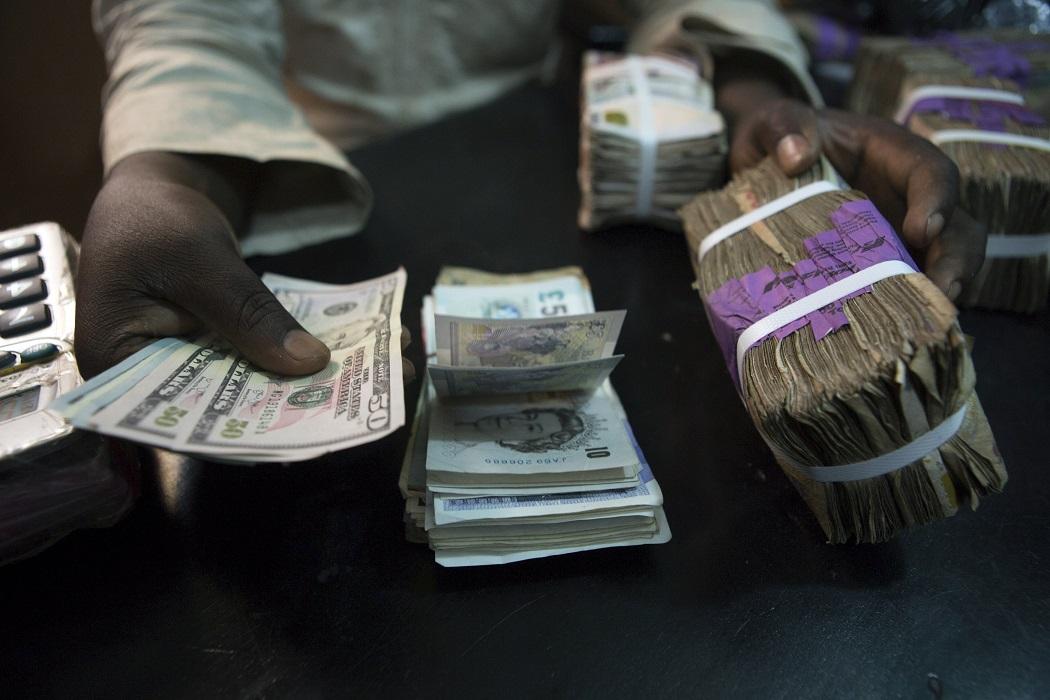
Nigeria’s naira weakened to approximately ₦1,339 per U.S. dollar in the official foreign-exchange market on Thursday, from around ₦1,331 a week earlier, as importers increased dollar demand and investors took profits from Nigerian financial-market investments. The parallel-market rate was around ₦1,370 per dollar. Currency traders say sustained weakness beyond ₦1,340 in the official market could increase pressure on the naira and potentially prompt further CBN action, but the central bank has not announced a new intervention in response to Thursday’s movement.
Nigeria’s naira came under renewed pressure against the U.S. dollar on Thursday as importers increased their demand for foreign currency and investors took profits from local financial-market positions, pushing the official exchange rate toward a level traders say could determine whether the currency faces a deeper round of depreciation.
The naira traded at approximately ₦1,339 to the dollar in Nigeria’s official foreign-exchange market on Thursday, October 22, compared with roughly ₦1,331 a week earlier, according to market quotations reported by Reuters. In the parallel market, where individuals and businesses obtain foreign currency outside the formal banking system, the dollar was changing hands at approximately ₦1,370.
The movement represents a relatively modest depreciation in percentage terms, but traders are watching the ₦1,340 level closely because a sustained break beyond it could trigger additional dollar buying and increase pressure on the Central Bank of Nigeria to supply foreign currency to the market. Market participants quoted by Reuters said the naira could weaken further if importer demand continues to outpace available dollar supply.
There has been no announcement from the Central Bank of Nigeria confirming a new intervention in response to Thursday’s movement. The suggestion that the bank may need to act if the currency weakens further reflects expectations among currency traders rather than an official policy decision. The distinction is important because the CBN has intervened in the foreign-exchange market at different points this year, but Thursday’s Reuters report did not indicate that a fresh dollar sale had been announced.
The latest pressure is being driven partly by seasonal demand from Nigerian businesses preparing for increased imports ahead of the year-end trading period. Importers typically require dollars and other foreign currencies to pay overseas suppliers, meaning increased demand for imported consumer goods, industrial inputs, machinery and other products can place additional pressure on the naira when foreign-exchange supply does not rise at the same pace.
Investor activity is also contributing to the movement. Some foreign and domestic investors who had benefited from Nigerian fixed-income and financial-market investments are taking profits and converting part of their proceeds into dollars, according to market participants. That process creates additional demand for foreign currency because investors seeking to move money out of naira-denominated assets generally need to purchase dollars or another internationally traded currency.
Nigeria has attracted renewed portfolio investment in recent periods as high domestic yields, monetary-policy reforms and improved access to the foreign-exchange market increased the appeal of naira assets. Those inflows can strengthen the currency when investors bring dollars into the country to buy local securities, but the process can work in the opposite direction when investors begin taking profits and converting their naira holdings back into foreign currency.
The pressure comes after a period of relative stability in which the naira traded within a comparatively narrow range. Central Bank data showed the currency at approximately ₦1,333.50 to the dollar at the official market on Monday, October 19, before weakening to around ₦1,334.99 in subsequent trading. Thursday’s quotation around ₦1,339 therefore suggests that demand for dollars has strengthened as the week progressed.
Foreign-exchange trading activity has also been uneven. The value of dollars traded in Nigeria’s FX market fell by more than 22% to approximately $2.62 billion in the week ended October 16, down from about $3.37 billion in the preceding week. Forward transactions, which allow businesses and investors to agree on exchange rates for future currency purchases, dropped sharply during the same period.
The lower trading volume does not automatically mean Nigeria is facing a foreign-exchange shortage, but reduced market liquidity can make the naira more sensitive to sudden increases in demand. When large importers, institutional investors and other market participants attempt to purchase dollars at the same time, the exchange rate can move quickly if sellers are unwilling or unable to provide sufficient foreign currency at prevailing prices.
The Central Bank has previously used direct dollar sales to support liquidity and moderate volatility. Market data for the week ended October 16 indicated that the CBN supplied approximately $430.6 million during that period even as domestic demand remained elevated. Those interventions helped provide foreign currency to authorized dealers and prevented demand from translating into more abrupt movements in the exchange rate.
The bank has been attempting to move Nigeria toward a more market-driven foreign-exchange system after years in which multiple official exchange rates, currency restrictions and dollar shortages created significant distortions between the formal and parallel markets. Reforms introduced beginning in 2023 allowed the naira to trade more freely, resulting in a sharp initial depreciation but also reducing some of the differences between official and unofficial exchange rates.
That gap has narrowed substantially compared with periods when businesses and individuals sometimes faced vastly different prices depending on where they obtained dollars. Thursday’s reported official rate of approximately ₦1,339 and parallel rate near ₦1,370 imply a difference of about ₦31 to the dollar, or slightly more than 2%.
A relatively narrow gap is generally viewed by policymakers as evidence that the official market is functioning more effectively because businesses have less incentive to abandon formal banking channels for the parallel market. A widening spread, by contrast, can signal growing shortages or reduced confidence in the official system.
The latest movement will therefore be closely watched not simply because the naira has weakened, but because policymakers will want to prevent renewed pressure from creating a larger divergence between official and street-market exchange rates.
For Nigerian businesses, even relatively small movements in the exchange rate can have substantial consequences because the country continues to depend heavily on imports for machinery, pharmaceutical products, industrial components, consumer goods and some agricultural inputs. Companies purchasing goods priced in dollars face higher naira costs when the domestic currency weakens.
Those higher costs can eventually be passed on to consumers, particularly in sectors where businesses have limited ability to absorb currency losses. Exchange-rate depreciation can therefore contribute to inflation by increasing the local price of imported goods and raw materials.
The effects can extend beyond direct importers. Manufacturers that rely on imported equipment or components may face higher production costs, while transportation and energy-related businesses can be affected by international commodity prices and dollar-denominated expenses. Companies carrying foreign-currency debt can also see their repayment burden increase when the naira weakens.
At the same time, a weaker naira can benefit Nigerian exporters whose revenues are earned in dollars while a significant portion of their costs remain denominated in local currency. The effect varies significantly across industries, however, and the wider economic impact depends on the speed and scale of currency movements rather than a single day’s trading.
Nigeria’s external position has improved from some of the severe foreign-exchange pressures experienced earlier in the decade, with policymakers pointing to stronger reserves, improved oil and non-oil inflows and reforms intended to attract foreign investment. The country has also benefited from efforts to improve transparency in the official foreign-exchange market and clear previously accumulated obligations to international businesses.
Those improvements have helped restore a degree of investor confidence, but they have not eliminated the naira’s sensitivity to shifts in dollar demand. Portfolio investment can move quickly in response to changes in Nigerian interest rates, U.S. monetary policy, global risk appetite and expectations about the currency itself.
Nigeria’s monetary authorities therefore face a balancing act. Allowing the exchange rate to respond to genuine changes in supply and demand is an important part of the market-based FX system, but excessive volatility can undermine business planning, increase inflationary pressure and encourage speculative currency buying.
Direct intervention can reduce short-term volatility by increasing dollar supply, but sustained intervention also uses foreign reserves and can become difficult to maintain if underlying market demand remains persistently stronger than supply. The CBN has generally sought to combine market reforms with periodic liquidity support rather than defend a publicly announced fixed exchange rate.
Traders are now watching whether the naira holds around current levels or moves decisively beyond ₦1,340 to the dollar in the official market. The level itself is not an official CBN threshold, and there is no indication that the bank has committed to defend it. Instead, it is a market level being monitored by dealers because they believe a sustained break could encourage additional demand and weaken short-term sentiment toward the currency.
Seasonal import demand could remain an important factor in the coming weeks as Nigerian businesses prepare inventories for the Christmas and New Year period. Demand for consumer goods traditionally increases toward the end of the year, while companies may also attempt to complete international transactions before annual financial reporting periods close.
Global conditions could add another layer of uncertainty. The U.S. dollar has remained relatively strong in international markets amid changing expectations for American interest rates and renewed geopolitical risks. A stronger dollar can place pressure on emerging-market currencies even when their domestic fundamentals have not deteriorated significantly.
Nigeria must therefore manage both internal and external sources of foreign-exchange pressure. Domestic import demand, investor profit-taking and corporate dollar requirements are interacting with international financial conditions that can influence whether foreign capital moves into or out of emerging markets.
The parallel-market rate will also remain an important indicator. Although the unofficial market represents only part of Nigeria’s overall foreign-exchange activity, businesses and individuals frequently monitor it as a measure of dollar availability outside banks. A rapid widening between parallel and official rates could signal increasing demand pressure, while a stable spread would suggest that the formal market is continuing to meet a significant share of legitimate currency needs.
Thursday’s movement does not by itself indicate that Nigeria is entering another full-scale currency crisis. The naira’s decline from approximately ₦1,331 a week earlier to around ₦1,339 represents a depreciation of less than 1%, and recent trading has remained far more orderly than during previous periods of extreme volatility. However, the combination of rising importer demand and investor profit-taking has altered the near-term balance of the market and increased attention on the CBN’s next moves.
Businesses will be watching both the exchange rate and the availability of foreign currency through banks because access can matter as much as the headline rate. A company may be able to absorb a modest change in the naira’s value if dollars remain readily available, whereas delays or shortages can disrupt supply chains even when the quoted exchange rate appears relatively stable.
The immediate outlook will depend on whether new foreign-currency inflows are sufficient to meet increased demand and whether portfolio investors continue converting profits into dollars. Stronger export receipts, foreign investment or other dollar inflows could stabilize the market without requiring significant action by the central bank, while continued demand pressure could push the currency beyond the levels traders are currently monitoring.
For now, the confirmed development is a gradual weakening of the naira rather than a sudden collapse. The official rate has moved toward ₦1,340 to the dollar, the parallel rate is around ₦1,370, and market participants are reporting stronger demand from importers and investors. The Central Bank has not announced a fresh intervention specifically in response to Thursday’s pressure, making the next several trading sessions important in determining whether the movement remains a limited adjustment or develops into a broader period of currency weakness.
The significance for Nigeria extends beyond foreign-exchange traders. A sustained depreciation would affect import costs, corporate budgets and potentially consumer prices, while renewed stability would reinforce confidence in the reforms that have brought official and parallel exchange rates closer together. The market’s immediate focus is therefore on dollar liquidity, the behavior of foreign investors and whether the naira can remain around its current range without requiring additional support from the Central Bank.