
Nigeria steps up Lassa fever preparedness ahead of peak season as NCDC warns of critical gaps
Nigeria's NCDC has launched an Accelerated Readiness Plan ahead of the 2026 and 2027 peak Lassa fever season after identifying weaknesses including delayed treatment, healthcare worker infections and gaps in the actual functionality of health facilities. The agency is strengthening surveillance, laboratories, treatment centres, infection control and community prevention efforts before cases are expected to increase.
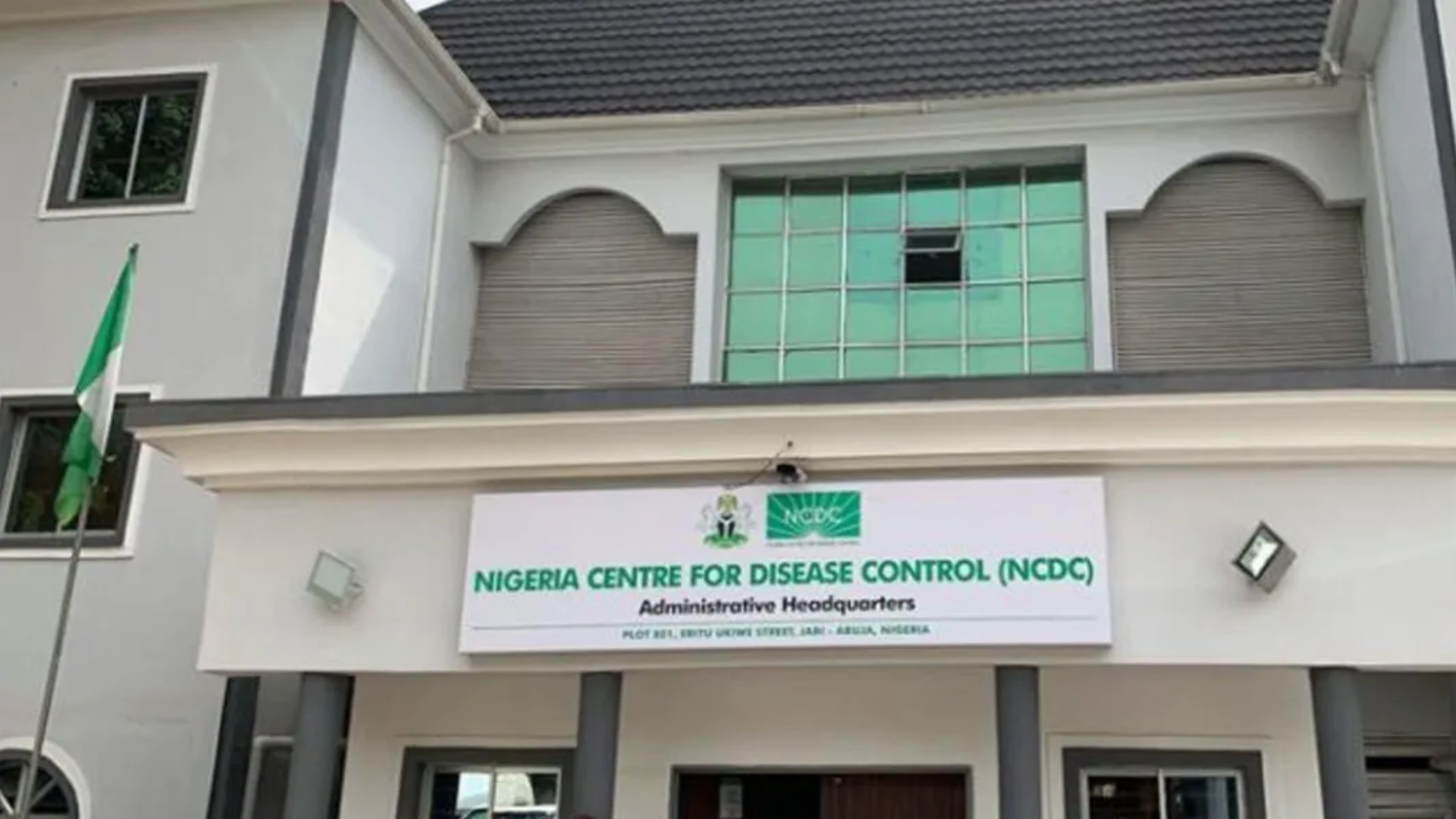
ABUJA — Nigeria's disease control agency has unveiled an accelerated national preparedness plan for Lassa fever after identifying significant weaknesses in the country's response, including delays in seeking treatment, infections among healthcare workers and health facilities that lack the practical capacity to manage severe cases.
The Nigeria Centre for Disease Control and Prevention said the measures are intended to strengthen the country's defences before the 2026 and 2027 peak Lassa fever season, which typically runs from November through April.
Although infections occur throughout the year, NCDC Director General Jide Idris said the months before the seasonal increase offer authorities an opportunity to strengthen surveillance, hospitals, laboratories and community prevention efforts before the health system comes under greater pressure.
“We have an opportunity to act before transmission increases,” Idris said. “We should not wait for cases to rise before we act. The time to prepare is now.”
The warning follows a review of Nigeria's response earlier this year, when the country recorded more than 1,000 confirmed cases and dozens of infections among healthcare workers.
The NCDC said lessons from that response have exposed weaknesses across several stages of the country's Lassa fever management system, from preventing infections and identifying suspected cases to laboratory diagnosis, referral and treatment.
Delayed treatment remains a major concern
One of the most serious problems identified by the agency is the length of time some patients wait before seeking appropriate medical treatment.
According to Idris, some people initially treat themselves for other illnesses or visit several healthcare providers before Lassa fever is suspected.
That can delay diagnosis and treatment while potentially increasing the risk of exposure for relatives, healthcare workers and others.
The NCDC is particularly urging people whose fever persists after treatment for suspected malaria to seek professional medical attention rather than repeatedly treating themselves at home.
“If you have treated what you believe to be malaria and your symptoms persist, please do not continue treating yourself at home. Seek appropriate medical attention,” Idris said.
Early recognition is particularly important because the initial symptoms of Lassa fever can resemble other common illnesses.
The disease can begin with fever, weakness, headache and general discomfort before progressing in severe cases to breathing difficulties, swelling, bleeding and organ complications.
Healthcare worker infections raise concern
The NCDC review also highlighted continued infections among doctors, nurses and other healthcare workers.
The risk can increase when facilities become overwhelmed or infection prevention procedures are not consistently followed.
The agency said every healthcare worker infection should be investigated so authorities can establish what happened and use the findings to prevent similar transmission.
“Think Lassa. Protect. Report. Refer,” Idris told health workers.
Infection prevention measures will be intensified in facilities considered particularly vulnerable, including through what the agency describes as its IPC Ring Strategy.
Hospitals and treatment centres will also be assessed to determine whether they are genuinely capable of managing patients rather than simply having equipment listed as available.
Idris said the existence of equipment alone does not necessarily mean a hospital can provide the service associated with it.
He used dialysis as an example, noting that a facility may possess a dialysis machine but still be unable to provide dialysis if it lacks trained personnel, consumables, appropriate water treatment, maintenance and other essential requirements.
The distinction between capacity recorded “on paper” and services that actually function will therefore form an important part of the government's preparations.
NCDC launches accelerated readiness plan
To address the weaknesses, the NCDC has developed an Accelerated Readiness Plan that will be implemented nationwide, with additional attention directed towards areas where available evidence indicates a greater risk of transmission.
The plan focuses on earlier detection and reporting, environmental sanitation, safer food storage, improved waste management and reducing human exposure to rodents.
Health workers will receive support to recognise suspected cases earlier, protect themselves from infection and rapidly report and refer patients.
The NCDC also intends to strengthen the transportation of laboratory samples and reduce delays in returning test results.
Once a case is confirmed, authorities want surveillance teams, environmental health officials, community engagement teams, food safety personnel and infection prevention specialists to respond in a more coordinated manner.
Treatment centres are expected to ensure essential medicines, laboratory supplies and protective equipment are available before cases begin to rise.
Nigerians urged to reduce exposure to rodents
Preventing contact with infected rodents remains one of the most important ways of reducing Lassa fever transmission.
The virus is primarily transmitted to humans through exposure to food or household items contaminated by the urine or faeces of infected rodents.
The NCDC is urging families to keep staple foods including rice, garri, beans and maize in tightly covered containers.
People should avoid drying food on bare ground or in locations where rodents can reach it.
Households are also being encouraged to seal openings through which rodents can enter buildings, reduce clutter and dispose of refuse properly.
People should avoid unnecessary contact with rodents and their urine, faeces or other bodily fluids.
Lassa fever can also spread between people through direct contact with the blood or other bodily fluids of an infected person, particularly in healthcare environments where adequate infection control measures are not followed.
States told not to wait for cases to rise
The NCDC has placed particular responsibility on state and local governments in areas that repeatedly experience Lassa fever outbreaks.
Authorities are being asked to strengthen sanitation and waste management, mobilise environmental health officers and work with community organisations before the peak season begins.
Health facilities should also have functioning surveillance systems and clear procedures for moving samples to laboratories and referring suspected patients to appropriate treatment centres.
Medicines, laboratory materials and infection prevention supplies should be available before an outbreak places additional pressure on hospitals.
The agency is also expanding its Turn a Community Orange programme in selected high risk communities to encourage prevention, early reporting and rapid referral.
Research into transmission and vaccines continues
Nigeria is also investigating whether the country's understanding of Lassa fever transmission needs to evolve.
The NCDC said research will continue into changing transmission patterns, including whether rodents other than the Mastomys species could play a role in spreading the virus.
Researchers are also studying asymptomatic infections and using genomic sequencing to better understand how the virus circulates.
Nigeria will continue supporting work on candidate Lassa fever vaccines and rapid diagnostic tests.
There is currently no widely available licensed vaccine against Lassa fever, making prevention, rapid diagnosis, infection control and appropriate clinical management central to controlling outbreaks.
The NCDC says an effective response will require cooperation beyond the health sector, involving environmental authorities, agriculture, livestock services, local governments and communities.
For Idris, the central message ahead of the next peak season is that preparedness cannot begin after hospitals start recording large numbers of patients.
The weaknesses identified during the 2026 response, particularly delayed treatment, infections among health workers and gaps between reported and genuinely functioning hospital capacity, are now the focus of the country's preparations.
With the higher risk period approaching in November, the NCDC says authorities and communities have a limited window to address those weaknesses before transmission traditionally accelerates.