
NCDC WARNS OF CONTINUED DIPHTHERIA RISK AS VACCINATION GAPS PERSIST IN KANO BAUCHI AND OTHER NORTHERN STATES
Nigeria continues to face significant diphtheria transmission risks, particularly in northern states where vaccination gaps remain large. NCDC officials said Kano, Bauchi, Borno, Kaduna, Katsina, Plateau, Sokoto and Zamfara accounted for about 98 percent of confirmed cases in recent reporting, while approximately 68 percent of confirmed infections involved unvaccinated people. Kano remains the country’s hardest hit state, and health authorities are calling for expanded immunization, stronger surveillance and community engagement.
Nigeria’s public health authorities are intensifying concern over the continuing threat from diphtheria as surveillance data show that transmission remains concentrated in several northern states where vaccination gaps, missed childhood immunizations and vaccine hesitancy continue to leave large numbers of children vulnerable. The Nigeria Centre for Disease Control and Prevention has identified Kano, Bauchi, Borno, Kaduna, Katsina, Plateau, Sokoto and Zamfara among the states contributing the overwhelming majority of confirmed cases, with Kano carrying by far the largest burden. Health officials are again urging states, traditional leaders, parents, schools and religious institutions to support expanded immunization campaigns as authorities work to prevent further deaths from a disease that is largely preventable through vaccination.
The outbreak, which began in late 2022 and later spread through several parts of the country, has remained a major public health challenge despite repeated vaccination drives. Although national transmission has declined from some of the most intense periods of the outbreak, health authorities say Nigeria has not eliminated the disease and remains vulnerable to renewed surges where immunization coverage is low. NCDC officials have warned that communities with large numbers of unvaccinated children remain particularly at risk because diphtheria can spread quickly through respiratory droplets when infected people cough, sneeze or have close physical contact with others.
Recent NCDC information indicates that roughly 68 percent of confirmed diphtheria cases involved people who had not been vaccinated, while another significant proportion did not know their vaccination status. Those figures have renewed attention on the large number of children who either missed routine childhood immunization entirely or failed to complete the required vaccine schedule. Health officials say the pattern confirms that vaccination remains the single most effective tool for reducing severe disease, deaths and community transmission.
Kano continues to sit at the center of the outbreak. State health authorities reported in September that the state had recorded more than 39,000 suspected cases and more than 32,000 confirmed infections since the outbreak began, with fatalities exceeding 1,700. Officials said all 44 local government areas had reported infections at different points, demonstrating the geographical reach of the disease across both urban and rural communities.
The Kano State Centre for Disease Control has repeatedly called for large scale vaccination, improved case detection and stronger community participation. State health officials say one of the biggest challenges is finding infected children early enough for treatment and identifying households where other children may have been exposed. Active case searches have become an important part of the response because some families may initially treat children at home or seek care from informal providers before visiting a health facility.
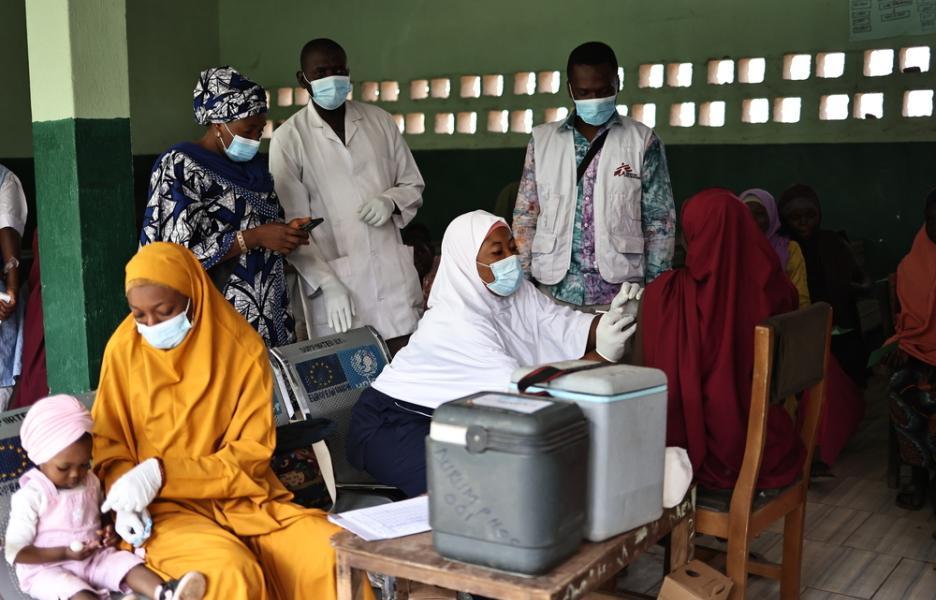
The situation in Bauchi is also closely monitored. The state has recorded thousands of suspected and confirmed cases over the course of the outbreak and has been included among the high burden states targeted for intensified vaccination. Médecins Sans Frontières and state health authorities have previously conducted mass vaccination campaigns in affected communities, particularly among children who had never received the recommended doses.
Bauchi and Kano are not alone. Borno, Katsina, Kaduna, Plateau, Sokoto, Zamfara and other states have also reported cases, with varying levels of transmission and mortality. In several of those states, health officials have linked continuing infections to gaps in routine immunization, poor access to health facilities and communities where parents remain skeptical about vaccines.
The most vulnerable group remains children. Historical NCDC surveillance data showed that children aged between one and 14 years accounted for nearly two thirds of confirmed cases during the height of the outbreak. That pattern has made schools, communities and primary health centers central to vaccination efforts because children who missed their early childhood doses can remain susceptible for years.
Diphtheria is caused by toxin producing strains of the bacterium Corynebacterium diphtheriae. The infection typically affects the nose and throat and can produce a thick membrane that makes breathing difficult. In severe cases, the bacterial toxin can damage the heart, nervous system and other organs, leading to life threatening complications.
The disease can be treated with antibiotics and diphtheria antitoxin when diagnosed early, but delays can dramatically increase the risk of death. Health officials therefore encourage parents to seek medical attention quickly when children develop symptoms including sore throat, fever, neck swelling, difficulty breathing or a thick grey or white coating in the throat.
The relatively high fatality associated with confirmed cases has remained one of the major concerns throughout Nigeria’s outbreak. Earlier national surveillance recorded more than 1,300 deaths among confirmed cases, with a case fatality rate above five percent. Some individual states reported even higher death rates when patients reached hospitals late or when supplies of antitoxin were limited.
Diphtheria antitoxin is especially important because antibiotics can stop bacterial growth but do not neutralize toxin that has already entered the bloodstream. The treatment is most effective when given early, which is why delayed diagnosis can be deadly even when a patient eventually receives antibiotics.
Nigeria has faced recurring difficulties securing adequate supplies of antitoxin because global production is limited. During major outbreaks, countries can compete for the same stocks, making prevention through vaccination even more critical.
Vaccination against diphtheria is included in Nigeria’s routine childhood immunization programme, normally through combination vaccines that also protect against other diseases. Children are expected to receive several doses beginning in infancy, followed by boosters to maintain immunity.
However, immunization coverage remains uneven across the country. Northern states have historically had larger numbers of zero dose children, meaning children who have not received even a first dose of basic childhood vaccines. Some live in remote areas where clinics are difficult to reach, while others miss vaccination because of insecurity, population displacement, weak health infrastructure or misinformation.
Vaccine hesitancy remains another major challenge. Health workers say some parents are influenced by false claims circulating on social media or within communities, while others fear side effects or question whether vaccines are necessary if their children appear healthy. Public health officials stress that such hesitation can allow diseases that are largely controlled elsewhere to return quickly.
Religious and traditional leaders have increasingly been brought into vaccination campaigns because they often have more influence in communities than government health officials. In Kano, local leaders have participated in campaigns designed to reassure parents, counter misinformation and encourage families to bring children to vaccination centers.
That community involvement has become particularly important after earlier experiences with vaccine resistance in northern Nigeria. Public health officials learned during previous polio campaigns that distrust can undermine even well funded immunization programmes if local communities are not involved in planning and communication.
Health authorities are therefore trying to combine mass vaccination with community engagement rather than relying solely on emergency campaigns. The objective is not simply to vaccinate children once during an outbreak but to strengthen routine immunization so future generations remain protected.
The distinction between emergency vaccination and routine immunization is important. Emergency campaigns can quickly reach large numbers of children during an outbreak, but they do not replace the regular vaccine schedule required to maintain long term protection.
Nigeria has conducted several rounds of diphtheria vaccination since the outbreak began, reaching millions of children in high risk areas. Despite those efforts, gaps remain because some children are missed during each campaign and others may receive only one dose when several are necessary.
Population movement also creates complications. Families displaced by conflict, flooding or economic hardship may move between local government areas or across state boundaries, making it difficult for health authorities to maintain accurate vaccination records.
Insecurity in parts of northern Nigeria can further restrict access. Health workers may be unable to reach certain communities safely, and parents may avoid travelling long distances to clinics where roads are dangerous.
Urban areas face different challenges. In rapidly growing cities such as Kano, crowded neighborhoods and informal settlements can make respiratory diseases spread quickly while also creating difficulties for health authorities trying to identify children who have missed routine vaccines.
Schools can play an important role in closing those gaps. Some health officials have suggested expanding school based vaccination and screening programmes, especially where records show large numbers of children are not fully immunized.
The outbreak has also renewed debate about vaccine documentation. Without reliable records, health workers may not know whether a child has completed the necessary doses. Families may lose vaccination cards, particularly after moving or during displacement.
Digital records could help address that problem over time, but Nigeria’s immunization system still relies heavily on paper documentation in many communities. Improving data systems is therefore part of the broader effort to strengthen outbreak preparedness.
Surveillance is another critical element of the response. NCDC and state disease control centers rely on hospitals, clinics and laboratories to report suspected cases quickly so contact tracing and vaccination can begin.
Rapid laboratory confirmation is important, but Nigeria has often classified cases clinically during large outbreaks because laboratory capacity can become overwhelmed. That means doctors and surveillance officers sometimes have to act before test results are available.
Public health authorities say early action is preferable to waiting when symptoms strongly suggest diphtheria. Delays can allow infected people to expose family members, classmates and neighbors.
Household contacts of confirmed patients may receive preventive antibiotics and vaccination depending on their status. Health workers may also monitor them for symptoms because people can carry the bacteria before becoming visibly ill.
The continuing outbreak illustrates the broader importance of routine childhood vaccination in Nigeria. Diseases such as measles, meningitis, yellow fever and polio can reappear when immunization coverage falls below levels needed to maintain community protection.
For diphtheria, the threshold for preventing transmission requires high vaccination coverage because the disease can spread easily among susceptible populations. Communities with many unvaccinated children therefore remain vulnerable even when national averages appear to improve.
Nigeria’s large population makes that challenge particularly significant. Even a small percentage of unvaccinated children can translate into millions of people without adequate protection.
Health officials have repeatedly emphasized that vaccine hesitancy should not be treated only as a problem of ignorance. Some parents have legitimate concerns about access, transportation, waiting times and the quality of services at health centers.
Improving vaccination uptake therefore requires both communication and better service delivery. Parents may be more willing to vaccinate their children when clinics are reliable, staff are respectful and vaccines are consistently available.
Primary healthcare centers are central to that strategy. Strengthening local clinics can help Nigeria move away from repeated emergency campaigns toward a more stable prevention system.
State governments also have a major responsibility because healthcare delivery in Nigeria is shared across federal, state and local authorities. NCDC coordinates surveillance and outbreak response, while vaccination operations depend heavily on the National Primary Health Care Development Agency and state level health agencies.
International organizations including the World Health Organization, UNICEF, Gavi and Médecins Sans Frontières have supported Nigeria’s response through vaccines, technical assistance, treatment and community outreach.
That support has helped reduce transmission in some locations, but international partners have also emphasized that Nigeria must continue increasing domestic investment in immunization if it wants to prevent repeated outbreaks.
Kano’s experience shows both the scale of the problem and the potential value of strong community engagement. Vaccination teams have worked with local leaders and parents to reach children who had previously been missed.
Bauchi has used similar approaches, including targeted outreach to communities with high numbers of zero dose children. Those programmes attempt to identify families individually rather than waiting for parents to visit clinics.
The growing focus on zero dose children reflects a wider global health strategy. Children who have received no routine vaccines are often among the most disadvantaged and may also have limited access to other health services.
Reaching them can therefore produce benefits beyond diphtheria prevention. Vaccination visits can also connect families with nutrition programmes, maternal health services and other forms of primary care.
Public health officials say Nigeria cannot rely on declining case numbers as evidence that the outbreak is over. Diphtheria transmission can fall temporarily and then return quickly when susceptible children accumulate.
That is why NCDC continues to classify several northern states as high risk and urges health workers to maintain surveillance even where case counts have declined.
Doctors are also being reminded to consider diphtheria when patients arrive with respiratory symptoms. In areas where the disease had become rare, clinicians may initially mistake it for ordinary tonsillitis or other throat infections.
Such delays can be dangerous because the antitoxin becomes less effective once the toxin has already caused damage. Early recognition remains one of the strongest predictors of survival.
Families are also being advised not to rely on home remedies for children with severe throat symptoms or breathing difficulty. Seeking professional care quickly can prevent complications and reduce the risk of spreading infection within the household.
The outbreak also carries economic costs. Families may lose income when parents must care for sick children, while hospitals and governments spend additional resources on emergency response, treatment and vaccination.
Preventing disease through routine immunization is considerably less expensive than treating large outbreaks. That economic argument is another reason public health experts continue pushing for expanded vaccine coverage.
Misinformation remains a persistent obstacle. Social media platforms can spread false claims about vaccines rapidly, particularly during health emergencies.
NCDC and state health agencies have therefore increased risk communication efforts, using radio, television, community meetings and religious institutions to provide accurate information.
Local languages are especially important. Messages delivered only in English may not reach families in rural communities, so health authorities often rely on Hausa and other languages during northern vaccination campaigns.
Women’s groups can also play an important role because mothers and female caregivers frequently make day to day decisions about children’s healthcare. Programmes that involve women directly may be more effective than campaigns centered only on political or religious leaders.
The continued transmission of diphtheria in Kano, Bauchi and other northern states demonstrates that Nigeria’s outbreak is not simply a medical problem. It is closely connected to poverty, access to healthcare, education, community trust and the strength of local institutions.
Solving the problem therefore requires more than emergency vaccines. Authorities need strong routine immunization systems, reliable surveillance, adequate treatment supplies and communities that trust the health workers serving them.
The most immediate priority remains protecting children who have not completed their vaccine schedule. NCDC continues to encourage parents to check vaccination cards and take children to health facilities for missed doses.
Adults may also require booster vaccination depending on their history and exposure risk. Healthcare workers and people who have close contact with confirmed cases may be prioritized because of their greater likelihood of exposure.
The current surveillance picture suggests Nigeria has made progress compared with the peak of the outbreak, but health officials remain cautious. Kano’s enormous cumulative burden demonstrates what can happen when immunity levels remain low for prolonged periods.
Bauchi and other affected states face the same risk if vaccination coverage does not improve. A decline in reported cases can quickly reverse when transmission reaches communities with large numbers of susceptible people.
The wider message from NCDC is therefore one of continued vigilance rather than panic. Diphtheria is dangerous, but it is also preventable and treatable when communities have access to vaccines, early diagnosis and appropriate medical care.
The national response is expected to remain focused on targeted vaccination campaigns, surveillance and stronger community engagement in the highest burden areas. Health authorities are also calling for better cooperation between federal and state agencies to ensure vaccines and treatment reach communities before outbreaks become severe.
For families in Kano, Bauchi and other affected states, the most important practical step remains vaccination. Parents are being encouraged to ensure that children receive all required doses rather than assuming one vaccination is enough.
Nigeria’s continuing diphtheria challenge ultimately reflects the consequences of immunization gaps that accumulated over several years. The outbreak has exposed weaknesses in routine vaccination while also showing that aggressive public health intervention can reduce transmission.
The task now is preventing another large surge. That will require sustained vaccination, community trust and rapid detection rather than waiting until hospitals begin filling again.
With children still accounting for a large share of confirmed infections and unvaccinated people representing most cases, health officials say the evidence remains clear. Expanding immunization coverage is the strongest available tool for bringing Nigeria’s prolonged diphtheria outbreak under lasting control.