Nollywood Veteran Francis Duru Dies at 57 After Brief Illness
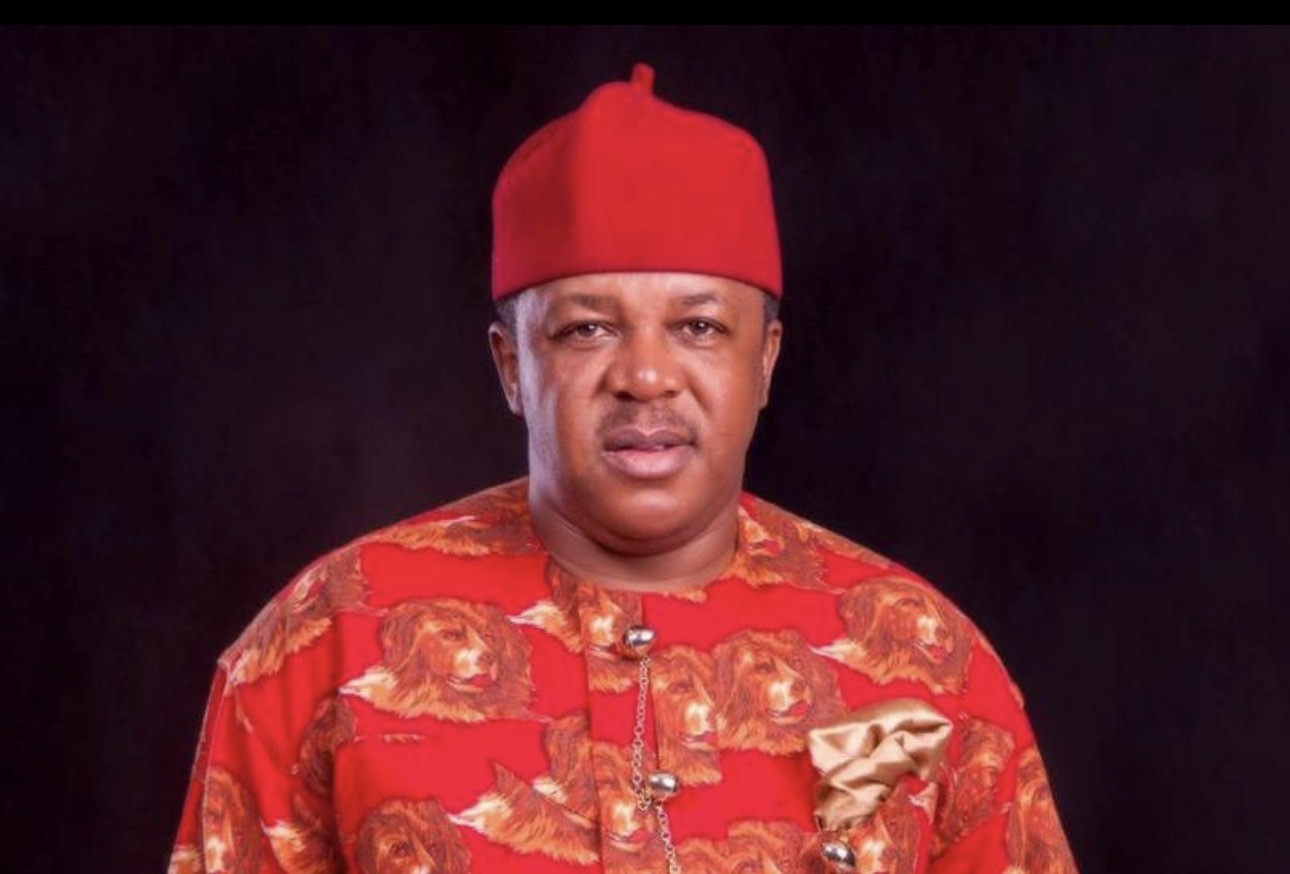
Veteran Nollywood actor, director and filmmaker Francis Duru has died at the age of 57. His family announced his death through his verified Instagram page on Friday, October 23, 2026, saying he died peacefully following a brief illness. Duru, best known for his breakthrough role as Ahanna in Rattlesnake, enjoyed a career spanning more than three decades and appeared in numerous Nigerian films while also contributing to industry leadership and mentoring.
Veteran Nollywood actor, director and filmmaker Francis Duru has died at the age of 57, bringing an end to a career that spanned more than three decades and included some of the films that helped define Nigeria’s home-video era.
Duru’s family announced his death on Friday morning, October 23, in a statement shared through his verified Instagram account. According to the family, the actor died peacefully following a brief illness. No specific medical cause was disclosed, and there was no immediate announcement regarding funeral arrangements.
The confirmation prompted an outpouring of condolences from colleagues, filmmakers and fans who remembered Duru as one of the familiar faces of Nollywood’s formative years. His death comes at a time when the Nigerian film industry continues to reflect on the contributions of actors who helped build its early commercial identity long before streaming platforms and large cinema releases transformed the business.
Born on July 27, 1969, Duru entered the Nigerian film industry in the late 1980s. One of his earliest credited screen appearances came in Missing Mark in 1989, but his major breakthrough arrived with Amaka Igwe’s Rattlesnake, the landmark Nigerian production in which he played Ahanna.
That role became one of the defining performances of his career and established him as a recognizable figure during the period when Nollywood was rapidly developing into one of the world’s most prolific film industries. Rattlesnake remains one of the most frequently cited productions from the early Nigerian video-film era, and Duru’s performance formed part of the ensemble that gave the film its enduring place in Nollywood history.
Over the following decades, Duru appeared in numerous films across drama, romance, family stories and thrillers. His credits included Blood Money, Narrow Escape, Nnenda, Home in Exile, Stigma, The Good Husband and Mboputa, among many others. He built a reputation for playing emotionally grounded characters and authority figures while also maintaining a presence in theater and television.
Duru’s career extended beyond acting. He worked as a filmmaker, director, producer, master of ceremonies and mentor, and he was involved in professional and humanitarian activities outside mainstream cinema. The Nigerian Copyright Commission had previously described him as a Nollywood icon whose career stretched across acting, directing and other creative work.
He also played a role in industry leadership. In 2010, Duru served as interim president of the Actors Guild of Nigeria, one of the major professional organizations representing performers in the country. That same year, he received a nomination for Best Actor in a Supporting Role at the Africa Movie Academy Awards.
His career also brought recognition outside film awards. In 2007, Duru received a United Nations Ambassador of Peace recognition for his work and influence, particularly his engagement with young people. He was also associated over the years with humanitarian and development programs involving education and youth support.
In 2020, Duru won Best Actor in a Leading Role in the Igbo-language category at the Best of Nollywood Awards for his performance in Mboputa, reinforcing his status as a performer who remained active and respected decades after his initial breakthrough.
Beyond his career, Duru’s family life occasionally became part of his public story, particularly in moments of personal loss. In August 2024, he lost his 15-year-old son, Ifeanyi, a tragedy he later spoke about publicly while describing the emotional pain of continuing with his professional and personal responsibilities.
In the months leading up to his death, Duru had also been forced to address false reports about his health. In June 2026, social-media posts and manipulated content circulated online claiming that he was critically or terminally ill. Duru publicly rejected those reports in a video shared on Instagram, saying at the time that the claims were false and expressing frustration over what he described as fabricated content created for online attention.
He told followers then that he had never been as sick as the viral material suggested and criticized the growing use of misleading digital content and artificial intelligence to spread false information about public figures.
Those earlier false reports are separate from Friday’s family announcement. The family has now confirmed his death and attributed it to a brief illness, but no detailed medical information has been released. It would therefore be inaccurate to connect his death to the health claims he publicly denied in June without evidence from the family or medical authorities.
Duru studied Theatre Arts at the University of Port Harcourt, an institution that has produced several prominent Nigerian actors and filmmakers. His academic background formed part of a career that combined screen performance with broader involvement in theater, communication and professional development.
His rise came during a transformative period in Nigerian entertainment. Nollywood’s early expansion in the 1990s was driven largely by direct-to-video productions, modest budgets and a rapidly growing audience across Nigeria and other African countries. Actors from that era became household names through films distributed on VHS and later VCD and DVD formats, often reaching audiences far beyond Nigeria without the traditional cinema infrastructure used by older film industries.
Duru belonged to that generation of performers whose careers helped establish the faces, acting styles and storytelling traditions associated with early Nollywood. His work in films such as Rattlesnake and Blood Money came during a period when Nigerian producers were experimenting with crime stories, family dramas, spiritual themes and social issues that would later become central to the industry’s commercial identity.
As Nollywood evolved into an increasingly global business supported by cinemas, streaming platforms and international co-productions, Duru remained connected to the industry rather than becoming solely associated with its past. His later appearances, mentoring work and industry involvement allowed him to bridge the early video-film generation and the more professionally structured era that followed.
That longevity is an important part of his legacy. Few performers maintain recognizable careers across the dramatic technological and commercial changes Nollywood experienced between the late 1980s and the 2020s. Duru’s work stretched from an era when Nigerian films were duplicated and circulated physically across markets to a period in which Nollywood productions could be released simultaneously to global streaming audiences.
Tributes following the announcement are expected to focus not only on his screen roles but also on his contributions to the professional development of actors and the broader creative community. As news of his death spread Friday, colleagues and fans began sharing photographs, film clips and memories from his long career.
Details of his final illness remained private as of Friday morning. His family has not publicly disclosed when he became ill, where he received treatment or the specific medical condition involved. Until further information is provided, the confirmed account remains that he died at 57 following what the family described as a brief illness.
Funeral and burial arrangements are also expected to be announced later by the family. Given his long-standing role in the Nigerian film industry, members of the Actors Guild of Nigeria, Nollywood producers, directors and other industry organizations are expected to participate in memorial activities once arrangements are made public.
Duru’s death represents another loss for the generation of performers who helped establish Nollywood as a major cultural industry across Africa. His portrayal of Ahanna in Rattlesnake remains closely associated with his name, but his career ultimately extended far beyond one breakthrough role, covering decades of acting, directing, mentoring and professional service.
For audiences who encountered Nigerian cinema during the home-video boom of the 1990s and 2000s, Francis Duru was among the actors whose presence became familiar across living rooms, video clubs and television screens throughout Africa. His passing at 57 closes a significant chapter in that history while leaving behind a body of work that continues to document the growth of one of the continent’s most influential entertainment industries.