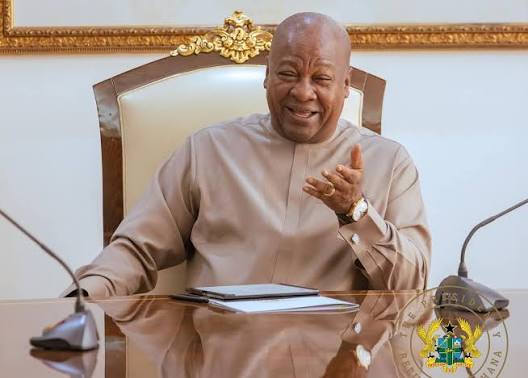

NPA WARNS GHANA REMAINS HIGHLY EXPOSED TO GLOBAL FUEL SUPPLY SHOCKS
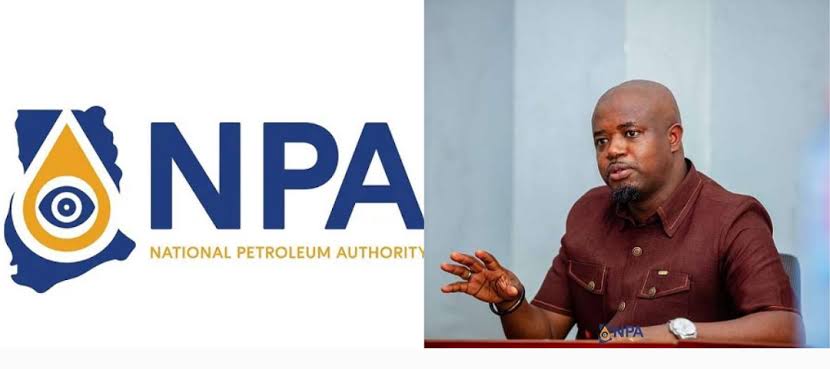
Ghana's National Petroleum Authority says the country's heavy dependence on imported refined petroleum products leaves it vulnerable to global fuel supply and price shocks. The regulator says Ghana currently has at least six weeks of fuel cover, making rising prices rather than an immediate shortage its main concern.
Ghana remains highly vulnerable to disruptions in international petroleum markets because of its heavy dependence on imported refined fuel, according to the National Petroleum Authority.
NPA Chief Executive Godwin Edudzi Tamakloe said the structure of Ghana's downstream petroleum sector means changes in international fuel prices, supply conditions and foreign exchange markets can quickly affect domestic consumers.
The regulator says it has been preparing for turbulence in global energy markets and has introduced measures intended to protect domestic supplies from external shocks.
Despite the warning, Tamakloe said Ghana is not currently facing an immediate fuel shortage, with the country holding at least six weeks of petroleum product cover and additional cargoes on their way.
GHANA REMAINS DEPENDENT ON IMPORTS
Tamakloe said Ghana remains largely dependent on imported refined petroleum products.
That dependence means developments outside the country can directly affect the availability and cost of petrol, diesel and other petroleum products.
International product prices, taxes and movements in the exchange rate are among the main factors influencing domestic fuel prices.
The exposure becomes particularly significant during periods of geopolitical instability or disruption to international energy supply chains.
Tamakloe said preparing for such turbulence has been central to his approach to managing the downstream petroleum sector.
NPA SAYS IT IS PREPARED FOR TURBULENCE
The NPA chief said the regulator has been managing international market pressures for months and expects external developments to continue affecting the sector.
He said Ghana's dependence on imports means the downstream market can face turbulence whenever external conditions change.
The regulator's responsibility, he said, is to ensure that those international pressures do not develop into severe domestic supply disruptions.
The NPA has therefore been working with industry participants to maintain adequate stocks while monitoring developments in global petroleum markets.
GHANA HAS AT LEAST SIX WEEKS OF FUEL
Although Ghana remains exposed to external shocks, the NPA says there is no immediate indication of a domestic fuel shortage.
Tamakloe said the country currently has at least six weeks of petroleum product cover.
Additional fuel cargoes currently at sea provide another buffer for domestic supply.
He said his immediate concern is therefore not whether Ghana has petroleum products available but the price at which those products will reach consumers.
The distinction is important because disruption in international markets can increase domestic fuel prices even when physical supplies remain available.
PETROL AND DIESEL PRICES UNDER PRESSURE
Ghanaian consumers are already facing higher fuel prices.
The NPA raised the minimum price floor for the latest pricing window, which took effect on September 16.
The floor price for petrol was set at GH¢16 per litre, while diesel was set at GH¢16.77 per litre.
Some Oil Marketing Companies have subsequently adjusted their pump prices.
The increases have also intensified discussions about transport fares and the wider impact of higher fuel costs on households and businesses.
EXCHANGE RATE REMAINS CRITICAL
The exchange rate remains another important factor because Ghana pays for imported petroleum products in foreign currency.
A weaker cedi can increase the domestic cost of imported fuel even when international petroleum prices remain relatively stable.
Tamakloe identified international product prices, taxes and the exchange rate as three major factors affecting petroleum availability and pricing.
The combination means Ghana's fuel market remains exposed both to international energy developments and domestic currency movements.
FUEL SUPPLY SEEN AS NATIONAL SECURITY ISSUE
The NPA chief has described reliable petroleum supply as a national security issue because of the role fuel plays across Ghana's economy.
Transport, agriculture, manufacturing, logistics and other economic activities depend heavily on petroleum products.
A serious disruption could therefore spread quickly across the wider economy.
The regulator says safeguards are being maintained to prevent external market pressures from developing into domestic shortages.
LOCAL REFINING COULD REDUCE EXPOSURE
Ghana has been working to strengthen domestic refining as part of efforts to reduce dependence on imported finished petroleum products.
Local refining can provide an additional buffer during periods of international market instability, although Ghana continues to depend significantly on imports.
Regional developments could also affect the country's future supply options, including increased refining capacity elsewhere in West Africa.
For the NPA, however, maintaining adequate domestic stocks while managing price pressures remains the immediate priority.
PRICE PRESSURE NOW BIGGER CONCERN
Tamakloe said Ghana currently has sufficient petroleum products to meet near term demand.
The bigger challenge is the cost of maintaining those supplies as international petroleum prices, shipping costs and other market factors remain volatile.
That means Ghana could continue experiencing higher pump prices even without a physical shortage of fuel.
The NPA says it will continue monitoring international developments while working with industry players to protect domestic supply.