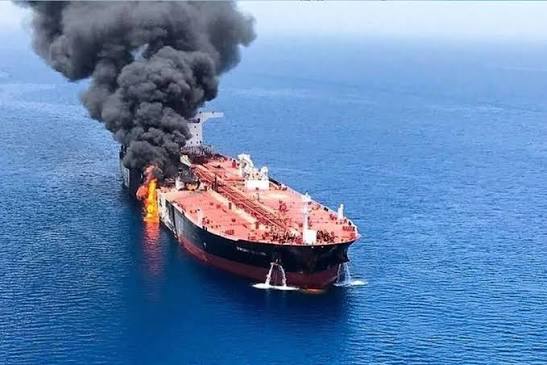
OIL-RICH IRAN PLUNGED INTO ELECTRICITY CRISIS AS WAR DAMAGE, SANCTIONS AND FUEL SHORTAGES FORCE ROLLING BLACKOUTS
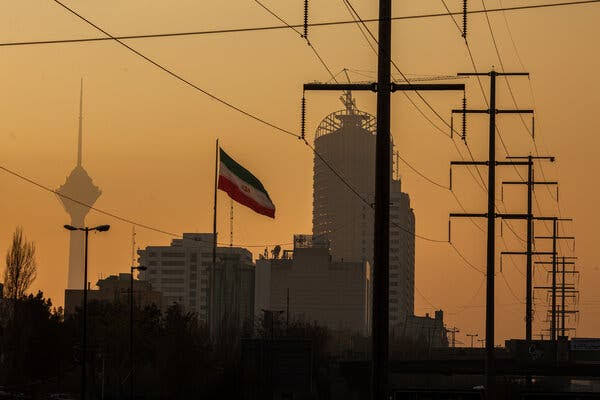
Iran has introduced rolling electricity blackouts beginning November 22, 2026, as fuel shortages at power stations threaten to deepen the country's energy crisis ahead of winter. Despite possessing the world's third-largest proven oil reserves, second-largest proven natural gas reserves and a substantial portion of the South Pars gas field, Iran is struggling to meet domestic electricity demand following military damage to energy infrastructure, longstanding international sanctions, rising consumption and inadequate investment. President Masoud Pezeshkian has urged citizens to conserve energy, while authorities warn that outages could increase to two hours daily as temperatures fall. The restrictions are already affecting households, businesses and educational institutions, with an Iranian lawmaker warning that prolonged industrial disruption could threaten more than one million jobs.
Millions of Iranians are confronting renewed electricity rationing as the country struggles to supply sufficient fuel to its power stations ahead of winter, exposing the deepening vulnerabilities of an energy system that serves one of the world's most resource-rich nations. Despite possessing the world's third-largest proven oil reserves and controlling a substantial portion of the world's largest natural gas field, Iran began implementing scheduled electricity restrictions on Sunday, November 22, 2026, following warnings from government officials that available energy supplies were insufficient to meet domestic demand. The power cuts, which could last up to two hours daily in some areas, come as the Islamic Republic confronts the combined consequences of military damage to critical infrastructure, longstanding international sanctions, inadequate investment and deteriorating economic conditions. The restrictions have intensified concerns about the ability of households, businesses, educational institutions and essential public services to withstand a potentially difficult winter.
Mohammad Allahdad, chief executive of Iran's national electricity company, Tavanir, announced the restrictions during an appearance on state television, explaining that difficulties securing adequate fuel had forced authorities to reduce electricity distribution. Initial plans envisaged interruptions of approximately two hours on alternate days, with the possibility of daily outages as colder temperatures increase demand for natural gas. Residential and commercial consumers are expected to bear much of the immediate burden as authorities attempt to preserve energy supplies for industrial production. However, the actual duration and frequency of interruptions will vary according to local conditions, fuel availability and consumption levels, meaning that the experience of individual households may differ considerably from the government's announced schedule.
The return of electricity rationing has exposed a fundamental contradiction within Iran's economy. According to the United States Energy Information Administration's country assessment published in October 2024, Iran possessed the world's third-largest proven oil reserves and second-largest proven natural gas reserves as of 2023. Its share of the world's proven oil reserves stood at approximately 12 percent, placing the country among the most important energy-producing nations globally. Yet the existence of enormous underground reserves does not automatically guarantee an abundant supply of usable electricity. Extracting, processing and distributing natural resources requires extensive infrastructure, sophisticated industrial equipment, reliable financing and continuous maintenance, all of which have become increasingly difficult for Iran to sustain.
At the center of the country's natural gas industry is South Pars, the Iranian portion of a vast offshore gas reservoir shared with Qatar, where the corresponding section is known as the North Field. The reservoir has enormous strategic and commercial significance for both countries, supplying resources that support domestic energy consumption, industrial production and international trade. However, Iran's ability to capitalize on its share has historically been constrained by international financial restrictions and difficulties obtaining investment for major infrastructure projects. While Qatar has developed an extensive liquefied natural gas export industry, Iran has faced considerably greater obstacles in attracting the international capital and technology necessary to modernize and expand its energy sector.
Those structural difficulties have been aggravated by damage sustained during the conflict involving Iran, Israel and the United States. Iranian President Masoud Pezeshkian acknowledged on November 21 that attacks on the country's natural gas infrastructure had intensified an energy shortage that existed before the war, warning citizens to prepare for further difficulties during winter. His admission represents an important acknowledgment of the domestic consequences of the conflict, particularly because Iran's electricity generation system depends heavily on natural gas. Damage affecting the country's ability to process and distribute that fuel can consequently create problems across several interconnected sectors, even when substantial natural gas reserves remain available underground.
Israeli strikes against gas infrastructure associated with South Pars in March damaged facilities responsible for preparing natural gas for distribution. Israeli Prime Minister Benjamin Netanyahu maintained that Israel conducted the operation independently, while Iranian authorities accused both Israel and the United States of responsibility for attacks affecting the country's energy system. Officials have subsequently reported progress in restoring some of the affected production capacity, although substantial shortages remain. The available assessments differ regarding the precise amount of capacity that has been recovered, making it difficult to establish an independently verified national total for the remaining damage. Nevertheless, the continued shortage of fuel available to electricity generators indicates that the consequences have not been fully resolved.
Pezeshkian has attempted to encourage energy conservation by publicly demonstrating measures he says are being implemented within his own office. Footage broadcast by Iranian state television showed the President wearing a jacket while conducting official duties in a dimly illuminated room, with much of the office lighting switched off. He argued that government institutions should demonstrate the same restraint being requested of ordinary citizens and suggested that employees could work together in smaller spaces if temperatures became increasingly uncomfortable. The appearance was intended to reinforce the government's message that reducing unnecessary consumption could help alleviate pressure on the national energy system, although symbolic demonstrations cannot independently address the infrastructure and fuel shortages responsible for the crisis.
For Iranian households, the restrictions come at a particularly difficult time because winter creates additional demand for heating while families are already confronting substantial financial pressures. Natural gas plays an essential role in keeping residential buildings warm, especially in regions where temperatures can fall sharply during the colder months. When households increase their gas consumption, less fuel may be available for electricity generation unless production and distribution systems can accommodate the additional demand. This competition between heating requirements and electricity generation has repeatedly complicated Iran's winter energy planning, making the current shortage especially concerning before the arrival of the coldest weather.
Government spokesperson Fatemeh Mohajerani has warned that the country's daily natural gas deficit could become considerably larger this winter than in previous years. According to figures reported by The National, the government estimates that the shortfall could reach 430 million cubic meters per day under difficult winter conditions, compared with approximately 300 million cubic meters during earlier periods of shortage. These projections represent official estimates rather than confirmed measurements of future consumption or production. However, they illustrate the magnitude of the challenge confronting authorities as they attempt to balance the needs of households, industrial consumers and electricity generators.
Reports from residents indicate that the disruptions are already affecting everyday activities across several major Iranian cities. Iran International reported receiving accounts of electricity interruptions in Tehran, Isfahan, Shiraz, Mashhad, Yazd, Kermanshah and Ardabil following the introduction of restrictions on November 22. Some residents described outages occurring without sufficient advance notification, complicating their ability to organize work, education and household responsibilities. Other accounts indicated that interruptions were affecting internet connectivity and water supplies, demonstrating how the consequences of unreliable electricity can extend into services that depend on the continuous operation of electrical equipment.
The impact on educational institutions has become another significant concern. Schools require electricity to provide adequate lighting, operate heating systems and support administrative and digital learning activities. When classrooms become dark or uncomfortably cold, teachers face additional difficulties maintaining effective learning environments, while students may struggle to concentrate or participate in lessons. Families with limited access to alternative resources can experience particularly severe consequences when interruptions affect both school attendance and learning at home. The available reporting does not establish that schools throughout Iran have closed as a result of the latest restrictions, but accounts from affected communities indicate that educational activities are already being disrupted.
Small businesses are also vulnerable to the financial consequences of repeated power cuts because many depend on a continuous electricity supply to maintain ordinary operations. Restaurants, grocery stores, workshops, pharmacies and other commercial establishments may require refrigeration, lighting, electronic payment systems and specialized equipment throughout the working day. Even relatively short interruptions can result in lost sales, damage to perishable goods and delays in completing customer orders. Businesses capable of purchasing generators or other backup systems may be able to reduce some of those losses, but additional equipment and fuel expenses can create financial burdens that smaller enterprises are unable to absorb.
Industrial production presents a different but equally important challenge for the Iranian government. Manufacturing facilities frequently consume large quantities of electricity and natural gas, and interruptions can reduce output, delay deliveries and increase operating costs. Some industrial processes require continuous operation, making abrupt interruptions more consequential than the temporary loss of electricity in an ordinary office environment. Authorities have indicated that the latest residential and commercial restrictions are partly intended to preserve energy for productive sectors of the economy, but the extent to which industrial consumers can be protected will depend on the severity of the overall fuel shortage.
The employment consequences of the crisis have already attracted attention within Iran's parliament. Nasrollah Pejmanfar, an Iranian lawmaker, has warned that electricity shortages could threaten the livelihoods of more than one million workers if disruptions to industrial activity continue. He also attributed substantial recent employment losses to reduced production associated with energy shortages. These figures have been reported as the lawmaker's assessment and should not be treated as an independently audited measure of unemployment. Nevertheless, his warning highlights the potential economic consequences of an energy crisis that affects manufacturing capacity, business confidence and the ability of employers to maintain regular operations.
The possibility of further employment losses is especially concerning because Iran's economy has already been subjected to significant pressure from inflation, currency depreciation and restrictions on international commerce. Households facing higher prices for essential goods may have limited financial capacity to purchase alternative energy supplies or compensate for lost working hours. Businesses confronting rising operating costs may similarly struggle to maintain existing employment levels when production becomes increasingly unreliable. Electricity shortages therefore have the potential to reinforce existing economic difficulties, creating a situation in which energy insecurity and financial hardship compound one another.
Although recent military damage has intensified the problem, Iran's electricity difficulties began well before the current conflict. The country experienced significant power restrictions during the winter of 2024–2025 and again during the summer of 2025, when increasing demand placed considerable pressure on available electricity generation. Those earlier shortages demonstrated that Iran's energy infrastructure was already struggling to accommodate domestic consumption patterns, particularly during periods of extreme temperatures. The return of rationing in November 2026 consequently reflects both the continuation of longstanding structural problems and the emergence of additional pressures associated with the war.
International sanctions have played an important role in shaping the conditions under which Iran's energy industry operates. Restrictions affecting financial transactions, investment and access to international suppliers have complicated the development and modernization of infrastructure. Energy projects often require specialized machinery, substantial capital expenditure and access to technical expertise accumulated across international markets. When those resources become more difficult or expensive to obtain, governments may face additional challenges maintaining existing facilities while expanding production sufficiently to accommodate rising demand. The United States Energy Information Administration has previously identified sanctions and insufficient investment as important constraints on Iran's ability to develop its petroleum resources.
The American government has justified its sanctions against Iran through concerns involving Tehran's nuclear program, regional military activities and other national security issues. Iranian authorities have repeatedly rejected Washington's approach, arguing that economic restrictions undermine the country's sovereignty and inflict hardship on ordinary citizens. Those competing positions remain central to the diplomatic confrontation between the two countries. However, the consequences of restricted investment and international financial isolation can be observed within the energy sector regardless of disagreements over the political objectives underlying those policies. The present crisis demonstrates how prolonged economic restrictions can interact with military damage and domestic infrastructure weaknesses to affect essential services.
Attributing the entire electricity shortage exclusively to foreign sanctions would nevertheless overlook important domestic policy challenges. Iran has historically maintained heavily subsidized energy prices, which can reduce incentives for consumers to conserve electricity and natural gas while placing pressure on public finances. When the price paid by consumers remains significantly below the cost of producing and distributing energy, utilities may struggle to generate sufficient revenue for maintenance and infrastructure expansion without substantial government support. Although subsidies can protect households from unaffordable energy costs, maintaining them without corresponding efficiency improvements can contribute to growing disparities between demand and available supplies.
Iranian Parliament Speaker Mohammad Bagher Ghalibaf has called for reform of the country's energy consumption patterns, identifying natural gas as an important priority. His intervention reflects growing recognition within the Iranian political establishment that the country cannot necessarily resolve its shortages through production increases alone. Reducing inefficient consumption, improving the energy performance of buildings and modernizing industrial equipment could potentially relieve some pressure on existing resources. However, implementing those changes requires careful consideration of affordability, particularly because households already confronting substantial financial difficulties may be unable to absorb sudden increases in the cost of heating and electricity.
The government's reliance on temporary restrictions illustrates the difficulty of addressing structural energy problems through immediate administrative measures. Scheduled blackouts can help authorities prevent demand from exceeding the supply of electricity available at a particular time, allowing the wider power system to continue functioning. Nevertheless, rationing transfers part of the economic and practical burden of the shortage directly to consumers. It cannot independently restore damaged gas infrastructure, improve inefficient power stations or provide the additional investment required to strengthen electricity generation over the longer term.
Diversifying Iran's energy sources could provide another means of reducing its exposure to natural gas shortages. Renewable electricity generation, improvements in conventional power station efficiency and investment in electricity storage could contribute to a more resilient energy system. Iran possesses substantial solar resources and opportunities for other forms of renewable generation, although developing those resources at a scale sufficient to influence national electricity availability requires significant investment and planning. Such projects would also need to be accompanied by improvements to transmission and distribution infrastructure to ensure that newly generated electricity can reach consumers reliably.
Water availability and environmental conditions further complicate the country's energy planning. Iran has experienced significant drought-related challenges, which can reduce the availability of hydroelectric power and create competing demands for limited water resources. Conventional electricity generation can also depend on water supplies for operational purposes, meaning that prolonged drought may affect several components of the energy system simultaneously. Although the current restrictions have been attributed primarily to shortages of fuel at power stations, the country's broader environmental difficulties remain relevant to assessments of its long-term electricity security.
The potential consequences for healthcare facilities require particular attention because reliable electricity is essential to maintaining medical services. Hospitals, laboratories and pharmacies depend on power for diagnostic equipment, refrigeration, communications and other critical functions. Backup electricity systems can help protect essential operations, but their reliability depends on adequate maintenance and access to fuel. There has been no independently verified nationwide assessment establishing the extent of disruption to medical facilities during the latest rationing period, and claims of widespread hospital failures would therefore be premature. Nevertheless, protecting essential healthcare infrastructure will remain an important responsibility as authorities manage the shortage.
The crisis has also become increasingly relevant to the wider geopolitical confrontation surrounding Iran. Washington and Israel have emphasized their determination to constrain activities they consider threats to regional and international security, while Tehran has condemned attacks on its territory and rejected demands it regards as violations of national sovereignty. The damage to energy infrastructure has introduced additional economic and humanitarian consequences into that confrontation, demonstrating that military operations can affect civilian livelihoods through interruptions to interconnected public services. Determining the broader effectiveness of military or economic pressure requires consideration of those consequences alongside the security objectives identified by the governments involved.
For Iranian authorities, maintaining reliable access to electricity has become a challenge involving both economic management and public confidence. Citizens who live in a country with extraordinary natural resource wealth may reasonably question why essential energy services remain vulnerable to recurring shortages. Government appeals for conservation can contribute to reducing immediate demand, but their credibility will depend partly on whether public institutions demonstrate similar restraint and whether authorities provide transparent information about repairs, investment and the expected duration of restrictions. Repeated interruptions without a clear path toward improvement could intensify dissatisfaction among households and businesses already confronting economic uncertainty.
The precise length of the current electricity rationing program remains unresolved, with officials indicating that future restrictions will depend on weather conditions, fuel availability and consumption patterns. No definitive date has been announced for the complete restoration of unrestricted electricity distribution, and the full economic impact of the latest outages cannot yet be measured. The immediate challenge for Iran is ensuring that residential heating, essential public services and industrial production can continue functioning through winter despite the pressure on available energy supplies. Its longer-term challenge is addressing the infrastructure weaknesses and investment constraints that have repeatedly prevented its enormous natural resource wealth from translating into dependable electricity.
As winter approaches, millions of Iranians are being asked to adjust their everyday lives around an energy system confronting difficulties that extend far beyond temporary fuel shortages. The country remains one of the world's most important holders of oil and natural gas reserves, yet military damage, international sanctions, domestic consumption pressures and years of infrastructure underinvestment have limited its ability to convert those resources into reliable public services. The restoration of damaged facilities may alleviate some immediate problems, but resolving the wider crisis will require sustained investment, effective management and a more resilient approach to domestic energy consumption. Until those challenges are addressed, the recurring experience of blackouts will remain a powerful illustration of the difference between possessing extraordinary natural resources and possessing the infrastructure necessary to deliver their benefits to ordinary citizens.