ONDO AIRCRAFT CRASH: NAF RECOVERS COCKPIT VOICE RECORDER, PART OF BLACK BOX AND HUMAN REMAINS
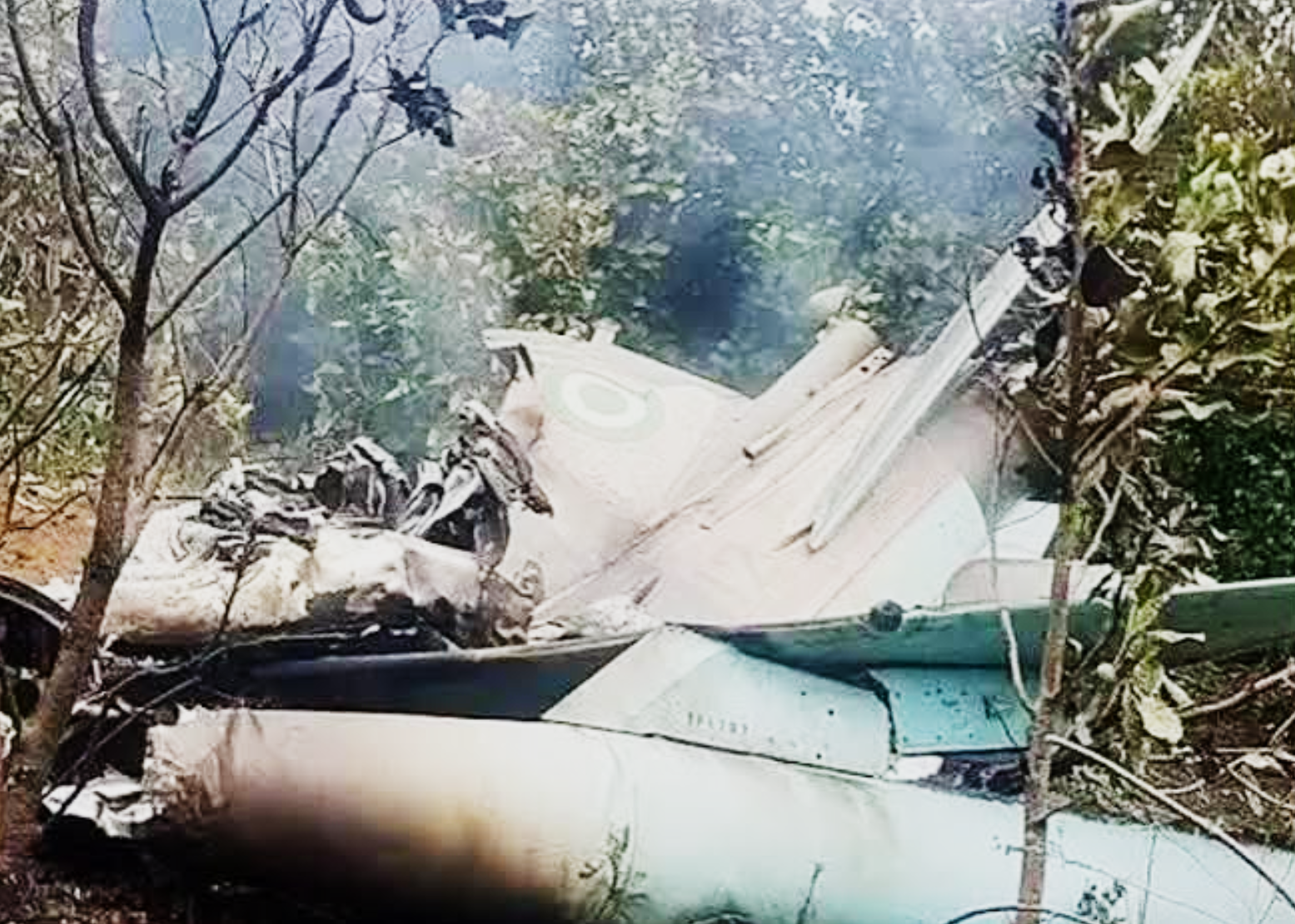
The Nigerian Air Force has recovered the Cockpit Voice Recorder and part of the Flight Data Recorder from its ATR-42 aircraft that crashed in Igbokoda, Ondo State, on October 5. Additional wreckage, engine components and human remains have also been retrieved. All 25 people aboard the aircraft died, and recovery and investigation operations are continuing.
The Nigerian Air Force has recovered the Cockpit Voice Recorder (CVR) from its ATR-42 aircraft that crashed into a swamp in Igbokoda, Ondo State, on October 5, 2026, providing investigators with potentially crucial evidence as efforts continue to retrieve the remaining wreckage and establish the circumstances surrounding the disaster that killed all 25 people aboard. The Air Force also recovered part of the aircraft’s Flight Data Recorder (FDR), commonly referred to as the black box, alongside additional wreckage, engine components and human remains from the difficult crash site.
The latest recovery update was announced on Friday, November 6, by the Director of Public Relations and Information at NAF Headquarters, Air Commodore Ehimen Ejodame. According to the statement, recovery teams have retrieved the cockpit voice recorder and a portion of the flight data recorder, while operations remain underway to locate and recover the outstanding section of the aircraft and other components that may be buried or submerged in the swamp.
The recovery is an important development in the investigation because the two recording systems preserve different categories of information that can help reconstruct an aircraft accident. The Cockpit Voice Recorder captures cockpit audio, including communications between pilots, conversations among flight crew and relevant sounds inside the cockpit. The Flight Data Recorder records aircraft performance and operational parameters, potentially including altitude, airspeed, heading, engine performance and other technical information, depending on the equipment installed.
When recovered and successfully examined, information from the two devices can help investigators establish what was happening inside the aircraft and how its systems were performing before the crash. The recorders may help determine whether the crew encountered a technical malfunction, unusual operating conditions, an environmental hazard or another problem during the flight. However, the recovery of the devices does not itself establish the cause of the accident, and investigators will need to examine the evidence alongside wreckage analysis, technical records, witness accounts and other relevant information.
The Air Force said the recovery operation remains challenging because of the swamp terrain surrounding the crash location. Teams are continuing to work in the area to retrieve the remaining aircraft components and human remains, while efforts are being made to facilitate the technical examinations required for the investigation. The service did not disclose how much of the aircraft remains unrecovered or provide a specific timeline for completing the operation.
The recovery of human remains is also continuing, underscoring the difficulty of accounting for and retrieving all those who died in the accident. The aircraft was carrying five crew members and 20 passengers when it went down, and the Nigerian Air Force previously confirmed that there were no survivors. The latest statement did not provide a new breakdown of the remains recovered or confirm whether all victims have been accounted for through the ongoing recovery and identification process.
The aircraft, identified as NAF 931, was an ATR-42 conducting a routine mission from Benin City in Edo State to Lagos when it crashed in the Igbokoda area of Ilaje Local Government Area, Ondo State, on October 5. The aircraft went down in a swamp near the Nigerian Navy’s Forward Operating Base, with the difficult terrain and submerged wreckage complicating access to the site. The Air Force activated search and recovery operations after the accident and subsequently confirmed that all 25 people aboard had died.
Initial reports surrounding the crash contained conflicting figures about the number of people on board. Some early government information indicated that 32 people may have been aboard, but the Nigerian Air Force later reviewed the passenger manifest and confirmed that the aircraft was carrying 20 passengers and five crew members. The service subsequently released the names of those who died.
The accident prompted a national response, with President Bola Tinubu expressing condolences to the families of the victims and directing the Air Force to conduct a thorough investigation into the circumstances of the crash. The Chief of the Air Staff, Air Marshal Sunday Kelvin Aneke, also ordered sustained recovery efforts and a comprehensive investigation aimed at identifying the factors responsible and recommending measures to prevent a similar incident.
The Air Force had previously established a specialist aircraft accident investigation board to examine the crash. The board is expected to assess the available evidence, including the aircraft’s recovered components and information from the flight recorders. The investigation is particularly important because the ATR-42 was a military aircraft operating on an official mission, placing responsibility for the primary investigation with the Nigerian Air Force.
The Nigerian Safety Investigation Bureau (NSIB) has indicated that it is prepared to provide technical assistance if requested by the military. Its potential support includes access to specialised facilities and expertise for the recovery, readout and analysis of flight recorder data. Such technical examination is essential because retrieving a recorder is only the first stage; investigators must establish whether the recorded information is intact, extract it using appropriate procedures and interpret it alongside other evidence from the accident site.
The distinction between the two recorders is particularly relevant to the latest announcement. While the CVR has been recovered, the Air Force has so far confirmed only that part of the FDR was retrieved. It has not announced that both complete recording systems have been recovered or that usable data has already been extracted. The remaining portion of the FDR and other aircraft components may still provide important evidence, making the continuing search necessary.
Earlier recovery efforts were slowed by the swamp’s difficult conditions, including waterlogged ground and poor underwater visibility. Specialist equipment was deployed to help locate submerged wreckage, while efforts were made to reduce the water level and improve access for recovery teams. The terrain has made it difficult to retrieve large sections of the aircraft and locate components that may have become separated during the impact.
The recovery of the cockpit voice recorder and part of the flight data recorder represents progress after weeks of searching, but the investigation has not yet reached a point where the cause of the crash can be determined publicly. Investigators must examine the recovered devices and compare their findings with physical evidence from the aircraft, including the engines and other structural components. Any conclusions about mechanical failure, crew actions, weather conditions or other possible contributing factors would be premature until the technical examination is completed.
Air Commodore Ejodame said the investigation was being conducted with due diligence to ensure comprehensive, evidence-based findings. That process will be important not only for establishing what happened to NAF 931 but also for identifying any operational or technical lessons that could improve aviation safety within the Nigerian Air Force.
For the families of the 25 people who died, the recovery operation remains an important part of bringing the tragedy to a close. The retrieval and identification of human remains, the recovery of outstanding aircraft components and the eventual findings of the investigation are all significant steps in providing answers about the disaster. The Air Force has not announced a final date for completing the operation or releasing the investigation’s conclusions.
The latest development therefore marks progress, not the end of the inquiry. With the cockpit voice recorder recovered and only part of the flight data recorder retrieved so far, investigators still face the task of securing the remaining evidence, examining the recovered components and establishing a reliable sequence of events leading to the crash. Until those examinations are completed, the circumstances that caused the aircraft to go down in Igbokoda remain under investigation.