
PEACE COMMITTEE WARNS TINUBU, ATIKU AND OBI AFTER 60 ELECTION INCIDENTS IN ONE MONTH
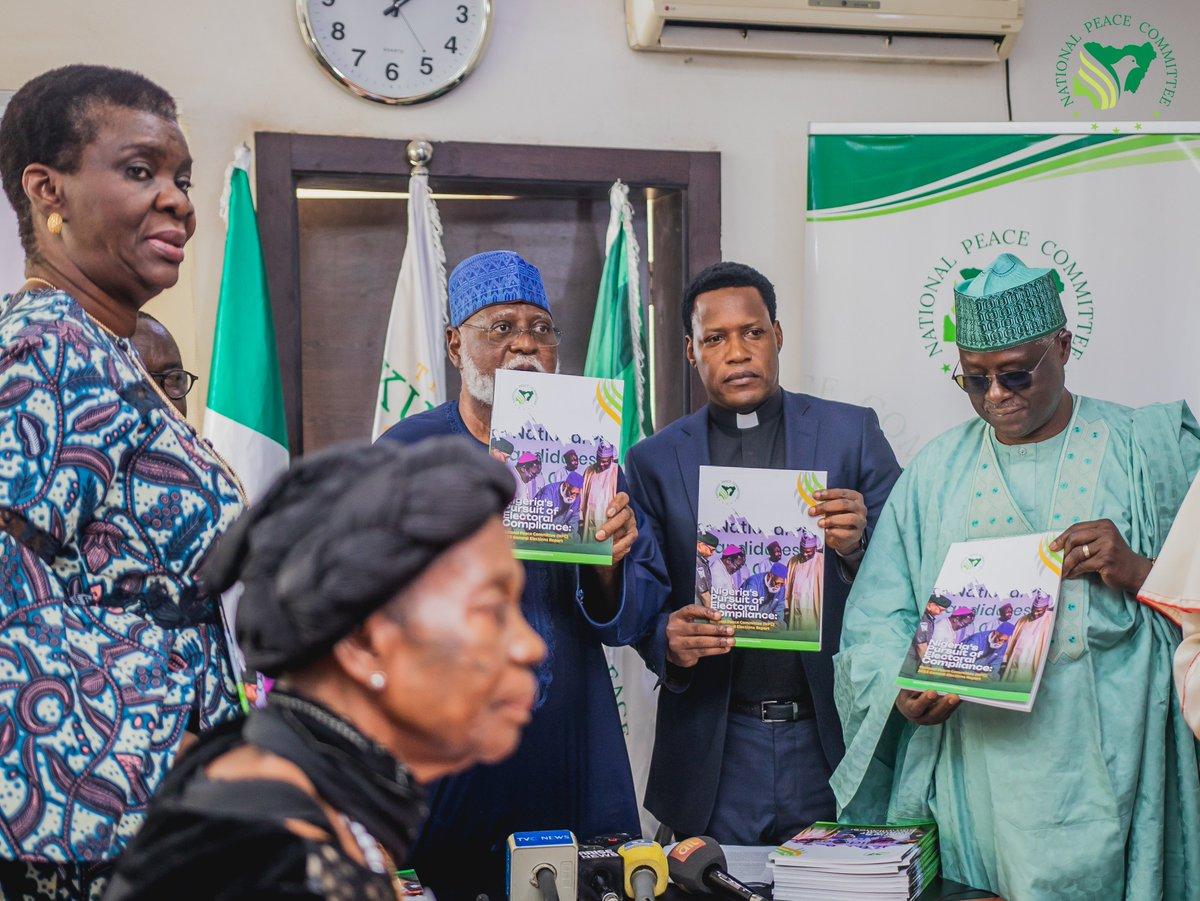
In a statement on Monday signed with Bishop Matthew Kukah, the National Peace Committee told parties, candidates and supporters to stop false and inciting communication. Punch reported the warning as aimed at President Bola Tinubu, Atiku Abubakar, Peter Obi and others. The committee’s hub logged 60 election-related incidents in a month, 40 percent of them misinformation. It called the August peace accord a public commitment, not a ceremony. Atiku did not sign that day.
The National Peace Committee has told Nigeria’s leading political actors to stop inflammatory campaigning, six weeks after they were asked to sign a peace accord and a month after its own monitors logged 60 election-related incidents.
The warning is in a statement issued on Monday, 5 October 2026, and signed by the committee’s chairman, former Head of State General Abdulsalami Abubakar, and its convener, Most Rev. Matthew Hassan Kukah. Punch reported it as a direct caution to President Bola Tinubu, former Vice-President Atiku Abubakar, Peter Obi and other actors. The statement itself is addressed to parties, candidates and supporters, not to three names alone.
“Immediately stop false, inflammatory or inciting communication,” it said. “Uphold the commitments of the Accord, verify information before publication, and actively prevent supporters from engaging in unlawful conduct, intimidation, or disruption.” It added that every candidate must be able to campaign peacefully, every party must be able to organise lawfully, and every citizen must be able to choose without intimidation.
The count behind the warning comes from the committee’s Election Security Information Hub, which tracked conduct from 19 August to 19 September. Of the 60 incidents, misinformation and disinformation were 24, or 40 percent. Attacks and disruptions of political activities and assets were 13, or 21.7 percent. Intimidation and threats, including cases involving security personnel, were 10, or 16.7 percent. Violence and thuggery were six, or 10 percent. Inflammatory statements were four, or 6.7 percent. Restrictions on expression, intra-party conflict and voter inducement were one each.
The committee said the figures showed “deviations from peaceful and issue-based campaigns” and could restrict participation, weaken confidence and raise tension. It asked the Independent National Electoral Commission to enforce the Electoral Act 2026, act on breaches inside its mandate, and send suspected crimes to the police. It asked the Nigeria Police Force and other agencies for prompt, impartial investigations, and for equal protection of parties. It also said investigators should look past people arrested at the scene to those who organise, finance or sponsor the acts.
The first National Peace Accord of this cycle was signed on 18 August. Signatories pledged to shun violence, hate speech, misinformation and personal attacks. The ceremony, run with the Kukah Centre, was attended by INEC chairman Joash Amupitan and Inspector-General of Police Olatunji Disu. Tinubu was represented by Secretary to the Government of the Federation George Akume. Punch reported that Peter Obi, then listed as the Nigeria Democratic Congress candidate, signed, as did Adewole Adebayo of the Social Democratic Party and Omoyele Sowore of the African Action Congress. Atiku Abubakar, listed as the African Democratic Congress candidate, was absent, as was Oyo Governor Seyi Makinde, listed for the Allied Peoples Movement.
INEC’s timetable opens public campaigning for the presidential and National Assembly elections on 23 September 2026, with the vote set for 16 January 2027. The hub’s month of incidents mostly falls before that official start. The committee said the hub, launched in Abuja on 14 October 2025 with European Union support, will keep publishing updates.
The accord has no fine and no court of its own. Monday’s statement says it is “a solemn public commitment, not a ceremonial declaration.” The 60 incidents are the committee’s test of whether the signatories meant it.