
PETER OBI CALLS FOR SOBER REFLECTION AS NIGERIA MARKS 66TH INDEPENDENCE ANNIVERSARY
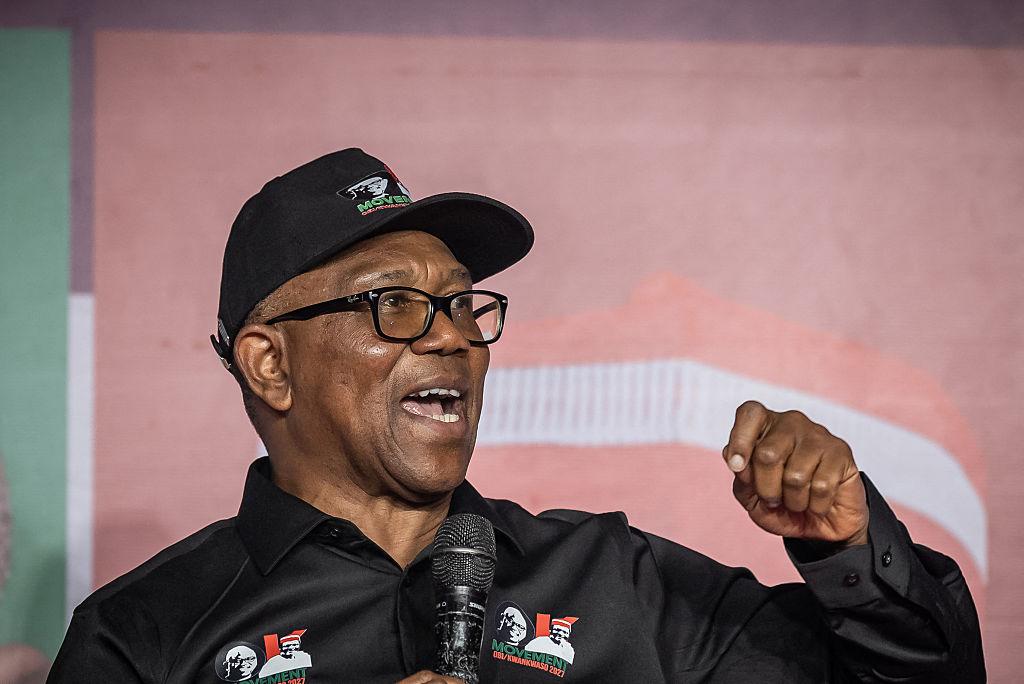
Nigeria Democratic Congress presidential candidate Peter Obi has used Nigeria’s 66th Independence Anniversary to call for what he described as honest and sober reflection on the state of the country. In his Independence Day address in Abuja on Thursday, October 1, 2026, Obi raised concerns about poverty, insecurity, unemployment, hunger, education and healthcare while outlining priorities he said his administration would pursue if elected president.
Nigeria Democratic Congress presidential candidate Peter Obi has called on Nigerians to reflect on the country’s progress and challenges as the nation marks 66 years of independence.
Speaking in Abuja on Thursday, October 1, Obi said Independence Day should be an opportunity not only to celebrate Nigeria’s sovereignty but also to assess whether the country is delivering security, economic opportunity and improved living standards for its citizens.
Obi acknowledged the sacrifices of Nigeria’s founding leaders and successive generations who contributed to the country’s development, but argued that the nation’s considerable human and natural resources have yet to translate into sufficient improvements in the lives of many Nigerians.
OBI RAISES CONCERNS OVER POVERTY AND HUNGER
A major part of Obi’s address focused on economic hardship.
He cited poverty, unemployment, food insecurity and the rising cost of living among the challenges requiring urgent attention.
Obi claimed that more than 140 million Nigerians were experiencing severe economic hardship and warned about the number of people facing hunger. He also raised concerns about millions of children being outside the formal education system.
The figures cited by Obi formed part of his political assessment of the country and should be understood as claims made during his address.
He argued that Nigeria’s central challenge was not an absence of resources but the country’s inability to translate its resources into human development, productivity, security and broadly shared prosperity.
INSECURITY REMAINS CENTRAL TO OBI’S MESSAGE
Obi also addressed terrorism, kidnapping, banditry and other forms of violent crime affecting communities across the country.
He referred to a recent visit to Sokoto State with his running mate, Rabiu Musa Kwankwaso, during which they visited an internally displaced persons camp at Ramin Kura.
Obi said the conditions he witnessed illustrated the consequences of insecurity, particularly for children and families displaced from their communities.
He pledged that security would be a priority of an NDC administration if elected in the 2027 presidential election.
PROMISES ACCOUNTABLE AND MEASURABLE GOVERNANCE
Obi used the address to outline several commitments he said would guide his administration if elected.
He said his government would prioritise security, education, healthcare, employment and economic production.
He also argued for moving Nigeria towards a more production driven economy, with greater emphasis on agriculture, manufacturing, enterprise development and investment in human capital.
Obi said Nigerians should be able to measure the performance of their leaders and pledged that citizens would begin seeing what he described as the tangible impact of effective leadership within his first year in office if elected.
He also said public office should be treated as a responsibility and public trust rather than an opportunity for personal benefit.
OBI SAYS NIGERIANS SHOULD NOT LOSE HOPE
Despite his criticism of the country’s current conditions, Obi said his Independence Day message was intended to emphasise hope rather than despair.
He maintained that Nigeria could overcome its challenges through accountable governance, improved security and policies focused on productivity and citizens’ welfare.
His remarks come as Nigeria enters another politically significant period ahead of the 2027 general election, with political parties and presidential candidates increasingly setting out their competing assessments of the country and proposals for its future.
President Bola Tinubu also addressed Nigerians on Thursday, defending his administration’s economic reforms and arguing that the country was moving from a period of reform towards greater prosperity.
As the political debate develops, the different claims and policy proposals presented by the candidates are expected to remain central to discussions ahead of the election.
Nigeria gained independence from Britain on October 1, 1960.