
PUBLIC TRANSPORT FARES TO RISE 8 PERCENT ACROSS GHANA FROM SATURDAY
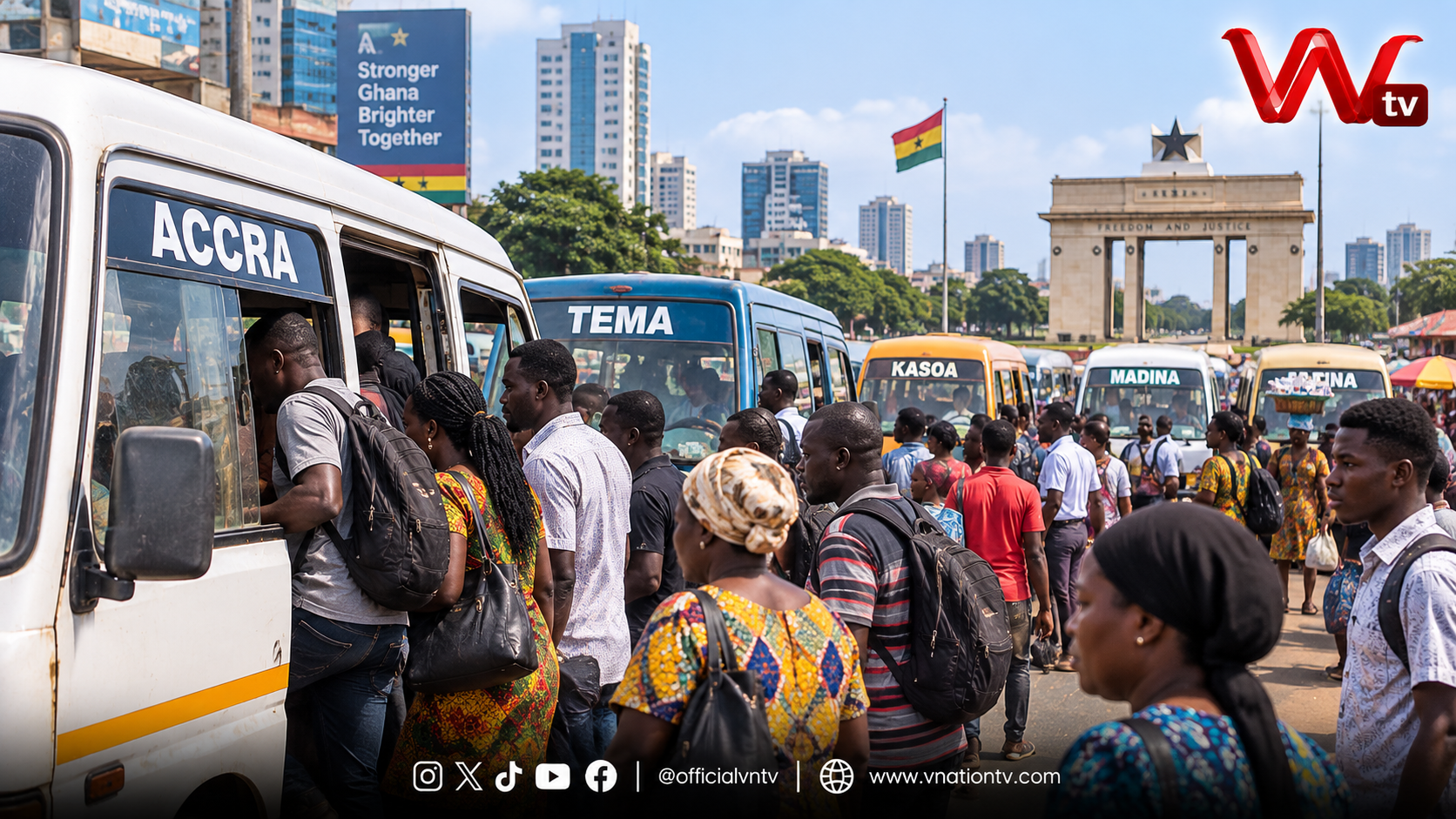
Public transport fares across Ghana will increase by 8 percent from Saturday, September 26, following an agreement between the Ghana Private Road Transport Union and the Ministry of Transport. The agreement comes after weeks of negotiations during which the GPRTU initially demanded a 30 percent increase.
ACCRA, Public transport fares across Ghana are set to increase by 8 percent from Saturday, September 26, 2026, following an agreement between transport operators and the government.
The Ghana Private Road Transport Union confirmed the new adjustment on Tuesday following negotiations with the Ministry of Transport.
The decision means commuters across the country will begin paying higher fares from Saturday as commercial transport operators adjust their approved rates.
The agreement represents a significant compromise from the position previously taken by the GPRTU.
The union initially proposed a 30 percent increase in transport fares, arguing that commercial drivers were facing mounting operating costs caused by higher fuel prices, spare parts, insurance, vehicle maintenance, lubricants and other expenses.
As recently as Tuesday morning, GPRTU Deputy Public Relations Officer Samuel Amoah said the union was pushing for a 30 percent adjustment and would not accept anything below 25 percent.
The government had previously proposed an increase of between 10 percent and 15 percent, according to the GPRTU.
Following further negotiations, however, the two sides agreed on an 8 percent adjustment.
The increase comes amid renewed pressure on transport operators following increases in petroleum prices.
The National Petroleum Authority recently raised its price floor for petrol and diesel, with several Oil Marketing Companies subsequently adjusting prices at the pumps.
Transport operators have argued for weeks that the increases, combined with other expenses associated with running commercial vehicles, have made the existing fare structure increasingly difficult to maintain.
The government, meanwhile, has sought to limit the impact of higher transportation costs on households and the wider economy.
Transport fares are particularly important to Ghana's economy because increases can extend beyond passengers using taxis, trotros and buses.
Higher transportation costs can affect the movement of food and other goods and potentially contribute to broader increases in the cost of living.
The fare adjustment is therefore expected to become a major issue for commuters as the new rates take effect nationwide.
Passengers will have several days to prepare for the increase rather than facing an immediate adjustment following Tuesday's agreement.
The GPRTU has previously stressed that approved fare changes should follow negotiations with the government and that drivers should not independently introduce their own increases.
There have already been reports of some commercial drivers on certain routes charging higher fares before a nationally approved adjustment.
The newly agreed 8 percent increase establishes the official adjustment expected to take effect from Saturday.
Further details on revised fares for individual routes are expected to become clearer as transport unions and operators prepare for implementation.
For millions of Ghanaians who depend on public transport every day, the adjustment will mean higher commuting expenses beginning September 26.