
RECORD 52% OF EUROPE EXPOSED TO VERY STRONG HEAT STRESS THIS SUMMER
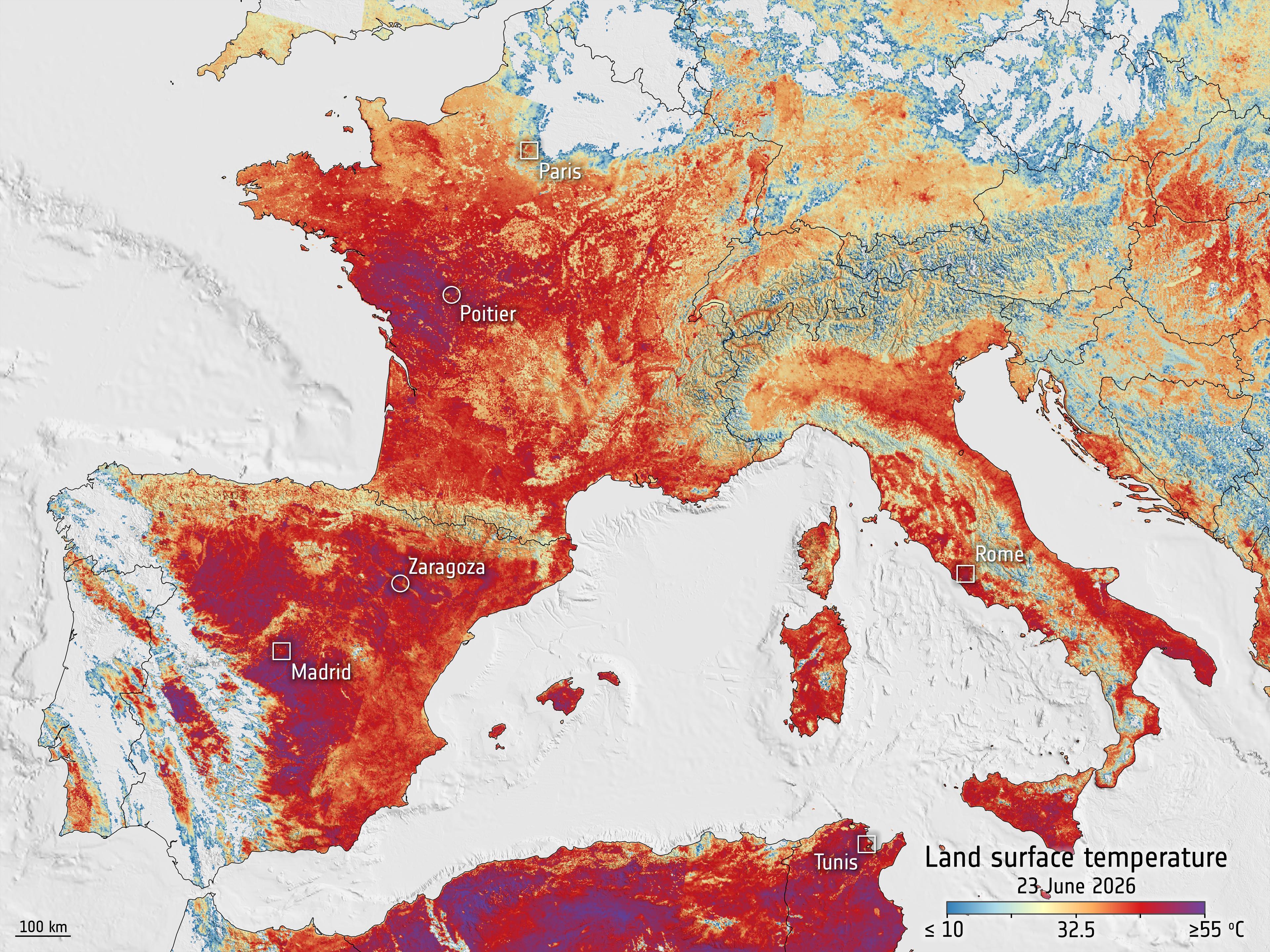
More than half of Europe experienced very strong heat stress during the summer of 2026, the largest share of the continent exposed to such conditions since records began, according to new data from the European Union's Copernicus Climate Change Service. The 52 percent figure means that at some point during the summer, more than half of the continent experienced conditions where the combined effects of temperature, humidity and other environmental factors made the heat feel like at least 38°C. Western Europe experienced its hottest summer on record, while widespread drought contributed to exceptionally low river flows across large parts of the continent.
Europe experienced an unprecedented level of heat stress during the summer of 2026, with 52 percent of the continent exposed to very strong heat stress at some point during the season, according to new data from the European Union's Copernicus Climate Change Service.
The figure is the highest share recorded and provides another measure of how exceptional the summer was beyond conventional air temperature records.
Very strong heat stress is not simply a measurement of the temperature displayed on a weather forecast.
Copernicus uses thermal stress indicators that consider how weather conditions are actually experienced by the human body.
Under its classification, very strong heat stress begins when conditions produce an apparent or feels like temperature of at least 38°C.
That means millions of people across Europe were exposed to conditions capable of placing significant strain on the body's ability to regulate temperature during parts of the summer.
WHAT 52 PERCENT ACTUALLY MEANS
The figure does not mean that 52 percent of Europe remained above 38°C throughout the entire summer.
Instead, it means that 52 percent of the European land area experienced very strong heat stress at least once during the June to August period.
This distinction matters.
A location can experience dangerous heat stress for only part of a day or during a short heatwave and still expose residents, workers and visitors to significant health risks.
Copernicus found that around 80 percent of Europe experienced at least strong heat stress during the summer, corresponding to feels like temperatures above approximately 32°C.
The 52 percent exposed to the more serious very strong category represents the largest geographical extent recorded.
WESTERN EUROPE HAD ITS HOTTEST SUMMER ON RECORD
The heat was particularly severe across western Europe.
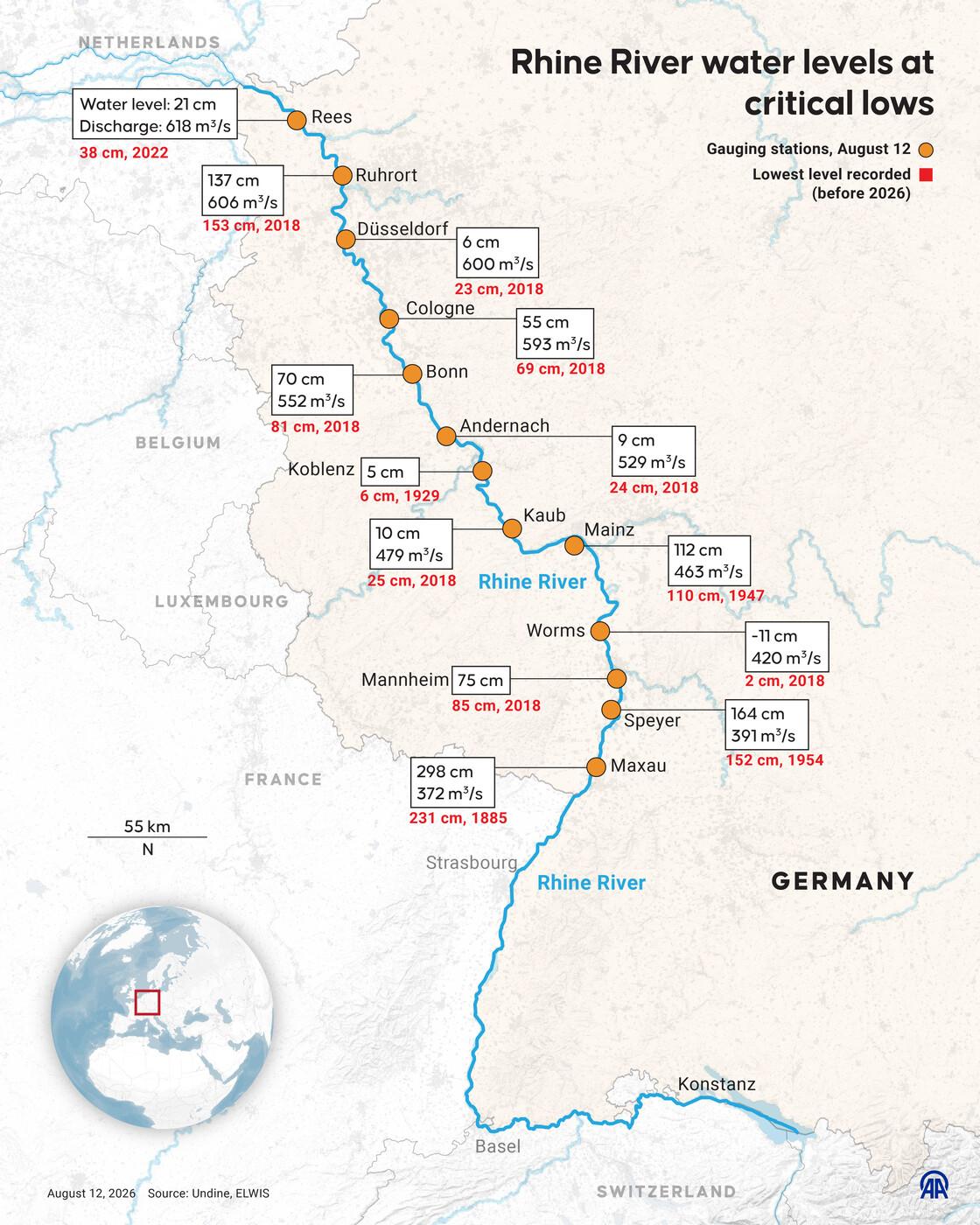
Copernicus data shows that the region experienced its warmest summer since records began, overtaking the long standing record established during the devastating European heatwave of 2003.
The average surface air temperature across western Europe between June and August reached 21.69°C.
That was 2.54°C above the 1991 to 2020 seasonal average.
The geographical footprint of the heat was also extensive.
Average summer temperatures reached their highest levels in the Copernicus ERA5 record across virtually all of England, Wales and Belgium, as well as most of France, Spain, Italy, Switzerland and Austria.
The results are consistent with temperature records reported by national meteorological agencies in several European countries.
EUROPE AS A WHOLE HAD ITS THIRD HOTTEST SUMMER
While western Europe broke its seasonal temperature record, the picture for the entire continent was slightly different.
Summer 2026 was Europe's third warmest on record.
The average European land temperature for June through August was 1.17°C above the 1991 to 2020 average.
Only the summers of 2024 and 2022 were warmer across Europe as a whole in the Copernicus dataset.
This difference illustrates how continental averages can conceal much more extreme regional conditions.
Western and parts of central Europe experienced exceptional warmth, while some northern and eastern areas recorded temperatures closer to or below their seasonal averages.
WHY HEAT STRESS MATTERS MORE THAN TEMPERATURE ALONE
A thermometer does not tell the complete story of how heat affects the human body.
Humidity, wind, sunlight and surrounding environmental conditions influence how efficiently people can cool themselves.
Sweating is one of the body's primary cooling mechanisms. When conditions make evaporation less effective, body temperature can rise even when a person is resting.
This is why heat stress measurements are particularly important for understanding health risks.
Very strong heat stress can contribute to dehydration, dizziness, exhaustion and cardiovascular strain.
At its most severe, prolonged exposure can result in heat stroke, a potentially life threatening medical emergency.
People working outdoors can face particularly high exposure because they may spend hours in direct sunlight while performing physical activity.
Older people, young children and people with existing cardiovascular, respiratory or metabolic conditions can also face increased risks during extreme heat.
THE HEAT DID NOT ARRIVE ONLY IN JULY OR AUGUST
Another notable feature of Europe's 2026 summer was how early extreme temperatures developed.
Parts of Europe experienced unusually intense heat before the traditional peak of the summer season.
Western Europe was affected by exceptionally early and persistent heatwaves that continued through different stages of the season.
The repeated nature of these events matters because communities can sometimes cope with a short period of extreme temperatures more easily than with heat that repeatedly returns.
Successive heatwaves can prevent buildings from cooling properly at night, dry vegetation and soil, increase demand for electricity and place additional pressure on water supplies.
EUROPE'S RIVERS ALSO CAME UNDER PRESSURE
The summer was not only exceptional because of temperature.
Copernicus data also shows widespread dry conditions across western and central Europe, southern Scandinavia and southeastern Europe during the June to August period.
River flows fell significantly across many affected regions.
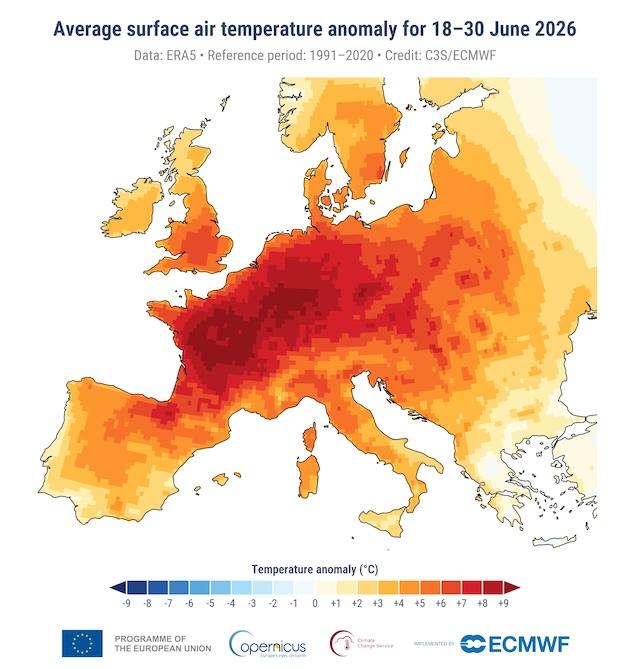
Major waterways including the Rhine and Danube experienced exceptionally low flows during parts of the summer, alongside similar conditions affecting the Southern Bug and Dnieper farther east.
The broader seasonal assessment indicates that European river flows reached their lowest summer levels in more than three decades.
Low river levels can have consequences far beyond the immediate appearance of a river.
WHY LOW RIVER FLOWS MATTER TO THE ECONOMY
Europe's major rivers form part of the continent's economic infrastructure.
The Rhine, for example, is a critical transportation route connecting industrial centres with major ports.
When water levels become too low, cargo vessels may be unable to carry their normal loads because heavily loaded ships sit deeper in the water.
Operators may have to reduce cargo, use additional vessels or rely on alternative forms of transportation.
That can increase costs for businesses transporting fuel, chemicals, raw materials and manufactured products.
Low river flows can also affect agriculture, freshwater ecosystems, hydropower production and industries that depend on large quantities of water.
Power stations can face additional challenges because some facilities rely on river water for cooling.
DROUGHT DEVELOPED ALONGSIDE THE HEAT
Persistent rainfall deficits contributed to unusually dry soils across significant parts of Europe.
Western Europe experienced particularly severe dryness during the early part of the summer before the precipitation deficit shifted farther east as the season progressed.
By July, much of western Europe and large parts of central and eastern Europe were experiencing drier than average conditions.
England and Wales recorded their driest July on record.
Surface soil moisture in western Europe also fell to exceptionally low levels.
The combination of high temperatures, dry vegetation and limited rainfall created conditions favourable to wildfires in several regions.
HEAT AND DROUGHT CAN REINFORCE EACH OTHER
Extreme heat and drought are separate climate hazards, but they can interact.
When soil contains sufficient moisture, some of the sun's energy is used to evaporate water.
As soils dry, less energy is used for evaporation and more can contribute to heating the land and the air immediately above it.
Hotter conditions can then increase evaporation further, worsening existing water shortages.
Dry vegetation also provides fuel that can allow wildfires to ignite and spread more easily.
This interaction helps explain why prolonged periods of heat combined with limited rainfall can have consequences for agriculture, ecosystems, water management and fire risk at the same time.
EUROPE IS WARMING PARTICULARLY QUICKLY
The record heat stress also fits into a longer term trend.
Europe has been identified by climate monitoring organisations as the world's fastest warming continent.
The effects are not expected to appear identically every year.
Natural variations in atmospheric and ocean conditions continue to influence whether individual seasons are unusually hot, cold, wet or dry.
However, the long term warming of the climate increases the likelihood and potential intensity of extreme heat events.
The fact that western Europe's 2003 summer record has now been surpassed is particularly notable.
The 2003 heatwave was once regarded as an extraordinary outlier.
In recent years, unusually warm European summers have become considerably more frequent.
Every western European summer since 2015 has been warmer than the 1991 to 2020 average.
CITIES FACE A PARTICULAR CHALLENGE
Urban areas can experience additional heat because buildings, roads and other hard surfaces absorb energy during the day and release it slowly after sunset.
This phenomenon, commonly known as the urban heat island effect, can prevent densely populated areas from cooling as quickly as surrounding rural locations.
High nighttime temperatures are particularly concerning because the human body receives less opportunity to recover from daytime heat.
For European cities, adaptation increasingly involves more than simply issuing weather warnings.
Authorities are examining measures including additional tree cover, shaded public spaces, cooling centres, building design standards, heat action plans and systems for identifying vulnerable residents during extreme weather.
A HEALTH ISSUE AS WELL AS A CLIMATE RECORD
The 52 percent figure is significant because it translates an abstract climate record into conditions experienced directly by people.
Heat stress affects the body's ability to maintain a safe internal temperature.
For governments, the challenge therefore extends across several sectors.
Health systems must prepare for increased heat related illness.
Employers need to consider the exposure of outdoor workers.
Cities need infrastructure capable of functioning during prolonged heat.
Water authorities must manage declining supplies during drought.
Agricultural producers must cope with simultaneous heat and moisture stress.
Transport and energy networks also need to remain operational as temperatures move beyond conditions for which some older infrastructure was originally designed.
WHAT THE 2026 SUMMER TELLS EUROPE
No single European summer determines the future climate of the continent.
But the 2026 season provides another indication of the conditions governments, businesses and communities may increasingly have to prepare for.
Western Europe experienced its hottest summer in the available record.
More than half of Europe encountered very strong heat stress.
Large areas experienced drought.
Major rivers recorded exceptionally low flows.
Those events occurred together rather than in isolation.
That combination is important because the greatest risks from extreme weather can emerge when several pressures occur simultaneously.
Heat can increase electricity demand while drought reduces water availability. Low rivers can disrupt transportation while agriculture is already struggling with dry soils. Wildfires can intensify while emergency services are responding to heat related health incidents.
The challenge for Europe is therefore increasingly one of resilience as well as temperature.
Future preparations will depend not only on tracking how hot individual summers become, but on ensuring health services, cities, water systems, agriculture, transportation and energy infrastructure can continue functioning when extreme conditions overlap.