RETIRED NIGERIAN DSP QUESTIONS N2.1M GRATUITY AFTER NEARLY 35 YEARS OF POLICE SERVICE
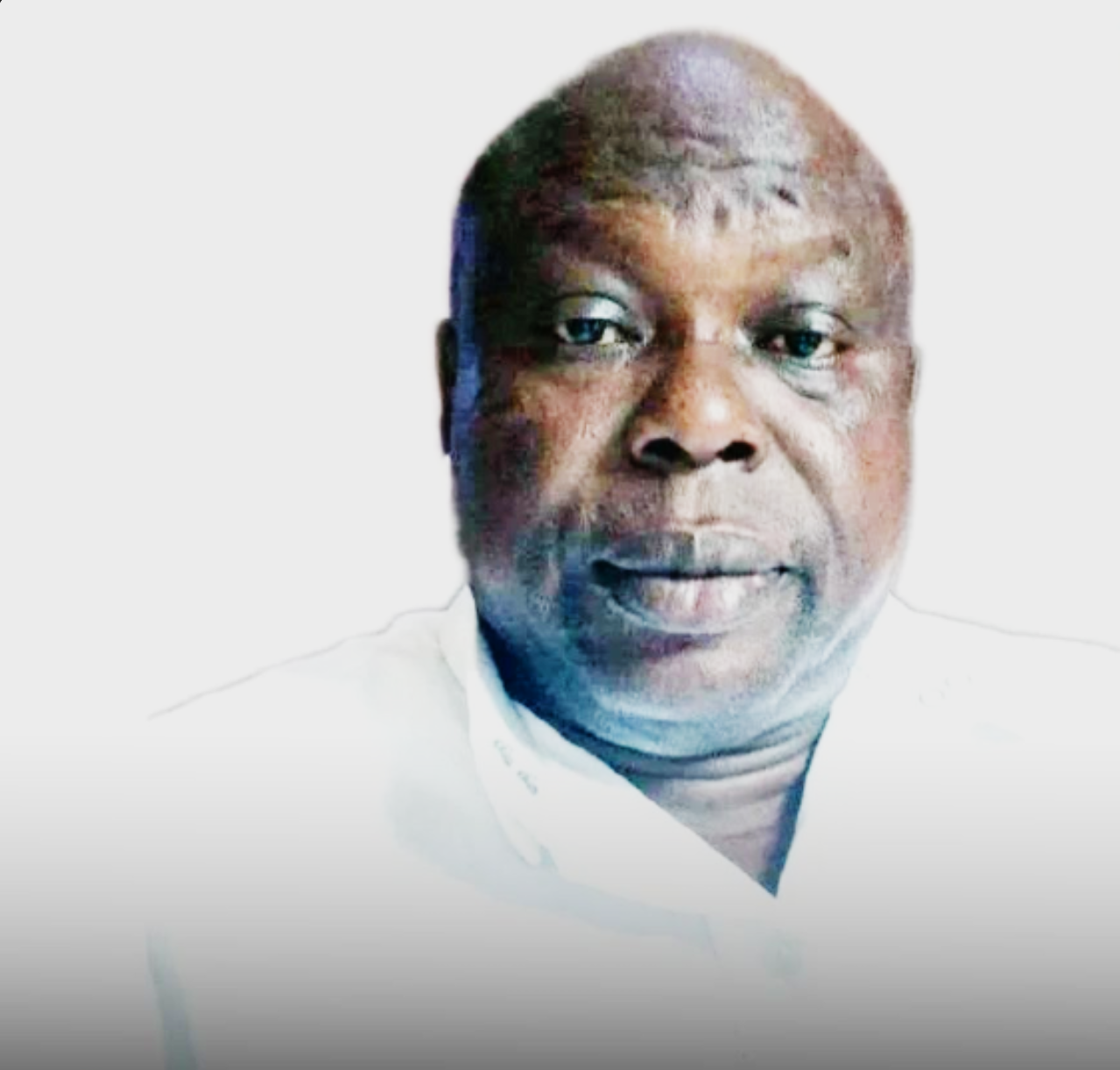
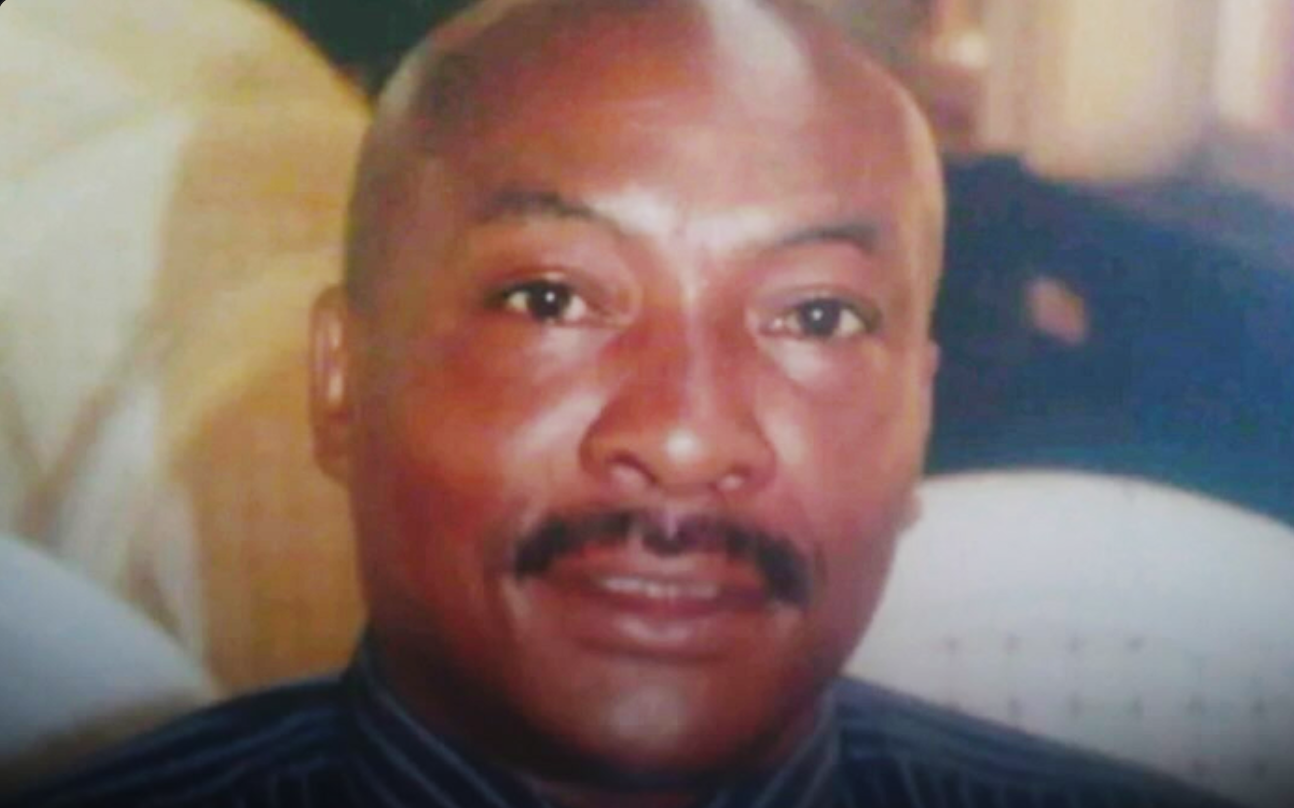
Retired Deputy Superintendent of Police Isiaka Ayole has called on Nigerian authorities to review his retirement benefits after he was informed that his gratuity amounted to N2.1 million following 34 years and nine months in the Nigeria Police Force. Ayole, who retired on June 13, 2026, also says 24 months of pension contributions are missing from the records used to calculate his benefits and has asked PenCom, police authorities and the Federal Government to explain the discrepancy. His case comes as retired police officers continue pressing for major pension reforms and the government considers proposals for significantly enhanced gratuity and monthly retirement benefits.
IBADAN, NIGERIA A retired Deputy Superintendent of Police who served in the Nigeria Police Force for almost 35 years has called on federal authorities to review his retirement benefits after he was informed that his gratuity amounted to N2.1 million and that 24 months of pension contributions were missing from the records used to calculate his entitlement. Isiaka Ayole, who retired on June 13, 2026, after reaching the mandatory retirement age of 60, said he was shocked by the amount and wants the National Pension Commission, the police leadership and the Federal Government to explain what happened to the missing contributions before accepting that the payment represents the full benefit due to him after more than three decades in uniform.
Ayole’s case has emerged at a particularly sensitive moment for Nigeria’s police pension system, with serving and retired officers continuing to press the government for major changes to retirement benefits under the Contributory Pension Scheme. The retired officer said he spent 34 years and nine months in the force, beginning as a constable in 1991 and rising through corporal, sergeant, inspector and senior ranks before leaving as a Deputy Superintendent of Police. During those years, he served in multiple commands and specialized units, including anti-robbery operations, and said he had expected his retirement package to provide meaningful financial support after dedicating most of his working life to public service.
According to Ayole, his concern began when he was invited to a police pension office in Eleyele, Ibadan, where he was shown documentation indicating that his gratuity was N2.1 million. He said he initially struggled to understand how a benefit at that level could result from nearly 35 years of service and asked officials for an explanation. He was subsequently told that 24 months were missing from the pension remittances reflected in the calculation, a gap he says he cannot explain because his postings and service during the period were determined by the Nigeria Police Force rather than by him personally.
Ayole said he was advised that the missing funds might be connected to payroll records maintained through the Integrated Payroll and Personnel Information System and was told to submit a written complaint. He said he did so in October but had not received a response by the time he publicly discussed the matter. He has not alleged that any named official stole the money and there is no independently verified evidence at this stage establishing why the 24 months were absent, whether the contributions were never deducted, deducted but not remitted, misclassified or simply omitted from the records presented to him. His central demand is for the relevant agencies to reconcile the records and explain the basis of the N2.1 million calculation.
The distinction matters because gratuity, monthly pension, accrued pension rights and balances in a Retirement Savings Account are not necessarily the same benefit under Nigeria’s pension framework. Ayole has described the N2.1 million figure as his gratuity and has separately questioned the missing contribution period. Public discussion of police retirement benefits is frequently complicated by the use of the terms pension and gratuity interchangeably, but the Contributory Pension Scheme operates through individual Retirement Savings Accounts funded by employee and employer contributions, while additional gratuity or exit benefits may be provided separately under government arrangements. Any final determination of whether Ayole was underpaid would therefore require access to his detailed contribution history, final salary records, retirement documentation and the formula applied to his benefit.
His account nevertheless highlights a recurring complaint among retired Nigerian police officers who say the pension system has left many former personnel with benefits they consider inadequate after decades of service. Retirees have repeatedly argued that their work exposes them to risks comparable to those faced by other security institutions while their post-service benefits remain less favorable. Those concerns have fueled sustained demands for the Nigeria Police Force to be removed from the Contributory Pension Scheme entirely and placed under a separate arrangement similar to systems available to some other security services.
Ayole’s own police career began after several years of difficulty securing employment. He attended Government Technical College in Ile-Ife and completed his studies in 1985 before working in Oyo State between 1986 and 1989. After returning to Ibadan, he learned of a police recruitment exercise, applied and joined the force in 1991. His career later took him through postings in Oyo, Lagos, Ondo and Zamfara states, among other assignments, reflecting the mobility expected of officers whose deployment can change according to operational needs.
He recalled joining the Special Anti-Robbery Squad in Ibadan in 1995 under the late Ayo Ogunleye before leaving Oyo State for Lagos in 1999, where he participated in multiple operations and investigations. Ayole later served in the Ondo State Special Intervention Squad and said he was at one stage assigned to head a unit in Ondo town before transfers took him to Alagbon in Lagos and eventually Zamfara State. He said he spent about a month in Zamfara before falling ill and later returning to the South-West.
Throughout the interview in which he raised his pension complaint, Ayole repeatedly returned to the same concern: how he would support himself after retirement. He said he had spent years pursuing armed robbery suspects and handling other security assignments and believed that officers who devote their working lives to policing should not reach retirement uncertain about their basic financial security. His appeal was directed not only at pension administrators but also at the Inspector-General of Police and President Bola Tinubu, whom he urged to consider the wider welfare conditions facing retired officers.
The timing of his complaint is significant because the Federal Government has already acknowledged the scale of dissatisfaction among police retirees. In October, the Ministry of Police Affairs said it remained committed to addressing pension and welfare concerns and confirmed that the issue of whether the Nigeria Police Force should leave the Contributory Pension Scheme was still under consideration. The ministry said any transition to a different arrangement would require legal, fiscal and executive decisions and indicated that it had communicated the concerns of retired officers to the presidency.
The Police Retired Officers Forum has continued to advocate complete withdrawal of the force from the current scheme, arguing that low retirement payments, rising living costs and healthcare expenses have left many former officers vulnerable. The group has also called for the creation of a dedicated police pension board and has compared the treatment of police retirees with arrangements available to other security institutions. The Federal Government, however, has not completed such an exit, and the Nigeria Police Force remains within the Contributory Pension Scheme as of November 2026.
The National Pension Commission has taken a different approach, arguing that the concerns raised by police personnel can be addressed by improving benefits without dismantling the contributory structure. Earlier in 2026, PenCom discussed proposals that would significantly enhance police retirement packages, including a monthly pension equivalent to an officer’s final salary and a gratuity linked to annual emoluments. Those proposals were aimed at reducing the disparity that has driven repeated demands for withdrawal from the scheme.
More recently, Inspector-General of Police Olatunji Disu has backed a proposal for gratuity equivalent to 200 percent of annual emoluments for eligible retirees, alongside improved pension benefits. The proposal is being considered by a presidential committee involving the Ministry of Finance, the Office of the Accountant-General of the Federation, the National Salaries, Incomes and Wages Commission, the Budget Office and PenCom. The plan has not yet resolved all disputes over police pensions, but it signals that authorities recognize the political and welfare pressures generated by the existing system.
Nigeria’s Contributory Pension Scheme requires contributions to an individual Retirement Savings Account managed by a Pension Fund Administrator. Under the statutory structure, the employer contributes at least 10 percent of qualifying monthly emoluments while the employee contributes 8 percent, although employers may choose to contribute more. Police personnel are covered by the scheme, unlike members of certain institutions such as the Armed Forces, intelligence services and judicial officers who fall within categories exempted under existing pension law.
That difference has been at the center of police agitation for years. Retired officers have argued that policing exposes personnel to violence, occupational stress and frequent transfers that can disrupt family life and employment planning, yet those sacrifices are not reflected adequately in retirement benefits. Critics of a police exit from the contributory system, however, have warned that transferring the force to a fully government-funded defined benefit model could create large long-term liabilities and potentially return the sector to a system vulnerable to delayed pension payments and budget shortfalls.
Ayole’s complaint also raises a narrower but equally important issue concerning missing remittances. Under a contributory pension system, incomplete contribution records can directly affect the balance available to a retiree and complicate the calculation of benefits. Employers are expected to remit required contributions, while pension administrators maintain account records showing deposits and investment returns. Where a retiree identifies missing months, resolving the discrepancy requires determining whether contributions were deducted from salary, whether the employer transmitted them, whether the payroll system recorded the officer correctly and whether the Pension Fund Administrator credited the funds to the proper account.
Previous legal disputes have underscored the demand for greater transparency. In 2023, Nigeria’s National Industrial Court ordered PenCom and Nigeria Police Force Pensions Limited to provide retired officers with the detailed template used to calculate their pension and gratuity benefits after a group of retirees challenged the lack of clarity surrounding their payments. The court directed that the retirees be shown the formula applied to their entitlements, reflecting a wider concern among former officers that retirement calculations should be sufficiently transparent for beneficiaries to understand how final figures are reached.
Ayole said he signed the retirement documents presented to him despite his dissatisfaction because he feared that refusing to sign might cause further delays. He maintained, however, that his signature should not be interpreted as acceptance that the amount was correct. He said he wanted officials to explain why two years of contributions appeared to be absent and why his nearly 35 years of service resulted in the figure he was shown.
He also said limited personal finances had made it difficult for him to pursue the complaint through repeated travel or administrative follow-up. According to Ayole, some former colleagues warned him that written petitions might not receive prompt responses, but he nevertheless appealed directly to the leadership of PenCom and the Nigeria Police Force to investigate. He described his case as a question of fairness rather than political confrontation and said he wanted the government to determine what he was properly entitled to receive.
No public response from PenCom, the Nigeria Police Force, NPF Pensions Limited or the payroll authorities addressing Ayole’s individual case had been identified at the time of publication. That means his assertion that 24 months of contributions are missing remains a claim based on the records and explanations he says were presented to him and has not yet been independently reconciled by the institutions responsible. It would therefore be premature to conclude that N2.1 million is definitively incorrect or that funds were improperly withheld until the relevant authorities examine the underlying records.
What is already established, however, is that Ayole’s complaint comes amid a wider national debate over whether current police retirement benefits provide adequate protection after decades of service. The government’s consideration of enhanced gratuity and pension proposals, the repeated protests and lobbying by retired officers and PenCom’s efforts to redesign benefits all point to an acknowledged policy problem that extends beyond one retiree. Rising inflation and Nigeria’s wider cost-of-living pressures have added urgency to those concerns because fixed retirement payments can lose purchasing power rapidly even when the underlying calculation complies with existing rules.
Ayole’s case now presents authorities with two separate questions. The first is administrative and specific: whether his contribution history is complete and whether his N2.1 million gratuity was calculated using accurate records. The second is much broader: whether a system capable of producing retirement payments that long-serving officers regard as inadequate can continue without deeper reform. Resolving the first will require a detailed reconciliation of his payroll and pension records, while resolving the second will depend on decisions currently being considered by the presidency, police authorities, lawmakers and pension regulators.
For Ayole, those larger policy discussions remain secondary to the immediate uncertainty surrounding his own retirement. After entering the police as a young constable in 1991 and leaving as a Deputy Superintendent nearly 35 years later, he says he wants a clear accounting of the contributions made on his behalf and an explanation of how his final entitlement was reached. Until that review takes place, the N2.1 million figure will remain at the center of his dispute with the retirement system and a highly personal example of the broader frustration driving calls for Nigeria to rethink how it supports police officers after service.