
SAUDI ARABIA SHUTS KEY OIL PIPELINE AFTER DRONE ATTACK LAUNCHED FROM IRAQ
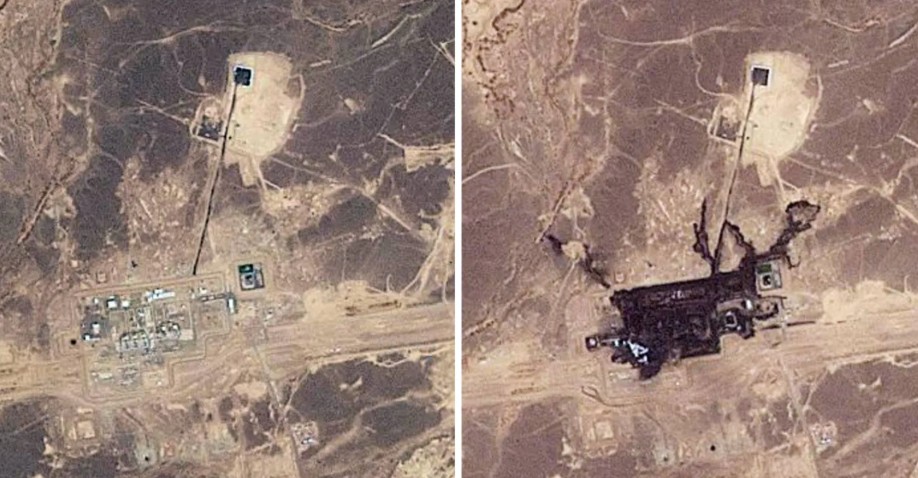
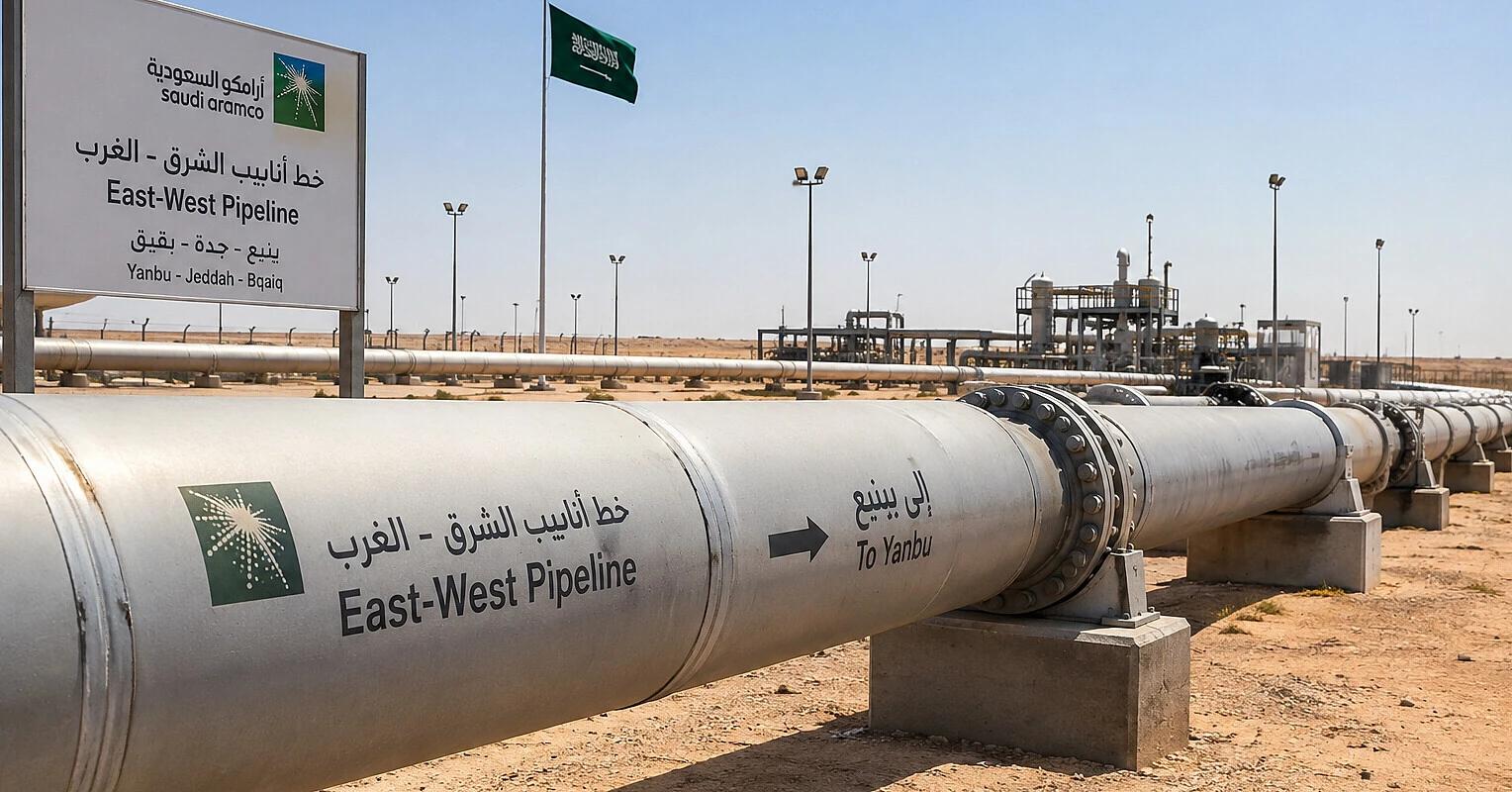
Saudi Arabia has shut a key oil pipeline following a drone attack that Iraqi authorities say originated from Maysan governorate. The attack comes as Houthi forces make major gains along Yemen's Red Sea coast, adding pressure to regional energy supplies as crude oil prices climb above $100 per barrel.
Saudi Arabia has shut down a key oil pipeline following a drone attack that authorities say was launched from neighbouring Iraq, adding fresh pressure to regional energy infrastructure as tensions intensify across the Middle East.
The attack prompted a strong warning from Riyadh, which said it reserved the right to take measures necessary to defend the kingdom, its critical infrastructure and its population.
"The Kingdom of Saudi Arabia affirms that it reserves its right to take all necessary measures to safeguard its sovereignty and security, protect its facilities, and ensure the safety of its citizens and residents," Saudi authorities said.
The development comes at a particularly sensitive moment for global energy markets, with instability affecting strategic oil and shipping routes on both sides of the Arabian Peninsula.
IRAQ CONFIRMS DRONE ORIGINATED FROM MAYSAN
Iraqi authorities said an investigation established that the drone involved in the attack was launched from Maysan governorate, an Iraqi province bordering Iran.
Following the finding, the office of Iraq's prime minister announced that the operations commander responsible for the governorate had been removed from his position.
The incident increases pressure on Baghdad to prevent Iraqi territory from being used by armed groups to launch attacks against neighbouring countries.
Saudi Arabia has previously accused Iran aligned militias operating in Iraq of launching drones targeting its oil infrastructure.
Riyadh has also previously participated alongside the United States in strikes against Iran backed armed groups in Iraq following attacks on Saudi energy facilities.
GULF STATES CONDEMN ATTACK
The Gulf Co-operation Council condemned the latest attack and described it as a dangerous escalation threatening Saudi Arabia's sovereignty and vital infrastructure.
The GCC represents Saudi Arabia, the United Arab Emirates, Bahrain, Oman, Qatar and Kuwait.
GCC Secretary General Jasem Mohamed Albudaiwi said the attack represented an unacceptable threat to Saudi Arabia's territorial integrity and critical facilities.
The regional organisation also described the incident as a violation of international law.
HOUTHI ADVANCE PUTS MORE PRESSURE ON SAUDI ARABIA
The pipeline attack comes as Saudi Arabia faces another rapidly developing security challenge to its south.
Iran aligned Houthi forces in Yemen have made significant territorial gains along the Red Sea coast, including the seizure of the strategic port city of Mokha.
The Houthis have also claimed control over the Bab al Mandab Strait, the maritime gateway connecting the Red Sea with the Gulf of Aden and ultimately the Suez Canal.
The group has said international maritime navigation remains safe for companies other than Saudi vessels.
Mokha lies approximately 80 kilometres north of Bab al Mandab, making the city's capture strategically significant for control of Yemen's western coastline.
The Houthi offensive has forced some residents to flee toward Aden, where Yemen's internationally recognised government and Presidential Leadership Council are based.
Reports have also indicated that government forces carried out air strikes against Houthi positions in Taiz and Ibb governorates as fighting intensified.
OIL PRICES RISE ABOVE $100
The simultaneous security threats around the Arabian Peninsula are adding pressure to international oil markets.
Crude oil prices have risen above $100 per barrel for the first time since July as traders assess the potential impact of attacks on Saudi energy infrastructure and instability around critical maritime routes.
The situation is particularly significant because Saudi Arabia is one of the world's largest oil exporters.
Disruption to pipelines, production facilities or export routes could further tighten global supplies if the regional conflict continues to escalate.
The Houthi advance around Bab al Mandab also presents additional risks for international shipping through the Red Sea and Suez Canal route.
With Saudi energy infrastructure facing attacks from the north and Houthi forces strengthening their position to the south, attention is increasingly focused on whether the latest developments could trigger a broader military response from Riyadh and its allies.
Saudi Arabia has not specified what measures it may take following the drone attack but has made clear that it considers the protection of its territory and energy infrastructure a national security priority.