SOKOBAN MATTRESS FACTORY FIRE KNOCKS OUT POWER AS ECG ENGINEERS BEGIN RESTORATION
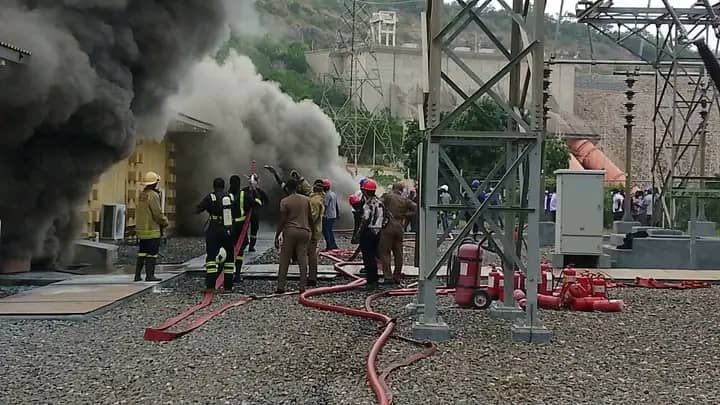
A major fire at the Quality Foam mattress facility at Sokoban Ampayoo in Kumasi destroyed mattresses and affected production areas before damaging a high tension electricity pole. No casualties have been reported. ECG engineers are now working to restore power to Sokoban, Ampeyoo, Asaago, Apaaso and nearby communities while fire investigators work to determine the cause of the blaze.
A major fire at a mattress production facility at Sokoban Ampayoo in Kumasi has destroyed large quantities of mattresses, damaged parts of the industrial facility and triggered power outages across several nearby communities after the flames affected a high tension electricity pole. Emergency crews brought the blaze under control while Electricity Company of Ghana engineers moved into the area on Saturday to repair the damaged network and restore supply to affected customers.
The fire broke out on Friday, October 9, at the Quality Foam facility near Kumasi Hospital in the Ashanti Region. Flames spread rapidly through sections containing mattresses and production equipment, producing thick smoke and prompting residents and workers in surrounding businesses to rush to protect nearby property. A commercial garage close to the facility became an immediate concern as people moved vehicles away from the area out of fear that the fire could spread.
Personnel from the Ghana National Fire Service later arrived and worked to contain the blaze before it could cause further destruction to adjoining properties. Management of the company confirmed that no casualties had been recorded as of the latest update. The facility was reportedly closed when the fire began, with only security personnel expected to be present after working hours.
One of the company’s directors, Dr Samuel Asante, said the affected facility contains machinery used in mattress production and that the full financial cost of the damage could not yet be determined. He said technical experts would need to assess the factory after firefighters complete their work and authorities declare the premises safe for inspection.
Initial reports described the affected area as a showroom, but company officials later clarified that production equipment was also housed within the premises. A showroom section reportedly remained standing, although parts of the building were opened during the emergency so finished products could be removed before flames reached them.
The cause of the fire remains unknown. Authorities have not announced a preliminary finding and the Ghana National Fire Service is expected to investigate the circumstances surrounding the outbreak. Officials have also not provided an estimate of the value of mattresses, machinery and structural property destroyed.
The incident developed into a wider infrastructure problem after the fire damaged an electricity installation serving communities around Sokoban Ampayoo. ECG said a high tension pole was burnt during the fire, disrupting supply to parts of Sokoban, Ampeyoo, Asaago, Apaaso and surrounding communities.
ECG’s Ashanti West Region said engineers had been deployed to rectify the fault and restore electricity to customers affected by the disruption. The company apologized for the inconvenience and said restoration work was continuing on Saturday.
The power problem underscores how industrial fires can create consequences beyond the property where the blaze begins. Damage to electricity infrastructure can interrupt homes, businesses, hospitals and other essential services even after firefighters have brought the flames under control.
For businesses around Sokoban, the outage adds another layer of disruption following the fire itself. Commercial operators in the area depend heavily on electricity for refrigeration, machinery, communications and routine trading, meaning prolonged restoration work could increase the economic impact of the incident.
The Sokoban blaze was also followed by another fire in Kumasi later on Friday. A separate outbreak was reported at the Kumasi Central Market near Aboabo Station only hours after the mattress facility fire, forcing another deployment of firefighters. The cause and extent of damage from that incident were still being assessed.
Two significant fires in the city within a short period have renewed concerns about fire prevention, emergency access and the vulnerability of commercial and industrial properties to rapid fire spread. Mattress factories present particular challenges because foam and other combustible materials can allow flames to intensify quickly and produce dense smoke.
Investigators are expected to examine electrical systems, machinery, storage conditions and other possible ignition sources at the Sokoban facility before determining what caused the outbreak. Until that process is completed, any claim about the origin of the fire would remain speculative.
Residents who initially responded before emergency teams arrived were reported to have attempted to contain the flames while others concentrated on removing vehicles and valuable property from nearby premises. Their actions helped limit exposure at the adjacent commercial garage, although firefighters remained responsible for fully bringing the situation under control.
The company now faces the task of determining how much production capacity has been lost. If key machinery suffered extensive damage, the economic consequences may continue well beyond the immediate destruction of mattresses and building materials.
The impact could also extend to employees, suppliers and distributors depending on how long production remains interrupted. Foam manufacturing, mattress assembly, transport and retail distribution all rely on continuous factory operations, meaning a lengthy shutdown could affect businesses beyond the Sokoban site itself.
Authorities have not announced when the facility could resume operations. That decision will likely depend on structural inspections, fire investigations, insurance assessments and the condition of machinery inside the affected sections.
ECG’s restoration work has meanwhile become the immediate priority for surrounding communities. The company confirmed that the outage was directly connected to the fire damaged high tension pole rather than an unrelated network problem, and engineers are working to repair the affected infrastructure.
Customers in Sokoban, Ampeyoo, Asaago, Apaaso and nearby areas have been asked to remain patient while the repairs continue. ECG has not publicly given a firm restoration time, meaning households and businesses are waiting for further updates from the Ashanti West regional team.
The absence of casualties remains the most positive development from an incident that caused substantial property destruction and threatened neighboring businesses. The fire began after normal working hours, which may have limited the number of people inside the facility when flames spread.
Attention will now turn to three issues: identifying the cause, determining the full value of damage and restoring power to all affected communities. Investigators will also need to establish whether existing fire protection systems at the facility functioned as intended and whether any additional safety measures are required before operations resume.
For ECG, the damaged high tension infrastructure must be repaired safely before normal electricity service can be restored. For Quality Foam, the more difficult challenge will be assessing the condition of production machinery and deciding how quickly manufacturing can restart.
The Sokoban Ampayoo fire has therefore moved beyond an isolated factory emergency into a wider community and infrastructure incident. Firefighters have contained the immediate danger and ECG engineers are working on the electricity network, but the cause of the blaze, the total financial loss and the timeline for full restoration remain unresolved.