

SPAIN MOVES TO JAIL PEOPLE WHO CARRY OUT LGBTQ CONVERSION PRACTICES FOR UP TO TWO YEARS
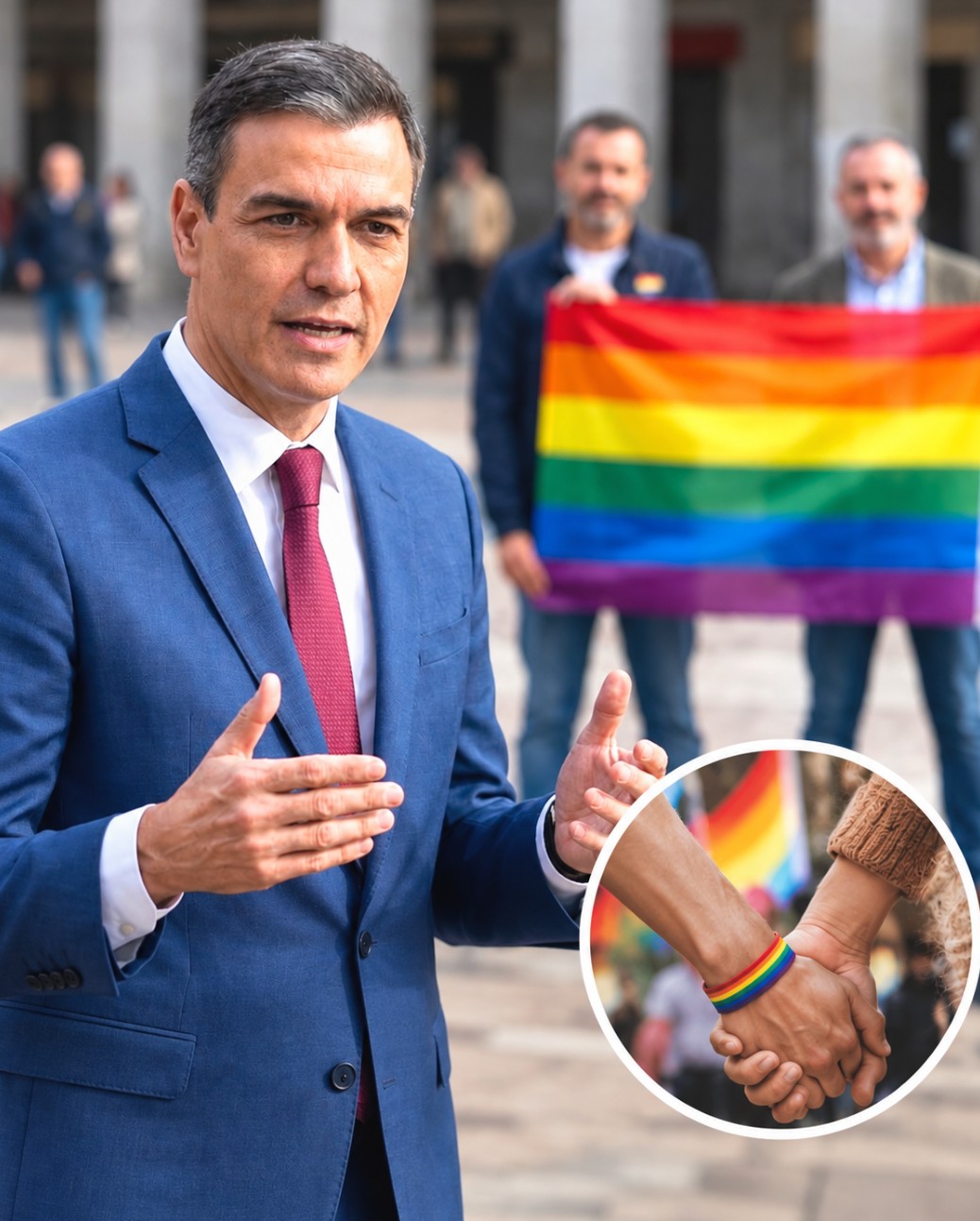
Spain has moved closer to making LGBTQ conversion practices a criminal offence punishable by imprisonment after the country's Congress of Deputies approved a major reform of the Criminal Code.
The proposed legislation would impose prison sentences ranging from six months to two years on people who carry out qualifying practices intended to modify, repress, eliminate or deny a person's sexual orientation, sexual identity or gender expression.
The measure was approved by Spain's lower house on June 25, 2026, receiving 178 votes in favour, 32 against and 138 abstentions.
However, the legislation has not yet completed the parliamentary process.
It was subsequently sent to the Spanish Senate, where it remains under consideration.
CONSENT WOULD NOT PROVIDE A LEGAL DEFENCE
One of the most significant provisions of the proposed law concerns consent.
Under the text approved by Congress, qualifying conversion practices could still constitute a criminal offence even when the person undergoing them, or their legal representative, has consented.
The legislation covers psychological, physical, pharmaceutical and other methods intended to change or suppress sexual orientation, sexual identity or gender expression where the conduct harms physical or mental health, bodily integrity or seriously damages a person's moral integrity.
Those convicted could face between six months and two years in prison alongside financial penalties.
TOUGHER PUNISHMENT IN SERIOUS CASES
The legislation provides for tougher punishment when aggravating circumstances are present.
These include cases involving minors.
Higher penalties could also apply where violence, intimidation or deception is used, where someone abuses a position of superiority or the vulnerability of the victim, where an organisation conducts the practices, or where they are performed for financial gain.
Spain already has legislation restricting conversion practices and providing administrative sanctions.
The proposed Criminal Code reform would significantly increase the consequences by introducing potential criminal convictions and imprisonment.
BILL HAS NOT YET BECOME LAW
Despite reports suggesting Spain has already introduced the new prison sentences, the legislation has not yet completed its journey through Parliament.
After approval by the Congress of Deputies, the proposal was sent to the Senate.
The Spanish Senate currently lists the legislation as pending amendments and proposals for veto.
If the legislation successfully completes the remaining parliamentary process and is formally published, it would enter into force the day after publication in Spain's official state gazette.
The debate represents another major development in Spain's LGBTQ rights legislation and is also expected to generate discussion surrounding personal autonomy, religious freedom, parental rights and the limits of criminal law.
VNTV