TANZANIA COURT ACQUITS OPPOSITION LEADER TUNDU LISSU OF TREASON, SENTENCES HIM TO FOUR YEARS FOR INCITEMENT
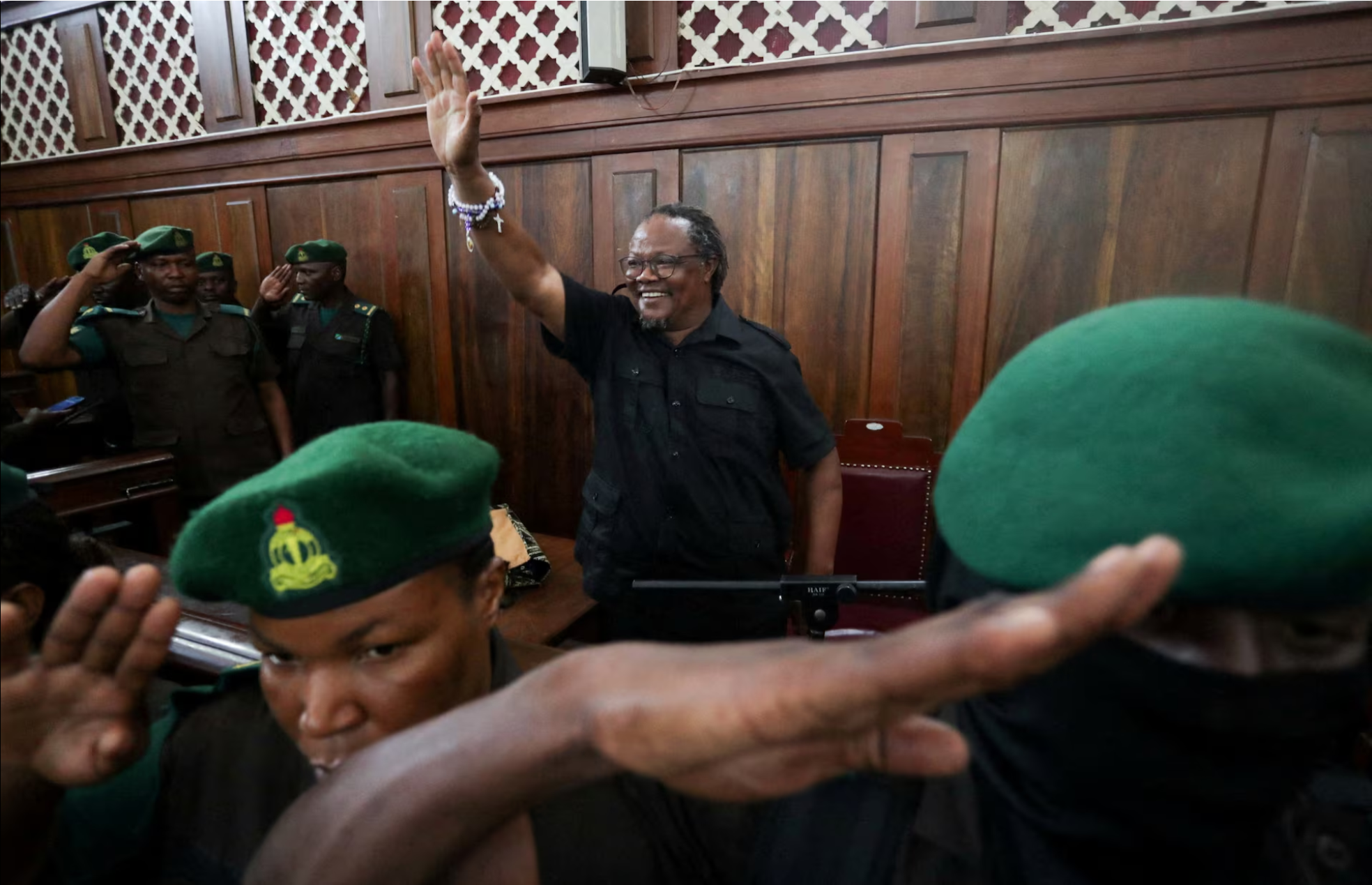
Tanzania’s High Court has acquitted CHADEMA leader Tundu Lissu of treason but convicted him of incitement and sentenced him to four years in prison. The judges ruled that prosecutors failed to prove he intended to intimidate the government, but found that his statements urging people to disrupt the 2025 election amounted to incitement. Lissu’s party says he plans to appeal.
A Tanzanian court has acquitted opposition leader Tundu Lissu of treason but sentenced him to four years in prison after convicting him of the lesser offence of incitement, bringing a major development in a politically sensitive case that has drawn international attention to the country’s democratic institutions and treatment of opposition figures. The High Court delivered its ruling in Dar es Salaam on Friday, November 6, 2026, rejecting the prosecution’s attempt to establish the treason charge while finding that Lissu’s statements about disrupting the 2025 general election amounted to incitement.
The three-judge panel, led by Justice Dunstan Ndunguru, ruled that prosecutors had failed to prove a key element required to establish treason: that Lissu intended to intimidate the government. However, the judges concluded that the prosecution had established the elements of the lesser offence of incitement under Section 390 of Tanzania’s Penal Code. The court relied on Section 319 of the Criminal Procedure Act, which allows a judge to convict an accused person of a lesser offence where the evidence supports that finding, even if it was not separately listed in the original charge sheet.
The ruling means Lissu has avoided a treason conviction, an offence that carried the possibility of the death penalty under Tanzanian law, but he will remain in prison following the four-year sentence. The court said the prosecution had established that his remarks were intended to mobilise people to prevent or disrupt the 2025 general election. Lissu had denied wrongdoing throughout the proceedings, maintaining that his statements did not constitute a criminal offence and describing the case as politically motivated.
The case originated from a speech in which prosecutors alleged that Lissu urged supporters to “block the election” and “mobilise rebellion”. The remarks were made amid his campaign for electoral reforms and calls for changes to the political system before the October 2025 vote. Prosecutors argued that the statements went beyond ordinary political criticism and amounted to an attempt to disrupt the electoral process and incite unrest.
Lissu, however, rejected the interpretation presented by the prosecution. His defence maintained that his remarks were part of legitimate political advocacy and that calling for electoral reforms or opposing an election process did not amount to treason. The opposition leader had pleaded not guilty to the original charge and repeatedly criticised the prosecution, arguing that the case was designed to prevent him from participating fully in the country’s political process.
The court’s decision to acquit him of treason while convicting him of incitement has therefore created two distinct legal outcomes. The prosecution failed to establish the more serious offence, but the judges concluded that a lesser offence had been proved. The defence and opposition party have questioned the legal basis of the conviction, particularly because incitement was not the principal charge on which Lissu had originally been prosecuted. CHADEMA spokesperson Brenda Rupia indicated that the party intended to challenge the outcome, with Reuters reporting that Lissu planned to appeal.
Lissu is the chairman of CHADEMA, Tanzania’s main opposition party, and one of the country's most prominent critics of the ruling political establishment. He was arrested in April 2025 and charged with treason following the controversy surrounding his calls for electoral reforms. His detention continued through the October 2025 general election, during which CHADEMA was disqualified from participating after the party refused to sign an electoral code of conduct that it said failed to address its demands for reforms.
The opposition party’s exclusion and Lissu’s arrest became major sources of political tension ahead of the election. Critics argued that the circumstances surrounding the vote raised questions about political competition and the ability of opposition parties to operate freely. The government and electoral authorities maintained their position on the election process, while CHADEMA continued to demand reforms it considered necessary for credible and competitive elections.
The election was followed by widespread protests and deadly violence in several parts of Tanzania. Security forces confronted demonstrators, and reports of deaths and injuries emerged from multiple cities. The scale of the violence became a major national and international concern, prompting calls for investigations and accountability.
A commission appointed by President Samia Suluhu Hassan reported in April 2026 that at least 518 people had died during the unrest. The commission attributed the deaths to actions by protesters, while human rights organisations accused security agencies of using excessive force against demonstrators. The government rejected allegations of a security crackdown and disputed accounts that blamed state forces for the violence. The different accounts of what happened during the protests remain an important point of contention in the country’s political debate.
Lissu’s case became closely connected to those wider concerns because his arrest, the exclusion of CHADEMA from the election and allegations of abductions targeting government critics were among the issues cited by opposition groups and rights organisations as evidence of deteriorating political conditions. The government has rejected accusations that it systematically represses political opponents, but international observers have continued to scrutinise developments surrounding political freedoms, electoral competition and the conduct of security agencies.
The opposition leader’s personal history has also made the case particularly prominent. In September 2017, Lissu survived an assassination attempt in which he was shot 16 times while serving as a member of parliament. He underwent extensive medical treatment outside Tanzania and spent several years in exile before returning to the country in 2023, following a period in which President Hassan eased some of the restrictions on political activity imposed under her predecessor, John Magufuli.
No one has been charged in connection with the 2017 attack. Lissu has continued to raise questions about political violence and accountability, and his return initially appeared to signal a more open period for opposition politics. However, relations between the government and opposition groups deteriorated again as the 2025 election approached, culminating in his arrest and the treason prosecution.
The four-year sentence has attracted further international attention. Reuters reported that the United States had raised concerns about the implications of the case for the rule of law in Tanzania and was reviewing aspects of its bilateral relationship with the country following concerns about violence against civilians and other developments. European and British lawmakers had also criticised the prosecution and called for Lissu’s release during the proceedings.
The verdict is likely to remain a major issue for CHADEMA as the party considers its legal and political response. The acquittal on treason removes the threat of a conviction for the most serious offence in the case, but the incitement conviction means its chairman will remain imprisoned unless the sentence is overturned or otherwise changed through the legal process. An appeal could raise questions about the court’s use of the lesser-offence provision and whether the evidence presented was sufficient to sustain the conviction.
The ruling also leaves unresolved broader concerns about political competition and public accountability in Tanzania following the 2025 election violence. The reported death toll, competing accounts of responsibility and allegations of excessive force have placed pressure on authorities to provide credible explanations of the events. For opposition groups and human rights organisations, the treatment of political critics and the independence of legal institutions remain central concerns. The government, meanwhile, has maintained that law enforcement and judicial processes should proceed according to the country's legal framework.
For now, the immediate legal outcome is clear: Tundu Lissu has been acquitted of treason but convicted of incitement and sentenced to four years in prison. The opposition leader and his party are expected to pursue an appeal, while the case continues to shape debate about the boundaries between political protest, electoral mobilisation and criminal conduct in Tanzania. The next stage will depend on the appeal process and whether a higher court upholds or overturns the conviction, as questions surrounding the 2025 election and the violence that followed continue to confront the country.